How to Hunt Montana Upland Birds
If you've ever dreamt of chasing chukar up a rocky canyon or flushing pheasants from a golden stubble field, but felt overwhelmed by Montana's vastness and diverse bird populations, you're not alone. The Big Sky Country offers some truly world-class upland bird hunting opportunities, but knowing where to start, what to expect, and how to prepare can feel like a daunting task. This comprehensive guide will walk you through everything you need to know to successfully pursue Montana's fantastic array of upland game birds, from understanding the species to navigating regulations and honing your hunting strategies.
Understanding Montana's Diverse Upland Bird Species
Montana truly is an upland bird hunter's paradise, boasting a remarkable variety of species across its diverse landscapes. From the high mountain peaks to the rolling plains, you can find a different challenge and a unique bird to pursue. This incredible diversity is what keeps hunters coming back year after year, offering a fresh experience with each hunt.
The Mountain Species: Grouse and Chukar
When we talk about mountain birds, we're primarily looking at four types of grouse and the elusive chukar. These birds thrive in rugged terrain, making their pursuit a test of both endurance and skill. The challenge of hunting them is often as rewarding as the birds themselves.
Blue grouse, now more commonly referred to as dusky grouse, are often found in the timbered slopes and dark timber pockets of the western mountains. They prefer conifer forests, especially those with an understory of berries or other forage. When flushed, they tend to fly downhill and then up into the nearest tree, providing a quick shot opportunity before they disappear into the canopy. Ruffed grouse, on the other hand, are denizens of riparian areas, aspen groves, and mixed deciduous-conifer forests, often along creek bottoms or moist north-facing slopes. Their explosive flush and zigzagging flight through thick cover make them a true challenge. Spruce grouse, affectionately known as "fool's hens" for their tendency to hold tight or even walk away rather than flush, inhabit dense spruce and fir forests. While not as thrilling to hunt for their flight, they offer a unique experience and often reside in some of Montana's most beautiful, remote areas. Finally, the sharp-tailed grouse can also be found in foothill areas that transition into prairie, preferring brushy draws, sagebrush flats, and grasslands with scattered cover. Their habitat often overlaps with that of pheasants and Hungarian partridge, creating opportunities for mixed bags.
Chukar partridge are perhaps the most iconic mountain bird for many hunters. These red-legged, black-barred beauties are not native to Montana but have established healthy populations in the arid, rocky canyons and steep slopes, especially those with cheatgrass and sparse sagebrush. Hunting chukar is a truly physical endeavor, often described as "hunting mountains for chukar." They prefer to run uphill rather than fly, leading hunters on grueling climbs. When they do flush, they typically fly downhill at incredible speeds, requiring quick reflexes and accurate shooting. The reward of a brace of chukar after a challenging hunt in the Montana Backcountry Hunting Guide is immense, but be prepared for a serious workout for your legs and lungs.
Prairie and Plains Species: Pheasants and Partridges
Shifting to the eastern and central parts of Montana, the landscape changes dramatically from jagged mountains to rolling plains, agricultural fields, and coulees. Here, a different cast of upland birds reigns supreme, offering a distinctly different hunting experience, often characterized by more open spaces and long walks through cover.
The ring-necked pheasant is king in many parts of agricultural Montana, particularly in the river bottoms and farm country where there's a mix of corn, wheat, CRP (Conservation Reserve Program) land, and dense thermal cover. These colorful birds are notorious for their cunning, often running far ahead of hunters and dogs before flushing with an explosive cackle. Finding good pheasant habitat means looking for those transition zones: cattail sloughs, shelterbelts, irrigation ditches, and unharvested crop fields. The thrill of a rooster bursting skyward is an unforgettable experience, and the pursuit of these birds often involves walking vast tracts of private and public land.
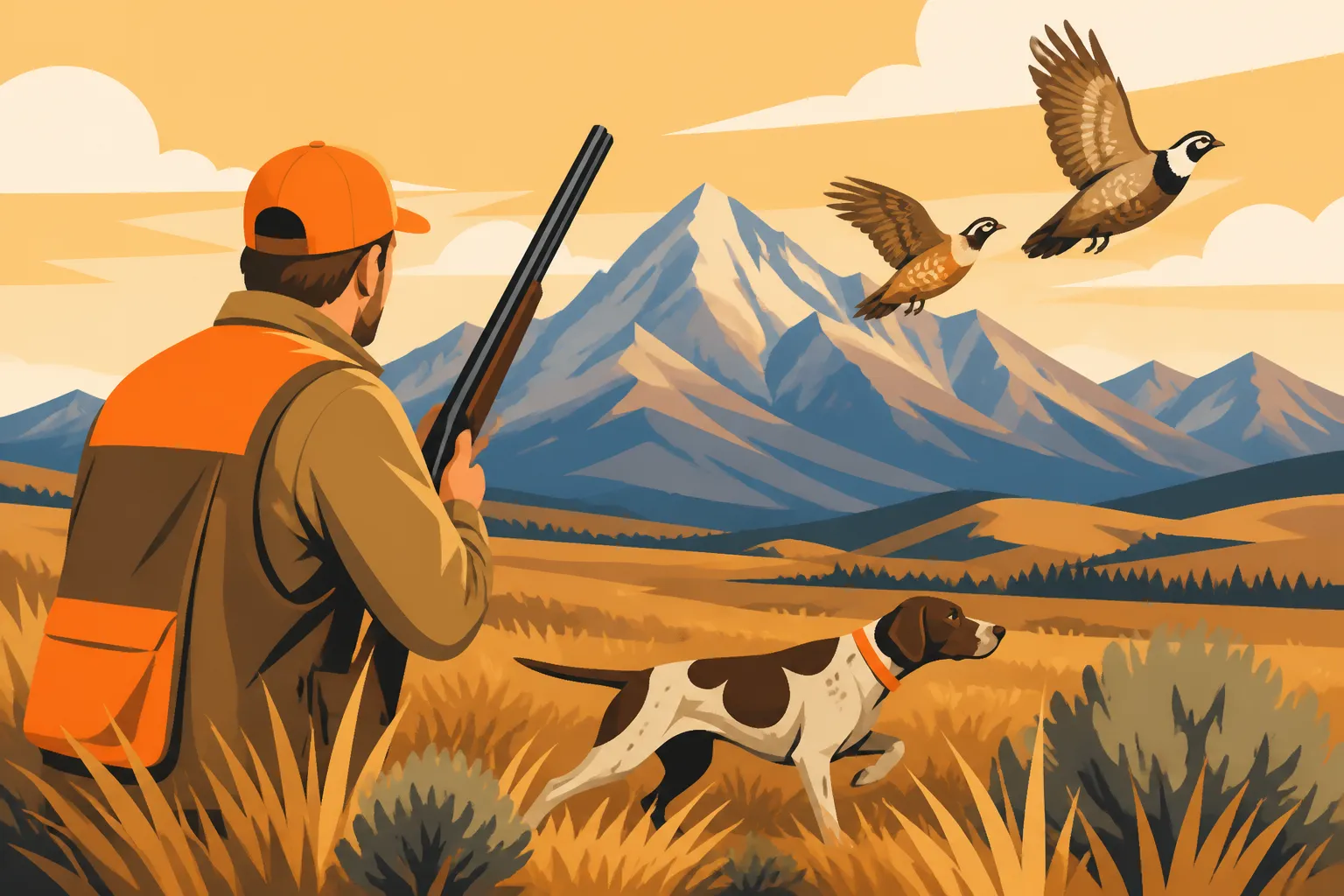
Hungarian partridge, or "Huns," are smaller, faster, and often found in open fields, stubble, and grasslands, sometimes near agricultural areas but also in native prairie. They are renowned for their tight coveys that explode in unison when flushed, offering a challenging volley of shots. Huns are often found in areas that pheasants frequent, but they prefer slightly more open country. They are a delightful bird to hunt, providing fast-paced action and excellent table fare. You'll often find yourself covering a lot of ground, often alongside a good pointing dog, to locate these elusive coveys. When they flush, the speed and unpredictable flight paths of a covey of Huns can truly test your shotgunning skills.
Navigating Montana's Upland Bird Regulations
Understanding Montana's hunting regulations for upland birds is crucial for a safe, legal, and enjoyable hunt. The rules can be a bit intricate, especially for non-residents or those new to the state, but with a bit of homework, you'll be well-prepared. Don't skip this step – Montana Fish, Wildlife & Parks (FWP) takes their regulations seriously.
Licensing Requirements and Fees
Before you even step foot in a field, you need the right paperwork. For any hunting in Montana, you'll first need to purchase a base hunting license. This isn't just a formality; it contributes to conservation efforts across the state. In addition to the base license, you'll need a Conservation License and an Upland Bird License, which is required for hunting all upland game bird species. Non-residents will find these licenses have different fee structures, but the process of acquiring them is generally straightforward through the FWP website. It's always a good idea to secure your Montana Base Hunting License Requirements well in advance of your trip to avoid any last-minute stress.
Some species, like migratory birds (ducks, geese, doves, etc.), have additional federal stamps or state endorsements. While doves are technically an upland bird, their regulations fall under migratory bird rules, requiring a Harvest Information Program (HIP) validation. Always double-check the current year's regulations, as dates and rules can change. You can find up-to-date information on the Montana FWP website or by picking up a physical regulation booklet from any license provider. The application process for most upland licenses is over-the-counter, meaning no draw is required, making them much more accessible than big game tags.
Season Dates, Bag Limits, and Special Restrictions
Montana's upland bird seasons are generally quite generous, often running from early September through January 1st for many species, though specific dates vary by species and region. For instance, the general pheasant season typically opens later in October to allow birds to mature and cover to thicken. Always consult the official Montana FWP website or the annual hunting regulations booklet for the precise Montana Upland Bird Season Dates and bag limits for each species. It's not uncommon for different species to have different opening and closing dates, as well as varying daily and possession limits.
Bag limits specify how many birds you can harvest in a single day, while possession limits dictate the maximum number you can have in your possession at any given time (this usually applies to birds stored at home or in your camp freezer). For example, pheasants might have a daily bag limit of 3 roosters, with a possession limit of 9. Some areas might have specific restrictions, such as "rooster-only" pheasant hunting, where shooting hens is prohibited to protect the breeding population. It's absolutely critical to be able to identify your target species correctly and to know whether it's a legal bird to harvest based on sex (for pheasants) or species (for different grouse). Always be certain of your target before pulling the trigger, not just for ethical reasons but also to avoid potential fines or legal trouble.
Essential Gear and Preparation for Upland Bird Hunting
Preparing for a Montana upland bird hunt means more than just grabbing your shotgun. The varied terrain and weather conditions demand thoughtful gear choices and physical readiness. Being prepared for anything will significantly enhance your safety, comfort, and success in the field.
Shotgun and Ammunition Selection
For upland bird hunting in Montana, a 12-gauge or 20-gauge shotgun is generally the most popular and versatile choice. A 20-gauge offers a lighter carry, which can be a blessing when you're covering miles of rugged terrain, while a 12-gauge offers a bit more knockdown power and a denser pattern, especially useful for longer shots on pheasants or fast-flying chukar. Both over-and-under and semi-automatic shotguns are popular, with semi-autos offering a quick third shot if needed. Choke tubes are your friend; a modified or improved cylinder choke is often preferred for fast-flushing birds at close to medium range.
Ammunition choice is equally important. For smaller birds like Huns, doves, and ruffed grouse, lighter loads of #7.5 or #6 shot are usually sufficient. For the hardier pheasants and chukar, #5 or #6 shot is recommended to ensure clean kills. Always carry plenty of shells, as Montana's vastness often means you're far from any sporting goods store, and you might burn through more than you expect on a good day. Consider the specific species you're targeting; for example, the robust body of a pheasant often warrants a slightly heavier load than a Hungarian partridge. Look for quality shells that pattern well in your shotgun.
Clothing, Footwear, and Navigation
Montana weather is notoriously unpredictable. You can experience all four seasons in a single day, especially in the mountains. Layering is key: start with a moisture-wicking base layer, add insulating layers like fleece, and top it off with a durable, windproof, and waterproof outer shell. Blaze orange is often required or highly recommended for visibility and safety, so make sure your vest or hat meets legal requirements. Pay particular attention to your footwear. Comfortable, waterproof, and supportive hunting boots are non-negotiable. You'll be covering many miles over uneven terrain, through mud, snow, and thorny brush, so happy feet are essential for a successful hunt.
For navigation, a GPS device or a reliable mapping app like OnX Hunt is indispensable. This is especially true when exploring Montana Public Land Hunting Guide areas or navigating the patchwork of public and private property. Many Block Management Areas (BMAs) also have specific boundaries and rules that are best understood with a detailed map. Always carry a compass and a physical map as a backup, and know how to use them. Cell service can be spotty to non-existent in many prime hunting locations. Other essentials include plenty of water, high-energy snacks, a small first-aid kit, a knife, and game bags for your birds. If you're going into truly remote country, consider packing items like a satellite messenger for emergencies, as detailed in our Montana Backcountry Hunting Gear List. Remember that physical preparation, as covered in articles like How to Physically Prepare for a Montana Elk Hunt, is also crucial, as chasing upland birds can be surprisingly demanding.
Hunting Strategies for Montana's Upland Species
Success in Montana's upland fields and mountains requires more than just good gear; it demands adaptability, knowledge of bird behavior, and often, the companionship of a well-trained hunting dog. Different species call for different approaches, and understanding these nuances will significantly increase your odds.
Utilizing Hunting Dogs
A well-trained hunting dog is, for many, the heart and soul of upland bird hunting. Pointing breeds like German Shorthaired Pointers, Brittanys, and English Setters excel at finding and holding birds, allowing the hunter to move into position for the shot. Flushing breeds like English Springer Spaniels and Labrador Retrievers are fantastic at working cover and driving birds into the air, especially in dense pheasant habitat. A good retriever, regardless of breed, is invaluable for finding downed birds, especially in thick cover, preventing lost game.
Training is paramount; a dog that works close, is steady to wing and shot, and retrieves reliably will be your most effective partner. A dog not only covers more ground and finds more birds than a human ever could but also adds an immeasurable layer of companionship and enjoyment to the hunt. Consider the terrain and species when choosing a dog breed; a fast-moving pointer might be perfect for Huns on the prairie, while a more methodical flusher could shine in thick cattails for pheasants. Always ensure your dog is conditioned for the hunt, well-hydrated, and wearing protective gear like bells or vests, especially in dense cover where you might lose sight of them.
Spotting, Stalking, and Flushing Techniques
Upland bird hunting is a dynamic sport that rarely involves static waiting. It's about covering ground, reading the terrain, and understanding where birds are likely to be. For pheasants and Huns in open country, slow, methodical walks across fields, working into the wind, are often most effective. Birds will typically hold tighter when you approach them head-on, allowing your dog to get a good point or flush. Pay close attention to subtle changes in cover—the edge of a slough, a brushy fence line, or a strip of unharvested grain can be prime holding areas.
When hunting mountain grouse, a similar strategy applies: work slowly through likely timbered areas, paying attention to areas with thick undergrowth or berry bushes. Chukar hunting, however, is a different beast entirely. It's often a "glass and hike" affair. You'll spend significant time glassing steep, rocky slopes with good Best Optics for Montana Big Game trying to spot coveys from a distance, then planning a route to get above them or at least on the same level. Once you're in range, a quick approach can sometimes cause them to flush, but often, they'll try to run. Learning How to Spot-and-Stalk Montana Bighorn Sheep might even give you some transferable skills for chukar, given the terrain. For all species, utilizing natural contours, remaining quiet, and being ready to shoot instantly when a bird flushes are critical skills.
Reading the Landscape and Weather
Montana's landscapes offer clues to where birds might be. For pheasants, think agriculture, water, and dense cover. For Huns, open stubble fields, native prairie, and brushy draws are key. Grouse will be in specific timber types or riparian zones, while chukar demand rocky, arid canyons. Understanding these habitat preferences will guide your efforts.
Weather also plays a significant role. On cold, windy days, birds often seek shelter in dense thermal cover like cattail sloughs, shelterbelts, or thick draws. On warmer, sunny days, they might be found dusting themselves on dirt roads or foraging in more open areas. Early mornings often see birds feeding, while mid-day they might be loafing in heavier cover. Snow can push birds into lower elevations or concentrate them in areas with exposed feed. A fresh blanket of snow can also reveal tracks, indicating bird presence. Paying attention to these environmental factors and adapting your strategy accordingly will dramatically improve your chances of success. Using mapping tools to analyze elevation, cover types, and access points is an excellent way to apply this knowledge, helping you How to E-Scout Montana Hunting Units effectively before you even leave home.
Finding the Best Upland Bird Hunting Areas in Montana
One of the biggest challenges for any hunter in Montana, especially for those new to the state, is simply finding where to go. Montana is vast, and good bird hunting can be found across hundreds of miles, from the western mountains to the eastern plains. Luckily, there are excellent resources and strategies to help you narrow down your search and maximize your time in the field.
Public Land Hotspots and Access Programs
Montana is famous for its abundant public land, and this includes fantastic opportunities for upland birds. National Forests in the western part of the state are prime for various grouse species. Bureau of Land Management (BLM) lands, especially in central and eastern Montana, hold populations of Huns, sharp-tails, and pheasants, particularly in areas with good cover and water. State Trust Lands also offer hunting access, but be sure to understand the specific rules for these lands, as they can sometimes differ from federal public lands.
Perhaps the most invaluable tool for upland bird hunters in Montana is the Block Management Program. These are private lands voluntarily enrolled by landowners to allow public hunting access. FWP publishes maps and rules for these areas, often including information on specific species present. Access might be walk-in only, require signing in, or have specific dates. Exploring Montana Block Management Areas Explained is a must for any serious upland hunter. Many of these areas are specifically managed for pheasants, Huns, and sharp-tailed grouse. Websites and apps like GoHunt are excellent resources for researching and visualizing these public land boundaries and Block Management areas, helping you identify potential hotspots long before your boots hit the ground.
Identifying Productive Habitat Features
Regardless of whether you're on public or private land, learning to identify productive habitat is key. For pheasants, look for a mix of dense cover (like cattail sloughs, shelterbelts, thickets), food sources (uncut grain fields, CRP), and water. River bottoms and creek drainages in eastern Montana are consistently excellent pheasant producers. For Hungarian partridge and sharp-tailed grouse, focus on grasslands, stubble fields, sagebrush flats, and brushy coulees, particularly where these habitats converge.
In the mountains, for blue grouse, seek out higher elevations with open timber and berry bushes. Ruffed grouse will be found in riparian zones, aspen groves, and mixed deciduous-conifer stands, especially along creek bottoms. Chukar demand arid, rocky canyons with cheatgrass and steep slopes. Understanding these specific habitat needs will allow you to quickly assess an area's potential. When scouting, pay attention to edges—the transition zones between different habitat types are often where birds concentrate. For example, the edge of a timber stand next to a clearcut, or a brushy draw feeding into an open field, can be incredibly productive. These are the places where birds feel safe but can also access food and water, making them prime hunting locations.
| Upland Bird Species | Primary Habitat Type | Typical Season (General) | Daily Bag Limit (Example) |
|---|---|---|---|
| Ring-necked Pheasant | Agricultural fields, river bottoms, dense cover | Oct-Jan | 3 Roosters |
| Hungarian Partridge | Open fields, stubble, grasslands, brushy coulees | Sep-Jan | 8 Birds |
| Sharp-tailed Grouse | Native prairie, sagebrush flats, brushy draws | Sep-Jan | 4 Birds |
| Dusky (Blue) Grouse | Conifer forests, timbered slopes, high elevations | Sep-Jan | 3 Birds |
| Ruffed Grouse | Riparian areas, aspen groves, mixed forests | Sep-Jan | 5 Birds |
| Spruce Grouse | Dense spruce and fir forests | Sep-Jan | 3 Birds |
| Chukar Partridge | Arid, rocky canyons, steep slopes with cheatgrass | Sep-Jan | 8 Birds |
| Mourning Dove | Grain fields, pastures, riparian areas (migratory) | Sep-Oct | 15 Birds |
Note: Season dates and bag limits are examples and vary annually. Always check current Montana FWP regulations.
Field Care and Post-Hunt Considerations
Bringing a bird to hand is only part of the experience. Proper field care is essential to ensure the quality of your harvest, and responsible post-hunt practices contribute to the conservation and ethics of hunting. These steps might seem minor, but they are critical for enjoying the fruits of your labor and respecting the game you pursue.
Immediate Field Care and Cooling
Once you've harvested a bird, immediate field care is crucial, especially on warmer days. The goal is to cool the bird down as quickly as possible to prevent spoilage. First, if you plan to breast out the bird, do so as soon as possible. If you're taking the whole bird, you'll want to carefully remove any entrails. Make a small incision and reach in to pull out the organs. This allows air to circulate inside the body cavity, aiding in cooling.
Placing birds in a game vest with a mesh back or a breathable game bag is ideal. Avoid tossing them into a solid plastic bag or leaving them in direct sunlight. If you're hunting multiple birds, try to keep them separate to allow for better airflow. On particularly warm days, some hunters carry a small cooler with ice packs in their vehicle to quickly chill birds once they return from the field. Getting them cool quickly preserves the quality of the meat, making for a much better meal later on.
Cleaning and Processing Your Birds
When you get back to camp or home, it's time for more thorough processing. You generally have two main options: breasting out the bird or plucking it whole. Breasting involves removing just the breast meat, which is the easiest and quickest method, especially for smaller birds like Huns or doves. Make an incision down the breastbone, and carefully separate the meat from the bone, peeling it away. This method yields clean, boneless meat ready for cooking.
Plucking the entire bird, while more time-consuming, provides more meat and a more traditional presentation. Scalding the bird in hot water for about 30-60 seconds can make plucking much easier. Once plucked, eviscerate the bird if you haven't already, and remove the head, feet, and wings (leaving a wing attached for identification might be required for some species until you reach your final destination, so check regulations). Rinse the bird thoroughly, pat it dry, and then either cook it fresh, refrigerate it for a few days, or freeze it for longer storage. Always label your frozen game with the species and date.
Ethical Considerations and Conservation
Beyond the practical aspects, ethical considerations are paramount. Always strive for clean, humane kills. This means practicing your shooting, knowing your effective range, and only taking shots that offer a high probability of a quick, clean harvest. Respect bag limits and season dates; these regulations are in place to ensure sustainable bird populations for future generations. Never waste game meat; every bird harvested should be utilized.
Participating in conservation efforts is another crucial part of being an ethical hunter. Your license fees directly fund habitat improvement, wildlife research, and enforcement. Consider joining conservation groups like Pheasants Forever or the National Wild Turkey Federation (even though turkeys aren't upland birds, many groups do excellent habitat work) that advocate for wildlife and habitat. Report any poaching or illegal activity to FWP. By practicing responsible hunting and actively supporting conservation, we ensure that Montana's incredible upland bird hunting opportunities remain vibrant for years to come. Thinking about the long-term health of the species we pursue is vital for every hunter in the field.
Disclaimer
Please be aware that hunting regulations, season dates, and access rules can change frequently. While we strive to provide accurate and up-to-date information, it is your responsibility to verify all current regulations with Montana Fish, Wildlife & Parks (FWP) before engaging in any hunting activities. This guide is for informational purposes only and should not be considered legal advice. Always prioritize safety and ethical hunting practices.