How to Hunt Montana Elk in the Bob Marshall
Hunting elk in Montana's vast, untamed Bob Marshall Wilderness Complex is a dream for many, but the sheer scale and raw challenge can feel utterly overwhelming, often leaving hunters wondering where to even begin their planning. This guide aims to demystify the process, offering a detailed roadmap to prepare for, execute, and successfully navigate an elk hunt in one of Montana's most iconic and demanding landscapes.
Understanding the Bob Marshall Wilderness Complex
The "Bob" is more than just a hunting unit; it's a testament to wild Montana, a place where the mountains reign supreme and modern conveniences are left at the trailhead. This immense wilderness, encompassing over 1.5 million acres when combined with the Scapegoat and Great Bear Wilderness areas, presents a unique set of challenges and rewards. Many hunters initially underestimate the sheer effort required to navigate this landscape, often leading to frustration and, sometimes, failure. It’s a place that demands respect, meticulous planning, and a deep understanding of its character.
The Unique Landscape and Regulations
The Bob Marshall Wilderness is defined by its roadless nature. There are no ATVs, no e-bikes, no wheeled vehicles of any kind allowed beyond the wilderness boundary. Your two feet or the hooves of a horse are your only means of propulsion. This fundamental rule dictates everything from gear choices to hunting strategies. Picture vast, rugged mountain ranges, dense timber, alpine lakes, and roaring rivers – all accessible only by foot or pack stock. This isn't your average public land hunt where you can drive to a trailhead, hunt a ridge, and be back at the truck for lunch. The scale is colossal, with drainages that can swallow days of effort, and elevations ranging from around 4,000 feet to over 9,000 feet.
Moreover, specific wilderness regulations apply. Beyond the lack of motorized or mechanized transport, "Leave No Trace" principles are paramount. This means packing out everything you pack in, minimizing impact on campsites, and respecting the pristine environment. Building fires might be restricted in certain areas or during dry conditions. Understanding these rules, which are typically outlined by the Flathead, Lewis and Clark, and Lolo National Forests, is not just a suggestion; it's a requirement to hunt legally and ethically in the Bob. Disregarding them not only jeopardizes your hunt but can also lead to hefty fines and damage the reputation of all hunters. This unique blend of rugged terrain and strict regulations creates an environment where elk often find sanctuary from the typical hunter pressure found closer to roads.
Elk Behavior in Wilderness Environments
Elk in the Bob Marshall are wild, wary, and accustomed to minimal human disturbance. They are not the same elk you might find browsing in agricultural fields or near private land boundaries. These animals have adapted to navigate expansive, diverse terrain, often moving between high alpine meadows in the summer and lower, timbered areas as hunting pressure or snows arrive. Their behavior is largely dictated by feed, water, and security. During the archery season and the early rifle rut, they can be vocal, but don't expect them to be easy to call in every situation. They've heard it all before, especially in drainages closer to common entry points.
As the season progresses and hunting pressure increases, elk tend to retreat into the thickest, darkest timber, often on steep, north-facing slopes, or seek the remotest pockets of the wilderness. They learn quickly, and a bull that has been bumped once will often go silent and move miles. They utilize terrain features to their advantage, slipping silently through drainages, using elevation changes to their benefit, and often bedding in areas that are incredibly difficult for humans to access. Understanding these patterns, like where they might transition from open feeding areas to heavy cover during daylight hours, is crucial. Their movements are also heavily influenced by weather; early snows can push them down to lower elevations, while prolonged mild weather might keep them high until later in the season. Learning to read the subtle signs of their presence, from rubs and wallows to fresh tracks and droppings, becomes an invaluable skill in such a vast landscape.
Essential Preparation for a Bob Marshall Elk Hunt
Successfully hunting the Bob Marshall Wilderness isn't just about showing up with a rifle and a tag; it's about months, if not years, of dedicated preparation. The physical and mental demands of this type of backcountry hunting are extreme, and your gear choices can literally make or break your hunt, or even your safety. Neglecting any aspect of preparation is a sure path to a miserable, unsuccessful, and potentially dangerous experience.
Physical and Mental Conditioning
Let's be blunt: if you're not in prime physical condition, the Bob Marshall will chew you up and spit you out. You'll be hiking for miles, often with heavy packs, across steep, uneven terrain, at elevations where the air is noticeably thinner. A single day can involve thousands of feet of elevation gain and loss. Imagine yourself cresting a ridge at 8,000 feet, lungs burning, only to see a bull elk a mile away across a deep canyon. Now, imagine having to get there, and then, if successful, haul hundreds of pounds of meat back out. This isn't a casual stroll.
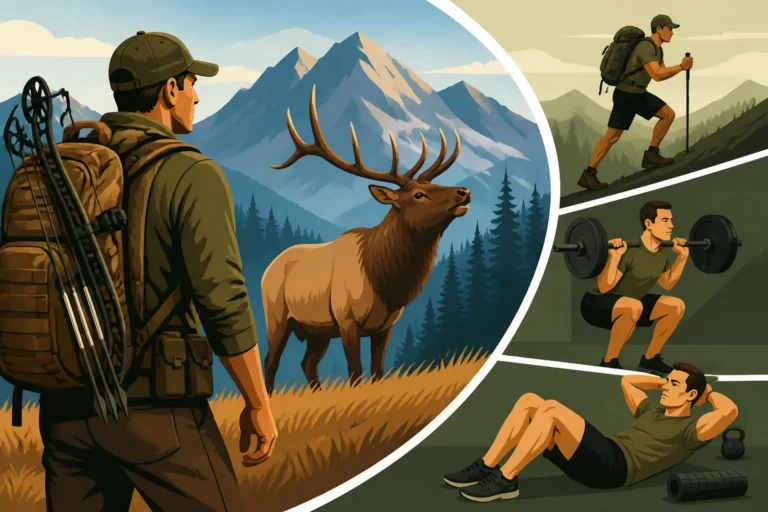
Your training regimen should reflect this intensity. Incorporate rucking (hiking with a weighted pack) into your routine, gradually increasing weight and distance. Focus on leg strength, cardiovascular endurance, and core stability. Don't forget to practice hiking uphill and downhill, as descending with a heavy load is often harder on the body than ascending. Consider simulating hunt conditions by training at altitude if possible, or at least incorporating interval training to build lung capacity. Beyond the physical, the mental game is equally critical. You'll face discomfort, exhaustion, bad weather, and perhaps days without seeing elk. The ability to push through, maintain a positive attitude, and make sound decisions when fatigued is paramount. Having a clear understanding of your personal limits, and those of your hunting partners, is a crucial part of your overall safety plan. Many hunters find that physical training also builds the mental resilience needed to overcome the inevitable challenges of a true wilderness hunt. You can find more specific guidance on How to Physically Prepare for a Montana Elk Hunt.
Gear and Equipment Considerations
Every single item you bring into the Bob Marshall needs to earn its place in your pack. Weight is the enemy, but so is cutting corners on essential gear. Think lightweight, durable, and multi-functional. Your pack will be your lifeline, so choose a quality internal frame pack (like those from Mystery Ranch or Kifaru, renowned for their load-hauling capabilities) that can comfortably handle 60+ pounds. For navigation, a reliable GPS unit or a smartphone with detailed mapping applications is non-negotiable. Tools like the ones provided by GoHunt are incredibly valuable for downloading offline maps and waypoint marking, allowing you to navigate confidently even without cell service. Always carry a physical map and compass as a backup – batteries die, screens crack.
Clothing should be a layering system, as weather in the mountains can change dramatically within hours. Merino wool or synthetic base layers, insulating mid-layers, and waterproof, breathable outer shells are essential. Don't forget high-quality, broken-in hunting boots that offer excellent ankle support and waterproofness, especially when you consider crossing streams or navigating muddy trails. A robust sleep system suitable for cold mountain nights, a lightweight tent or tarp, a water filter or purification tablets, and a reliable cooking system are also critical. For safety, a satellite communication device (like an InReach or Zoleo) is highly recommended for emergency contact. Finally, don't skimp on a good optics setup – high-quality binoculars and a spotting scope can save you miles of walking by allowing you to How to Glass Montana's Big Country from a distance. For a comprehensive overview, consider reviewing a Montana Backcountry Hunting Gear List.
Strategies for Locating and Pursuing Bob Marshall Elk
Finding elk in the Bob Marshall is like finding a needle in a haystack, but with the right approach and a lot of homework, that haystack starts to look a lot smaller. It’s a process that begins long before you set foot in the wilderness and continues every moment you're on the ground. This isn't a place where you simply drive around looking for animals; you must become an integral part of the landscape.
E-Scouting and Pre-Season Planning
Your Bob Marshall elk hunt really begins at home, in front of your computer screen. E-scouting is perhaps the most critical preparatory step for a successful wilderness hunt. Utilize tools like Gaia GPS, BaseMap, or the detailed maps offered through GoHunt to pore over topographical maps and satellite imagery. Look for areas with a combination of key elk habitat features: north-facing slopes with dense timber for bedding, south-facing slopes or open parks for feeding, reliable water sources (springs, seeps, small streams), and natural funnels or saddles that elk might use to travel between these areas. Pay close attention to terrain features that offer security cover, as these are where elk will retreat to avoid pressure.
Identify potential access points and plan out possible routes into the wilderness. Remember, you might need to hike 5-10 miles, or even more, just to get away from the immediate pressure of other hunters. Pinpoint areas with limited access or those that are particularly rugged, as these are often sanctuaries for mature bulls. Look for benches, old burns (which can offer new browse), and areas that connect higher and lower elevations. Consider historical data on elk movements and populations if available for specific hunting districts within the Bob. While specific to units, learning How to E-Scout Montana Hunting Units is an invaluable skill here. Think about prevailing winds and thermals in different drainages; these are critical for planning your approach routes once you're on the ground. Having several backup areas scouted is also a smart move, as your initial plan might be foiled by other hunters or unexpected elk movements.
On-the-Ground Tactics and Patience
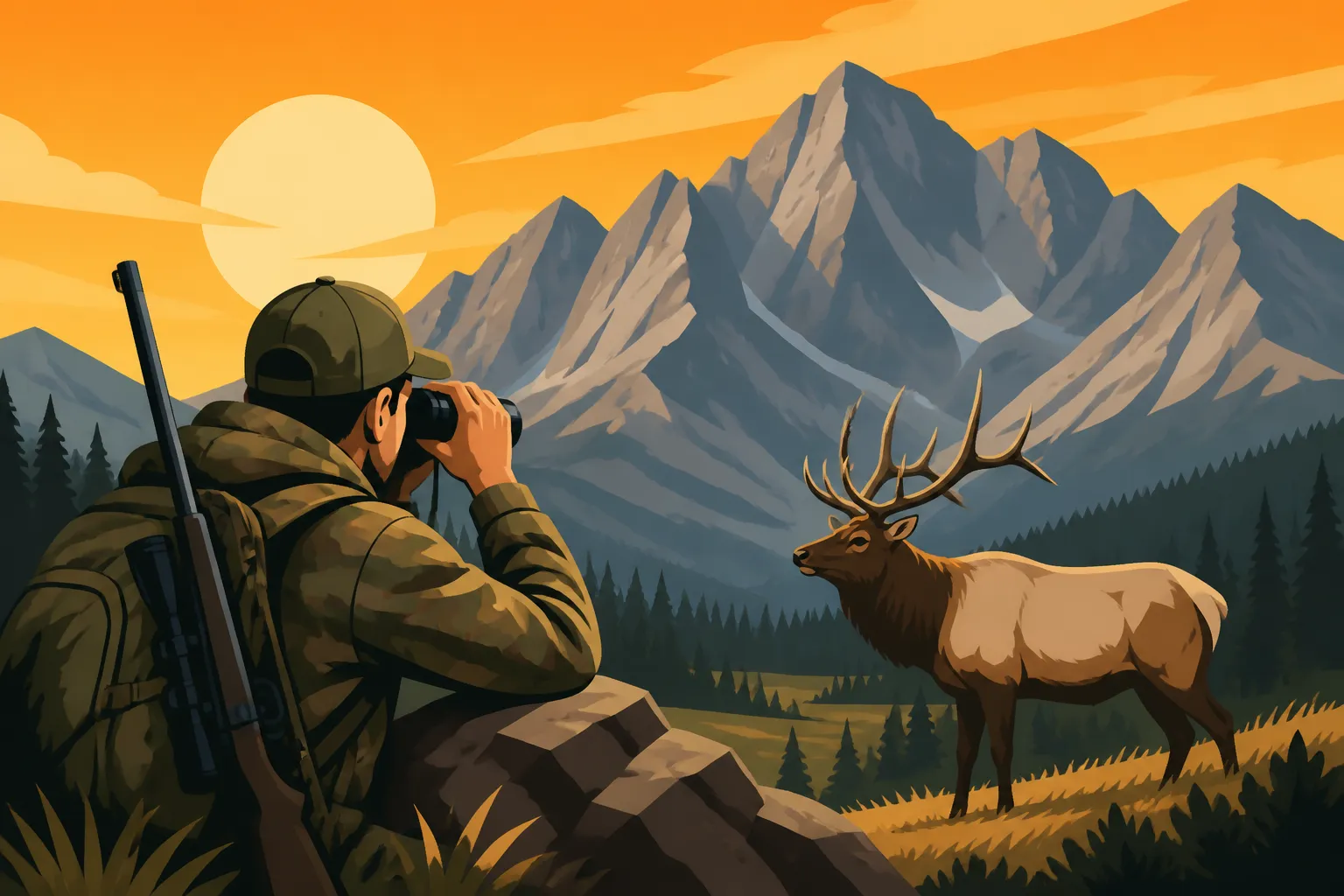
Once you're actually in the Bob Marshall, your e-scouting work transitions into active, on-the-ground hunting. One of the most effective tactics in this expansive country is glassing. Find a high vantage point at first light or last light, set up your spotting scope and binoculars, and meticulously pick apart every patch of timber, every open slope, every distant meadow. Elk can appear as tiny specks, so patience and a keen eye are essential. Often, you'll spot animals moving from bedding to feeding areas or vice versa.
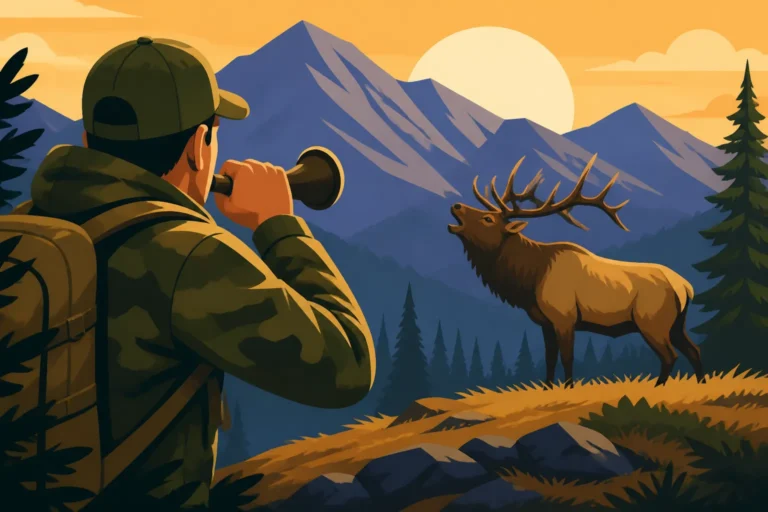
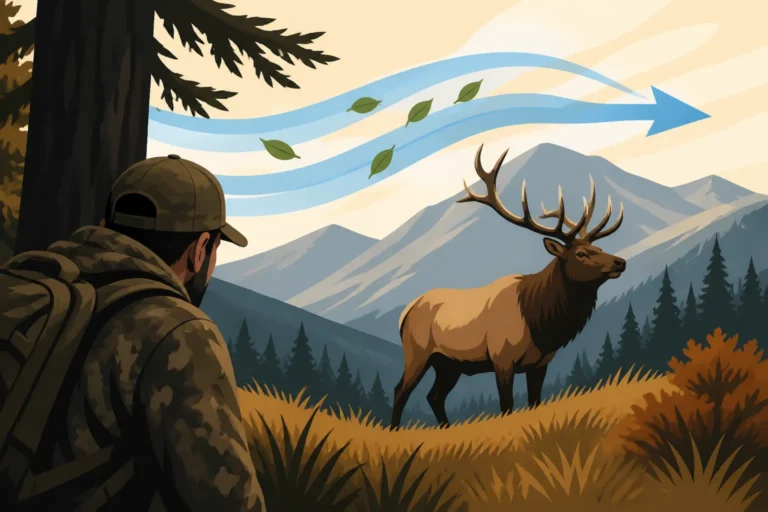
When you're in timbered areas, especially where elk are likely to be bedded, still-hunting becomes the primary method. Move slowly, deliberately, taking a few steps and then pausing for minutes to scan, listen, and sniff the air. Use the wind to your advantage, always trying to keep it in your face or quartering. Thermals are also crucial in mountain hunting; they generally rise in the morning and fall in the evening, so plan your movements to avoid blowing your scent towards elk. For more on this, check out How to Use Thermals in Montana Elk Country. Elk calling can be effective, particularly during the rut. Learning How to Call Elk in Montana – whether bugles or cow calls – can help locate bulls or draw them closer, but be prepared for them to hang up, especially if they've been pressured. The key is to be adaptable; if one tactic isn't working, change it up. Setting up a remote spike camp, away from your main base camp, can significantly extend your hunting range and allow you to capitalize on early morning or late evening movements in areas far from trails.
| Tactic | Best Use Case | Equipment Needed | Pros | Cons |
|---|---|---|---|---|
| Glassing | Open country, early/late light, spotting distant elk | Binoculars, Spotting Scope, Tripod | Covers vast areas, minimizes physical effort initially | Requires patience, good optics, often long stalk after spotting |
| Still-Hunting | Dense timber, bedding areas, high-pressure zones | Good boots, quiet clothing, keen senses | Gets you into close quarters, works well for wary elk, quiet | Slow, physically demanding, easy to get turned around |
| Calling | Rut, locating bulls, drawing elk closer | Elk calls (bugle, cow calls) | Can bring elk to you, exciting, effective if done right | Can alert other hunters, wary elk may hang up or circle downwind |
| Tracking | Fresh snow, soft ground, confirming elk presence | Keen eye, knowledge of elk sign | Confirms elk presence, leads directly to animals in some cases | Slow, difficult in dry conditions, easily loses track |
| Ambushes | Wallows, water holes, pinch points, migration routes | Concealment, patience | Can be effective if patterns are known, low impact | Requires extensive scouting, often a waiting game, limited to specific spots |
Field Processing and Packing Out an Elk in the Wilderness
So, you've done it. After days of relentless hiking, meticulous glassing, and perhaps a heart-pounding stalk, you've harvested an elk deep in the Bob Marshall. The real work, however, is just beginning. Getting that meat from the wilderness back to civilization is a monumental task that requires physical strength, efficiency, and a deep understanding of proper meat care, especially when you're miles from the nearest road.
Efficient Field Dressing and Meat Care
The moment your elk hits the ground, the clock starts ticking. Proper field dressing is paramount to preserving the quality of the meat. In a wilderness setting, the gutless method is often preferred, as it's quicker, cleaner, and avoids spilling stomach contents. This method involves skinning one side of the animal, removing the quarters, backstraps, and tenderloins, then flipping the animal and repeating the process on the other side. You'll need a sharp, sturdy hunting knife (and a backup!), a compact saw for sternum or pelvis if you choose to split, and plenty of good quality game bags. Alaska Game Bags or Kuiu’s bags are excellent choices, as they are breathable, protect the meat from flies and debris, and are reusable.
Once the meat is off the bone and in bags, it needs to cool down as quickly as possible. Hang the game bags in a shady, breezy spot, off the ground, to allow air circulation. If possible, fan the meat to accelerate cooling. In early season hunts, keeping meat cool can be a significant challenge. Consider covering the meat with a space blanket, shiny side out, to reflect heat, or even strategically placing it near a cool stream if temperatures are high. Don't stack meat directly on top of itself; airflow is critical to prevent spoilage. If you plan to be in the backcountry for several days after a harvest, consider bringing cheesecloth to wrap the meat before putting it in game bags, offering an extra layer of protection. Knowing How to Quarter an Elk in the Montana Backcountry efficiently can save valuable time and effort.
The Challenge of Packing Out
Packing out an elk from the Bob Marshall is arguably the most physically demanding aspect of the entire hunt. A mature bull elk can yield 200-300 pounds of boned-out meat, plus the hide and antlers. This is not a single-trip job for one person, or even two. You'll likely be making multiple trips, often over several days, covering significant distances with incredibly heavy loads. This is where your physical conditioning truly pays off. Distribute the weight evenly in your pack, using a sturdy frame and good compression straps. Hip belts are essential for transferring weight to your legs, saving your shoulders.
For larger animals, or longer distances, utilizing pack stock (horses or mules) is a game-changer if you have the means and experience. Many hunters hire outfitters specifically for "pack-out" services if they harvest an animal deep in the wilderness. This can be a significant expense but might be worth it to save your body and ensure the meat gets out quickly. If you're going solo, or with a small group on foot, breaking the load into manageable chunks is key. Each trip might involve 60-80 pounds of meat, plus your camp gear. Plan your route carefully, favoring established trails if available, but be prepared for off-trail travel with heavy loads. The exhaustion is real, the blisters will form, and the muscles will ache, but the satisfaction of getting that hard-earned meat back to camp and then to your vehicle is immense. For specific techniques on this arduous task, look into How to Pack Out an Elk in Montana.
Here’s a comparison of packing out options in the Bob:
| Packing Out Method | Cost | Effort Level | Speed / Efficiency | Pros | Cons |
|---|---|---|---|---|---|
| DIY Backpack | Minimal (cost of gear you already have) | Extremely High | Slow, multiple trips | Ultimate self-reliance, lowest direct cost, pure wilderness experience | Physically brutal, time-consuming, risk of injury |
| Hired Pack-Out | Moderate to High (varies by outfitter) | Low (you do field dressing, they haul) | Fast, efficient, single trip (usually) | Saves immense physical effort, faster meat retrieval, less spoilage risk | Significant cost, requires coordination with outfitter |
| Personal Stock | High (cost of owning/renting stock, feed, experience) | Moderate (requires skill with animals) | Moderate to Fast, depending on distance and terrain | Independence, can haul more gear/meat, traditional experience | High initial investment/rental, requires expertise with horses/mules |
Disclaimer
Hunting is an inherently dangerous activity. This guide provides general information and recommendations. Always consult the most current Montana Fish, Wildlife & Parks regulations, seek local knowledge, and prioritize safety above all else. Proper training, equipment, and decision-making are critical for a safe and successful hunt.