How to Hunt Montana Sheep and Goats
Chasing bighorn sheep and mountain goats in Montana isn't just a hunt; it's an odyssey, a test of will against some of the most rugged, unforgiving terrain imaginable. Many seasoned hunters dream for decades of drawing one of these coveted tags, often facing years of applications and near misses. The frustration of watching your bonus points grow while the draw odds seem to shrink can be disheartening. This guide is dedicated to walking you through the intricate process, from understanding these majestic animals and their mountain homes to navigating the notoriously tough Montana draw, preparing your body and mind, and executing a successful high-country hunt.
The Allure of Montana's Alpine Monarchs
Montana is home to two of North America's most iconic alpine species: the bighorn sheep and the mountain goat. These animals thrive in the state's wildest, most remote mountain ranges, embodying the spirit of the untamed wilderness. Hunting them represents the pinnacle of big game hunting for many, offering an experience rich in challenge, beauty, and profound satisfaction.
Understanding Montana Bighorn Sheep
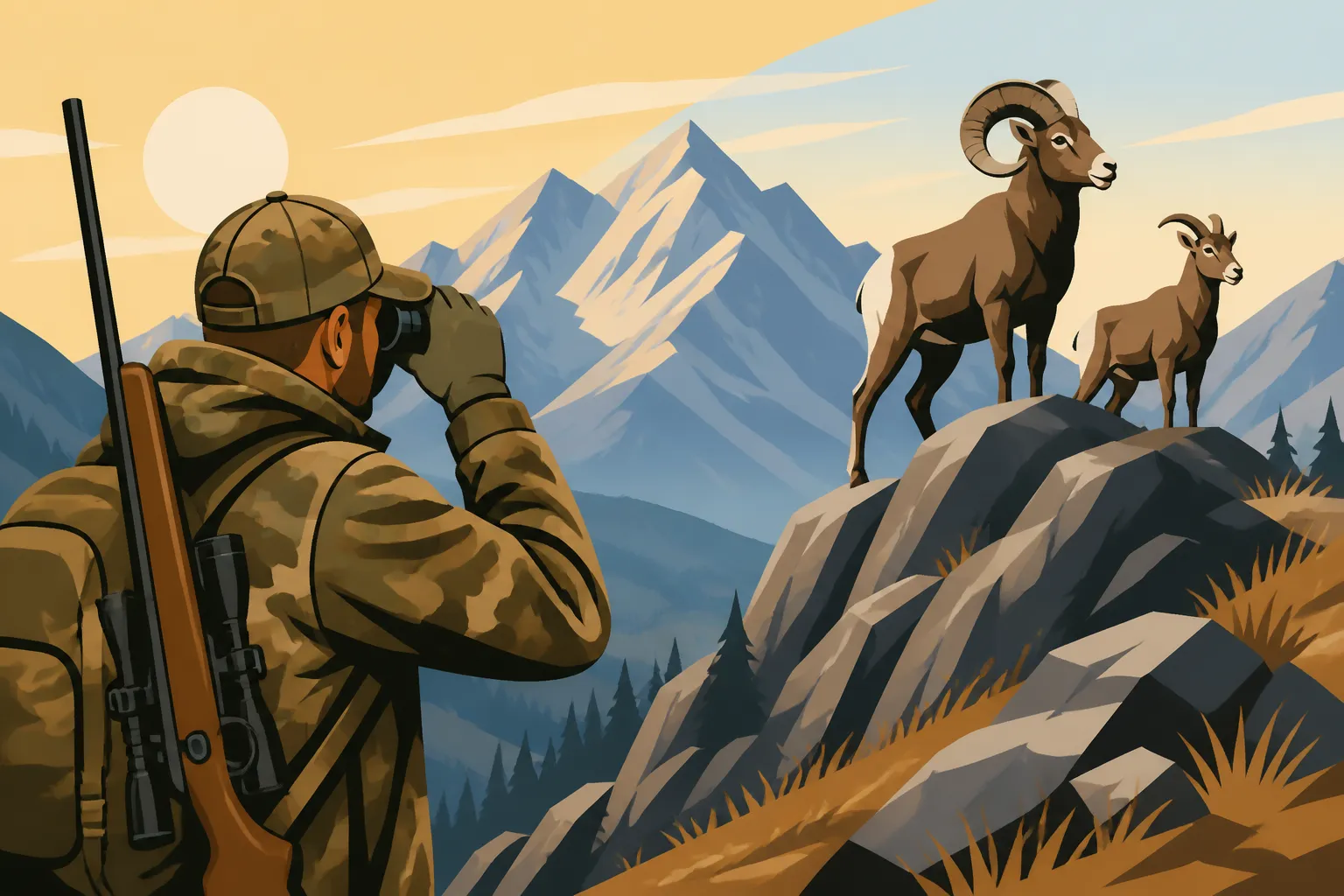
Bighorn sheep are synonymous with Montana's rugged mountainscapes. They are a true symbol of the Rockies, known for their incredible agility, keen senses, and magnificent curled horns on the rams. There are two subspecies found in Montana: Rocky Mountain Bighorn Sheep, which are more widespread, and California Bighorn Sheep, found in smaller, more isolated pockets.
Hunting bighorn sheep is a serious endeavor, demanding extreme physical fitness and mental toughness. They inhabit steep, rocky terrain, often above timberline, where cover is sparse and approaches are grueling. Spotting them from a distance is critical, as is planning an intricate stalk through vertical rock faces and scree fields. Their survival depends on their ability to navigate perilous cliffs, and hunters must be prepared to follow suit, sometimes for days. Success often hinges on patience, precise shooting, and the ability to endure harsh mountain weather. The reward, however, is not just a magnificent trophy, but an unforgettable journey into the heart of Montana's wilderness. You can learn more about specific hunting strategies in our guide to Montana Bighorn Sheep Hunting Explained.
Discovering Montana Mountain Goats
Mountain goats, with their striking white coats, shaggy beards, and black dagger-like horns, are perhaps even more at home on precipitous cliffs than bighorns. Often called "ghosts of the mountains," they inhabit the highest, most inaccessible peaks in Montana, frequently found on rock faces that appear utterly impassable. Their unique split hooves, equipped with traction pads, allow them to navigate seemingly impossible terrain with ease.
Hunting mountain goats is less about the "trophy" in the traditional sense and more about the ultimate physical and mental challenge. These hunts test a hunter's endurance, resolve, and mountaineering skills to their absolute limits. Goats tend to live in smaller, scattered populations, and finding them often involves hours of glassing vast, intimidating landscapes. Once located, closing the distance can be an incredibly dangerous and demanding task, requiring careful route-finding, rock climbing, and a complete disregard for comfort. A successful mountain goat hunt isn't just about bagging an animal; it's about conquering the mountain itself. Our in-depth Montana Mountain Goat Hunting Guide provides further details.
Navigating the Montana Sheep and Goat Draw System
Drawing a bighorn sheep or mountain goat tag in Montana is widely considered one of the hardest draws in North America. These tags are exceptionally rare, reflecting the limited populations of these sensitive species and the state's commitment to careful wildlife management. It's a game of patience, strategy, and often, sheer luck.
Understanding Bonus Points and Application Strategy
Montana uses a bonus point system for many of its limited-entry permits, including those for bighorn sheep and mountain goats. For every year you apply for a specific permit and are unsuccessful, you accrue one bonus point for that species. When the draw occurs, your accumulated bonus points are squared, and that number of entries is submitted into the drawing for you. For example, if you have 5 bonus points, you'll have 25 entries in the draw. This system heavily favors those who have been applying for many years.
The key to a successful draw strategy is consistency. You need to decide early on if pursuing one of these tags is a priority and then commit to applying year after year. There's no quick path to drawing a sheep or goat tag for most hunters; it's a marathon, not a sprint. Researching draw odds for specific districts is crucial. Resources like GoHunt's Insider platform offer invaluable data, helping you understand the historical success rates and points required for various units. While there's always a chance for a lucky draw, putting in for units with slightly better odds, even if still minuscule, can be part of a long-term plan. Remember, you can also purchase a bonus point only without applying for a specific tag, ensuring you continue to build points even if you can't commit to a full application that year. For more information on how points work, check out How Montana Bonus Points Work.
Application Timelines and Key Deadlines
The application period for Montana's sheep and goat permits typically runs in late winter to early spring, with deadlines usually falling in April or May. It is absolutely critical to mark these dates on your calendar and apply well in advance. Missing a deadline means missing a year of building bonus points and a chance at a tag, setting you back significantly.
When applying, you'll need to purchase a base hunting license and a conservation license, along with the specific application fees for the sheep or goat permits. Non-residents face additional costs and quotas, making the draw even more competitive. Always double-check the current year's regulations on the Montana Fish, Wildlife & Parks (FWP) website, as dates and rules can change. Furthermore, it's worth noting that Montana has implemented changes to its draw systems over time, such as the Montana Sheep Draw Changes for 2026, which can affect your long-term strategy. Don't procrastinate; get your application submitted early to avoid any last-minute technical glitches or forgotten steps. A detailed guide to How to Apply for a Montana Hunting License can help streamline this process.
| Species | Average Non-Resident Points to Draw (Last 5 Years, General Permit) | Application Deadline (Typical) | Season Dates (General) | Typical Habitat |
|---|---|---|---|---|
| Bighorn Sheep | 15-25+ (Highly variable by unit) | Early May | September – Mid-November | Rugged, steep rocky terrain, often above timberline |
| Mountain Goat | 10-20+ (Highly variable by unit) | Early May | September – Mid-November (some units later/earlier) | Extreme high-alpine, cliff faces, permanent snow |
Note: Draw odds and point requirements are highly volatile and change annually. This table represents general trends for illustrative purposes only. Always consult current FWP regulations and resources like GoHunt for up-to-date data.
Essential Gear for High-Country Sheep and Goat Hunts
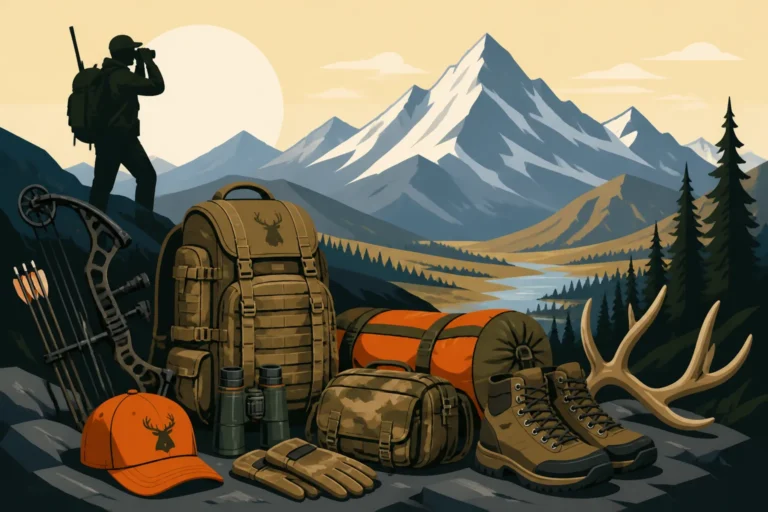
A sheep or goat hunt in Montana is not your average stroll through the woods. The terrain is brutal, the weather unpredictable, and the stakes are high. Your gear isn't just about comfort; it's about survival and success. Investing in high-quality, reliable equipment is paramount.
Optics: Your Eyes in the Vertical World
Good optics are arguably the most critical piece of equipment for hunting sheep and goats. These animals live in vast, open, and often incredibly distant landscapes. You'll spend countless hours behind glass, meticulously scanning cliffs, scree slopes, and tiny pockets of alpine tundra.
- Spotting Scope: A high-quality spotting scope (20-60x or 27-60x magnification) with a large objective lens (65-85mm) is non-negotiable. Look for models from brands like Swarovski Optik, Kowa, or Zeiss that offer exceptional light gathering and edge-to-edge clarity. You'll need to pick apart distant hillsides, identify rams or billies from nannies, and judge horn size. Pair it with a sturdy, lightweight tripod – carbon fiber is usually the best choice for weight savings.
- Binoculars: A good pair of 10×42 or 12×50 binoculars are essential for handheld glassing and quickly scanning terrain. Again, prioritize optical clarity and low-light performance. Many hunters also carry a smaller, lighter pair of 8x binoculars for navigating dense timber or quick close-up checks.
- Rangefinder: An accurate rangefinder is critical for mountain hunting, especially when shooting at steep angles. Look for models with angle compensation features, which will give you the "shoots like" distance. Brands like Sig Sauer and Leica offer excellent options.
- Phone Skope/Digiscoping Adapter: Being able to quickly attach your phone to your spotting scope allows you to capture photos and videos, and critically, share what you're seeing with hunting partners or get a second opinion on a potential animal.
Having redundant optics is also a smart strategy. If you're hunting with a partner, ensure you both have quality glass so you can cover more ground and verify observations. Our guide to Best Optics for Montana Big Game offers more detailed recommendations.
Footwear and Layering System
Your feet are your most important asset on a high-country hunt. You'll be climbing thousands of vertical feet, traversing unstable terrain, and enduring various weather conditions.
- Boots: Invest in high-quality, stiff-soled mountain hunting boots that provide excellent ankle support. Brands like Kenetrek, Schnee's, and Crispi are popular choices known for their durability and performance in rugged environments. Ensure they are waterproof and well-broken in long before your hunt. Never wear new boots on a mountain hunt; blisters can end your trip prematurely.
- Socks: Layering wool or synthetic socks is crucial. A thin liner sock under a thicker merino wool sock helps wick moisture and prevent blisters. Carry multiple pairs and change them regularly to keep your feet dry and healthy.
- Layering System: Montana weather in the mountains can go from sunny and warm to snowing and freezing in a matter of hours. A versatile layering system is key.
- Base Layers: Merino wool or synthetic wicking layers to manage moisture.
- Mid Layers: Fleece or synthetic puffy jackets for insulation.
- Outer Shell: A waterproof, windproof, and breathable jacket and pants are essential for protection against the elements. Look for durable materials that can withstand abrasion from rocks and brush. Brands like Sitka Gear and KUIU are designed specifically for this type of hunting.
- Puffy Jacket: A warm, lightweight down or synthetic puffy jacket for glassing sessions or sitting around camp in cold weather.
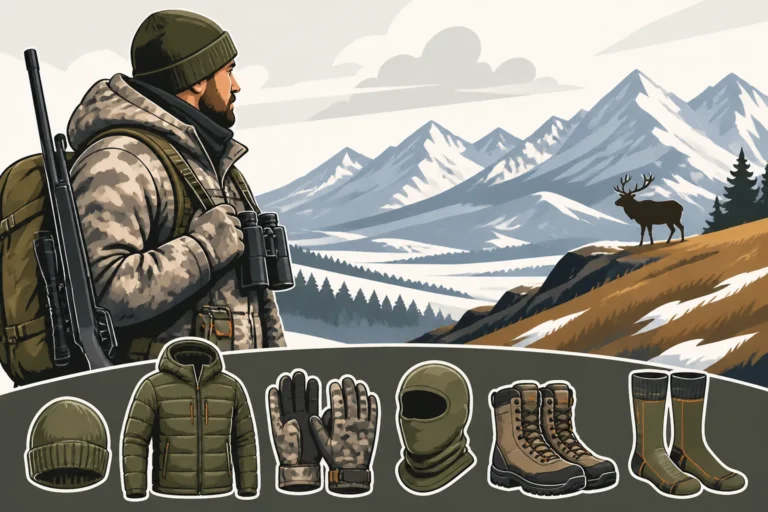
- Gloves and Hats: Various options for different temperatures, including thin liners, warm insulated gloves, and a warm hat.
The goal is to be able to add or shed layers quickly to regulate your body temperature, preventing both overheating and chilling. Remember, cotton kills in the backcountry; stick to wool and synthetics.
Backpacks and Essential Tools
Your backpack is your lifeline, carrying everything you need to survive and operate in the remote high country.
- Backpack: A durable, comfortable backpack with a strong frame and good load-hauling capacity (60-80 liters) is essential. You'll need to carry not only your gear but potentially heavy meat and a trophy if successful. Look for packs with integrated or separate meat shelf designs from companies like Mystery Ranch, Kifaru, or Stone Glacier. They might seem expensive, but a pack failure deep in the backcountry can be catastrophic. Our Montana Backcountry Hunting Gear List provides a comprehensive rundown.
- Navigation Tools: GPS device (like a Garmin inReach or Alpha) or a reliable smartphone app with downloaded maps (like onX Hunt), physical maps, and a compass. Know how to use them all, even if your primary device fails.
- Shelter and Sleep System: A lightweight, durable tent or bivy sack, a warm sleeping bag (appropriate for anticipated low temperatures), and an insulated sleeping pad.
- Water Filtration: A reliable water filter or purification tablets. Water sources can be scarce or contaminated.
- First-Aid Kit: Comprehensive and tailored for backcountry emergencies, including blister care, pain relievers, and trauma supplies.
- Survival Gear: Fire starter, headlamp with extra batteries, signaling mirror, whistle, knife, cordage, and emergency bivy.
- Trekking Poles: These are often overlooked but are absolute game-changers for stability, balance, and reducing strain on your knees, especially on steep ascents and descents with heavy loads.
Remember that every ounce counts when hunting in vertical terrain. Pack smart, pack light, but never compromise on essential safety or survival gear.
Mastering the Mountains: Hunting Strategies and Approach
Hunting bighorn sheep and mountain goats in Montana demands a very specific set of skills and a methodical approach. It's not about covering miles quickly; it's about covering them smartly, deliberately, and with an acute awareness of your surroundings.
The Art of Glassing and Locating Animals
More often than not, a sheep or goat hunt is a glassing hunt. These animals are often miles away, tiny white or brown specks against vast rock faces. Success hinges on your ability to patiently and thoroughly scan immense landscapes with your binoculars and spotting scope.
Start your glassing sessions early in the morning, right at first light, and continue until well after sunset. Animals are often most active during these cooler periods. Find a high vantage point that offers expansive views of known sheep or goat habitat: steep, rocky slopes, alpine basins, and timberline areas. Break down the landscape into small, manageable grids and systematically sweep your optics across each section, looking for anything that seems out of place – a patch of white that isn't snow, a horizontal line where everything else is vertical, or movement. Spend extended periods observing anything you find; sometimes what looks like a rock at first glance will eventually reveal itself to be a bedded animal. Remember that mountain goats often blend surprisingly well with snow, even their white coats can disappear against sun-drenched rock. Take your time, be patient, and let your optics do the work. This method is similar to how you would How to Glass Montana's Big Country for other species, but with an even greater emphasis on vertical terrain.
Executing the Stalk and Ethical Shot Placement
Once an animal is located, the real challenge begins: planning and executing a stalk in truly unforgiving terrain. This is where safety becomes paramount, and a methodical approach is vital.
Before you even think about moving, spend time studying the animal's location, its behavior, the terrain between you and it, and the wind direction. Identify potential approach routes that offer cover and minimize your profile. Often, this means navigating treacherous scree fields, climbing steep rock bands, or descending into deep drainages only to climb back out. Always consider escape routes and potential hazards. Mountain weather can change in an instant, turning a dry rock face into a slick, icy death trap. Prioritize safety over speed.
When you get within range, your shooting position must be stable. The angles in mountain hunting are rarely flat, so understanding angle compensation on your rangefinder is critical. Practice shooting at extreme uphill and downhill angles before your hunt. For sheep and goats, shot placement is typically a broadside lung shot, just like with deer or elk. However, due to their thick coats and robust musculature, aim slightly lower and forward than you might think. A clean, ethical kill is always the goal, and a well-placed shot on these tough animals prevents a potentially dangerous recovery in even more difficult terrain. If possible, avoid shots that might send the animal tumbling into an inaccessible canyon.
Physical and Mental Fortitude
Hunting Montana's sheep and goats is as much a test of your body and mind as it is your hunting skills. The physical demands are immense, and the mental grind can be just as taxing.
Conditioning for Extreme Mountain Terrain
You absolutely cannot fake fitness on a sheep or goat hunt. The vertical nature of their habitat requires exceptional cardiovascular endurance, leg strength, and overall athleticism. Start your physical preparation months, if not a year, in advance.
Your training regimen should mimic the demands of the hunt. Incorporate activities like:
- Uphill Hiking with Weight: Load up your hunting pack with 30-50 pounds and hike steep trails or stairs. Gradually increase the weight and duration.
- Stair Climber/Incline Treadmill: Excellent for building leg strength and endurance when outdoor trails aren't accessible.
- Strength Training: Focus on compound movements like squats, lunges, deadlifts, and core exercises. Don't neglect upper body strength, as you'll be pulling yourself up steep slopes and packing heavy loads.
- Cardio: Mix in long, steady-state cardio sessions (running, cycling) with high-intensity interval training (HIIT) to improve your anaerobic capacity.
- Balance and Agility: Practice traversing uneven terrain to strengthen stabilizer muscles and prevent falls.
Don't forget to break in your boots during your training hikes. Blisters are hunt killers. Altitude acclimatization is also crucial if you're coming from sea level. Arrive in Montana a few days early if possible, and spend time hiking at progressively higher elevations. A comprehensive Montana Elk Hunt Fitness Plan can provide a great foundation, even if your target species is different.
Mental Resilience and Backcountry Safety
Beyond the physical, a sheep or goat hunt will test your mental resilience. The extreme effort, the constant discomfort, the potential for dangerous situations, and the high likelihood of not even seeing an animal can take a significant toll.
- Positive Mindset: Cultivate a strong, positive mental attitude. Understand that there will be setbacks, bad weather, and moments of doubt. Learn to push through discomfort and focus on the task at hand. Visualization techniques can be helpful; imagine yourself successfully navigating terrain or making a precise shot.
- Patience and Perseverance: These hunts are rarely quick. You'll spend days hiking, glassing, and waiting. Be prepared for a long grind.
- Risk Assessment: The mountains are beautiful but unforgiving. Always be evaluating risks: weather changes, unstable slopes, potential rockfall, dehydration, hypothermia, or falls. If a situation feels too dangerous, it probably is. There's no animal worth risking your life for.
- Buddy System: If possible, hunt with a partner. Two sets of eyes are better than one, and having someone to share the load, both physically and mentally, can make a huge difference. They can also assist in an emergency.
- Communication: Carry a satellite communication device (like a Garmin inReach or Zoleo) to stay in touch with loved ones and call for help if needed. Cell service is non-existent in much of Montana's high country.
- Emergency Preparedness: Know basic wilderness first aid and carry a comprehensive kit. Understand how to build an emergency shelter, start a fire in wet conditions, and signal for help. Review our Montana Backcountry Hunting Safety Tips before heading out.
The mental aspect is often what separates successful high-country hunters from those who give up when the going gets tough. Be prepared to suffer, embrace the challenge, and find joy in the journey, even if it doesn't end with a tag.
Field Care and Trophy Preservation
The moment of truth arrives, and you've harvested a bighorn sheep or mountain goat in the rugged Montana high country. Now, the real work begins. Properly caring for the meat and preserving the trophy are critical, especially given the remote and challenging nature of these hunts.
Quartering and Protecting Your Meat in Remote Terrain
Getting the meat off the mountain swiftly and efficiently is paramount, particularly if temperatures are warm. These animals are usually found far from any trail or road, making a quick pack-out a major logistical challenge.
- Field Dressing: Begin by field dressing the animal quickly to allow the carcass to cool. Remove the internal organs immediately.
- Quartering: For sheep and goats, the bone-in quartering method is often the most practical, especially if you plan to pack it out yourself. This involves separating the animal into four quarters (front and hind legs), the backstraps, tenderloins, neck meat, and rib meat. For a more detailed process, reference our guide on How to Quarter an Elk in the Montana Backcountry, as many principles apply.
- Cooling and Airflow: Once quartered, get the meat off the ground and hang it in game bags (synthetic game bags are highly recommended to keep flies off while allowing airflow). Choose a shady, cool spot, ideally where there's a breeze. Even if the temperatures are cool, proper airflow is vital to prevent spoilage. You might even use a small, battery-operated fan in a well-ventilated meat shed if you have a base camp setup.
- Pack Out Strategy: Plan your pack-out carefully. You may need multiple trips or assistance from hunting partners. The meat from a bighorn sheep or mountain goat, while smaller than an elk, is still a significant load in addition to your gear, especially over steep, uneven terrain.
Keeping the meat clean and cool is your top priority. If the weather is warm, consider packing out immediately, even if it means a grueling overnight hike.
Caping and Handling Your Trophy
If you're fortunate enough to take a ram or a billy, preserving the hide and skull for taxidermy is a crucial step. Improper caping or handling can ruin a mount.
- Caping for a Shoulder Mount: For a shoulder mount, you'll need to cape the animal by making incisions carefully. Start by cutting a circle around the body behind the front legs. Then make an incision along the back from this circle up to the base of the skull. From the base of the skull, cut down the back of the neck to meet the first incision. You'll also need to skin out the legs to the knee/hock, cutting off the hide there, and carefully skin around the horns, eyes, nose, and mouth. The goal is to remove the hide with plenty of extra material for the taxidermist.
- Skull Plate: For a European mount, you'll remove the skull from the spine. For a full shoulder mount, you typically leave the skull attached to the hide.
- Cooling and Salting: After caping, flesh the hide as much as possible to remove excess fat and muscle. Then, thoroughly salt the hide with non-iodized salt. Rub the salt vigorously into all parts of the hide, paying extra attention to the face, ears, and edges. Roll it up with the salted side in and place it in a breathable bag. You'll need to repeat the salting process after a day or two, scraping off the old moisture-laden salt and applying fresh salt.
- Transportation: Keep the hide and skull cool and dry during transport. Avoid direct sunlight. If you're backpacking, the hide can add significant weight and bulk. Consider splitting loads with a partner or making multiple trips. For the final journey home, ensure the hide is thoroughly salted and dried or frozen, especially if shipping it to a taxidermist.
It's highly advisable to watch videos or consult with an experienced taxidermist before your hunt to understand the proper caping techniques. Mistakes made in the field are often irreversible.
Disclaimer
Hunting in Montana involves inherent risks, including but not limited to adverse weather conditions, dangerous terrain, wildlife encounters, and physical exertion. The information provided in this guide is for informational purposes only and should not be considered a substitute for professional advice, local regulations, or personal research. Always consult the most current Montana Fish, Wildlife & Parks (FWP) regulations, obtain appropriate licenses and permits, and prioritize safety above all else. Engaging in any hunting activity requires personal responsibility, sound judgment, and adherence to all applicable laws.