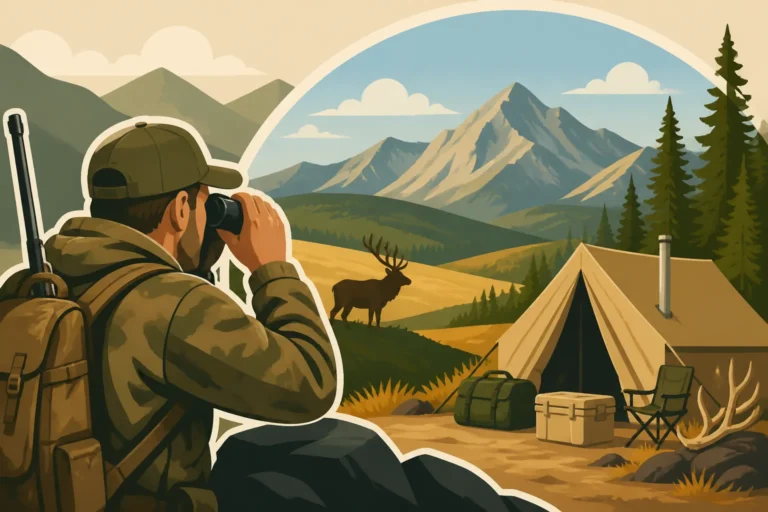
Best Montana Outfitters for Bowhunters
Finding the perfect outfitter for a Montana bowhunt can feel like trying to hit a moving target in thick timber – overwhelming, full of unknowns, and crucial for success. As a bowhunter, your needs are distinct from rifle hunters, demanding a guide who truly understands the nuances of close-quarters encounters with elk. This comprehensive guide will walk you through what makes an outfitter excel for bowhunters, what critical questions to ask, and how to pinpoint the best options for your next archery adventure in Big Sky Country.
Why Bowhunting Requires a Specialized Outfitter in Montana
Bowhunting isn't just a different weapon; it's an entirely different approach to hunting. In Montana's vast and challenging terrain, an outfitter who truly specializes in archery can make or break your hunt. They understand the intricacies that set bowhunting apart and can tailor their strategies to maximize your chances of success.
The Unique Challenges of Archery Season
Montana's archery season, often stretching from early September into October, presents a unique set of challenges compared to the general rifle season. The weather can be anything from blazing hot to freezing cold and snowy, sometimes all in the same week. Elk behavior is also different – you might encounter them in their summer patterns, transitioning into pre-rut, or in the very beginnings of the rut. This means an outfitter needs to be versatile, able to adapt to elk that might be relatively quiet or just starting to vocalize.
Unlike rifle hunting, where a shot might be taken at hundreds of yards, bowhunting demands getting within a mere 60 yards, often much closer. This requires a level of stealth, patience, and intricate knowledge of elk movement that not all guides possess. You’re not just looking for elk; you're looking for an elk that will allow you to get into a prime shooting lane, undetected, with the wind in your favor. This close-range game is what truly defines a successful archery hunt.
Furthermore, the early season can mean thicker foliage, which can be both a blessing for cover and a curse for shot opportunities. Water sources and wallows become magnets for elk, especially during warmer spells. An outfitter specializing in archery will know these early season hot spots and understand how to navigate the denser timber to approach animals silently. They'll have a keen eye for subtle elk sign that might be missed by someone focused on more open country or longer-range encounters.
The mental game of bowhunting is also a significant factor. The extreme patience required, the inevitable close calls, and the physical demands of stalking silent animals means a guide needs to be as much a coach as they are a tracker. They understand the frustration when a shot doesn't present itself and can keep your spirits high, guiding you through the process rather than just pointing you at an animal.
Guiding Expertise for Close-Quarters Encounters
A guide for bowhunters needs a very specific skill set that emphasizes patience, silence, and precise animal behavior knowledge. They aren't just driving you to a glassing knob; they are often crawling through the brush right alongside you. This demands an intimate understanding of Montana Archery Elk Hunting Guide tactics, from the right calling sequences to reading micro-thermals in dense timber.
For example, calling elk for a bowhunter is a completely different art form than calling for a rifle hunter. The goal isn't just to get an elk to respond; it's to bring that elk into a specific shooting window, broadside, within bow range. This means understanding exactly when to bugle, when to cow call, when to rake a tree, and how to set up the shot scenario so the elk is focused on the caller, allowing the shooter to draw undetected. How to Call Elk in Montana delves deeper into these specific tactics.
Stalking is another critical component. A bowhunting guide must be a master of silent movement, reading terrain to hide your approach, and using natural cover to their advantage. They understand how a slight shift in wind can blow a stalk, or how to use a gully or ridge to get you into position. It's about chess, not checkers, anticipating the animal's next move and positioning you for success.
Beyond the actual hunt, a specialized outfitter understands the gear nuances for bowhunters. They might have insight into broadhead performance, arrow setups, or even specific camouflage patterns that blend best in their particular hunting areas. They'll know the importance of a lightweight pack for quiet movement and what essentials a bowhunter needs when going deep into the backcountry.
Key Qualities to Look for in a Bowhunting Outfitter
When you're sifting through outfitters for your Montana archery hunt, it's not enough to just pick one with a high "success rate." You need to dig deeper and look for specific indicators that they truly cater to the bowhunting community and understand the unique demands you'll face.
Proven Archery Success Rates and Methods
The first thing you should inquire about is not just their overall success rate, but specifically their archery success rate. A general success rate might be heavily skewed by rifle hunters, which doesn't accurately reflect their expertise in the bow season. Ask for references from past bowhunting clients. Speak to those clients about their experiences: Did the guides understand archery shots? Did they prioritize getting within bow range? Were they patient and knowledgeable about the specific challenges?
Beyond the numbers, ask about their primary bowhunting methods. Do they focus on Montana Elk Hunting: Calling Tactics? Are they masters of Montana Elk Hunting: Spot-and-Stalk Tactics? Do they utilize ground blinds on water holes or wallows, especially during warmer, drier periods? Understanding their typical approach will tell you if it aligns with your preferred style of hunting and what you hope to experience. Some outfitters might specialize in wilderness pack-in hunts, which could be perfect if you're looking for a truly immersive experience, while others might focus on accessible public lands or private ranch opportunities.
You can often find initial information and begin your research on platforms like BookYourHunt, where many reputable Montana outfitters list their services and provide details about their archery offerings. This can be a great starting point to compare different approaches and narrow down your options before making direct contact. Remember, a high success rate often comes from combining expert guiding with a solid understanding of the territory and elk behavior, so look for a balance of all these factors.
Terrain Knowledge and Elk Behavior for Bowhunters
For a bowhunter, intimate knowledge of the terrain is paramount. Your guide needs to know not just where the elk are generally, but how they move through specific drainages, across ridges, and in and out of bedding areas, especially during the early season. They should be able to read the land for subtle funnels, pinch points, and natural travel corridors that might bring an elk within bow range.
Understanding elk behavior during the archery season is also critical. Early season elk can be quieter than during the peak rut. A specialized outfitter knows how to adapt their calling and stalking strategies based on whether the bulls are still in bachelor groups, starting to disperse, or just beginning to respond to calls. They'll know the difference between a curious spike and a herd bull that's ready to challenge. This means understanding feeding patterns, bedding locations, and the impact of weather on their movements. Montana Elk: Where to Find Them can give you an idea of the varied habitats across the state.
An expert bowhunting guide will also have an uncanny ability to read the wind and thermals. In mountainous terrain, thermals can shift dramatically throughout the day, rising in the morning and falling in the evening. A guide needs to anticipate these shifts to ensure you maintain the wind advantage during a stalk or when setting up for a call-in. A simple miscalculation can send your quarry bolting before you even get a chance to draw your bow. They know that in bowhunting, the wind isn't just a factor; it's the factor.
Gear, Logistics, and Animal Care for Bowhunting
The logistical side of a bowhunt often involves going deeper into the backcountry, far from roads, to find less pressured animals. This means your outfitter should be well-versed in Montana Backcountry Hunting Guide protocols. Ask about their packing system for getting you and your gear into camp, and more importantly, for getting your animal out. Hauling an entire elk out of steep country with traditional backpack methods is a monumental task, and a good outfitter will have a clear, efficient plan for quartering and packing. How to Pack Out an Elk in Montana is a vital skill your outfitter and guides should possess.
Consider the gear they recommend or provide. Do they have good quality optics for glassing (which is crucial for spot-and-stalk)? Do they recommend specific footwear for quiet stalks? What about camp setup – is it comfortable enough for a multi-day backcountry stay? Your Montana Backcountry Hunting Gear List should align with their logistical capabilities and expectations. A truly bowhunter-focused outfitter will understand the necessity of quiet clothing, scent control, and even the best type of knife for field dressing in challenging conditions.
Finally, proper animal care in the field is paramount, especially during the often warmer early archery season. Ask about their methods for keeping meat cool and clean, particularly if you're deep in the wilderness for several days. This includes a plan for rapid field dressing, quartering, and potentially hanging meat to air cool, or even having game bags that offer protection and breathability. No one wants to risk meat spoilage after all that effort.
Top Regions and Districts for Montana Bowhunting Opportunities
Montana is a vast state with incredible diversity, offering a range of bowhunting experiences from rugged mountain wilderness to sprawling eastern plains. The "best" region for you will depend on your physical capabilities, desired hunting style, and target species.
Wilderness and Backcountry Hotspots
For the adventurous bowhunter seeking a truly wild experience, Montana's designated wilderness areas and extensive national forest lands offer unparalleled opportunities. Areas like the Bob Marshall Wilderness Complex or portions of the Beaverhead-Deerlodge and Custer Gallatin National Forests are legendary for their elk populations and remote hunting. Outfitters specializing in these areas often run pack-in camps, utilizing horses or mules to get deep into roadless territory. Montana Wilderness Area Hunting can be incredibly rewarding, offering less pressured animals and a true sense of solitude.
In these remote locations, bowhunting methods often revolve around covering vast amounts of ground on foot, Montana Elk Hunting: Spot-and-Stalk Tactics, and utilizing calling setups near bedding areas or water sources. The terrain can be brutal – steep climbs, dense timber, and unpredictable weather. Outfitters in these areas will typically emphasize physical fitness and mental toughness, as the hunt itself is an endurance challenge. They'll also be expert navigators, using maps, GPS, and tools like GoHunt to pinpoint potential elk strongholds and plan their routes.
Opting for an outfitter in these backcountry hotspots means embracing the challenge of a true wilderness hunt. You'll likely be staying in wall tents or spike camps, far from any amenities. The reward is the chance at a truly wild, unpressured bull, and an experience that will test your limits and forge unforgettable memories. These hunts are often booked years in advance due to their popularity and the limited number of permits.
Accessible Public and Block Management Areas
Not every bowhunt needs to be a grueling backcountry epic. Many excellent bowhunting opportunities exist on more accessible public lands, including Bureau of Land Management (BLM) tracts and State Trust Lands. Some outfitters specialize in leveraging these areas, often focusing on scouting and knowing the nuances of elk and deer movement in areas that might see more human presence. This can be ideal for hunters looking for a guided experience without the extreme physical demands of a deep wilderness expedition.
Montana's Block Management Areas (BMAs) also present fantastic opportunities for bowhunters, sometimes managed by outfitters who have agreements with landowners. BMAs are private lands that the state leases for public hunting access, and they often hold good numbers of elk, mule deer, and antelope. How to Use Block Management for DIY Hunts generally outlines the process, but outfitters can sometimes coordinate access or guide within these areas, providing local expertise on how animals utilize these private/public mosaic landscapes.
An outfitter focusing on these more accessible areas might employ different tactics, such as setting up ground blinds near known water sources during warm periods for antelope or mule deer bowhunts, or focusing on ambushing elk as they transition between private agricultural lands and public timber. They understand how to navigate areas with slightly more pressure, focusing on early morning and late evening movements when animals feel safest. This can be a great option for bowhunters looking for a solid opportunity without the intense logistical challenges or costs associated with deep wilderness hunts.
How to Vet and Select Your Montana Bowhunting Outfitter
Choosing the right outfitter for your Montana bowhunt is a significant decision. It's an investment of time, money, and emotional energy, so you want to ensure you're making an informed choice. Don't rush the process; thorough research and clear communication are key.
Researching and Interviewing Potential Outfitters
Start your research early, ideally a year or more in advance, especially for popular outfitters. Begin by searching online directories and platforms like BookYourHunt, which can give you a broad overview of available options and their specialties. Once you've identified a few potential candidates, it's time to dig deeper. How to Choose a Montana Hunting Outfitter details many of these steps.
When you contact an outfitter, treat it like an interview. Come prepared with a list of detailed questions. Some crucial inquiries for bowhunters include:
- What is your specific archery success rate for the last 3-5 years, and how does that compare to your rifle success rate?
- What percentage of your clients are bowhunters?
- What are your primary bowhunting tactics? (e.g., calling, spot-and-stalk, tree stands, ground blinds)
- What is the typical shot distance for bowhunters in your area?
- What is the guide-to-hunter ratio for archery hunts? (For bowhunting, a 1:1 ratio is often preferred due to the close quarters and specialized guiding involved).
- What kind of physical shape do hunters need to be in for this type of hunt?
- What kind of terrain can I expect? (e.g., steep mountains, rolling hills, open plains, thick timber)
- What are the accommodations like? (e.g., lodge, wall tents, spike camps)
- What is included in the price (food, lodging, guide, transportation during hunt, field dressing, meat retrieval, caping)? What is not included?
- Can you provide a list of recent bowhunting references?
Always call the references provided by the outfitter. Ask specific questions about their experience: Was the guide knowledgeable about bowhunting? Did they feel well-prepared? How was the food and lodging? What were the toughest challenges? These conversations are invaluable for getting an unfiltered perspective. Questions to Ask a Montana Outfitter goes into even more detail about comprehensive inquiries.
Understanding Contracts, Expectations, and Contingencies
Once you've settled on an outfitter, a clear contract is essential. Read every line carefully. It should detail all services, costs, payment schedules (including deposits), cancellation policies, and what happens in unforeseen circumstances (e.g., severe weather, injury). Understand their refund policy for deposits if you have to cancel for any reason, as these can vary widely.
Set realistic expectations for your hunt. Even with the best outfitter, bowhunting is inherently challenging, and success is never guaranteed. Focus on the experience, the learning, and the pursuit, rather than solely on punching your tag. Discuss your personal goals with the outfitter – are you looking for a trophy bull, or is filling your freezer the priority? This helps them tailor the hunt to your objectives.
Finally, consider contingencies. What if you get injured? What if the weather turns extreme? What is the plan for meat retrieval if you get an animal far from camp? A professional outfitter will have clear answers and established protocols for these situations. Clear communication from the outset about expectations, capabilities, and any potential issues will ensure a smoother, more enjoyable hunt, regardless of the outcome.
Key Considerations for Montana Bowhunting Outfitters
| Feature | Description for Bowhunters | Why It Matters |
|---|---|---|
| Archery Focus | Specializes in bowhunting; dedicated archery guides, not just rifle guides. | Different skill set required (calling, stalking, silence, closer shots). |
| Guide-to-Hunter Ratio | Ideally 1:1 or 1:2. | Ensures personalized attention, quieter movement, better shot setups. |
| Success Rates | Ask for archery-specific success rates and actual harvest numbers. | General rates can be misleading; focus on bowhunting performance. |
| Methods & Tactics | Employs calling, spot-and-stalk, and understands elk movement during early season. | Directly impacts your opportunity to get within bow range. |
| Terrain Knowledge | Intimate knowledge of local topography, thermals, water sources, and bedding areas. | Critical for silent approaches, wind management, and finding elk. |
| Physical Demands | Clear communication on fitness required for the hunt, especially for backcountry. | Avoids mismatches in expectations and ensures safety. |
| Gear & Logistics | Provides or advises on appropriate gear, efficient game retrieval plan (pack out). | Essential for comfort, safety, and proper care of your harvest. |
| References | Provides recent bowhunting client contacts. | Direct feedback from others who have experienced their archery hunts. |
| Contract Clarity | Comprehensive contract detailing costs, services, inclusions/exclusions, cancellation policy. | Protects your investment and sets clear expectations. |
Disclaimer
This article is for general informational purposes only and does not constitute professional advice. Laws, prices and regulations vary by location and change over time. Consult a qualified professional for guidance on your specific situation.