Montana Outfitter Base Camps Explained
Embarking on a guided hunt in Montana is a dream for many, but the sheer variety of options can be a little overwhelming. One term you'll hear a lot is "base camp," and if you're picturing a simple canvas tent and a cooking fire, you might be surprised by the range of experiences it actually encompasses. This guide is here to demystify outfitter base camps in Montana, helping you understand what they are, what they offer, and how to choose the perfect one for your hunting adventure.
What Exactly is a Montana Outfitter Base Camp?
When an outfitter talks about their "base camp," they're referring to the central hub for their guided hunting operations in a specific area. It's much more than just a place to sleep; it's where the hunting plans are laid, meals are shared, and the day's successes (or challenges) are recounted. Think of it as your home-away-from-home in the wilderness, providing the necessary infrastructure to support a multi-day hunting excursion. It serves as the primary logistical anchor, a place where hunters and guides can return to resupply, regroup, and recharge before heading back into the field.
The Core Concept: Home Away From Home
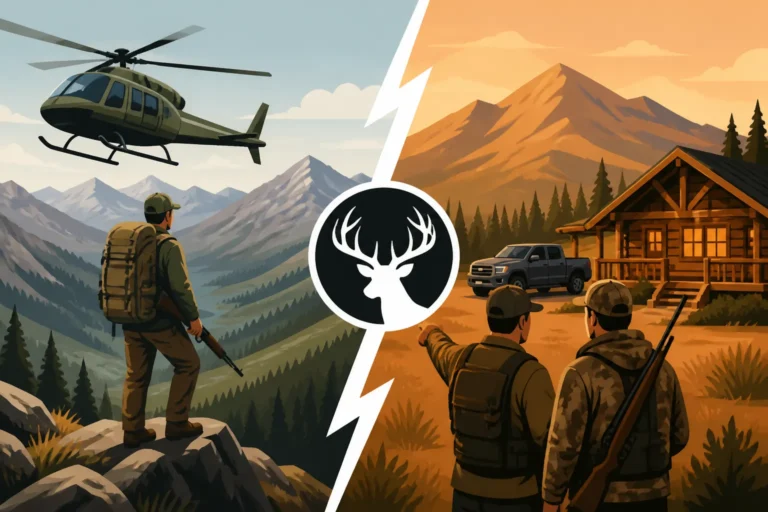
At its heart, a Montana outfitter base camp is designed to provide comfort and stability in what can often be a rugged environment. Unlike a self-supported backpacking trip where every item is carried on your back, a base camp allows for more extensive gear, better food, and generally a more relaxed off-the-hunt experience. It's the place you start your day from and return to, offering a consistent point of reference, especially important for those venturing into unfamiliar territory. This core concept contrasts sharply with Montana Drop Camp Hunts Explained, where hunters are often simply provided with gear and transportation, then left to manage their own camp and hunting efforts.
This "home away from home" doesn't necessarily mean luxury, but it does mean a reliable spot to dry wet gear, get a hot meal, and sleep soundly. It allows hunters to focus their energy on the hunt itself, rather than worrying about daily camp chores like setting up tents, filtering water, or cooking elaborate meals. For many, this level of support is exactly what they need to maximize their hunting opportunity in Montana's vast landscapes.
Common Features and Amenities
The amenities at a Montana outfitter base camp can vary wildly, from somewhat rustic to surprisingly lavish. Understanding what's typically included will help manage your expectations and ensure you pick a camp that aligns with your comfort level.
Most base camps will offer some form of comfortable sleeping arrangements. This could be spacious wall tents with wood-burning stoves for warmth, sturdy cabins with multiple bunks, or even comfortable lodge rooms. The goal is to provide a dry, warm place to rest after a long day in the field. Beyond sleeping quarters, you can almost always expect hearty, home-cooked meals. Outfitters know that a well-fed hunter is a happy and effective hunter, so breakfast is usually substantial, lunches are packed to take into the field, and dinner is a highlight, often featuring camp favorites or even wild game.
Showers and privy facilities are also common, though their sophistication will vary. Some camps might have dedicated shower tents with on-demand hot water, while others might rely on a solar shower bag or offer limited facilities. Communication options might be available, such as satellite phones or Wi-Fi, especially in more front-country locations, which can be crucial for staying connected or in case of emergencies. Finally, a common area for gathering, sharing stories, and planning the next day's hunt is a staple, fostering camaraderie among hunters and guides. How to Set Up a Montana Elk Camp often involves many of these same considerations, scaled up for an outfitter's needs.
The Different Flavors of Montana Base Camps
Just like Montana itself, outfitter base camps come in a variety of "flavors," each offering a distinct experience. Your choice will largely depend on your desired level of adventure, physical capability, and budget. Understanding these differences is key to finding the right fit for your Montana Elk Hunting Outfitters Guide or other big game adventure.
Rustic Wilderness Camps (Pack-in)
For the hunter who truly wants to get away from it all and immerse themselves in the wild, rustic wilderness base camps are the ultimate choice. These camps are typically located deep within national forests or designated wilderness areas, often many miles from the nearest road. Access is usually by horseback, mule train, or on foot, requiring a significant pack-in effort. You can learn more about this style of hunting in our Montana Backcountry Hunting Guide.
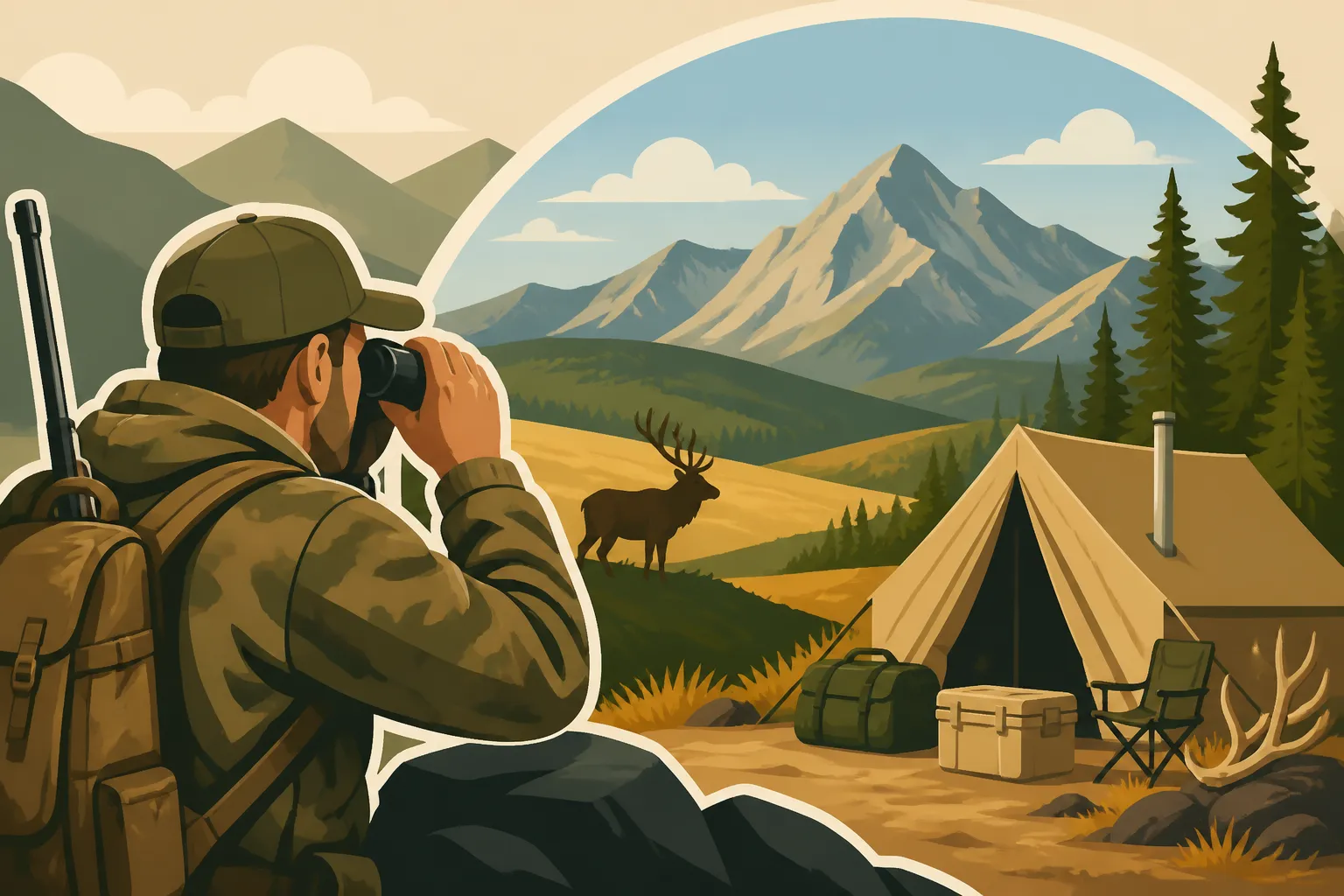
These camps usually consist of sturdy canvas wall tents, possibly with a separate cook tent and a communal gathering tent. While they offer more comfort than a spike camp, amenities are basic. Think wood stoves for heat, lanterns for light, and an outhouse for facilities. The focus here is on the raw, untamed experience of hunting in remote country. The advantage is significantly reduced hunter pressure and access to areas where large, mature animals often thrive due to less human disturbance. Days typically involve long hikes, challenging terrain, and a deep appreciation for the solitude of the Montana backcountry. How to Pack Into the Montana Backcountry details the kind of effort involved for both hunters and outfitters to establish and run these remote operations.
Drive-In Roadside Camps (Front-Country)
On the other end of the spectrum are the drive-in or front-country base camps. These are easily accessible by vehicle, often located near main roads or at the edge of public land trailheads. They offer a much higher level of convenience and comfort, making them popular for those who prefer not to undertake a strenuous pack-in or have physical limitations.
Accommodations at drive-in camps can range from well-appointed wall tents to more permanent cabins or even small lodges. They almost always have more consistent power, hot showers, and sometimes even cell service or Wi-Fi. The meals are often more varied and elaborate, and the overall atmosphere might feel a bit more like a vacation lodge. The hunting from these camps typically involves driving to trailheads each morning, then hiking or riding horses into surrounding areas. While these areas can sometimes see more hunting pressure due to easier access, good outfitters know how to utilize vast public land systems or private land access to get hunters into productive areas. This is often a great option for those looking for Best Montana Districts for a First Elk Hunt because the logistical burden is much lower.
Lodge or Ranch-Based Operations
For hunters seeking the utmost in comfort, luxury, and often exclusive access, lodge or ranch-based operations are the premium choice. These are generally found on or adjacent to large private ranches, offering a "five-star" hunting experience. They combine exceptional accommodations with access to prime hunting grounds, often reducing the physical demands of the hunt.
Lodge-based camps feature comfortable rooms, private baths, gourmet meals, and often amenities like game rooms, fireplaces, and dedicated drying rooms. The hunting experience might involve a mix of private and public land access, with guides often utilizing ATVs or trucks to get hunters to strategic drop-off points before continuing on foot. These hunts are often highly successful due to controlled access and careful management of game populations. They are an excellent option for those interested in Montana Ranch Hunts Explained or who prefer a less physically demanding experience. While the cost is typically higher, the level of service and comfort is unparalleled, making it a truly memorable and often highly productive hunting trip.
What to Expect: Daily Life and Logistics at a Base Camp
Once you've chosen the type of base camp that suits you, it's helpful to understand the rhythm of daily life and the logistical support that an outfitter provides. This insight helps you prepare mentally and physically for the hunt. What to Expect on a Guided Montana Elk Hunt can give you even more context on the day-to-day.
A Typical Day in Camp
Life at a Montana outfitter base camp generally follows a predictable, efficient routine designed to maximize hunting time. Your day will start early, often well before dawn, with the aroma of coffee brewing and breakfast cooking. A hearty breakfast is crucial fuel for the day ahead, whether you're climbing mountains or still-hunting timber. After a quick meal, you'll grab your pre-packed lunch and head out with your guide. Depending on the terrain and hunting strategy, this might involve a short walk from camp, a horseback ride, or a drive to a trailhead.
The bulk of your day will be spent actively hunting, glassing, calling, or tracking. Guides work tirelessly to put you in the best position for success, adapting strategies based on animal movement, weather, and your physical capabilities. You'll eat your packed lunch in the field, grabbing a quick bite to maintain energy. As evening approaches, you'll typically make your way back to camp, often after dark, tired but hopefully exhilarated. Dinner is a time for sharing stories, reviewing the day's events, and discussing plans for the next morning. It's also a great opportunity for camaraderie, building bonds with your fellow hunters and guides.
Guides, Staff, and Support Systems
The success of any guided hunt from a base camp hinges heavily on the dedicated team running it. Your primary point of contact will be your hunting guide, who is responsible for finding game, navigating the terrain, tracking, and ensuring your safety. These individuals possess a wealth of local knowledge, understanding animal behavior, habitat, and the nuances of the hunting district. They're often seasoned veterans who live and breathe hunting.
Beyond your personal guide, base camps often have a broader support system. A camp cook keeps everyone well-fed, often waking even earlier than the guides to prepare breakfast. In horse-supported camps, wranglers are essential for managing the horses and mules, ensuring they are healthy and ready for daily trips into the backcountry. General camp jacks help with chores like cutting firewood, keeping tents tidy, and assisting with various tasks. This collective effort allows hunters to focus solely on the hunt, knowing that all the critical logistics are being expertly handled. It's a huge benefit compared to Montana DIY Elk Hunting Guide where you're responsible for everything.
Gear Storage, Meat Care, and Field Processing
Proper gear management and meat care are vital aspects of any successful hunt, and a good base camp excels at these logistical challenges. Most camps will have dedicated areas for storing hunting gear, ranging from boot dryers to secure places for rifles and bows. Keeping your equipment organized and in good working order is essential for a productive hunt.
When it comes to a successful harvest, the camp's ability to handle game is paramount. Guides are experts in field dressing and quartering animals, often doing the initial breakdown on the spot where the animal fell. Back at camp, outfitters will have established systems for cooling and protecting the meat. This might include large walk-in coolers, hanging sheds, or even portable refrigeration units, especially important for early-season hunts where temperatures can be warm. Ensuring meat is cooled quickly and kept clean is critical for preserving its quality. The outfitter will coordinate with local meat processors for cutting, wrapping, and freezing, and will often help with packaging for your journey home. This comprehensive approach to meat care is a significant advantage of a guided hunt. How to Keep Elk Meat Cool in Montana's Early Season is a critical skill for any hunter, and outfitters make it their priority.
Choosing the Right Base Camp for Your Montana Hunt
Selecting the ideal base camp is a crucial step in planning your Montana hunting adventure. It's about matching the outfitter's offerings with your personal goals, expectations, and capabilities. Platforms like GoHunt and BookYourHunt are excellent resources for researching outfitters and reading reviews to get a sense of their camp styles and services.
Matching Camp Style to Your Hunting Goals
Before you even start looking at specific outfitters, take some time to honestly assess what you want from your hunt. Are you a physically fit, experienced hunter craving a true wilderness experience, willing to rough it for a shot at a trophy bull in remote country? Then a rustic, pack-in wilderness camp might be your dream. Do you prefer comfort, a good shower at the end of the day, and easier access, perhaps prioritizing a successful meat hunt over a grueling trek? A drive-in or lodge-based camp would likely be a better fit.
Consider your physical fitness level. Wilderness camps often involve long, strenuous days of hiking at elevation. Lodge-based hunts might still involve walking, but generally less demanding terrain and overall mileage. Think about your hunting experience too; beginners might appreciate the added support and amenities of a more established camp, while seasoned veterans might seek the solitude of a remote tent camp. Your budget will also play a significant role, as lodge-based hunts typically come with a higher price tag than more rustic options.
Key Questions to Ask Your Outfitter
Once you've narrowed down your preferred camp style, it's time to start talking to outfitters. Don't be shy about asking detailed questions. A reputable outfitter will appreciate your thoroughness. Here are some critical inquiries:
- Accommodation Details: What specifically are the sleeping arrangements? (e.g., individual wall tents, shared cabins, private rooms). What heating and lighting are provided?
- Meal Service: What kind of food can I expect? How are dietary restrictions handled?
- Guide-to-Hunter Ratio: What is the guide-to-hunter ratio? (1:1 or 1:2 is common and usually preferred).
- Game Care: How is game handled once harvested? Do you have coolers, hanging facilities, or a processing agreement? What's the process for getting meat home?
- Communication: Is there any cell service or Wi-Fi in camp? What are the emergency communication procedures?
- Inclusions/Exclusions: What exactly is included in the price? What additional costs should I budget for (e.g., licenses, meat processing, taxidermy, tips, transportation to camp)?
- Camp Size: How many hunters are typically in camp at one time?
- References: Can you provide references from past clients, especially those who hunted in the same area or season?
Asking these questions will help clarify expectations and prevent any unwelcome surprises. For more on this, check out Questions to Ask a Montana Outfitter and How to Choose a Montana Hunting Outfitter.
Understanding the Cost Structure
The financial investment in a guided Montana hunt, particularly one based out of an outfitter camp, can be substantial. It's vital to understand what your fees cover and what additional expenses you'll need to budget for. Generally, the outfitter's base camp fee will cover your lodging, all meals, and the services of your guide. It also usually includes basic field care of your harvested animal.
However, many significant costs are not typically included. These almost always entail your hunting license and tags, which can be a considerable expense for non-residents. Montana Guided Elk Hunt Cost provides a detailed breakdown of these components. You'll also need to factor in your travel expenses to and from Montana, often including flights, rental cars, or gas money. Many hunters forget about the cost of meat processing, taxidermy, and shipping if you decide to take your animal home. Don't forget gratuities for your guide and camp staff; a general rule of thumb is a percentage of the hunt cost, but this varies by individual. Lastly, consider any specialized gear you might need, especially for a backcountry camp, such as a Best Backpack for a Montana Elk Hunt or specific layering systems detailed in a Montana Backcountry Hunting Gear List. Be sure to clarify all potential extra costs with your outfitter well in advance.
Comparing Montana Outfitter Base Camp Types
To help visualize the differences between the various types of Montana outfitter base camps, here's a handy comparison table. This isn't exhaustive, as individual outfitters will have unique offerings, but it provides a general overview to help you align your expectations.
| Feature / Camp Type | Rustic Wilderness Camp | Drive-In Roadside Camp | Lodge/Ranch-Based Operation |
|---|---|---|---|
| Location | Remote backcountry, pack-in access | Accessible by vehicle, front-country | Private ranch or established lodge |
| Accommodations | Wall tents, wood stoves | Wall tents, cabins, basic lodges | Private rooms, full lodges |
| Comfort Level | Basic, rugged | Good, comfortable | High-end, luxurious |
| Amenities | Basic meals, limited bathing/privy | Hot showers, good meals, some power | Gourmet food, private baths, full amenities, often Wi-Fi |
| Physical Demand | High (long hikes, tough terrain) | Moderate (drive to trailheads, hike) | Moderate to low (can vary by hunt) |
| Hunter Pressure | Low, very remote | Moderate to high, depending on area | Low, often exclusive private land |
| Typical Game Access | Deep wilderness, less disturbed areas | Mix of public/private, varied habitat | Primarily private land, managed herds |
| Ideal For | Adventurous, fit hunters seeking solitude | Convenient, comfortable, family hunts | Luxury, high success potential, less physical |
| Typical Cost | Mid-range | Mid-range to Upper-Mid | High to Premium |
Disclaimer
This article is for general informational purposes only and does not constitute professional advice. Laws, prices and regulations vary by location and change over time. Consult a qualified professional for guidance on your specific situation.