How to Read Montana Outfitter Reviews
Booking a Montana hunting outfitter is a huge decision, often involving significant financial investment and years of anticipation. It's truly frustrating to sift through a sea of online reviews, wondering which ones are legitimate, which are overly sugar-coated, and which are just plain fake. This guide is designed to equip you with the critical eye needed to dissect outfitter reviews, helping you make an informed choice for your next Big Sky Country adventure and avoid potential disappointments.
The Double-Edged Sword: Why Outfitter Reviews Matter, and Where They Fall Short
You're about to put your dreams, and a good chunk of change, into someone else's hands. Naturally, you want to know what others have experienced. Outfitter reviews seem like the perfect solution, offering a glimpse into what a hunt might be like. But just like a tall tale around a campfire, not every review tells the whole story, and some might even be completely fabricated.
The Power of Peer Experience: Why Reviews Are Indispensable
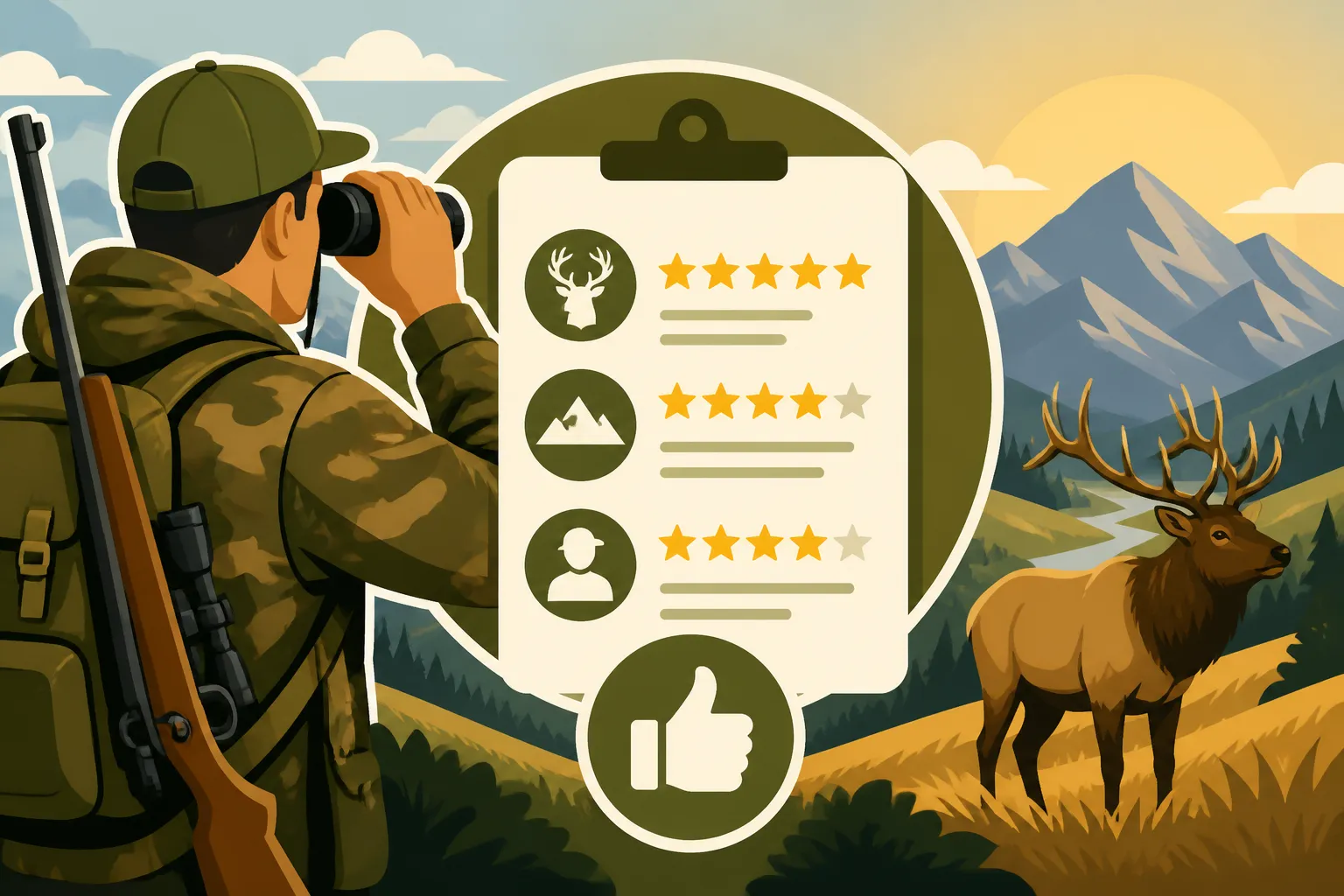
Think of reviews as your digital scouting report on an outfitter. In an ideal world, they offer invaluable insights that go beyond glossy brochures and carefully curated websites. They provide social proof, letting you know that others have put their trust in this outfitter and what their actual experiences were. You can learn about everything from the quality of the guides, the condition of the camp, the food, and critically, the actual hunting success and ethical practices. When reviews are genuine and detailed, they can set realistic expectations, highlight an outfitter's strengths, and even reveal areas where they might fall short. It’s like having a dozen friends who've already hunted with them, giving you the lowdown on the good, the bad, and the ugly.
The Pitfalls and Perils: When Reviews Lead You Astray
Unfortunately, the world of online reviews isn't always a pristine wilderness. There are significant challenges that can make trusting them a tricky business. First off, you have the issue of fake reviews. Some outfitters, sadly, might pay for positive reviews or have friends and family post glowing, but untruthful, testimonials. On the flip side, disgruntled clients might post overly harsh reviews based on an isolated bad experience or unrealistic expectations. Then there's the "trophy hunter" bias – a review might focus solely on the size of the animal taken, neglecting the overall hunting experience, guide quality, or camp atmosphere. A hunter who shot a monster bull might give a five-star review, even if the guide was rude, the food was terrible, and the camp was falling apart. This doesn't help you much if you're looking for a well-rounded experience. It's a frustrating reality that the very tool meant to inform can sometimes mislead.
Dissecting the Details: How to Read Between the Lines of Outfitter Reviews
Reading reviews isn't just about looking at the star rating. It's about becoming a detective, sifting through the noise to find the nuggets of truth. You need to develop a keen eye for patterns, specifics, and inconsistencies that can tell you a lot more than a simple numerical score.
Beyond the Star Rating: Focusing on Specifics and Nuance
A five-star rating with a generic comment like "Great hunt!" or "Awesome guides!" tells you almost nothing useful. What you're looking for are details. Did the reviewer mention the name of their guide and praise their specific tracking skills? Did they talk about the quality of the horses, the warmth of the wall tents, or the delicious Dutch oven meals? Specifics create credibility. If multiple reviews, even from different years, praise a particular guide, or consistently mention the incredible food, those are strong indicators. Conversely, if several reviews mention a specific problem – say, guides being late, poor communication, or difficulty with meat care – those are major red flags, even if the overall star rating is high. Look for descriptive adjectives and verbs, actual anecdotes, and mentions of specific challenges overcome or celebrated. These are the details that paint a real picture.
Identifying Red Flags: What Should Make You Skeptical
Several elements in outfitter reviews should make you pump the brakes and investigate further. First, watch out for overly generic praise without any specifics. If every review sounds like a marketing slogan, it could be fabricated. Second, be wary of reviews that are too perfect. Every hunt has its challenges, whether it's the weather, animal behavior, or physical demands. A review that describes an effortless, guaranteed success without a single hurdle is probably unrealistic.
Another red flag is a consistent pattern of complaints about a specific issue, even if they're buried within generally positive reviews. For example, if three different hunters mention that the outfitter's communication was poor after they paid their deposit, that's a serious concern. Or if multiple people mention surprisingly small deer despite the outfitter promising "trophy potential." You should also be cautious of reviews that heavily emphasize a single, massive animal taken, especially if other reviews suggest mediocre success. This could be an outlier, or even a high-fence operation if not explicitly stated. Finally, look for language that sounds overly defensive or aggressive from the outfitter in response to any negative feedback. A professional outfitter will address concerns respectfully and offer solutions, not get into a public shouting match.
Spotting Green Lights: Indicators of a Top-Notch Experience
On the flip side, genuine, positive indicators truly shine through. A green light often comes in the form of detailed, personal stories. A review that recounts a specific, challenging day of hunting, how the guide adapted, and the eventual success (or even admirable effort without success) is incredibly valuable. When hunters mention wanting to rebook with the same outfitter, or specifically commend the ethical hunting practices, the animal recovery efforts, or the sheer professionalism of the entire team, those are strong signals. Look for reviews that acknowledge the difficulties of hunting but still celebrate the overall experience – the camaraderie, the stunning Montana Backcountry Hunting Guide, the challenging terrain, and the effort put in by the guides.
Reviews that praise aspects beyond just killing an animal, such as the quality of the camp, the delicious food, the comfortable sleeping arrangements, or how well the guides handled unexpected situations, also point to a well-run operation. If a reviewer talks about the guides being knowledgeable about Montana Elk Habitat and Elevation or Montana Mule Deer Habitat Explained, that shows real expertise. Essentially, green light reviews reflect a comprehensive, realistic, and positive experience, not just a successful kill shot.
Where to Find and Cross-Reference Outfitter Reviews
Just relying on an outfitter's website for testimonials is like asking a fisherman about the size of the one that got away – you'll likely only hear the best stories. To truly get a balanced perspective, you need to cast a wider net and cross-reference information from various sources.
Utilizing Dedicated Outfitter Platforms for Verified Reviews
This is often your best starting point. Platforms specifically designed for booking hunting trips often have a more rigorous review process. Websites like BookYourHunt are excellent examples, as they often require users to have actually booked and completed a hunt through their platform to leave a review. This significantly reduces the chances of fake reviews. These platforms usually have standardized review forms, allowing for easy comparison across different outfitters. They often provide details on the species hunted, the type of hunt (guided, drop camp, etc.), and the year of the hunt, which helps you contextualize the feedback. You can often see an outfitter's overall rating based on a larger pool of verified clients, rather than just a handful of hand-picked testimonials.
Another great resource can be community platforms that cater to serious hunters. For instance, GoHunt, while primarily known for its draw odds and planning tools, often has forums and community discussions where members openly share their experiences with outfitters. While not always "verified" in the same way a booking platform is, the collective knowledge and peer-to-peer discussions can offer incredibly detailed and candid insights that you won might not find elsewhere.
Scouring General Travel Sites and Hunting Forums
Beyond dedicated hunting platforms, general travel and review sites like Google Reviews or even TripAdvisor might hold some nuggets of information, especially for outfitters who also cater to general tourism or lodge stays. Be more cautious here, as reviews aren't always specific to hunting experiences, and the verification process might be less stringent. A general positive review about a lodge's scenery doesn't tell you much about their Montana Rifle Elk Hunting Guide expertise.
Hunting forums and online communities can be goldmines of raw, unfiltered opinions. Here, you'll find real hunters sharing their successes, failures, and frustrations. The key is to approach these with a critical mind. Look for long-standing members with a history of credible posts. Be wary of anonymous accounts with only one or two posts praising or trashing an outfitter. While these forums offer candid conversations, they can also be hotbeds for rumors or personal vendettas. Always cross-reference any strong opinions you find here with more structured reviews from verified sources.
Evaluating the Outfitter's Own Website and Social Media
Of course, you'll visit the outfitter's own website. Here, you'll find their carefully selected testimonials, usually glowing. While these are inherently biased, they can still offer value. Look for consistency. Do the testimonials reflect the same positive attributes you're seeing in third-party reviews? Are there specific names and dates, making them feel more authentic? A professional outfitter will also often link to their profiles on reputable booking sites, which provides a convenient jumping-off point for your deeper research.
On social media, you can often see recent photos and videos from hunts. This gives you a visual sense of the animals being harvested, the terrain, and the general vibe of the camp. Pay attention to the comments section – happy clients often tag themselves or leave positive remarks. If you see very little engagement or the comments are turned off, that could be a subtle sign. Just remember, social media is usually a highlight reel, so don't expect to see every missed shot or tough day.
Integrating Reviews into Your Comprehensive Due Diligence
Reading reviews is just one step in selecting the right outfitter. The real power comes when you combine those insights with direct communication and thorough questioning. Think of reviews as hypotheses that you'll then test through further investigation.
Crafting Critical Questions for the Outfitter
Once you've devoured all the reviews, you'll likely have a list of both praises and concerns. This is where you use the reviews to your advantage by formulating targeted questions for the outfitter. If multiple reviews mentioned challenges with meat processing in warm weather, ask directly about their How to Keep Elk Meat Cool in Montana's Early Season protocols. If a few reviews suggested guides were new or inexperienced, ask about their guide's experience, certifications, and how long they've worked with the outfit.
Don't be afraid to bring up specific points you found in reviews. For example, "I read a review from a few years ago that mentioned issues with vehicle breakdowns on the way to the hunting grounds. Has that been addressed, and what are your current transportation logistics?" A reputable outfitter will appreciate your thoroughness and provide honest answers. They might explain improvements they've made or clarify misunderstandings. Pay attention not just to what they say, but how they say it. Do they sound transparent and forthcoming, or defensive and vague?
The Gold Standard: Speaking to Past Clients (References)
This is hands-down the most crucial step in vetting an outfitter, and it directly leverages what you learned from reviews. Request at least three references from the past year or two, ideally hunters who pursued the same species you're interested in, during a similar season. When you call these references, don't just ask, "Did you have a good hunt?" Dig deeper.
Ask specific questions based on your review analysis:
- "How was the communication before and during the hunt?"
- "Were the accommodations and food as described?"
- "Can you describe a typical hunting day? Was the pace what you expected?"
- "How did the guides handle unexpected challenges, like bad weather or difficult game?"
- "Were the guides knowledgeable about the area and the animals?"
- "How were the ethics handled, particularly with wounded game?"
- "If you didn't harvest an animal, did you still feel you had a quality experience?"
- "Would you rebook with this outfitter?"
Pay attention to their enthusiasm, their level of detail, and if their story aligns with what you've read in reviews and heard from the outfitter. If a reference sounds hesitant or glosses over details, that's a subtle warning sign. This direct conversation is often the most reliable way to confirm the veracity of reviews and truly understand what you're signing up for.
Aligning Outfitter Reviews with Your Personal Hunting Priorities
Ultimately, the "best" outfitter is highly subjective and depends entirely on your personal goals and priorities. Someone looking for a guaranteed "meat hunt" might prioritize different things than a hunter seeking a record-book animal or a challenging Montana Backcountry Hunting Guide experience.
Before you even start reading reviews, take some time to define what you want from your Montana hunt. Are you prioritizing a high success rate, even if it means less challenging hunting? Or is the adventure, the scenery, and the experience of being in the Montana wilderness paramount, regardless of whether you tag an animal? Do you need luxury accommodations, or are you happy with a rustic tent camp? Knowing your priorities allows you to filter reviews through your own lens. A review that complains about "too much walking" might be a negative for someone looking for a road hunt, but a positive for someone specifically seeking a physically demanding backcountry archery elk hunt. Use reviews to see if an outfitter consistently delivers the type of experience you are looking for, not just what other hunters found ideal.
Here's a quick reference table to help you analyze review sources:
| Review Source | Pros | Cons | Key Questions to Ask |
|---|---|---|---|
| Dedicated Platforms | Verified bookings, structured reviews, easy comparison. | May have fewer reviews for niche outfitters, potentially less candid than forums. | Are reviews recent? Is there a pattern in feedback? |
| General Travel Sites | Easy to access, broad user base. | Not specific to hunting, high potential for unverified reviews. | Is the reviewer a hunter? Is the feedback relevant to hunting? |
| Hunting Forums | Candid, detailed discussions, insider perspectives. | Prone to rumors, unverified claims, personal bias. | How established is the user? Does their story align with others? |
| Outfitter's Website | Hand-picked testimonials, often professional photos. | Inherently biased, typically only positive reviews. | Do these claims align with third-party reviews? |
| Personal References | Most reliable, direct Q&A, detailed insights. | Can be time-consuming to contact, references are chosen by outfitter. | Ask specific questions from your review findings. |
By combining a critical reading of all available reviews with direct communication and reference checks, you can significantly increase your chances of booking a Montana outfitter that truly aligns with your hunting dreams. It's a journey, not a sprint, but the payoff of a well-chosen adventure in Big Sky Country is absolutely worth the effort.
Disclaimer
This article is for general informational purposes only and does not constitute professional advice. Laws, prices and regulations vary by location and change over time. Consult a qualified professional for guidance on your specific situation.