Best Montana Elk Outfitters for Private Land
For many hunters, the dream of a successful Montana elk hunt on private land can feel out of reach. Securing access to prime private ground, especially for non-residents or those new to the state, presents a significant hurdle, often leading to frustration and wasted time. This guide is designed to help you navigate the world of private land elk outfitters in Montana, revealing what to look for and how to find an experience that matches your aspirations.
Why Choose a Private Land Elk Outfitter in Montana?
Hunting Montana's vast public lands is an incredible experience, no doubt, but it comes with its own set of challenges, not least of which is hunter pressure. If you've ever found yourself hiking miles into a backcountry basin only to find another hunter's boot tracks, you know the feeling. Private land, when managed correctly, can offer a more controlled, often less pressured, and sometimes higher-success hunting environment.
The Appeal of Private Land Access
Private land can mean exclusive hunting rights, fewer people competing for the same animals, and sometimes, better quality animals due to habitat management and reduced pressure. For many, the peace of mind that comes with knowing you have thousands of acres to yourself, or at least with a small group of fellow hunters, is worth the investment. It eliminates the constant worry about running into other hunters, allowing you to focus purely on the hunt. This can be particularly appealing for those seeking a more relaxed pace or those who value solitude while pursuing big game.
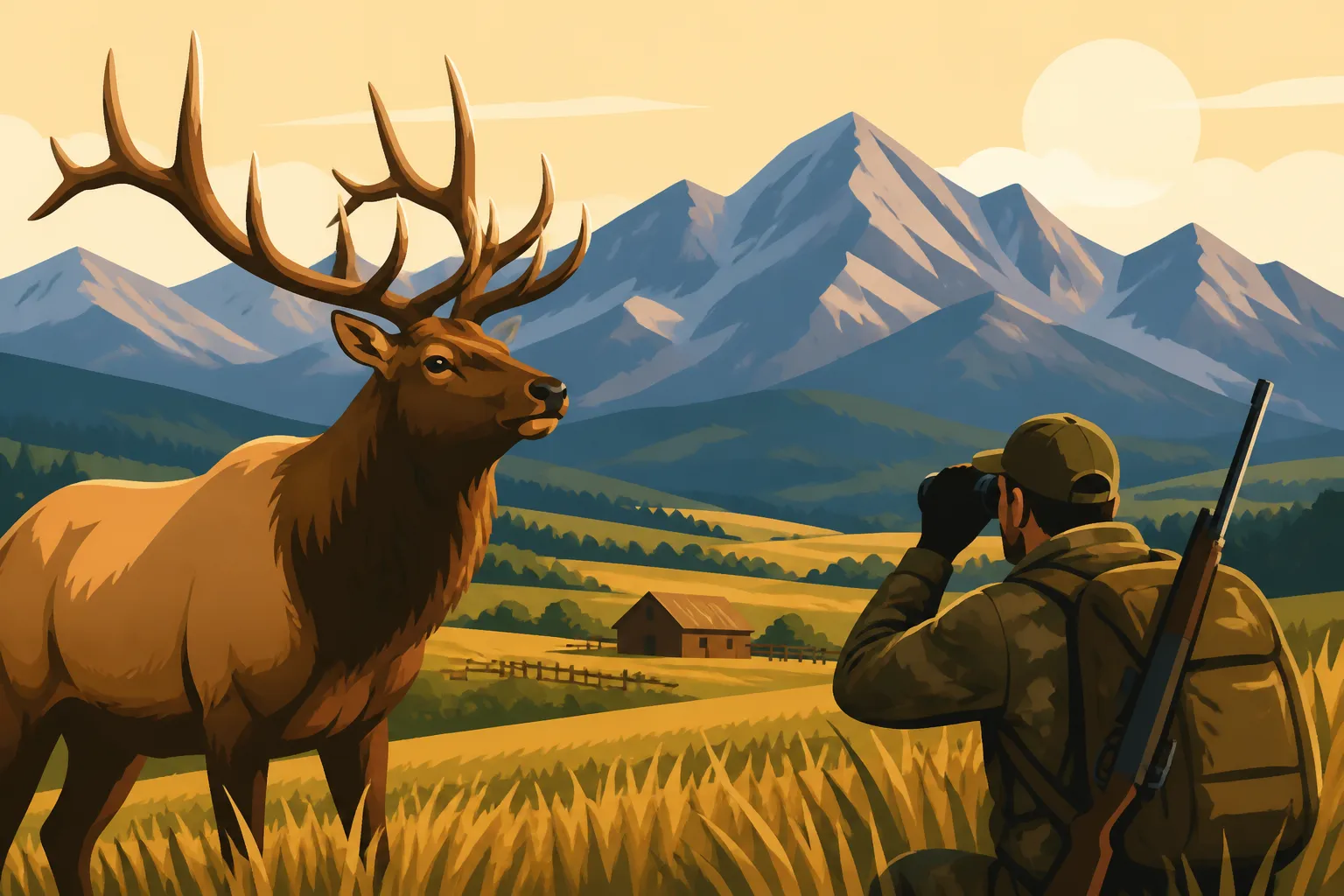
Imagine spotting a bull elk across a sagebrush flat or through a timbered draw and knowing that your stalk won't be interrupted by an ATV or another group pushing through the same drainage. That's the promise of private land. These properties often boast excellent habitat, providing elk with ideal bedding, feeding, and watering areas that keep them on the property.
Overcoming Access Challenges for Non-Residents
Montana has incredibly generous public land access, but the reality is that the best public land spots often require significant effort, specialized gear, and a deep understanding of elk behavior and terrain. For non-residents, drawing a coveted elk license is the first hurdle, but once you have it, figuring out where to hunt effectively can be daunting. Securing permission on private land independently is notoriously difficult in Montana, especially for elk, as landowners often have existing arrangements or prefer to keep their ground exclusive.
This is where private land outfitters truly shine. They've already done the hard work of building relationships with landowners, often securing long-term leases on thousands of acres. This means that as a hunter, you gain immediate, legitimate access to land that you likely couldn't access on your own. It streamlines the entire process, removing a massive barrier to entry and allowing you to focus on preparing for the actual hunt. For those navigating the complexities of the draw, an outfitter can often provide guidance or even opportunities tied to landowner preference tags, making the entire journey smoother. You might even find yourself looking at Montana Outfitter-Sponsored Tags Explained for additional avenues.
What to Look For in a Montana Private Land Elk Outfitter
Choosing the right outfitter is paramount. It’s an investment of time, money, and emotional energy. You want to ensure you're entrusting your hunt to someone reputable and aligned with your expectations. Don't just pick the first name you find; do your homework.
Experience and Reputation
When researching private land elk outfitters, experience is key. Look for outfits that have a long-standing presence in Montana and a proven track record specifically on private ground. How many years have they been operating? Do they specialize in elk, or are they a general big game outfitter? An outfitter who has managed private land hunts for decades will have a deeper understanding of elk patterns on specific properties, the nuances of the terrain, and what it takes to consistently put hunters in good positions. They understand the resident elk herds and how they react to pressure or weather changes on their specific properties.
Reputation, of course, goes hand-in-hand with experience. Seek out outfitters with overwhelmingly positive reviews, not just on their own website, but on independent hunting forums, review sites like BookYourHunt, or social media groups. Talk to past clients if possible. Ask direct questions: were they satisfied with the hunt, the guide, the accommodations, and the overall experience? Did the outfitter deliver on their promises? A reputable outfitter will be transparent about their success rates, their hunting methods, and what you can realistically expect. For more general advice, you might want to read How to Choose a Montana Hunting Outfitter.
Land Holdings and Management Practices
This is where the "private land" aspect truly comes into play. Inquire extensively about the properties the outfitter hunts. How much acreage do they have access to? Is it contiguous or broken up? What type of habitat does it offer (timber, open sage, creek bottoms, agricultural fields)? Some outfitters lease smaller parcels, while others might manage vast working ranches. The size and quality of the land directly impact your hunting experience.
More importantly, ask about their land management practices. Do they manage for quality over quantity? Do they limit the number of hunters on a given property each season to reduce pressure? Do they work with landowners on habitat improvement? An outfitter who actively manages their properties for wildlife, not just leases them, is likely to provide a superior hunting experience. They might implement selective harvest strategies or establish food plots, all of which contribute to a healthy, huntable elk population. Understanding their approach to Montana Ranch Hunts Explained can give you further insights into what to expect.
Guide-to-Hunter Ratio and Philosophy
A critical factor for a quality private land hunt is the guide-to-hunter ratio. Lower ratios (e.g., 1:1 or 1:2) generally mean more personalized attention, more strategic hunting, and a better overall experience. A guide with fewer hunters under their wing can dedicate more time to scouting, tracking, and adapting to changing conditions. Ask the outfitter what their typical guide-to-hunter ratio is, and if it varies by hunt type or season.
Beyond the numbers, delve into their guiding philosophy. Do they focus on spot-and-stalk, calling, or stand hunting? Are they patient and willing to put in long hours, or do they prefer a more conservative approach? A good guide on private land is not just a driver; they are an expert woodsman who understands the local elk, the topography, and how to maximize your opportunities. They should be passionate about helping you succeed and embody the values of ethical hunting. This is about finding someone whose approach aligns with your own hunting style.
Types of Private Land Elk Hunts
Private land elk hunts aren't a one-size-fits-all offering. They come in various formats, each with different levels of service, comfort, and, of course, cost. Understanding these options will help you match your expectations and budget.
Fully Guided Lodge Hunts
These are often the quintessential "dream hunt" experience for many. A fully guided lodge hunt typically means you'll stay in comfortable accommodations, often a rustic yet well-appointed lodge on or very near the private hunting property. All your meals are provided, usually hearty, home-cooked fare. You'll have a dedicated guide (often 1:1 or 1:2 ratio) who will transport you to and from hunting areas, scout extensively, call elk, track, and assist with field dressing and packing out your animal.
The primary advantage of a fully guided lodge hunt is the sheer convenience and immersion. You can focus solely on the hunt, leaving all the logistics, cooking, and camp chores to the outfitter. This style of hunt is ideal for those looking for a comfortable experience, perhaps bringing a spouse or family member who might not be actively hunting but wants to enjoy the Montana landscape. It's often suitable for hunters of varying physical capabilities, as guides can tailor the approach to the individual.
Semi-Guided or Drop Camp Hunts
For hunters who want some independence but still value private land access, semi-guided or drop camp options can be an excellent middle ground. In a semi-guided hunt, the outfitter provides the private land access and points you in the right direction, often offering a map and insights on where elk have been seen. They might help with initial setup, retrieve downed game, or offer general advice, but you're largely responsible for your own hunting efforts, meals, and daily logistics.
Drop camps, on the other hand, involve the outfitter packing you and your gear into a remote camp on private land (sometimes bordering public land or wilderness areas) and then leaving you to hunt independently. They'll return at a pre-arranged time to pack you out, along with any game harvested. These hunts are perfect for experienced DIY hunters who crave solitude and self-reliance but lack private land access or the specialized packing equipment. They require more self-sufficiency and a greater level of physical fitness and hunting skill, as you are responsible for much of the decision-making in the field. This type of hunt often bridges the gap between a fully outfitted experience and a full Montana DIY Elk Hunting Guide.
Management Hunts and Trophy Elk Opportunities
Many private land outfitters offer a range of hunt packages, from "management hunts" focused on harvesting cow elk or smaller bulls to premium "trophy hunts" targeting specific caliber animals. Management hunts often aim to help the landowner manage herd numbers, and can be a more affordable way to experience private land hunting and fill the freezer. These are excellent opportunities for meat hunters or those looking to gain experience without the pressure of a trophy hunt.
Trophy elk opportunities on private land are often the most sought-after and, consequently, the most expensive. These hunts usually take place on highly managed properties known for producing large bulls. Outfitters will often have extensive trail camera data, know specific bull movements, and dedicate significant time to pre-season scouting. While no hunt guarantees a trophy, private land can offer a distinct advantage due to reduced pressure and careful management. It's important to have a clear discussion with the outfitter about what "trophy" means to them and what you can realistically expect given the property and the outfitter's track record. Montana Trophy Elk Districts might give you an idea of regions renowned for big bulls, even if on private ground.
| Hunt Type | Description | Ideal For | Key Features |
|---|---|---|---|
| Fully Guided | All-inclusive service, lodge/cabin accommodation, meals, dedicated guide. | Hunters seeking comfort, convenience, maximum assistance. | High guide-to-hunter ratio, comfortable lodging, all logistics handled. |
| Semi-Guided | Private land access, some outfitter support, but hunters self-sufficient. | Experienced hunters who value independence and some support. | Private access, map/scouting info, game retrieval assistance, self-catering. |
| Drop Camp | Outfitter packs in/out to remote camp on private land, hunters fully DIY. | Hardcore DIY hunters, backpackers, wilderness enthusiasts. | Secluded private land access, raw wilderness experience, minimal outfitter presence. |
| Management Hunt | Focus on harvesting cow elk or smaller bulls for herd control. | Meat hunters, budget-conscious, first-time elk hunters. | Often lower cost, good success rates for meat, helps herd management. |
| Trophy Hunt | Dedicated effort to target large, mature bull elk on prime ground. | Serious trophy hunters, those seeking a specific caliber bull. | Highly managed properties, extensive scouting, higher investment. |
Planning Your Private Land Outfitter Hunt
Once you've decided a private land outfitter hunt is for you, the planning truly begins. It's not just about showing up; thoughtful preparation can make or break your experience.
Booking and Application Process
Private land elk hunts, especially with reputable outfitters, often book out a year or more in advance. Don't wait until the last minute! Contact outfitters well in advance to discuss available dates, hunt types, and pricing. Many outfitters require a deposit to secure your spot.
For non-residents, remember that you'll still need to navigate Montana's hunting license draw process, even with an outfitter. While some outfitters may have landowner preference tags or can help guide you through the process, drawing a general or combination license is typically your responsibility. Understand the Montana Nonresident License Draw Explained thoroughly. The application deadlines are strict, usually in March, so factor this into your timeline. Tools like GoHunt can be incredibly useful for researching draw odds, understanding different hunt units, and even helping you apply correctly.
Make sure all aspects of the hunt—dates, services included, payment schedule, cancellation policy, and what to do if you don't draw your license—are clearly outlined in a written contract. Communication is key; don't be afraid to ask any and all questions.
Physical Preparation and Gear
Even on private land, Montana elk hunting is physically demanding. You'll likely be covering varied terrain, from steep timbered slopes to open sagebrush hills. Don't underestimate the physical conditioning required. Start a fitness regimen months in advance focusing on cardio, strength, and endurance. Being in good shape not only increases your chances of success but also enhances your enjoyment of the hunt. This article on How to Physically Prepare for a Montana Elk Hunt might be a great next step for you.
Your gear list will be similar to any Western elk hunt, but it's always worth confirming specifics with your chosen outfitter. They might have recommendations based on the specific property, elevation, and time of year you'll be hunting. Essentials include quality optics, comfortable and broken-in boots, layered clothing suitable for varied weather, a reliable rifle or archery setup, and a good backpack. If you're doing a semi-guided or drop camp hunt, you'll need to pack your own food, cooking equipment, shelter, and sleeping system. For anyone planning a pack-in hunt, check out a Montana Backcountry Hunting Gear List.
Ethical Hunting and Respect for the Land
When hunting on private land, maintaining the highest ethical standards and showing utmost respect for the landowner and their property is paramount. Remember that you are a guest. Follow all hunting regulations, whether state-mandated or specific rules set by the outfitter or landowner. This includes respecting boundaries, leaving gates as you found them, and minimizing your impact on the land.
A good outfitter will emphasize ethical hunting practices and respect for the resource. They often have long-term relationships with landowners, and your behavior directly reflects on them. Treat the property and the animals with respect, and you'll not only enhance your own experience but also contribute to the long-term viability of private land hunting opportunities for others. Always ensure you are prepared for How to Pack Out an Elk in Montana once you've successfully harvested your animal, demonstrating responsibility from harvest to table.
Disclaimer
This article is for general informational purposes only and does not constitute professional advice. Laws, prices and regulations vary by location and change over time. Consult a qualified professional for guidance on your specific situation.