What’s Included in a Montana Guided Hunt
Planning a hunting trip to Montana can feel like navigating a complex maze, especially when you're trying to figure out what you're actually paying for with a guided hunt. It's easy to get overwhelmed by different outfitter packages and wonder if you're getting your money's worth or if there will be hidden costs. This guide is here to break down exactly what's typically included in a Montana guided hunt, so you can book with confidence and focus on the adventure.
Understanding the Core Package: What Every Guided Hunt Should Cover
When you commit to a guided hunt in Montana, you're investing in more than just a place to sleep and someone to point you towards an animal. You're buying into expertise, logistics, and a significantly streamlined experience that makes pursuing game in the vast landscapes of Big Sky Country accessible, especially for non-residents or those new to the area.
Lodging and Accommodation Variations
The first thing many hunters consider after the thrill of the chase is where they'll lay their head at night. Outfitters in Montana offer a huge spectrum of lodging options, reflecting the diverse hunting environments and client preferences. You might find yourself in a comfortable, modern lodge with all the amenities, complete with private rooms and hot showers. This is often the case for hunts closer to towns or those focused on a more "gentleman's hunt" experience.
On the other end of the spectrum, especially if you're venturing deep into the wilderness, your lodging might be a robust wall tent or even a spike camp setup. These camps are usually well-equipped, providing warmth with wood stoves, cot beds, and a communal dining area. A truly authentic Montana backcountry hunting guide experience will often involve these more rustic accommodations, offering an immersive connection to the wild. It’s important to clarify the exact type of lodging when you're booking, as it profoundly impacts the overall feel and comfort level of your trip. Some outfitters specialize in primitive camps for a true "roughing it" adventure, while others cater to those who prefer more creature comforts after a long day in the field.
Fueling Your Adventure: Meals and Provisions
Hunting is physically demanding, and you can't perform your best on an empty stomach. A crucial part of any guided hunt package is the provision of meals, which are typically designed to be hearty and sustaining. Most outfitters will provide three square meals a day, usually prepared by a camp cook or the guides themselves.
Expect filling breakfasts to kickstart your day, often including eggs, bacon, pancakes, or oatmeal, paired with plenty of coffee. Lunches are frequently packed to go, allowing you to stay in the field longer. These might consist of sandwiches, wraps, energy bars, and fruit. Dinners are usually a highlight, a chance to gather around and share stories, often featuring home-cooked meals like roasts, stews, pasta, or grilled meats, sometimes even with fresh game if the hunt has been successful. Beverages like water, coffee, and sometimes soda are also part of the deal. If you have any dietary restrictions or allergies, it’s absolutely vital to communicate these to your outfitter well in advance so they can make the necessary arrangements. The quality and variety of meals can differ significantly, so don't hesitate to ask specific questions when comparing packages, especially if you are checking out different options on platforms like BookYourHunt.
The Expertise: Your Professional Guide
This is arguably the most valuable inclusion in any guided hunt. Your guide isn't just a companion; they are a seasoned expert in the local terrain, animal behavior, and hunting strategies specific to Montana. They possess intimate knowledge of the hunting districts, understanding where game animals like elk, deer, and antelope tend to move, feed, and bed down based on weather patterns, time of year, and pressure.
A good guide will assess your physical capabilities and hunting experience, then tailor the daily plan to maximize your chances of success while ensuring your safety. They'll help you How to Glass Montana's Big Country, interpret sign, call animals, and most importantly, position you for a shot. For a non-resident, a guide is invaluable for navigating the complex regulations and understanding the nuances of the landscape. They’ve spent countless hours in these mountains and plains, honing their skills. This level of insight and experience simply can’t be replicated by even extensive e-scouting alone, though e-scouting can certainly help you prepare for a Montana DIY Elk Hunting Guide experience.
Beyond the Basics: Diving into Specific Services Provided
A guided hunt goes far beyond providing food and shelter; it's a comprehensive service package designed to enhance every aspect of your hunting adventure. These specialized services can truly make or break your trip, turning a challenging endeavor into a successful and memorable one.
Transportation: Getting You to the Game
Montana is a massive state, and its hunting grounds often require significant travel, both to get there and to traverse within the hunting area. Most guided hunt packages include all necessary transportation once you arrive at a pre-designated meeting point, which is often a local airport or a specific town. This typically means transportation from the meeting point to the base camp, and then daily transport to and from hunting areas.
This internal transport can vary greatly depending on the terrain and the species you're pursuing. For high-country elk hunts, this might involve horseback riding, UTVs, or even bush planes to reach remote wilderness areas. For antelope or mule deer hunts on the plains, you'll likely be covering ground in 4×4 vehicles. Reputable outfitters will clearly outline the modes of transport included. Make sure to inquire about specific vehicle types and travel distances, especially if you have physical limitations or concerns about motion sickness. Understanding these details can help you prepare for a How to Plan a Montana Backpack Elk Hunt or a hunt involving extensive vehicle travel.
Field Care and Game Recovery
Successfully harvesting an animal is only half the battle; properly caring for the game in the field and recovering it is equally crucial. This is where a guided hunt really shines, especially for big game like elk. Your guide will be an expert in field dressing, quartering, and preparing your animal for transport. They'll ensure the meat is handled hygienically and cooled properly, which is vital in preventing spoilage, especially during Montana's early season.
Game recovery is another critical service. If an animal is shot and doesn't go down immediately, your guide will lead the tracking effort, leveraging their experience to follow trails and recover the animal efficiently. Once the animal is down and field-dressed, the next step is getting it out of the field. This can involve packing it out on horseback, using a game cart, or a combination of methods. For large animals like elk, this is an immense task that can take hours and often requires multiple people. The outfitter will handle this demanding work, relieving you of a major logistical headache and allowing you to focus on the hunt itself. Knowing that this is covered takes a huge weight off your shoulders, as packing out an elk can be one of the most physically demanding parts of the entire trip. If you're wondering How to Pack Out an Elk in Montana, rest assured your guide will lead the way.
Pre-Hunt Communication and Planning
A good outfitter doesn't just show up on opening day; they engage in comprehensive pre-hunt communication and planning. This typically begins months before your scheduled hunt. They will provide detailed information on necessary licenses and tags, drawing deadlines, and what to expect during the application process. Some outfitters even offer assistance with the complex Montana license draw explained, helping clients navigate the system.
Expect to receive packing lists tailored to the specific type of hunt and time of year. They'll often advise on physical preparation, gear recommendations, and what kind of weather to anticipate. This communication might include phone calls, emails, and sometimes even a detailed itinerary. They’ll want to understand your expectations, experience level, and any specific preferences you have, such as trophy size goals or hunting methods like archery or rifle. Platforms like GoHunt often have resources that complement this pre-hunt planning by providing draw odds and scouting tools, which can be invaluable even with a guided hunt. This thorough preparation ensures that by the time you arrive in Montana, you're mentally and physically ready for the adventure ahead.
The Essential Gear and Equipment: What Outfitters Supply
Beyond the basic services, outfitters often provide specific gear and equipment that is critical for a safe and successful hunt, especially when venturing into remote or challenging Montana terrain. Understanding what they bring to the table can save you a lot of hassle and expense.
Shared Gear: Tents, Cooking Equipment, and More
When you're out in the wilds of Montana, especially on a multi-day backcountry hunt or a drop camp experience, the outfitter provides all the foundational camp infrastructure. This includes robust tents, often spacious wall tents, complete with heating sources like wood stoves to keep you warm during chilly Montana nights. They supply comfortable sleeping cots or pads, ensuring you get some rest after a long day of strenuous hunting.
Beyond sleeping arrangements, all the necessary cooking equipment is provided: pots, pans, utensils, coolers for food storage, and a reliable water filtration system or ample bottled water. You won't need to worry about packing a camp stove or a coffee percolator. Communication devices, such as satellite phones or radios, are also standard issue for safety in areas with no cell service. Essentially, the outfitter handles setting up a functional, comfortable, and safe base of operations, allowing you to focus purely on your hunting preparation. For those considering a Montana Backcountry Hunting Gear List, knowing what the outfitter provides helps you pare down your personal packing.
Specialized Tools and Aids
Many guided hunts involve specialized tools and aids that hunters might not own or wish to transport. For instance, if your hunt involves horses or mules for packing in and out, the outfitter provides all the tack, saddles, and experienced wranglers. They also supply pack frames and bags specifically designed for hauling game meat and camp supplies.
Optics are another area where outfitters often provide high-quality gear. While you're expected to bring your personal binoculars and rangefinder, many guides carry high-power spotting scopes on tripods, essential for How to Glass for Montana Mule Deer or distant elk on vast landscapes. They often have GPS devices with pre-loaded maps of the hunting area, invaluable for navigation and tracking game. If calling is a primary hunting method, such as during the elk rut, your guide will bring a variety of calls and know how to use them effectively. These specialized items are crucial for various hunting methods, from Montana Archery Elk Hunting Guide to a rifle hunt, and their inclusion simplifies your packing list significantly.
Hunter-Provided Gear vs. Outfitter-Provided
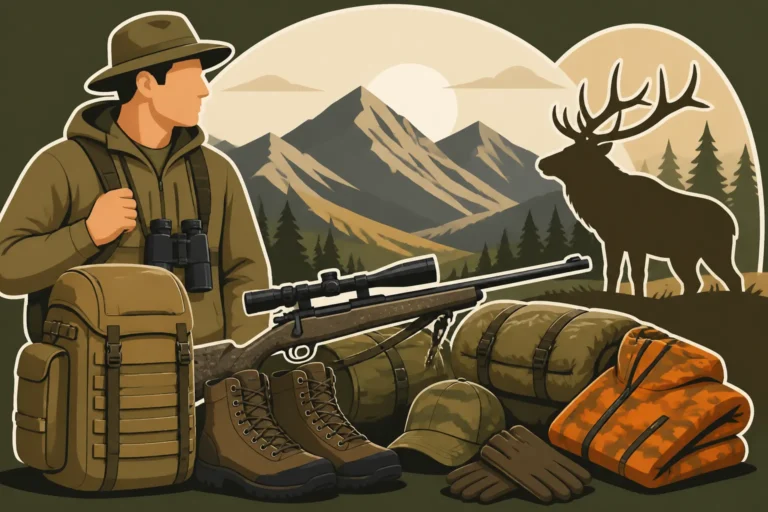
It's crucial to understand the distinction between what the outfitter provides and what you, as the hunter, are expected to bring. While the outfitter handles the communal camp gear, cooking supplies, and specialized tools, your personal hunting gear is almost always your responsibility. This includes your firearm or bow, ammunition, a hunting pack, appropriate hunting clothing (layers are key in Montana!), sleeping bag, personal toiletries, and any specific optics you prefer, like your binoculars or rangefinder.
Reputable outfitters will provide a detailed packing list, but it’s always wise to clarify any uncertainties. For example, some outfitters may offer loaner sleeping bags if you don't have one rated for extreme cold, but this is rare and should not be assumed. Always ask about specific items like personal game bags or a headlamp, as these are often overlooked but essential. A clear understanding ensures you arrive fully prepared, avoiding any last-minute scrambling or unexpected needs in the field. This clarity is part of a good How to Choose a Montana Hunting Outfitter process.
Logistics and Support: Making Your Hunt Seamless
The true value of a guided hunt often lies in the behind-the-scenes logistics and continuous support that transform a complex undertaking into a smooth, enjoyable experience. This administrative and practical groundwork is what allows you to fully immerse yourself in the hunt.
Permits, Licenses, and Application Assistance
Navigating Montana's hunting regulations and application processes can be daunting, especially for non-residents. A significant part of a guided hunt's value is the outfitter's expertise and assistance with securing the necessary permits and licenses. While you are ultimately responsible for purchasing your tags, outfitters are intimately familiar with the application deadlines, point systems (Montana Preference Points vs Bonus Points), and specific requirements for each hunting district.
Many will guide you step-by-step through the online application process, ensure you apply for the correct combination licenses, and remind you of critical dates like the general nonresident deer/elk combo deadline. Some even work with non-resident clients to apply for specific limited-entry permits that can significantly increase draw odds, or they may possess a limited number of outfitter-sponsored tags. This level of administrative support can alleviate immense stress, ensuring you're legal and prepared long before you even set foot in the field.
Safety Protocols and Emergency Preparedness
Hunting in Montana, particularly in its vast wilderness areas, carries inherent risks. A professional outfitter prioritizes your safety above all else. Their packages always include robust safety protocols and comprehensive emergency preparedness plans. Guides are typically trained in wilderness first aid and CPR, carrying extensive first aid kits designed for remote environments.
Before the hunt begins, your guide will conduct a thorough safety briefing, covering everything from firearm handling and shot placement to wildlife encounters and camp safety. They'll discuss emergency communication methods, such as satellite phones or InReach devices, which are vital in areas without cell service. In the unlikely event of an injury or other emergency, they have established evacuation procedures and contacts with local search and rescue teams or air ambulance services. Knowing that experienced professionals are constantly managing these risks allows you to hunt with greater peace of mind. This meticulous attention to safety is a hallmark of truly professional operations.
Post-Hunt Logistics: Meat and Trophy Handling
The work doesn't stop once an animal is on the ground. The logistical challenge of handling meat and trophies post-harvest is substantial, and a guided hunt typically includes comprehensive support for this phase. After field dressing and quartering your animal, the outfitter will transport the meat back to camp and then to a local processor. While the actual processing fees are usually an additional cost, the coordination and delivery are covered.
For trophies, guides are adept at caping and preparing hides and skulls for taxidermy. They’ll ensure capes are properly skinned, salted, and stored to prevent damage, and skulls are cleaned for transport. They will also assist with coordinating delivery to a local taxidermist or preparing everything for shipment to your preferred taxidermist back home. This often includes recommending reputable local services in towns like Bozeman or Missoula. This seamless transition from field to freezer and taxidermist is a huge benefit, especially for non-residents who might otherwise struggle with these logistics. For those new to the experience, knowing how to properly How to Keep Elk Meat Cool in Montana's Early Season is crucial, and your outfitter will ensure it's done right.
What's Not Typically Included: Managing Expectations
While guided hunts offer an incredible value and cover a vast array of services, it's equally important to understand what isn't usually part of the package. Misunderstandings about exclusions can lead to unexpected costs and frustration, so let's clarify those common areas where hunters are expected to cover their own expenses.
License and Tag Fees
This is perhaps the most common area of confusion for new hunters, especially non-residents. While your outfitter will provide invaluable assistance with the application process and guidance on which tags to pursue, the actual cost of your Montana hunting licenses and tags is always your responsibility. These fees can be substantial, particularly for non-resident combination licenses that include elk, deer, and fishing.
For instance, a nonresident may apply for a general hunting license, elk license, deer license, and various permits. These fees are set by Montana Fish, Wildlife & Parks (FWP) and must be paid directly to them when you apply or purchase over-the-counter licenses. It's crucial to factor these costs into your overall budget before you even start looking at outfitter prices. You can find detailed information on the Montana FWP website or through resources like GoHunt, which often compile current Montana Hunting License Costs and draw odds. Always verify the current year's fees as they can change annually.
Personal Hunting Gear
As mentioned earlier, while communal camp gear and some specialized tools are provided, your personal hunting setup is yours to acquire and bring. This includes your weapon of choice – whether it’s your trusty hunting rifle, a modern compound bow, or a muzzleloader. Ammunition, arrows, and broadheads are also on you.
Beyond that, you'll need all your personal clothing, including base layers, mid-layers, outer shells, gloves, hats, and crucially, appropriate hunting boots. The rugged terrain and unpredictable weather of Montana demand high-quality, durable gear. Don't forget a comfortable hunting backpack, a headlamp with extra batteries, personal hygiene items, and any medications you require. Your outfitter will provide a detailed list, but it's your job to show up with your personal kit ready to go. Consider the specific demands of the hunt; for example, a Montana Backcountry Hunting Gear List will differ significantly from a day hunt on the plains.
Travel to and from Montana
The cost of getting to Montana itself is generally not included in your guided hunt package. This covers airfare to and from your arrival airport (often Bozeman, Missoula, or Billings), car rentals if you choose to drive, and any hotel stays required before or after your hunt. Most outfitters will designate a specific meeting point, often a particular airport or a town closest to their hunting area, where they will then pick you up and transport you to camp.
You are responsible for making your own travel arrangements to reach that initial meeting point. It's wise to book flights and rental cars well in advance, especially during peak hunting seasons, as prices can escalate rapidly. Factor in potential delays, and plan to arrive a day before your hunt starts to acclimate and ensure all your gear arrives safely. This also gives you a buffer in case of unforeseen travel disruptions.
Gratuities and Extra Expenses
A significant, yet often overlooked, exclusion from guided hunt packages is gratuities for your guide and camp staff. Tipping is customary in the outdoor guiding industry and is a direct reflection of your satisfaction with their hard work, expertise, and dedication. While entirely at your discretion, a general guideline is 15-20% of the hunt cost for your main guide, and a separate tip for the camp cook or other staff if applicable.
Beyond tips, other extra expenses might include meat processing fees, taxidermy costs, any shipping charges for your meat or trophies, alcoholic beverages (if desired and not provided by the outfitter), souvenirs, and any additional days of lodging or meals you might arrange outside the booked hunt dates. Always budget for these additional costs to avoid surprises and ensure you can properly reward the team that made your hunt possible. A good article on Tipping a Montana Hunting Guide can provide more specific insights.
Comparison of Guided Hunt Inclusions
To help consolidate what we've covered, here’s a general overview of what to expect across different types of guided hunts often found in Montana. Keep in mind that specific inclusions can vary wildly by outfitter and the cost of the hunt.
| Feature / Service | Fully Guided Backcountry Hunt | Semi-Guided Day Hunt | Guided Lodge-Based Hunt | Drop Camp Hunt |
|---|---|---|---|---|
| Professional Guide | 1:1 or 2:1 | Consultation & Map | 1:1 or 2:1 | None |
| Lodging | Wall Tent / Spike Camp | None | Lodge/Cabin | Wall Tent / Shelter |
| Meals | All inclusive | None / Packed Lunch | All inclusive | Food provided (cook yourself) |
| Field Dressing & Recovery | Included | Limited Assistance | Included | Assistance upon request (extra fee) |
| Meat Transport to Processor | Included | Hunter's Responsibility | Included | Hunter's Responsibility |
| Trophy Prep for Taxidermy | Included | Limited Assistance | Included | Limited Assistance |
| Internal Field Transportation | Horses, UTVs, Hiking | Hunter's Vehicle | 4×4, UTVs | Drop-off/Pickup Only |
| Pre-Hunt Planning/Info | Extensive | Moderate | Extensive | Moderate |
| Permit/License Assistance | Yes | Limited | Yes | Limited |
| Communal Camp Gear | Provided | None | Lodge Amenities | Provided |
| Specialized Tools (Scopes, etc.) | Guide provides | Hunter's Own | Guide provides | Hunter's Own |
| Hunter Travel to Montana | Excluded | Excluded | Excluded | Excluded |
| License/Tag Fees | Excluded | Excluded | Excluded | Excluded |
| Personal Hunting Gear | Excluded | Excluded | Excluded | Excluded |
| Gratuities | Excluded | Excluded | Excluded | Excluded |
This table highlights the stark differences. A Montana Guided Elk Hunt Cost for a fully guided backcountry trip will naturally be higher due to the extensive services, while a Drop Camp Hunt offers a more self-sufficient experience. Always clarify the specifics with your chosen outfitter.
Final Thoughts on Your Montana Guided Hunt
Deciding on a guided hunt in Montana is a big investment, and it's completely natural to want to understand every detail of what you're getting for your money. The sheer scale and wildness of Montana hunting truly make a guided experience invaluable for many, transforming a potentially overwhelming trip into a focused and memorable adventure. By understanding the typical inclusions – from lodging and meals to the critical expertise of your guide, and the vital logistical support – you can approach the booking process with confidence.
Remember to always have an open and honest conversation with your prospective outfitter. Ask for clarity on anything that seems ambiguous in their package details, and don't hesitate to ask for references from past clients. A reputable outfitter will be transparent and eager to ensure you have a clear understanding of what to expect. This thorough preparation and understanding will not only help manage your budget but also set the stage for an incredible and successful Montana hunting experience, allowing you to immerse yourself fully in the chase without getting bogged down by uncertainties.
Disclaimer
The information provided in this guide is for general informational purposes only and does not constitute professional advice. Hunting regulations, license requirements, and outfitter offerings in Montana can change frequently. Always consult the official Montana Fish, Wildlife & Parks (FWP) website and communicate directly with any prospective outfitter to confirm the most current details, regulations, and specific inclusions for your chosen hunt. Hunting is an inherently risky activity; always prioritize safety and comply with all applicable laws and regulations.