What to Know Before Booking an Outfitter in Ennis, Montana
Heading into the heart of Montana, particularly a place like Ennis, to chase big game is a dream for many, but the practicalities of planning such a trip can feel like navigating a dense thicket without a map. It's exhilarating to imagine the Madison Range as your backdrop, but finding the right outfitter to guide you through that wilderness effectively and safely often feels like the biggest challenge. This guide aims to clear up some of the mystery and provide a comprehensive overview of what you absolutely need to know before booking an outfitter in the Ennis, Montana area, ensuring your hunt of a lifetime starts on the right foot.
Understanding Ennis as a Hunting Hub
Ennis, Montana, isn't just a picturesque town; it's a gateway to some truly spectacular hunting opportunities. Nestled in the Madison Valley, with the towering peaks of the Madison Range to the east and the Tobacco Root Mountains to the west, it's a prime location for big game. However, its popularity also means that you need to be strategic and well-informed when planning your hunt, especially if you're looking to hire an outfitter.
The Unique Landscape and Game Species
The landscape around Ennis is diverse and rugged, offering different challenges and rewards depending on where you focus your efforts. You've got the vast, open sagebrush flats of the valley floor, gradually climbing into timbered foothills, and eventually giving way to the high alpine basins and rocky crags of the mountain ranges. This varied terrain supports a healthy population of several sought-after species, making it a truly versatile hunting destination.
For many, elk are the undisputed kings of these mountains. The Madison Range in particular is renowned for its elk herds, and the chance to chase a bull through its rugged drainages is what draws many hunters to this area. These aren't easy hunts; they often involve significant elevation gain, thick timber, and the ability to adapt to quickly changing weather conditions. Besides elk, mule deer also call these mountains and foothills home, offering another fantastic big game opportunity. You might find them in the same high country as elk, or tucked away in more broken, lower-elevation timber. And don't forget the speed demons of the plains – antelope are present in the flatter lands surrounding the valley, offering a completely different style of hunt. Some outfitters in the Ennis area specialize in these various species, so it’s important to align their expertise with your target game. For more on the specifics of the species you might encounter, check out our Montana Big Game Species Guide.
General Hunting Opportunities vs. Specific Draws
One of the most important distinctions to grasp when considering a hunt around Ennis is the difference between general hunting opportunities and those that require special permits through a draw system. Much of the land around Ennis falls within hunting districts that are "general" for certain species like elk and deer, meaning if you secure a general combination license (especially as a nonresident), you can hunt these areas. However, some of the most coveted areas, particularly those known for producing exceptional trophy animals or located within wilderness areas, often require drawing a limited-entry permit.
Outfitters operating in the Ennis region will have experience with both types of hunting. If your outfitter offers a hunt in a specific district, it's crucial to understand whether that's a general unit or if it requires a drawn permit. This directly impacts your application strategy and the odds of actually getting a tag. For instance, some of the high-country elk hunts in the designated wilderness areas, like portions of the Lee Metcalf Wilderness just west of Ennis, will almost certainly require a special permit that can be incredibly tough to draw. An outfitter who is transparent about these realities and can help navigate the application process is invaluable. They might even have a limited number of "outfitter-sponsored tags" which can improve your odds, but these often come at a premium. Understanding how Montana General vs Permit Tags Explained can make a huge difference in your planning.
Vetting Outfitters in the Ennis Area
Once you’ve got a handle on the landscape and the type of hunt you’re after, the real work of finding the right outfitter begins. This isn't just about finding someone with a horse and a rifle; it's about finding a reputable, experienced professional who aligns with your hunting goals and safety expectations.
Key Questions to Ask and Red Flags to Watch For
Choosing an outfitter is a deeply personal decision, and it requires asking a lot of questions. Don't be shy! A good outfitter will be happy to answer everything you throw at them. Start with the basics: ask about their licensing and insurance. All legitimate Montana outfitters and guides must be licensed by the state. This is non-negotiable for your safety and legal compliance. Then, delve into their experience in the specific area around Ennis where you'll be hunting. How long have they operated there? Do they own private land, or do they primarily hunt public ground, including Block Management Areas or National Forest? Knowing this helps set expectations for hunter pressure and terrain.
You'll also want to inquire about the physical demands of the hunt. Are you riding horses deep into the backcountry, or will you be covering ground primarily on foot from a truck camp? What is the guide-to-hunter ratio? What kind of accommodations can you expect – a wall tent camp, a cabin, or a motel in town? Ask for references, and actually call them! Speak to past clients about their experiences, both good and bad. Pay attention to how the outfitter handles meat care in the field, as this is paramount in Montana. Red flags? Vague answers, unwillingness to provide references, guarantees of success (no ethical outfitter can guarantee a kill), unusually low prices that seem too good to be true, or any hesitation about discussing their licensing or safety protocols. Platforms like BookYourHunt can be a good starting point for discovery, showing you a range of options, but the direct vetting process with the outfitter themselves is where the rubber meets the road. For more on this, check out How to Choose a Montana Hunting Outfitter.
Understanding Outfitter Services: From Drop Camps to Full-Service
Outfitters around Ennis offer a spectrum of services, and understanding these differences is crucial for choosing the right fit for your budget, experience, and desired level of comfort. At one end, you have fully guided, full-service hunts. These are typically all-inclusive (minus your license and personal gear, of course). You'll have a guide with you every day, they'll often provide food, lodging, transportation in the field (horses, ATVs, trucks), and even help with game retrieval and initial processing. These hunts are fantastic for beginners, those unfamiliar with the terrain, or anyone seeking a truly immersive, hands-off experience.
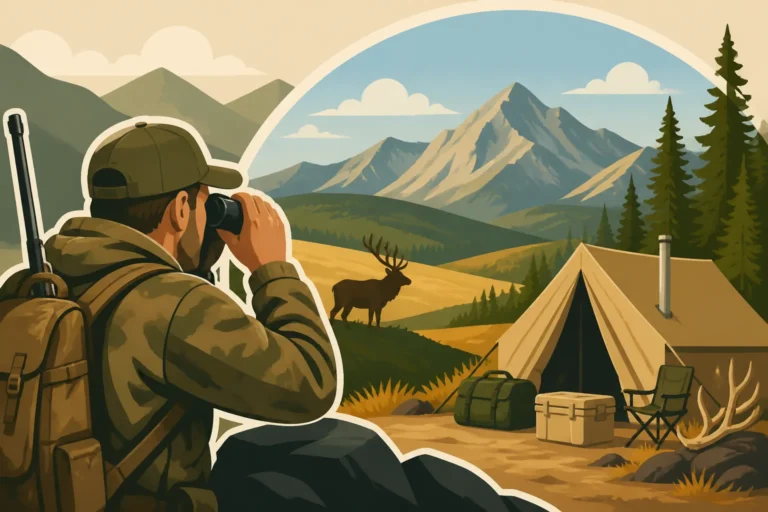
On the other end, you might find drop camps. With a drop camp, the outfitter packs you and your gear into a remote location, sets up a basic camp (usually a wall tent), and then leaves you to hunt on your own. They'll return at a pre-arranged time to pack out you and any game you've harvested. This option is generally more budget-friendly and suits experienced hunters who are confident in their abilities but lack the horses or time to pack deep into the wilderness themselves. In between, there are often semi-guided options where an outfitter might provide a camp and general area knowledge but leaves the day-to-day hunting decisions to you. Ennis outfitters might offer various versions of these, often leveraging proximity to the Gravelly Range or Tobacco Root Mountains for specific experiences. Understanding these options is key to setting expectations and managing costs.
| Outfitter Service Type | Hunter Experience Level | Amenities Provided | Hunter Autonomy | Typical Price Shape |
|---|---|---|---|---|
| Fully Guided | Beginner to Advanced | Guide, Food, Lodging, Transportation, Game Care | Low | Highest |
| Semi-Guided | Intermediate to Advanced | Camp, Some Gear, Area Advice | Medium | Mid-Range |
| Drop Camp | Experienced | Camp Setup, Pack-In/Out Service | High | Lower |
Navigating Costs and Logistics
The allure of a Montana hunt is strong, but the practicalities of financing and planning the journey require careful attention. A guided hunt in the Ennis area is an investment, and understanding where your money is going is just as important as knowing what you're getting in return.
The Components of a Guided Hunt's Price Tag
When you look at the cost of a guided hunt, especially for elk or mule deer near Ennis, it’s not just a single number pulled from thin air. It’s a culmination of many factors, and understanding them helps you budget effectively and compare outfitters fairly. First, there's the outfitter's daily fee, which covers their expertise, time, and expenses like fuel, feed for horses, and wear and tear on equipment. This typically makes up the largest portion of the cost. Then, consider lodging and meals. A rustic wall tent camp deep in the backcountry will likely be less expensive than a comfortable lodge with gourmet meals, though both offer unique experiences.
Transportation is another big factor. Are you being picked up at the Bozeman Yellowstone International Airport? Are horses involved in getting you into the hunting grounds? The logistics of moving people and gear through Montana's rugged terrain add to the expense. Don't forget the license and tag fees, which are separate and generally not included in the outfitter's price. For nonresidents, these can be a substantial upfront cost that needs to be factored into your overall budget. Finally, there are often additional charges for things like meat processing, taxidermy preparation, gratuities for your guide and camp staff, and any unforeseen circumstances. Always get a clear breakdown from your chosen outfitter of exactly what is and isn't included. A full picture of Montana Guided Elk Hunt Cost can help you prepare.
Planning Your Trip: Seasons, Applications, and Accommodations
Beyond the financial aspect, the logistical planning for a Montana hunt around Ennis is multifaceted. You'll need to decide on your preferred hunting season – archery or rifle. Archery season in early fall can offer incredible opportunities to call in bugling bulls in the Madison Range, but it also means dealing with potentially warmer weather and tougher meat care. Rifle season often coincides with colder weather and snow, which can push animals to lower elevations but also brings more hunter pressure. Understanding the Montana Elk Season Dates Guide is crucial here.
The application process for tags, especially for those highly coveted limited-entry permits, requires careful attention to deadlines. Montana's draw system is competitive, and missing a deadline can derail your entire trip. Resources like GoHunt can provide detailed information on draw odds and application strategies for specific hunting districts near Ennis. Finally, consider your pre- and post-hunt accommodations. Ennis offers charming local motels and cabin rentals, but these can book up fast, especially during peak hunting season. Booking well in advance is essential. Also, think about physical preparation; hunting in the mountains around Ennis is physically demanding. Start a rigorous fitness plan months before your trip. How to Physically Prepare for a Montana Elk Hunt is a great resource to help you get ready for the rigors of a western hunt.
Booking an outfitter for a hunt in Ennis, Montana, is a big decision, but with diligent research and clear communication, it can lead to an unforgettable adventure. By understanding the unique hunting landscape, thoroughly vetting your potential outfitter, and planning your budget and logistics down to the last detail, you'll be well on your way to experiencing the magic of hunting in Big Sky Country. Good luck, and happy hunting!
Disclaimer
This article is for general informational purposes only and does not constitute professional advice. Laws, prices and regulations vary by location and change over time. Consult a qualified professional for guidance on your specific situation.