Montana Guided Mule Deer Hunt: What to Expect
Heading out for a guided mule deer hunt in Montana is an experience many hunters dream about, but the reality of planning one can feel a bit overwhelming, especially if you're traveling from out of state or this is your first time with an outfitter. It's easy to get lost in the details of licenses, gear, and exactly what to expect when you arrive. This comprehensive guide is designed to peel back those layers of uncertainty, giving you a clear picture of what a guided Montana mule deer hunt entails from start to finish, ensuring you're prepared for an unforgettable adventure.
Before You Even Arrive: Pre-Hunt Communications and Preparations
The success of your guided hunt truly begins long before you set foot on Montana soil. The groundwork you lay in research, communication, and personal preparation is absolutely critical. This phase is all about aligning expectations and getting yourself physically and mentally ready for the challenges and rewards that await.
Choosing the Right Outfitter and Booking Your Trip
This is arguably the most important decision you'll make. You're not just booking a trip; you're entrusting your hunting experience to a professional. Start by doing your homework, reading reviews, and checking references. Websites like BookYourHunt can be excellent resources for exploring a variety of outfitters, allowing you to compare services, locations, and testimonials from past clients. Don't be shy about calling outfitters directly, asking detailed questions about their success rates, their hunting style (do they primarily spot-and-stalk, still-hunt, or use other methods?), and what differentiates them.
Once you’ve narrowed it down, make sure to get a clear understanding of what your package includes and what it doesn't. Will it cover licenses, airport transfers, meat processing, or taxidermy? Clear communication upfront prevents misunderstandings later. Also, consider their familiarity with the specific type of mule deer hunting you're interested in. For instance, are you looking for a high-country experience or a hunt in the breaks? Different outfitters specialize in different terrains and approaches to Montana Mule Deer Hunting Guide. Remember, this is a significant investment of time and money, so choose wisely.
Another crucial element is navigating the Montana licensing and draw process. As a non-resident, this can be complex. Many outfitters can guide you through this, but it's often your responsibility to ensure you apply correctly and on time. Websites like GoHunt offer invaluable insights into draw odds and application strategies, helping you understand your chances for various hunting districts. Some outfitters might offer "outfitter-sponsored tags," which can simplify the process, but understand how these work and if they align with your hunting goals. Always confirm deadlines for applications well in advance, as missing one can mean waiting another year.
Physical and Mental Conditioning
Montana mule deer hunting, especially in the rugged western part of the state or the rolling badlands, is physically demanding. You’ll likely be covering significant ground on foot, often at elevation, and potentially in adverse weather conditions. Starting a consistent fitness regimen months before your hunt is non-negotiable. Focus on cardiovascular endurance (hiking, trail running), leg strength (squats, lunges, step-ups), and core stability, as these will be vital for navigating steep terrain and packing out heavy loads. Simulating hunting conditions with a loaded backpack during your training can make a huge difference in your comfort and stamina in the field.
Beyond the physical, mental conditioning plays an enormous role. Hunting can test your patience, resilience, and optimism. There will be long days without seeing a shooter buck, challenging weather, and moments of doubt. A guided hunt doesn't guarantee a trophy; it increases your odds by putting you in the right places with expert guidance. You need to prepare yourself for the grind, to stay positive, and to enjoy the process regardless of the outcome. Embrace the challenges, learn from your guide, and appreciate the vast beauty of Montana’s wilderness. This mental fortitude often dictates whether a tough hunt is still an enjoyable one.
Gear and Equipment Checklists
Your gear is your lifeline in Montana's unpredictable environment. Your outfitter will likely provide a recommended packing list, but here’s a general overview. First, footwear is paramount: invest in high-quality, broken-in hunting boots that offer excellent ankle support and waterproof protection. Nothing ruins a hunt faster than sore, wet feet. Layering is key for clothing, as temperatures can swing wildly from morning to midday, and from sun to shade. Think moisture-wicking base layers, insulating mid-layers, and a waterproof/windproof outer shell. Consider bringing along a good set of rain gear, even if the forecast looks clear.
Your optics are critical for spotting mule deer, which often blend seamlessly into their surroundings. A good pair of binoculars (10x or 12x) and a spotting scope are indispensable for long-range glassing. Ensure your rifle or bow is sighted in and you're comfortable shooting at varying distances and angles, as shots in the mountains are rarely flat and close. Don't forget a sturdy backpack for daily essentials, a water bladder, a first-aid kit, navigation tools, and a headlamp. Always test all your gear before you leave home – new equipment can have unexpected quirks. For more specific advice, check out Best Optics for Montana Big Game.
| Item Category | Essential Items | Notes |
|---|---|---|
| Clothing | Moisture-wicking base layers (top & bottom) | Synthetics or merino wool. Avoid cotton! |
| Insulating mid-layers (fleece, down/synthetic puff) | Versatile for temperature changes. | |
| Waterproof/windproof outer shell jacket & pants | Crucial for rain, snow, and wind protection. | |
| Warm hat, gloves/mittens, neck gaiter | Especially for cold mornings or glassing. | |
| Spare socks (wool or synthetic) | Keep feet dry to prevent blisters. | |
| Footwear | Broken-in, waterproof hunting boots | Good ankle support is a must for uneven terrain. |
| Camp shoes/slippers | For comfort around camp. | |
| Hunting Gear | Rifle/Bow & Ammunition | Sighted in and practiced. Bring enough ammo/arrows. |
| Binoculars (10x or 12x) | Essential for glassing. | |
| Spotting Scope & Tripod | For long-range evaluation of mule deer. | |
| Backpack (day pack and/or larger pack for meat) | Comfortable for carrying daily essentials and potentially meat. | |
| Knife & field dressing kit | Sharp knife, game bags, maybe gloves. | |
| Rangefinder | Crucial for accurate shots in varying terrain. | |
| Headlamp with spare batteries | Mornings and evenings in the dark. | |
| Navigation | GPS device or Phone with hunting app (e.g., onX) | With downloaded maps for offline use. |
| Compass & paper maps (backup) | Know how to use them! | |
| Personal Items | First-aid kit (personal medications) | Your guide will have one, but a personal one is good. |
| Toiletries | Basic hygiene. | |
| Water bottle/hydration reservoir | Stay hydrated! | |
| Snacks (high-energy bars, nuts) | For quick energy boosts during the day. | |
| Camera | To capture memories. | |
| Licenses | Hunting license, tags, conservation stamp | Keep them accessible and protected. |
Settling In: Arrival, Camp Life, and Daily Routine
After all the planning and travel, the moment you arrive at your outfitter’s camp or lodge is often a mix of excitement and relief. This phase of the hunt is all about transitioning from the planning stage to the hands-on experience, getting comfortable in your new surroundings, and establishing a rhythm with your guide and the camp staff.
The Welcome and Getting Oriented
When you finally pull into camp, whether it's a rustic wall tent setup deep in the backcountry or a comfortable lodge on a private ranch, expect a warm welcome. You'll typically be greeted by the outfitter or one of the guides, who will help you get settled and provide a quick orientation. This is your chance to meet the other hunters, if any, and start building camaraderie. It’s also when you’ll receive essential information about camp logistics, safety protocols, and the general plan for the days ahead. Expect a briefing on potential hazards, communication methods in the field, and a general overview of the hunting area. This initial meeting sets the tone for the entire trip, so pay close attention and don’t hesitate to ask any lingering questions you might have.
Getting oriented means understanding the lay of the land, both in camp and conceptually for the hunt. Your guide will often take this time to review maps, discuss the specific hunting unit you'll be in, and talk about the target species. If you're looking for a good resource to prepare for this, articles like How to E-Scout Montana Hunting Units can give you a head start in understanding terrain and potential animal locations. Your guide might outline the areas you'll be focusing on, explain the different types of terrain you'll encounter, and give you a feel for the distances you might cover. This is also a good time to reiterate your personal goals for the hunt – are you looking for a specific size of buck, or is the experience and meat the primary objective?
Accommodations and Meals
The type of accommodations on a guided mule deer hunt can vary greatly, influencing your overall experience. Some outfitters operate out of comfortable lodges with private rooms, hot showers, and Wi-Fi, offering a "hunting by day, comfort by night" experience. Others might run more rustic wall tent camps in remote areas, complete with wood-burning stoves, cots, and perhaps a designated wash station. Then there are spike camps, often even more minimalist, involving small tents and basic provisions, usually set up deep in the backcountry for hunters focused on accessing truly remote areas. Each style offers a different level of immersion and comfort, so ensure your chosen outfitter's setup matches your expectations and desire for adventure.
Regardless of the lodging style, one thing you can almost always count on in a guided camp is hearty, delicious food. Hunting is physically demanding, and outfitters know the importance of fueling their hunters. Expect substantial breakfasts before dawn, often packed lunches to eat in the field, and big, satisfying dinners back at camp. These meals are often a highlight of the trip, offering a chance to recount the day's events, share stories, and simply relax. Many outfitters pride themselves on the quality of their camp cooking, and it's not uncommon for these meals to be a significant part of the overall experience. Don't be surprised if you leave a few pounds heavier, despite all the hiking!
Understanding Your Guide's Role and Communication
Your guide is your partner, mentor, and strategist throughout the hunt. Their primary role is to maximize your chances of success by leveraging their extensive knowledge of the local terrain, mule deer behavior, and hunting tactics. They’re the ones who know where to look, how to approach, and when to make a move. However, it’s crucial to understand that a guided hunt is a partnership. Your guide cannot guarantee a kill, but they can put you in the best possible position. Effective communication is the cornerstone of this relationship.
Be open and honest with your guide about your physical capabilities, your comfort level with challenging terrain, and your shooting proficiency. If you’re struggling to keep up, feel unwell, or aren't comfortable with a particular shot, speak up immediately. Your guide needs this feedback to make informed decisions and ensure your safety and enjoyment. Similarly, they will communicate their observations, strategies, and plans for the day. Listen intently, ask questions, and trust their judgment – they’ve spent countless hours in that country. Building a respectful and clear line of communication with your guide will significantly enhance your hunting experience, turning a good hunt into a great one.
The Chase: Daily Hunting Strategies and Experiences
This is the core of your guided hunt: the actual pursuit of Montana mule deer. Each day will unfold with a rhythm dictated by the terrain, the weather, and the behavior of the deer. You'll be actively engaging with the landscape and relying heavily on your guide's expertise to interpret the signs and make strategic decisions.
Typical Daily Schedule and Tactics
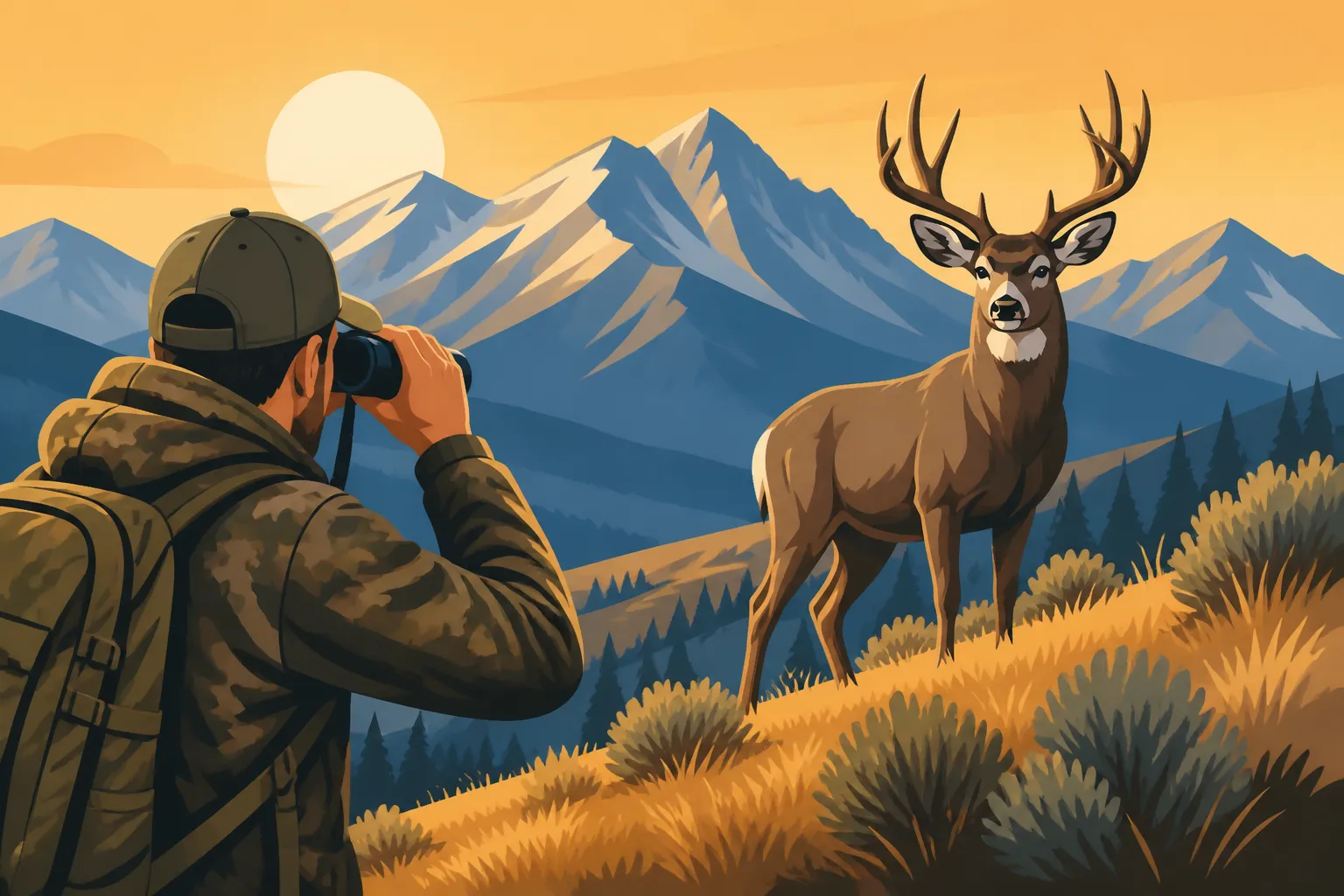
Your days will begin early, often well before dawn. After a quick, hearty breakfast, you and your guide will head out, sometimes on foot directly from camp, other times via truck, ATV, or even horseback to access more remote areas. The primary tactic for mule deer in Montana is often spot-and-stalk. This involves using high-quality optics – binoculars and spotting scopes – to systematically glass vast expanses of country from strategic vantage points. This can be a patient, meticulous process, scanning draws, ridges, and timbered pockets for any sign of deer. Understanding How to Glass for Montana Mule Deer is crucial, and your guide will be a master at it.
Once a buck is spotted, the real chess match begins. Your guide will assess the deer's location, the terrain, the wind direction, and potential cover to formulate a stalking plan. This stalk might involve miles of hiking, crawling through brush, or navigating steep, rocky slopes, all while trying to remain unseen and unheard. The goal is to get within an effective shooting range without spooking the animal. This is where your physical conditioning and mental patience truly pay off. Be prepared for long periods of quiet movement and intense focus. For a deeper dive into specific strategies, you might want to read about Montana Mule Deer Hunting: Spot-and-Stalk Tactics.
Interpreting Mule Deer Behavior and Habitat
A good guide possesses an almost uncanny ability to read the landscape and understand mule deer. They know where deer will bed down during the heat of the day, where they feed in the mornings and evenings, and how they react to different types of pressure, weather, and seasonal changes. You'll learn a tremendous amount just by observing your guide's process. They might point out subtle tracks, rubs, or droppings, explaining what these signs tell them about the deer's recent movements and presence. You’ll also learn to identify key features of Montana Mule Deer Habitat Explained, such as south-facing slopes for winter sun, or dense timber for security cover.
Part of this interpretation involves understanding the mule deer's senses – their incredible eyesight, keen hearing, and excellent sense of smell. Your guide will constantly be mindful of the wind, using thermals (rising and falling air currents) to keep your scent from drifting towards the deer. They'll also instruct you on how to move quietly and use available cover to your advantage. You'll witness firsthand how these magnificent animals blend into their surroundings, often only becoming visible after hours of intense glassing. It's a masterclass in natural history and fieldcraft, making every day a learning experience whether you punch your tag or not.
The Shot, Follow-Up, and Field Dressing
When the moment arrives and you're finally within range of a shooter buck, your guide will typically assist you in confirming the animal, identifying the best shot placement, and ensuring you have a steady rest. This is a high-pressure situation, and your guide is there to help manage the adrenaline and ensure an ethical shot. Take your time, focus on your breathing, and execute the shot you've practiced countless times.
After the shot, the work isn't over. If the deer doesn't drop immediately, your guide will lead the follow-up, using their tracking skills to locate the animal quickly and efficiently. Once recovered, the field dressing process begins. Your guide will expertly help you field dress the animal, ensuring proper care of the meat to prevent spoilage. This often involves quartering the animal, especially in the backcountry, to make it more manageable for packing out. Expect to assist in this process; it’s part of the hunting experience and a critical step in honoring your harvest. For insights into assessing your harvest, consider reading How to Field Judge a Montana Mule Deer Buck.
After the Hunt: Logistics and Memories
The hunt doesn't truly end when the animal is down. There's a whole series of important steps that follow, ensuring your meat and trophy are properly handled and that you depart feeling satisfied and prepared for your next adventure. These final logistics are just as crucial as the hunting itself.
Meat Care and Processing
Once your mule deer is field dressed, the immediate priority is to get the meat cooled down and to a processor as quickly as possible, especially during warmer early seasons. Your guide will assist with this, often using game bags to protect the meat and ensuring it's properly ventilated for the journey out of the field. Depending on the outfitter and the remoteness of the hunt, this might involve packing quarters out on horseback, via ATV, or hiking them out to a waiting vehicle. It’s physically demanding work, and you should expect to lend a hand. For more on handling your harvest, consider the advice in How to Pack Out an Elk in Montana (much of which applies to deer too).
Most outfitters have established relationships with local meat processors and taxidermists in nearby towns. They will typically help arrange for your meat to be dropped off for processing and your trophy (cape and antlers) to be taken to a taxidermist if you choose to have it mounted. You will be responsible for the costs of processing and taxidermy, as well as shipping if you need to transport meat or mounts home. Make sure to discuss these options and costs with your outfitter well in advance so you can budget accordingly and make arrangements for getting your harvest home. This is often an overlooked logistical detail that can add significant cost and complexity if not planned for.
Tipping Your Guide and Camp Staff
While often an uncomfortable topic, tipping is a customary and expected part of a guided hunt. Guides and camp staff work incredibly hard, often from before dawn until late into the night, to ensure you have the best possible experience. Their wages are often supplemented significantly by tips, which serve as a direct reflection of your appreciation for their efforts, knowledge, and dedication.
The general rule of thumb for tipping a hunting guide is around 15-20% of the hunt's base cost, assuming you received good service. This percentage can be adjusted based on the level of service, the guide's effort, and your overall satisfaction. For camp cooks, packers, and other support staff, a smaller amount per person (perhaps $100-$200 for the trip, depending on the length and number of staff) is a thoughtful gesture. Present tips in cash, if possible, and hand them directly to your guide and any other staff members you wish to acknowledge at the end of the trip. Your outfitter can often provide guidance on their preferred tipping protocols.
Departure and Planning Your Next Adventure
As your hunt draws to a close, you'll pack up your gear, say your goodbyes to your guide and the camp staff, and head home. Whether you filled your tag or not, you'll depart with a wealth of new experiences, stories, and potentially a deeper understanding of Montana’s wilderness and its mule deer. Take time to reflect on the challenges, the triumphs, and the lessons learned.
Many hunters find that a guided hunt is just the beginning of their journey. The knowledge gained, the skills honed, and the connections made often inspire future adventures, perhaps even a return to Montana for another Montana Mule Deer Hunting Guide, or a different species. Consider keeping in touch with your outfitter and guide; they are valuable resources and often become friends. And remember, the spirit of hunting isn't just about the harvest; it's about the connection to nature, the pursuit, and the timeless tradition of the chase.
Disclaimer
This article is for general informational purposes only and does not constitute professional advice. Laws, prices and regulations vary by location and change over time. Consult a qualified professional for guidance on your specific situation.