What to Know Before Booking an Outfitter in Great Falls, Montana
Thinking about a guided hunt in the vast, wild stretches around Great Falls, Montana, can feel like stepping into a labyrinth of options and uncertainties. You're dreaming of epic landscapes, abundant wildlife, and that perfect hunting experience, but the reality of choosing the right outfitter, understanding all the nuances, and ensuring your hard-earned money is well spent can be incredibly daunting. This guide is here to untangle that complexity, providing you with the essential knowledge you need to confidently book an outfitter for your Great Falls hunting adventure, covering everything from understanding the local hunting scene to vetting your chosen guide.
Understanding the Great Falls Hunting Landscape
The area surrounding Great Falls offers a unique blend of diverse ecosystems, from the rolling plains to the foothills of the Rocky Mountains. This means a rich tapestry of hunting opportunities that can be both exhilarating and challenging. Knowing what to expect from the terrain and the game animals that call it home is your first step toward selecting an outfitter who can deliver on your expectations.
The Allure of Central Montana Hunting
Central Montana, with Great Falls as a hub, is often overshadowed by the more famous "elk factory" regions or the vast wilderness areas to the west. However, it holds its own distinct charm and excellent hunting prospects. You’ll find a mix of agricultural lands bordering wilder spaces, river bottoms winding through prairies, and significant expanses of public land. This creates a mosaic of habitats that support robust populations of various big game species.
For many hunters, the appeal lies in the genuine feel of the landscape—less intense pressure than some of the more renowned districts, but still offering incredible opportunities. It’s a place where you can find diverse terrain within a relatively short drive, meaning an outfitter here might offer plains antelope hunts one week and then shift gears to chasing elk in the nearby mountains the next. This versatility is a huge draw for those looking for a well-rounded Montana experience. The seasons can vary dramatically, from mild, open fall days to brutal winter conditions, so understanding the regional weather patterns and how they influence animal movement is crucial.
Common Game Species in the Great Falls Area
When you're looking at outfitters operating out of Great Falls, you'll generally find them specializing in a few key species that thrive in central Montana. Understanding which animals are prevalent will help you match your hunting goals with the right outfitter.
-
Mule Deer: The plains and breaks surrounding Great Falls are prime mule deer country. These majestic deer often roam more open terrain, making spot-and-stalk hunting a popular and effective method. Outfitters in this region will typically have extensive knowledge of the local mule deer movements, particularly during the rut. If you're dreaming of a big mule deer buck, the country around Great Falls should definitely be on your radar. You can learn more about finding them in our Montana Mule Deer Hunting Guide.
-
Whitetail Deer: While mule deer dominate the open country, whitetail deer are abundant along the river bottoms and agricultural fringes. The Missouri River, Sun River, and other tributaries provide excellent whitetail habitat, often leading to impressive antler growth. Hunters often pursue whitetails from treestands or ground blinds, ambushing them along natural travel corridors. An outfitter who understands these localized patterns can significantly increase your success rates.
-
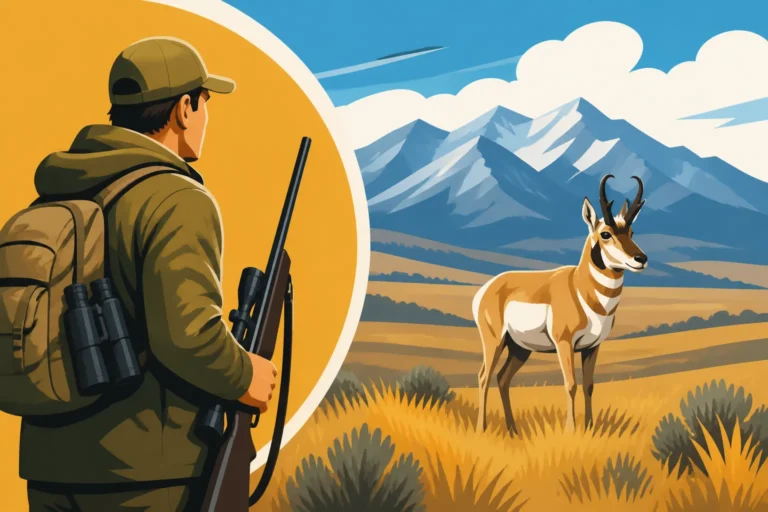
Antelope (Pronghorn): East of Great Falls, the vast open prairies are home to large herds of pronghorn. These speedsters offer an incredibly unique and exciting hunt, often involving patient glassing and strategic stalks across flat terrain. Many outfitters in the Great Falls area will offer dedicated antelope hunts, especially if they have access to private land or extensive public land permits. For many, a Montana antelope hunt is a quintessential western experience. Check out our Montana Antelope Hunting Guide for more insights.
-
Elk: While not as dense as some of the more mountainous western regions, elk can certainly be found in the timbered foothills and mountain ranges west and south of Great Falls. Hunting elk here often requires more strenuous effort, involving traversing rugged terrain. An outfitter specializing in elk in this region will likely focus on specific units known for their elk populations and understand the intricacies of hunting them in mixed public and private land settings. For those seeking the ultimate challenge, finding a knowledgeable elk outfitter is paramount, which you can read more about in our Montana Elk Hunting Outfitters Guide.
-
Black Bear: Spring and fall black bear hunts are also an option with some Great Falls area outfitters, particularly those operating closer to the mountains. These hunts often involve baiting or spot-and-stalk in timbered areas.
Navigating Outfitter Selection for Great Falls
Choosing an outfitter is perhaps the most critical decision you'll make for a guided hunt. It's not just about finding someone with a license; it's about finding the right partner who aligns with your hunting style, expectations, and budget. Especially in an area like Great Falls where diverse opportunities exist, thorough due diligence is key.
Key Considerations When Choosing an Outfitter
Before you even pick up the phone, sit down and honestly assess what you want out of your hunt. Are you after a specific trophy? Is it primarily about filling the freezer? Do you prefer a strenuous backcountry adventure or a more comfortable camp experience? Your answers will help narrow down your choices.
-
Experience and Specialization: Look for an outfitter with deep roots in the Great Falls area. Have they been guiding there for years? Do they specialize in the species you're targeting? A generalist might be okay, but someone who lives and breathes elk in the Little Belt Mountains or mule deer on the plains near Lewistown will likely have superior knowledge. Ask about their typical hunt areas—do they focus on national forests, BLM lands, state lands, or private ranches? Many outfitters will have relationships with private landowners, which can be a huge asset in securing access to quality hunting.
-
Success Rates and Realistic Expectations: Every outfitter will tout their success rates, and for good reason. However, it's vital to dig deeper. What constitutes "success"? Is it opportunities, tags filled, or actual trophy animals? Ask for specific numbers for the species you're pursuing in the exact area you'll be hunting. Be wary of anyone promising 100% success on trophy animals; hunting is unpredictable, and ethical outfitters will emphasize the challenges as much as the potential rewards. Remember, a high opportunity rate with plenty of animals seen can still be a fantastic hunt, even if you don't fill your tag.
-
References are Gold: This is non-negotiable. Any reputable outfitter will gladly provide a list of recent clients (within the last 1-3 years). Don't just email them; pick up the phone and talk. Ask about the quality of the guides, the camp logistics, the food, the physical demands, and if the hunt matched their expectations. Ask if they would hunt with that outfitter again. Websites like BookYourHunt can be a good starting point for finding client reviews, but direct conversations are invaluable.
-
Communication Style: How responsive is the outfitter to your initial inquiries? Do they answer your questions thoroughly, or do you feel rushed? Good communication before you book is often an indicator of how well they'll communicate during your hunt. This is especially important for non-residents who might be traveling a long distance and need clear expectations set.
Licensing, References, and Red Flags
Montana has strict regulations for hunting outfitters and guides. Protecting yourself by verifying their legitimacy is crucial.
-
Verify Licensing: In Montana, all outfitters and guides must be licensed by the Montana Board of Outfitters. Before you send a deposit, verify their license number directly on the state's official licensing website. This protects you from unlicensed operations that could put your hunt and even your safety at risk. Don't just take their word for it or assume a fancy website means they're legit.
-
Insurance and Safety: Ask about their insurance coverage. Reputable outfitters will carry liability insurance. Inquire about their safety protocols, especially if you're booking a hunt in rugged backcountry terrain. What are their plans for medical emergencies? How do they handle difficult weather conditions? These questions might seem a bit much, but they speak to the professionalism and preparedness of the operation.
-
Contract Details: Get everything in writing. The contract should clearly outline the hunt dates, species, cost, what's included (food, lodging, transportation, field care of game), what's not included (license fees, meat processing, taxidermy, tips), and cancellation policies. Read it carefully before signing. Understanding the terms helps prevent misunderstandings later.
-
Red Flags to Watch Out For:
- Unrealistic Guarantees: As mentioned, 100% success on big animals is a major red flag.
- Lack of References: If an outfitter hesitates or refuses to provide references, walk away.
- Demanding Full Payment Upfront: While a deposit is standard, demanding full payment many months in advance, especially without a clear cancellation policy, is questionable.
- Lack of Professionalism: Poor communication, vague answers, or unprofessional conduct during initial contact are strong indicators of potential issues down the road.
- No Online Presence or Bad Reviews: While some excellent small operations might have a minimal online footprint, a complete absence of information or consistently negative reviews on platforms like BookYourHunt or hunting forums should give you pause.
| Feature | Reputable Outfitter | Red Flag Outfitter |
|---|---|---|
| Licensing | Readily provides license number; easily verifiable | Vague about licensing; not listed with state board |
| References | Eager to provide recent client contacts | Hesitant to provide references or provides outdated contacts |
| Success Rates | Realistic estimates based on past performance; discusses challenges | Guarantees success, especially on trophy animals |
| Communication | Prompt, detailed, and professional responses | Slow, vague, or unprofessional communication |
| Contract | Clear, comprehensive written agreement | Vague verbal agreements; minimal written details |
| Payment | Standard deposit (25-50%); balance due closer to hunt | Demands full payment upfront; unclear refund policy |
| Safety | Discusses safety protocols and insurance | No mention of safety or insurance |
| Local Knowledge | Demonstrates deep understanding of specific hunt areas | Generalizes about "Montana hunting" without specifics |
Types of Guided Hunts and What to Expect Near Great Falls
The Great Falls area is diverse enough that outfitters offer a range of hunt styles. Understanding these options will help you pick the one that best suits your comfort level, physical condition, and hunting aspirations.
Different Hunt Packages
Not all guided hunts are created equal. The level of service, effort required from you, and the amenities provided will vary significantly depending on the package.
-
Fully Guided Hunts: This is the most comprehensive option. You'll typically have a dedicated guide (sometimes one-on-one, sometimes one guide for two hunters) who handles all the scouting, game locating, tracking, and field dressing. These hunts often include lodging (which could be anything from a rustic cabin to a comfortable lodge near Great Falls), meals, and transportation during the hunt. This is an excellent choice for first-time western hunters, those new to the Great Falls area, or hunters who simply want to focus on the experience without the logistical headaches. The outfitter takes care of virtually everything from the moment you arrive until you depart. They often have private land access or specific public land permits, allowing for a more controlled and often more successful experience.
-
Semi-Guided Hunts: A step down in intensity from fully guided, semi-guided hunts provide some assistance but require more independence from the hunter. The outfitter might provide a camp, basic meals, maps, and advise you on good hunting areas, but you'll be responsible for your own stalking, shooting, and often retrieval of game. This can be a good middle-ground for hunters who have some western hunting experience and want to save a bit of money while still benefiting from local knowledge and a comfortable base camp. It's crucial to clarify exactly what "semi-guided" entails with any outfitter, as definitions can vary wildly.
-
Drop Camp Hunts: For the more adventurous and self-reliant, drop camps are a fantastic option, particularly in the more rugged areas west of Great Falls. The outfitter packs you and your gear into a remote camp (often by horse or ATV), sets up a basic camp (tent, cooking gear), and then leaves you to hunt on your own. They'll return at a pre-arranged time to pack out your gear and any harvested game. This is essentially a DIY hunt with logistical support, perfect if you enjoy the solitude and challenge of backcountry hunting but don't own horses or specialized packing equipment. Drop camps usually require more physical fitness and hunting skill, as you're entirely responsible for your day-to-day hunting decisions. You can dive deeper into this option by reading our Montana Drop Camp Hunts Explained.
-
Ranch Hunts: Many outfitters in the Great Falls region, particularly those focusing on antelope, mule deer, and whitetail, operate on vast private ranches. These hunts often offer high success rates due to limited hunting pressure and concentrated game. Access can be excellent, and terrain might be less physically demanding than mountain hunts. However, they typically come at a premium price. An outfitter with exclusive access to a quality ranch near, say, Stanford or Denton, can provide an exceptional hunting experience.
Preparing for Your Great Falls Area Hunt
No matter which type of hunt you choose, preparing yourself mentally and physically will significantly enhance your experience and chances of success.
-
Physical Conditioning: Montana hunting, even on the plains, can be physically demanding. If you're hunting elk in the foothills, expect steep climbs, long days, and potentially packing heavy loads. For mule deer and antelope on the prairies, you might cover many miles on foot, often in soft dirt or over uneven ground, in potentially hot or windy conditions. Start a fitness regimen well in advance. Focus on cardio, core strength, and leg endurance. Being in shape means you can hunt harder, longer, and safer. Our Montana Elk Hunt Fitness Plan can offer some great insights.
-
Gear Check: Your outfitter will provide a suggested packing list, but generally, expect to need quality optics (binoculars, spotting scope), appropriate layers for variable weather, comfortable hunting boots, a reliable rifle or bow, and a good backpack for day trips. Central Montana weather can shift dramatically, from warm sunny days to cold, blustery snowstorms, sometimes within hours. Being prepared for anything is key. Don't skimp on footwear; blisters can ruin a hunt faster than anything.
-
Mental Preparation: Hunting in Montana is often a grind. There will be long hours of glassing, tough climbs, cold mornings, and potentially days without seeing your target animal. Develop patience and a resilient mindset. Understand that even with the best outfitter, success is never guaranteed. Embrace the entire experience—the camaraderie, the stunning landscapes, and the challenge—not just the kill. This mental fortitude will make the tough moments manageable and the successful ones even more rewarding.
-
Understanding Regulations: Even on a guided hunt, you are responsible for knowing and adhering to all Montana Fish, Wildlife & Parks (FWP) regulations. Your outfitter will guide you, but familiarizing yourself with the general rules, legal shoot times, and species-specific requirements is part of being a responsible hunter. Resources like GoHunt often provide detailed breakdowns of regulations and draw odds, which can be invaluable before and even during your hunt.
Budgeting and Booking Your Great Falls Adventure
The cost of a guided hunt in Montana can vary widely, and it's essential to have a clear understanding of all financial aspects before committing. Beyond the sticker price, there are often hidden or overlooked expenses that can add up quickly.
Understanding Costs and Deposits
Guided hunts are an investment, and like any investment, you want to know exactly what you’re paying for. Prices for guided hunts around Great Falls will depend on the species, duration, level of service, and access to private land.
- Base Hunt Cost: This is the primary fee quoted by the outfitter. It covers the services outlined in your contract (guide, lodging, meals, field transportation, field care of game).
- License and Tag Fees: As a non-resident, your Montana hunting license and tags will be a significant expense, separate from the outfitter's fee. You'll need to apply for these well in advance through the Montana FWP draw system. For elk and deer, this usually involves applying for a combination license. If you're pursuing a specific permit hunt in a district near Great Falls, you'll need to secure that permit through the draw as well. Platforms like GoHunt offer incredible tools to research draw odds and application strategies for various units and species. It's critical to understand the draw process and deadlines, as drawing a tag is the first hurdle. Our Montana Nonresident License Draw Explained covers this in detail.
- Travel Expenses: Don't forget the cost of getting to Great Falls (flights, fuel, rental car) and any pre- or post-hunt lodging.
- Gratuities (Tips): Tipping your guide and camp staff is customary and expected. This is a significant expense that often gets overlooked in initial budgeting. A good rule of thumb is 10-20% of the hunt's base cost, distributed among the staff who served you.
- Meat Processing and Taxidermy: If you harvest an animal, you'll need to pay for meat processing (unless you process it yourself) and potentially taxidermy. Many outfitters can recommend local services in the Great Falls area, but these costs are yours. Shipping meat or trophies home can also be expensive.
- Gear and Miscellaneous: New gear, ammunition, snacks, beverages, and other personal items will add to your total cost.
Deposits: Most outfitters require a non-refundable deposit to secure your hunt dates. This typically ranges from 25% to 50% of the total hunt cost. The remaining balance is usually due 30-90 days before the hunt. Always clarify the cancellation policy before paying any deposit. What happens if you can't draw a tag? Can the deposit be rolled over to the next year? These are crucial questions.
The Best Time to Book and What to Expect After Booking
Montana's best outfitters, especially those with a strong reputation in the Great Falls area, book up quickly. Planning ahead is absolutely essential.
-
Booking Timeline: For prime dates, especially for popular species like elk or trophy mule deer, plan to book your hunt 1-2 years in advance. Top outfitters often have clients rebooking year after year, leaving limited openings. If you're looking for a last-minute cancellation or an off-peak slot, you might find something closer to the season, but your options will be significantly more limited. Resources like BookYourHunt can sometimes highlight available dates from various outfitters, but for the best selection, early booking is key.
-
After Booking and Drawing: Once you've booked your hunt and ideally drawn your tags, stay in regular communication with your outfitter. They should provide more detailed information on packing lists, travel arrangements, physical preparation recommendations, and any updates on local hunting conditions. This ongoing dialogue ensures you're both on the same page and helps build rapport before your arrival. Don't be afraid to ask questions as they arise; a good outfitter wants you to be well-prepared and excited for your adventure. You might get access to resources from GoHunt that detail scouting for your particular unit.
-
Permit and License Strategy: For non-residents, particularly, applying for licenses and permits correctly is critical. Your outfitter can often advise on which hunting districts (HUs) near Great Falls typically offer better draw odds or match your hunting goals, but you are responsible for the application process. Utilizing preference points or bonus points effectively can dramatically increase your chances of drawing a desirable tag in future years. Our guide on Montana Preference Points vs Bonus Points can illuminate this complex system.
By thoroughly researching, asking the right questions, and preparing both physically and financially, you can greatly increase your chances of a successful and memorable guided hunting experience in the wild country around Great Falls, Montana.
Disclaimer
This article is for general informational purposes only and does not constitute professional advice. Laws, prices and regulations vary by location and change over time. Consult a qualified professional for guidance on your specific situation.