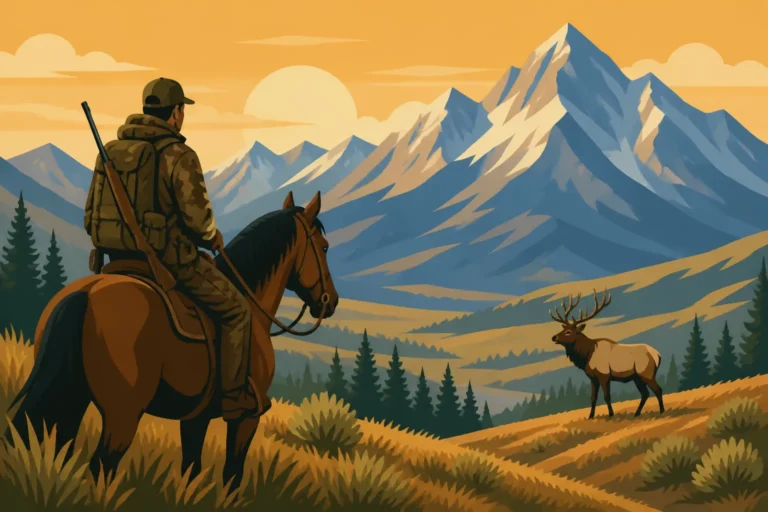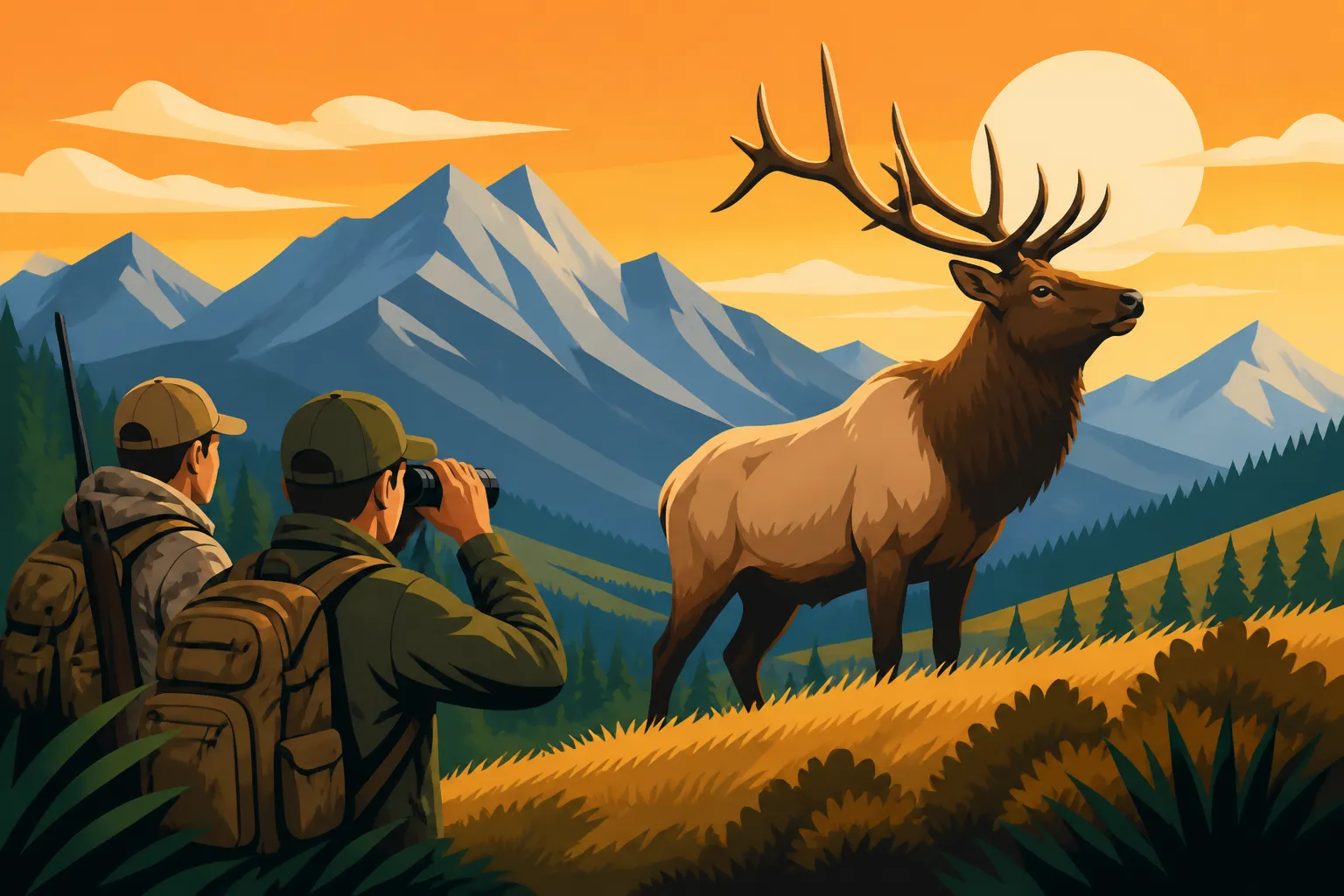
What to Expect on a Guided Montana Elk Hunt
The dream of a Montana elk hunt often conjures images of majestic bulls bugling in crisp mountain air, but the reality of planning such an adventure, especially for nonresidents, can quickly become overwhelming. From navigating complex draw systems to understanding the vast and challenging terrain, it's easy to feel lost before you even begin. This comprehensive guide is designed to demystify the process of a guided Montana elk hunt, offering a realistic look at what to expect every step of the way, so you can transform that dream into a successful and unforgettable experience.
The Decision to Go Guided: Why It's More Than Just a Convenience
For many, the allure of a do-it-yourself (DIY) hunt in Montana is strong, a testament to the rugged individualism often associated with western hunting. However, the sheer scale and complexity of Montana's elk country, coupled with the state's unique regulations and intense competition for tags, can quickly turn an aspiration into a logistical nightmare. A guided hunt isn't just about someone else doing the heavy lifting; it's often the smartest investment for success and sanity, particularly for first-timers or those with limited time.
Navigating Montana's Complexities for Nonresidents
As a nonresident, the challenges begin long before you even set foot in the field. Montana's hunting license draw system is notoriously competitive, and understanding the nuances of preference points versus bonus points, and how to apply for a coveted Montana Nonresident Combination License, can feel like learning a new language. You're not just applying for a tag; you're often competing against thousands of other hopeful hunters for a limited number of opportunities.
Beyond the draw, choosing the right hunting district is a monumental task. Montana has over 100 elk hunting districts, each with its own specific regulations, public land access challenges, and varying elk populations. Without intimate local knowledge, it's incredibly difficult to decipher which districts offer the best chance of success, especially when factoring in variables like hunter pressure, terrain, and historical elk movement. For more on this, check out our guide on Montana Nonresident License Draw Explained.
The Value of Local Expertise and Logistics
An experienced Montana outfitter brings an unparalleled depth of knowledge that goes far beyond what you can glean from maps and online forums. They live and breathe the local landscape, intimately understanding elk behavior, migration patterns, and preferred habitats in specific units. This isn't just about knowing where the elk are, but why they are there, and how they react to changing weather, hunting pressure, and feed availability throughout the season.
Furthermore, the logistical burden of a backcountry elk hunt is immense. Think about the challenges: securing proper transportation into remote areas, setting up a comfortable and functional camp in rugged terrain, ensuring a reliable food and water supply, and having the right equipment for any contingency. Guides handle all of this, from horse-packing into the Bob Marshall Wilderness to navigating private land access in the agriculturally rich river bottoms. Their expertise ensures not only your hunting efficiency but also your safety and overall experience in a state that demands respect for its wild nature.
Understanding Different Types of Guided Elk Hunts in Montana
Montana offers a diverse array of guided elk hunting experiences, catering to different fitness levels, budget considerations, and preferred styles of hunting. Knowing the distinctions is crucial in selecting the right adventure for you. Each type of hunt presents its own unique set of challenges and rewards, from the raw, immersive experience of a wilderness pack trip to the comfortable amenities of a lodge-based outing.
Fully Guided Backcountry Adventures
This is often the quintessential "Montana elk hunt" for those seeking a truly immersive and physically demanding experience. These hunts typically involve packing in by horseback or foot deep into vast wilderness areas or national forests, far from roads and crowds. Your outfitter and guides will handle all aspects, from setting up a comfortable spike camp or wall tent camp, to cooking meals, scouting, and, of course, guiding you to elk.
Expect days to be long and physically arduous, often covering many miles on foot in steep, rugged terrain, at elevations that can test even seasoned hunters. The reward, however, is an unrivaled sense of wilderness adventure and the chance to pursue elk in their wildest, least disturbed habitats. Getting the elk out of these remote areas once you’ve punched your tag is a significant undertaking, and your guides will be indispensable for packing out meat and antlers, often using horses or mules. If you're considering this, you'll definitely want to understand Montana Backcountry Hunting Guide.
Lodge-Based and Ranch Hunts
For hunters who prefer more creature comforts and potentially less strenuous daily travel, lodge-based or private ranch hunts are an excellent option. These operations often provide comfortable accommodations, hot meals, and access to prime private land that sees less hunting pressure. While you might still spend full days hunting in rugged country, your evenings will likely be spent in a warm bed with hot showers and hearty food, a welcome relief after a long day afield.
Many private ranch hunts also leverage vehicles, UTVs, or horses to access hunting areas more efficiently, allowing hunters to cover more ground or reach distant glassing points. This style of hunt can be particularly appealing to older hunters, those with physical limitations, or anyone prioritizing a high-quality, less physically grueling experience without sacrificing the thrill of the hunt. It's often a blend of spot-and-stalk tactics on open hillsides and strategically placed blinds or stands near water sources or feeding areas.
Drop Camps and Semi-Guided Options
Bridging the gap between a fully guided hunt and a full DIY adventure are drop camps and semi-guided services. A drop camp involves an outfitter packing you and your gear into a remote location, setting up a basic camp (often a wall tent), and then leaving you to hunt independently for a set number of days. They return at a pre-arranged time to pack out you, your gear, and hopefully your elk. This option significantly reduces the logistical burden of getting deep into the backcountry, but you are still responsible for all the hunting, cooking, and navigating once dropped off.
Semi-guided hunts vary widely but typically involve the outfitter providing some level of assistance without being with you in the field every hour. This might include providing detailed maps, pointing you to promising areas, transporting you to trailheads, or offering advice on current elk movement. Both drop camps and semi-guided hunts are generally more affordable than fully guided options and are ideal for experienced hunters who are confident in their abilities but want some assistance with access or logistics in unfamiliar territory. These options demand a solid understanding of Montana DIY Elk Hunting Guide.
The Application Process and Licensing: Getting Your Foot in the Door
Successfully securing a tag is the first, and often most stressful, hurdle for any nonresident planning a Montana elk hunt. Montana’s system is unique, requiring careful attention to detail and a strategic approach, especially given the state's popularity. Don't underestimate the importance of understanding the draw; it can make or break your hunting dreams.
Nonresident Combination Licenses and Draw Odds
For nonresidents, the primary pathway to hunting elk in Montana is through the Nonresident Big Game Combination License or the Nonresident Elk Combination License. These licenses include your base hunting license, conservation license, the Archery-Aids & Upland Game Bird license (if pursuing those species), and either general deer/elk tags or just an elk tag, along with fishing. The draw for these highly sought-after tags typically occurs in March, with applications usually due by April 1st.
Montana employs a preference point system for its general nonresident combination licenses. Each year you apply and are unsuccessful, you can purchase a preference point. These points are then applied to increase your chances in subsequent draws. It's a system designed to reward persistence, but point creep (where the number of points needed to draw steadily increases) is a real factor. Understanding how many points are typically required for your desired hunt district, or if you should build points for several years, is critical. Our article, Montana Nonresident Combination License Guide, provides an in-depth look at this process. For a complete overview of the application process, you’ll find How to Apply for a Montana Hunting License an invaluable resource.
Outfitter-Sponsored Tags: A Different Pathway
For those who want to significantly increase their odds of drawing a coveted elk tag, particularly in limited-entry areas or for prime dates, considering an outfitter-sponsored tag is a viable strategy. Montana allocates a portion of its nonresident tags to be drawn exclusively by hunters who have booked a hunt with a licensed Montana outfitter. This creates a separate draw pool, often with much better odds than the general nonresident draw.
While these tags typically come with the requirement of a booked hunt, they can be a game-changer for nonresidents who have struggled for years in the general draw or who are targeting specific, high-demand units. It's a more expensive route, as it combines the cost of the hunt with the premium of a higher draw probability, but for many, it's a worthwhile investment to guarantee a chance to hunt in the Treasure State. To dive deeper into this specific avenue, check out our detailed explanation of Montana Outfitter-Sponsored Tags Explained. This system benefits both the hunter seeking higher odds and the outfitters who rely on these allocations to secure clients.
Costs and Budgeting: What You'll Actually Pay
Let's be realistic: a guided Montana elk hunt is a significant investment. It's not a cheap endeavor, and understanding the full financial picture upfront is crucial to avoid sticker shock and plan effectively. The costs can vary wildly depending on the type of hunt, its duration, the outfitter's reputation, and what's included in the package.
Breaking Down the Core Hunt Price
The base price of a guided elk hunt in Montana can range anywhere from $5,000 to over $15,000, and sometimes even higher for extremely exclusive, high-success trophy hunts. Factors influencing this price include:
- Duration: Most guided hunts are 5-7 hunting days, but some can be shorter or longer.
- Level of Service: Fully guided, semi-guided, or drop camp services each come with different price points. A fully guided backcountry pack-in hunt with horses and full camp staff will naturally be at the higher end.
- Trophy Potential: Hunts in areas known for larger, older bulls or with exceptionally high success rates often command a premium.
- Season: Early season archery hunts or late-season rifle hunts might be priced differently depending on historical success rates and demand.
- Outfitter's Reputation: Well-established outfitters with a long track record of success and excellent customer service often charge more.
It's important to get a detailed breakdown from any outfitter you're considering, listing exactly what's included (e.g., food, lodging, transportation from a specific meeting point, guide-to-hunter ratio) and what is not. For a detailed breakdown of what to budget, see our article How Much Does a Montana Elk Outfitter Cost.
Hidden Expenses and Gratuities
Beyond the core hunt price, several other costs can quickly add up and catch unsuspecting hunters off guard. These "hidden" expenses are legitimate parts of the overall investment.
- Licenses and Tags: Even with an outfitter-sponsored tag, you'll still pay the state fees for your Montana hunting license and elk tag. For nonresidents, these can run well over $1,200 for a combination license.
- Travel Costs: Flights to Montana (typically to major hubs like Bozeman, Missoula, or Billings), rental cars, and potentially pre/post-hunt lodging add up.
- Meat Processing and Shipping: If successful, you'll need to pay for your elk to be professionally processed. If you're flying home, shipping hundreds of pounds of frozen meat is a significant expense, often $500-$1000 or more depending on distance and weight. Many outfitters can assist with coordinating this, but the cost falls to you.
- Taxidermy: If you harvest a trophy bull, the cost of taxidermy is another major consideration, often $1,000-$3,000+ for a shoulder mount.
- Gear Upgrades: While outfitters often provide a packing list, you might realize you need new boots, a better backpack, or specific layers to handle Montana's unpredictable weather.
- Gratuities: Tipping your guide and camp staff is customary and expected in the hunting industry, much like in a restaurant or other service professions. A general guideline is 10-20% of the hunt's cost for the guide, to be split if multiple guides were involved, plus a smaller amount for camp cooks or other support staff. This is a substantial sum that needs to be factored into your budget.
Here’s a simplified table illustrating potential costs for a typical 7-day guided Montana elk hunt:
| Expense Category | Low End Estimate | High End Estimate | Notes |
|---|---|---|---|
| Hunt Package (7 Days) | $7,000 | $15,000+ | Depends on type (backcountry, lodge), outfitter, amenities |
| Nonresident License/Tag | $1,200 | $1,400 | Combination license, conservation stamp, etc. |
| Travel (Flights/Car) | $800 | $2,000 | Varies by origin, timing, rental car choice |
| Pre/Post-Hunt Lodging | $200 | $500 | May be needed before/after hunt |
| Meat Processing | $300 | $700 | Based on average elk weight |
| Meat Shipping (if needed) | $500 | $1,500 | Varies by distance, service, weight |
| Taxidermy (if trophy) | $0 | $3,000+ | Optional, depending on success and desire |
| Gear/Supplies | $200 | $1,000 | Batteries, snacks, small items, upgrades |
| Gratuities (10-20%) | $700 | $3,000 | For guide(s) and camp staff |
| Total Estimated Cost | $10,900 | $28,100+ | A significant investment! |
Always communicate clearly with your outfitter about expected additional costs so you can budget accurately and avoid any unpleasant surprises.
Physical and Mental Preparation: Getting Ready for the Mountain
Montana elk hunting is not for the faint of heart or the out of shape. The mountains are unforgiving, and elk often inhabit the steepest, nastiest, and most remote terrain. Your physical and mental readiness will play a monumental role in your enjoyment, safety, and ultimately, your success on a guided hunt. Don't underestimate this aspect; it's often the difference between pushing through and calling it quits.
Conditioning Your Body for Montana Terrain
The physical demands of elk hunting are immense. You'll be climbing steep grades at high altitudes, navigating uneven ground, potentially carrying a heavy pack, and enduring long hours in the field. This isn't just a leisurely hike; it's an athletic event. Starting a dedicated fitness regimen months before your hunt is non-negotiable.
Focus on cardiovascular endurance through activities like hiking, running, or cycling. Incorporate strength training, particularly targeting your legs, core, and back, which will be crucial for climbing and packing. Most importantly, practice hiking with your actual hunting pack, loaded with weight, simulating the conditions you'll encounter. Find the steepest hills or stairs you can and hit them hard. If you live at sea level, be aware that Montana's hunting elevations, often between 6,000 and 10,000 feet, will present an additional challenge. Being in peak physical condition will help your body acclimate better to the thinner air, reduce fatigue, and allow you to keep up with your guide when the moment of truth arrives. For specific training ideas, our How to Physically Prepare for a Montana Elk Hunt guide offers excellent advice.
Mental Fortitude and Realistic Expectations
Beyond physical conditioning, mental toughness is paramount. Elk hunting involves long days, early mornings, and often challenging weather conditions, from scorching sun to freezing rain or heavy snow. You might walk for miles without seeing an animal, hear distant bugles that never materialize, or miss a shot when an opportunity finally arises. Frustration and disappointment are natural parts of the hunting experience.
A guided hunt is not a guaranteed kill. While outfitters work incredibly hard to put you on animals, elk are wild creatures, and success rates, even with the best guides, are never 100%. Go into the experience with realistic expectations. Focus on the journey, the camaraderie with your guide, the stunning Montana landscapes, and the challenge of the pursuit. Embrace the discomfort, learn from the experience, and savor every moment, regardless of whether you punch your tag. Your mental attitude will significantly influence how much you enjoy the hunt, even if it doesn't end with a freezer full of meat.
Essential Gear and Equipment: What to Pack and What to Leave Home
Packing for a Montana elk hunt can be a delicate balance. You need to be prepared for every conceivable weather condition and hunting scenario, but also minimize weight, especially if you're on a pack-in hunt. Your outfitter will provide a detailed gear list, and it's imperative to adhere to it closely, as they know exactly what's needed for their specific hunting areas.
Clothing, Footwear, and Layering Systems
Montana weather is famously unpredictable; you can experience all four seasons in a single day. The key to staying comfortable and safe is a quality layering system. Start with moisture-wicking base layers (merino wool or synthetics are excellent) to pull sweat away from your skin. Add insulating mid-layers (fleece or puff jackets) for warmth. Your outer layers should be durable, waterproof, windproof, and breathable to protect against the elements. Avoid cotton at all costs, as it absorbs moisture and loses its insulating properties when wet.
High-quality, broken-in hunting boots are perhaps your most critical piece of gear. They need to be waterproof, offer excellent ankle support for rough terrain, and fit comfortably for miles of walking. Do not bring brand-new boots on an elk hunt; they will cause blisters and misery. Complement your boots with good wool or synthetic socks to prevent friction and wick moisture. For an in-depth look at what footwear to choose, consult our guide on Best Boots for Montana Elk Hunting. And for a general overview of everything, check out the Montana Backcountry Hunting Gear List.
Optics, Weapons, and Backpacks
Your optical system is crucial for spotting elk in Montana's vast landscapes. A good pair of 10x binoculars is a minimum, and many hunters find a spotting scope (15-45x or 20-60x) invaluable for evaluating animals at a distance without having to cover unnecessary ground. Don't forget a quality rangefinder. Your guide will likely have their own optics, but having your own allows you to actively participate in glassing and spotting. For more on this topic, read our guide on Best Optics for Montana Big Game.
When it comes to your weapon, ensure it is sighted in perfectly and that you are proficient with it at various ranges. Practice shooting from different field positions (kneeling, sitting, prone), not just from a bench. Discuss appropriate calibers for elk with your outfitter; generally, anything from a .270 Win up to a .300 Win Mag or .338 Win Mag is suitable. Bowhunters should ensure their setup is tuned and they can consistently hit their target accurately under pressure.
Finally, a comfortable and capable backpack is essential. For day hunts, a 30-45 liter pack will suffice for extra layers, water, snacks, and personal items. If you're on a backcountry hunt or expect to participate in packing out meat, a larger frame pack (65+ liters) with the capacity to carry heavy loads comfortably is a must. Brands like Mystery Ranch, Kifaru, or Stone Glacier are popular for their durability and load-hauling capabilities in the western mountains. Our piece on Best Backpack for a Montana Elk Hunt can offer more insights. You might find resources like GoHunt helpful for researching detailed gear reviews and recommendations before making significant purchases.
The Hunt Itself: Daily Life and Tactics on a Guided Trip
Once you've arrived, settled into camp, and reviewed the plan with your outfitter and guides, the real adventure begins. Guided hunts are structured to maximize your chances of success, leveraging the guide's expertise and knowledge of the terrain and animals. Understanding the daily rhythm and common tactics will help you prepare mentally for what's ahead.
A Typical Day in Camp and the Field
Expect early mornings. Very early. In many camps, reveille might be before first light, sometimes as early as 3:00 or 4:00 AM, to allow for a hearty breakfast and travel to the hunting grounds before sunrise. Breakfasts are typically substantial, fueling you for the day ahead.
Travel to hunting areas can involve horseback riding, hiking, or vehicle transport. Once in the field, days are spent actively searching for elk. This might involve long hours of glassing from high vantage points, still-hunting through timber, or covering ground to reach prime bedding or feeding areas. Lunch is often a packed affair eaten in the field, allowing you to maximize hunting time. Evenings involve returning to camp, a warm dinner, sharing stories, and discussing the next day's strategy with your guides. It's a demanding routine, but one that puts you in the best position for success.
Hunting Methods and Strategies Used by Guides
Montana guides employ a variety of tactics tailored to the terrain, time of year, and elk behavior. The specific methods will largely depend on the type of hunt you've chosen and the area you're in.
- Spot-and-Stalk: This is a cornerstone of western elk hunting, especially in more open country. Guides use high-quality optics to locate elk from a distance, then plan a stealthy approach to get within shooting range. This requires patience, keen observation, and the ability to move quietly and efficiently through rugged landscapes.
- Calling: During the archery season and the peak of the rifle rut, calling can be incredibly effective. Guides are masters of elk vocalizations, using bugles, cow calls, and chuckles to locate bulls, draw them in, or stop them for a shot. For a comprehensive overview, read our Montana Elk Hunting Methods Explained and How to Call Elk in Montana articles.
- Ambush/Still-hunting: In thick timber or along game trails connecting bedding and feeding areas, guides might lead you on slow, quiet still-hunts, meticulously scanning for signs of elk. They might also set up ambushes near water holes, wallows, or pinch points where elk are known to travel.
- Thermals and Wind: Guides are acutely aware of wind direction and thermal currents, which are crucial for remaining undetected by an elk's incredibly keen sense of smell. They will constantly monitor these factors and adjust your approach accordingly.
Many outfitters listed on platforms like BookYourHunt specialize in particular methods or regions, so you can often find a guide whose expertise aligns with your preferred hunting style. Your role is to follow your guide's instructions precisely, remain vigilant, and be ready to shoot when an opportunity arises.
After the Shot: Field Dressing, Packing, and Meat Care
If you're fortunate enough to harvest an elk, the real work begins. Your guides will be instrumental in this critical phase. Field dressing an elk quickly and efficiently is paramount to preserving the meat, especially in warmer early-season conditions. Your guides will expertly handle the gutting, quartering, and preparing the animal for transport.
Packing out an elk from remote areas is physically grueling and often involves multiple trips. Whether by horse or human power, your guides will lead this effort, ensuring the meat is handled hygienically and transported safely back to camp or the trailhead. Proper meat care is non-negotiable in Montana, as temperatures can fluctuate wildly, and spoilage is a real concern. They will know the best techniques for cooling meat quickly, whether it's hanging it in the shade, placing it on game bags in a cool stream, or packing it with snow. For practical advice, review How to Pack Out an Elk in Montana and How to Keep Elk Meat Cool in Montana's Early Season. This is where the value of a guide truly shines, as mishandling meat can ruin an otherwise successful hunt.
Post-Hunt Logistics and Memories
The hunt doesn't end when the shot is fired or even when you leave camp. There are still crucial logistics to manage and memories to cherish, ensuring that your Montana experience is complete and lasting.
Meat Processing and Taxidermy
Once your elk meat arrives at the trailhead or processing facility, your guide can often recommend local meat processors who are experienced with wild game. These processors will cut, wrap, and freeze your meat according to your specifications. If you're a nonresident and flying home, the processor can often coordinate shipping your frozen meat to your doorstep via specialty shippers. Be prepared for the additional cost and planning involved in this process.
If you harvested a trophy bull, your guide will also assist with caping the animal properly for taxidermy. They'll ensure the hide is prepared correctly to prevent spoilage, ready for transport to a taxidermist of your choice. Many outfitters have trusted taxidermists they work with, or you can opt to ship the cape and antlers to your preferred taxidermist back home.
Reliving the Experience and Planning for the Future
Beyond the physical spoils, a guided Montana elk hunt offers a wealth of intangible rewards. Take the time to reflect on your adventure. Journaling about your daily experiences, conversations with your guide, and observations of the wildlife and landscape will help solidify those memories. Organize your photos and videos. Share your stories with friends and family. The friendships forged with your guides and fellow hunters can last a lifetime, built on shared challenges and triumphs in the wild.
Even if you didn't punch your tag, the lessons learned, the physical challenge met, and the sheer beauty of Montana will stay with you. Many hunters find themselves already planning their next trip, whether it's another guided hunt, a different species, or even venturing out on a DIY adventure with newfound confidence. Montana has a way of getting into your blood, calling you back to its mountains year after year.
Disclaimer
Please be aware that hunting regulations, license costs, and draw processes in Montana are subject to change annually. Always consult the latest Montana Fish, Wildlife & Parks (FWP) regulations and official sources before planning and embarking on any hunting trip. This guide provides general information and recommendations, but it is not a substitute for official FWP resources or professional legal advice.