Best Block Management Areas for Antelope
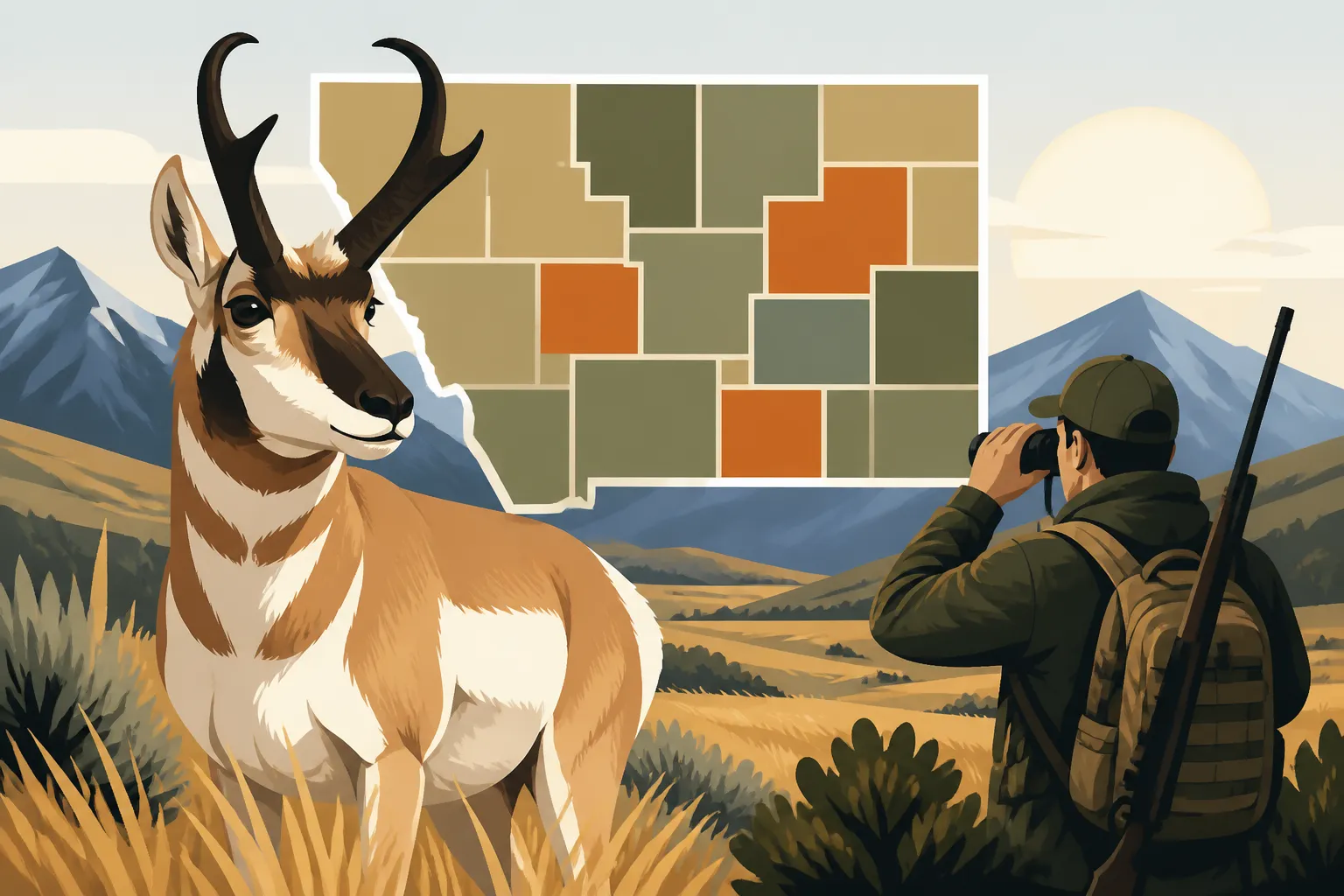
There's nothing quite as frustrating as dreaming of a Montana antelope hunt, only to be met with countless "No Trespassing" signs across vast stretches of prime habitat. Antelope, with their love for open plains and expansive vistas, often find themselves living on private ranch lands, leaving public land hunters feeling like they're perpetually on the outside looking in. This guide is here to shed light on one of Montana's most valuable resources for DIY antelope hunters: Block Management Areas (BMAs), showing you how to find and hunt the best of them.
The Lifeline of Public Access: Understanding Montana's Block Management for Antelope
For many of us who cherish the idea of a self-guided hunt, the Block Management Program is a true godsend. It's Montana's answer to the challenge of providing public hunting access on privately owned land, and it opens up countless opportunities that would otherwise be completely off-limits. Understanding this program is the first step to unlocking some incredible antelope hunting experiences.
What Exactly is a Block Management Area?
At its core, a Block Management Area is a piece of private property where the landowner has signed an agreement with Montana Fish, Wildlife & Parks (FWP) to allow public hunting access. These agreements vary widely, and that's key. Some BMAs are vast, encompassing thousands of acres of rolling prairie, while others might be smaller parcels acting as critical connectors between existing public lands. The landowner receives benefits, often financial or in the form of game management assistance, and in return, hunters get access. It's a win-win, provided everyone respects the rules.
These rules are paramount. Each BMA has its own set of guidelines, which can include things like designated parking areas, specific entry and exit points, hunting hours, weapon restrictions, and limits on the number of hunters allowed each day. You might find areas that require you to sign in at a physical box, while others use a reservation system through the FWP website. Missing these details can quickly turn a hopeful hunt into a frustrating, or even illegal, situation. Think of it as having a unique key for each BMA, and you absolutely need to know how that key works before you try to open the gate.
Why BMAs are a Game-Changer for Antelope Hunters
Antelope are creatures of the open, preferring the wide-open grasslands and subtle topography of the prairie. While Montana has abundant public lands, much of the very best antelope habitat, particularly across the eastern two-thirds of the state, falls on private agricultural and ranch lands. Without Block Management, many fantastic antelope populations would be largely inaccessible to the average hunter. This program literally opens the gates to acres upon acres where you can pursue these swift prairie ghosts.
Consider the challenge: a gorgeous buck might be feeding in a lush alfalfa field, or bedded down in a slight depression on a rolling sagebrush hill. Without Block Management, you'd likely just drive past, watching from afar. But with BMA access, you can potentially develop a How to Spot-and-Stalk Antelope in Montana plan, considering the wind, using those subtle terrain features for cover, and making a move. It transforms what would be a scouting trip into an actual hunting opportunity. Furthermore, because BMAs often require a bit more legwork to research and navigate, they can sometimes see less pressure than readily accessible public land, offering a more solitary experience if you're willing to put in the effort. This is particularly true if you’re looking to find a quality buck and want to avoid areas overrun with hunters.
Pinpointing the Prairie Gold: Characteristics of Top Antelope BMAs
Not all BMAs are created equal, especially when it comes to antelope. To maximize your chances, you need to understand what makes a particular Block Management Area ideal for these wary creatures. It's about looking at the landscape through an antelope's eyes.
Decoding Prime Antelope Habitat Within BMAs
When you're sifting through the FWP Block Management Atlas or scouting digitally, you're looking for specific features that scream "antelope haven." First and foremost, water is king, especially in the often-arid plains where antelope thrive. Stock ponds, small reservoirs, or even a sluggish creek winding through the property can act as magnets, drawing antelope in for their daily drink. These areas can be prime spots for setting up a ground blind if you're trying How to Sit Water for Montana Antelope, especially during hot early-season hunts.
Beyond water, look for a mix of terrain and vegetation. While antelope love open country for their incredible eyesight, they also need subtle breaks in the land for cover. Think coulees, draws, gentle rolling hills, and patches of taller sagebrush or brushy creek bottoms where they can bed down out of the wind and sun. Agricultural fields, particularly alfalfa or winter wheat, can also be major draws, providing high-energy forage. These fields, often found on private lands, are precisely why BMAs are so valuable; they grant access to these coveted food sources. A BMA that combines accessible water, varied topography for stalking, and a good food source is a goldmine.
Regional Hotspots for Antelope Block Management
While antelope are widespread across Montana, the eastern plains truly represent the heart of antelope country. Regions 6 and 7, which encompass vast expanses of the eastern half of the state, consistently offer the most significant number of antelope and, consequently, a higher density of promising BMAs. Areas around places like Malta, Glasgow, Miles City, and Broadus are famous for their pronghorn populations.
These regions are characterized by their expansive shortgrass prairies, punctuated by agricultural fields, river breaks, and isolated buttes. Here, you'll find BMAs that are often thousands of acres, offering ample room for extensive scouting and hunting without constantly running into fences or other hunters. The sheer scale of these landscapes lends itself perfectly to Montana Antelope Hunting Guide strategies. While central Montana also holds antelope, the BMAs there might be smaller or more fragmented, requiring a different approach. The key takeaway is to focus your research on those eastern regions if antelope are your primary target.
Here's a quick look at characteristics to prioritize when scouting Block Management Areas for antelope:
| Characteristic | Importance for Antelope | Why it Matters for Hunting |
|---|---|---|
| Water Sources | Critical for survival | Excellent ambush points, especially in dry periods or late season. |
| Rolling Topography | Hiding cover for bedding | Provides natural stalking lanes and breaks in visibility for hunters. |
| Sagebrush/Grassland | Primary forage and cover | Offers food and subtle cover, ideal habitat. |
| Agricultural Fields | High-energy food source | Draws antelope, creating feeding patterns to exploit. |
| Large Acreage | Room to roam, less pressure | Allows for extensive spot-and-stalk, reduces competition with other hunters. |
| Isolated Public Land | Often connected by BMAs | BMAs can link smaller public parcels into huntable units. |
Tactics for Success in Montana Antelope BMAs
Once you've identified a promising Block Management Area, it's time to shift your focus to execution. Antelope are notoriously difficult to hunt due to their incredible eyesight and speed, but with the right strategies and respect for BMA rules, success is absolutely within reach.
Mastering the Art of the Antelope Stalk
The classic Montana Elk Hunting: Spot-and-Stalk Tactics for antelope is arguably the most exciting and challenging way to pursue them in Block Management Areas. Antelope vision is legendary; they can spot movement from incredible distances, making a successful stalk a true test of patience and skill. The strategy begins with extensive glassing from a vantage point. With a good pair of binoculars and a spotting scope, you'll spend hours picking apart the landscape, locating bucks and observing their patterns. Look for feeding, bedding, and travel routes between water and food.
Once you’ve identified a target buck, the real work begins. You’ll need to meticulously plan your approach, utilizing every fold in the terrain, every patch of tall sage, and every fence line for cover. The wind is always a critical factor; antelope might not have the scenting power of deer or elk, but they can still bust you if the wind is swirling. A successful stalk might involve crawling hundreds of yards on your belly, using binoculars frequently to check on the antelope's position, and adjusting your route constantly. It's mentally taxing, physically demanding, and incredibly rewarding when it comes together. Remember, BMAs often have subtle elevation changes and coulees that, while seemingly minor, can provide just enough cover to get within range.
Beyond the Stalk: Decoys and Water Holes
While spot-and-stalk is dominant, other tactics can be highly effective in certain BMA scenarios. How to Decoy Antelope in Montana is a particularly exciting method, especially during the rut or even in the pre-rut when bucks are territorial and curious. A realistic antelope decoy, often a buck decoy, can draw a challenging buck right into shooting range. This works best in very open country where the decoy is highly visible and the approaching buck has no other cover to investigate. A BMA with expansive, flat terrain, common in parts of eastern Montana, provides the perfect stage for this high-adrenaline tactic.
Another excellent strategy, especially if you're hunting during warm weather or in a BMA with limited water sources, is to sit a water hole. Antelope need to drink, and they will visit reliable water sources throughout the day, particularly in the mornings and evenings. Setting up a ground blind well in advance, downwind and out of sight, near a stock pond or reservoir can offer a high-odds opportunity. This can be a more stationary hunt, requiring patience, but it often yields success, especially for archery hunters looking for closer shots. When looking at BMA maps, pay close attention to the location of these vital water sources.
Navigating BMA Specific Rules and Hunter Etiquette
Hunting a Block Management Area isn't quite the same as hiking into a national forest. The core difference lies in the specific rules set by the landowner and FWP for each individual BMA. These rules are non-negotiable and are crucial for the continued success of the program. You might find a BMA that only allows archery hunting, while another is open to rifles during specific days of the week. Some require check-in sheets at the gate, others mandate online reservations. Failing to adhere to these can jeopardize your hunt and potentially lead to the closure of that BMA for future seasons.
It's imperative to download the current year's Block Management Atlas from the FWP website and study the specific rules for any BMA you plan to hunt. Digital mapping tools like onX Hunt often integrate BMA boundaries and details, which can be invaluable for real-time navigation and rule reference in the field. Beyond the explicit rules, good hunter etiquette is paramount. Drive slowly on ranch roads, leave gates as you found them (open or closed), pack out all trash, and always be respectful of the landowner's property and livestock. Remember, you are a guest on private land; treating it with respect ensures the program continues for everyone. This respect extends to other hunters; while BMAs can offer less pressure, you might still encounter others. A friendly wave and acknowledgment go a long way.
Planning Your High-Odds Antelope BMA Adventure
A successful antelope hunt in Montana, particularly on Block Management lands, doesn't happen by accident. It's the result of thorough planning, meticulous e-scouting, and honest self-assessment of your physical and mental readiness.
Leveraging Digital Tools for Pre-Season Scouting
The advent of digital mapping tools has revolutionized how hunters approach areas like Block Management. Gone are the days of relying solely on paper maps, though they still have their place. Today, platforms like onX Hunt are indispensable for pre-season scouting. You can overlay BMA boundaries with high-resolution satellite imagery, allowing you to identify critical features like water sources, potential bedding areas (those subtle terrain breaks), agricultural fields, and travel corridors. You can mark access roads, parking areas, and even potential stalking routes from the comfort of your home.
Beyond simply identifying features, these tools allow you to analyze topography and elevation changes, helping you visualize how to approach an antelope herd without being seen. When looking at the FWP BMA maps, take screenshots or use the official online mapping portals to pinpoint which BMAs are available and what their specific rules are. Cross-referencing this with a service like GoHunt, which often provides detailed draw odds and unit information, can help you narrow down your focus to areas that align with your tag potential and hunting preferences. Spending hours virtually scouting before you even leave your driveway can save you days of unproductive wandering in the field. For more detailed information on maximizing your digital scouting efforts, check out How to E-Scout Montana Hunting Units.
Understanding the Draw and Season Timelines
Before you can even think about which BMA to hunt, you need to secure an antelope tag. Montana's antelope tags are generally issued through a draw system, particularly for non-residents. This means understanding the application deadlines, the difference between preference and bonus points, and the odds of drawing a tag in your desired hunting district. The deadlines for applying for these coveted tags typically fall in June.
It's vital to research the draw odds for specific hunting districts (HUs) that encompass promising Block Management Areas. Some units might have excellent BMA access but very low draw odds, requiring multiple years of point building. Others might be easier to draw but have more limited BMA options. You'll need to weigh these factors carefully. Once you have a tag in hand, familiarize yourself with the specific season dates for your unit. Early archery season can offer unique opportunities, while the general rifle season typically runs in October. Understanding these timelines is crucial for coordinating your hunt plan. For a deeper dive into the application process, explore Montana Antelope Season Dates and Tags and Montana Antelope Draw Odds Explained.
Physical and Mental Readiness for the Open Plains
Hunting antelope in Montana's Block Management Areas, especially through spot-and-stalk methods, can be incredibly demanding. You'll often cover many miles on foot, sometimes at a fast pace, across uneven terrain under a hot sun. The plains might look flat, but they hide countless small draws, coulees, and rises that can add up to significant elevation changes and mileage. A Montana Elk Hunt Fitness Plan might seem overkill for antelope, but a similar focus on cardio, core strength, and leg endurance will pay dividends.
Beyond the physical, the mental game of antelope hunting is equally important. Spot-and-stalk can involve repeated failures. You might get busted on your third, fourth, or fifth attempt of the day. Antelope have a way of disappearing into thin air, seemingly teleporting across vast distances. This can be incredibly frustrating. Developing patience, resilience, and a positive attitude is key. Embrace the challenge, learn from each failed stalk, and celebrate the small victories. The vastness of the Eastern Montana Plains Hunting Access means you need to be prepared for long days, sudden weather changes, and the quiet solitude of the prairie.
Disclaimer
Please remember that hunting regulations, seasons, and Block Management Area availability and rules can change annually. Always consult the most current Montana Fish, Wildlife & Parks (FWP) regulations and Block Management Atlas before planning and embarking on any hunt. This guide is for informational purposes only and does not constitute legal advice or replace official FWP documentation.