How to Scout a Montana Elk District
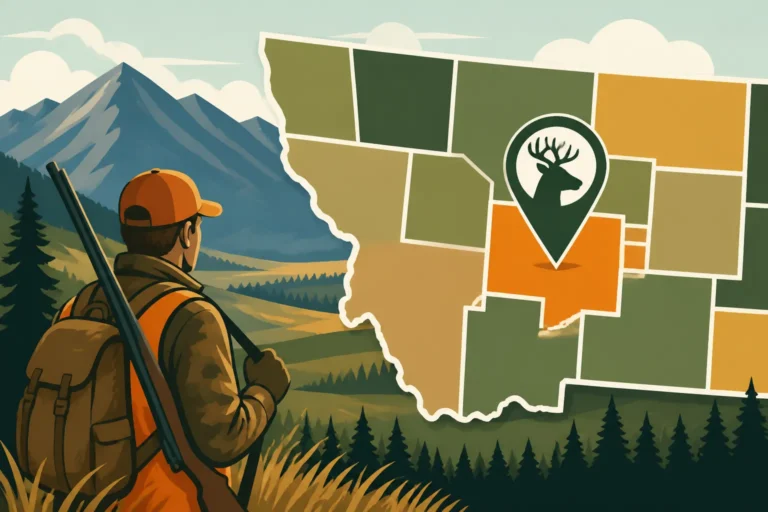
Trying to figure out where to even begin with scouting a Montana elk district can feel like staring at a massive, complex puzzle with half the pieces missing. You're probably looking at maps, drawing lines, and wondering if you're even in the right ballpark, let alone pinpointing where the elk actually are. It's a daunting task, especially with Montana's vast public lands and diverse terrain. This guide is here to break down the process of scouting a Montana elk district, giving you actionable strategies to find those elusive bulls, whether you're planning a trip from across the country or living right here in Big Sky Country.
Why Scouting is Non-Negotiable for Montana Elk Success
Let's be real: you can't just show up in Montana with a general elk tag and expect to trip over a bull. The days of "easy" elk hunting, if they ever truly existed, are long gone. Elk are smart, pressured animals, and Montana's terrain is unforgiving. Scouting isn't just a suggestion; it's the foundation of any successful elk hunt, turning a hopeful vacation into a calculated, strategic pursuit. It helps you understand the landscape, anticipate elk movement, and ultimately, put yourself in a position to harvest an animal. Without it, you're essentially gambling, and in elk hunting, the odds are already stacked against you.
Understanding Elk Behavior and Movement Patterns
Elk are creatures of habit, but their habits are heavily influenced by season, weather, hunting pressure, and available resources like food, water, and cover. Your scouting efforts aim to decode these patterns. For instance, early archery season might find elk in higher, cooler elevations, seeking shade and feeding on lush summer forage. As the general rifle season approaches and pressure mounts, they'll often retreat into dense timber, deep canyons, or remote wilderness areas where they feel safe. Understanding these shifts is crucial.
During the rut, elk behavior changes dramatically. They become more vocal and less cautious, focused on breeding. This is when calling tactics can be most effective. After the rut, they transition back to survival mode, often migrating to winter ranges where food sources are more accessible, even if it means moving to lower elevations. Knowing the specific time of year you plan to hunt means you can focus your scouting on areas that are most likely to hold elk during that particular phase of their annual cycle. For more on this, check out our Montana Elk Migration Patterns guide.
Identifying Key Terrain Features and Escape Routes
Montana is famous for its rugged mountains, vast forests, and sprawling plains. Each district has its own unique topography. Scouting helps you pinpoint critical terrain features like north-facing slopes, which hold snow longer and offer cooler bedding in early season, or south-facing slopes that warm up faster in late season, providing crucial feeding areas. Identifying saddles, benches, natural funnels, and dense timber blocks can reveal potential travel corridors or bedding sanctuaries. These are the places elk feel secure, and knowing them means you can predict where they'll go when pressured or where they'll spend their days.
Equally important are escape routes. When a hunter or predator enters an area, elk will inevitably choose the path of least resistance to safety. By identifying these routes during scouting, you can strategically position yourself to intercept them, or at least understand where they won't be. This intimate knowledge of the land often differentiates a successful hunter from one who goes home empty-handed.
E-Scouting: Your Digital Reconnaissance Before the Hunt
Before you ever set foot in a Montana elk district, you need to dedicate significant time to e-scouting. This digital reconnaissance is hands-down the most efficient way to narrow down potential hunting areas, understand the lay of the land, and formulate a solid game plan. Think of it as your virtual boots on the ground, saving you countless hours of physical effort and helping you identify promising spots that might otherwise be overlooked.
Utilizing Digital Mapping Tools
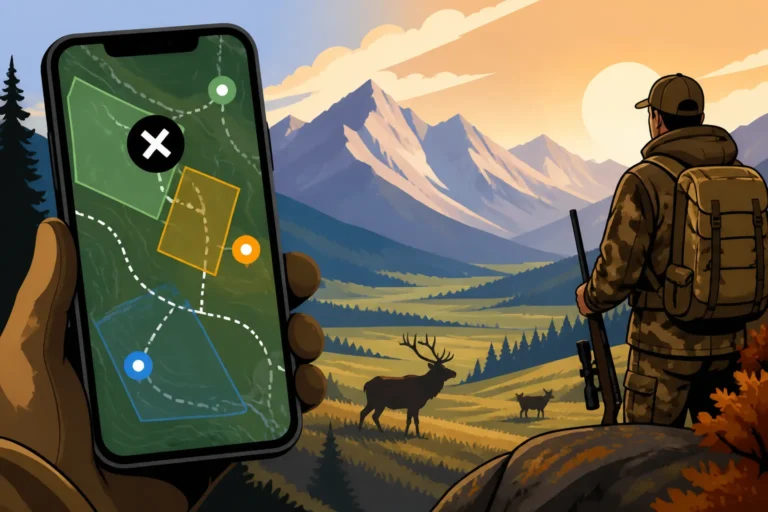
Modern mapping applications are absolute game-changers for elk hunters. Tools like onX Hunt are indispensable. They provide detailed topographic maps, satellite imagery, land ownership boundaries (critical for distinguishing public from private land), and even historical fire data, which can point to areas with new forage growth. The ability to mark waypoints, measure distances, and draw lines for potential routes right from your couch means you arrive in the field with a coherent strategy, not just a vague hope.
When using these tools, start by looking at a broad overview of your chosen district. Identify large blocks of public land – national forests, BLM lands, and state lands – and note where they intersect with private property. Elk often move between these land types, so understanding the boundaries is key. Then, zoom in. Look for areas with a combination of thick timber (for cover), open slopes (for feeding), and water sources. North-facing slopes often have thicker timber and stay cooler, making them prime bedding areas in warmer weather. South-facing slopes green up earlier and hold less snow, making them good feeding grounds, especially during colder periods. Pay attention to subtle terrain features like benches, saddles, and drainages that might not be obvious on a less detailed map. For a deeper dive, check out our guide on How to E-Scout Montana Hunting Units.
Analyzing Historical Data and Draw Odds
Beyond just maps, digital platforms also offer a treasure trove of historical data. Websites like GoHunt provide detailed draw odds for specific districts, success rates, and even harvest data that can give you insights into elk densities and trophy potential. While past performance is no guarantee of future success, understanding which districts consistently produce animals, or which limited-entry units have better odds, can inform your application strategy and focus your scouting efforts.
For example, if you're trying to draw a special permit in a particular district, knowing the average number of points it takes to draw or the success rate for that unit can help you decide if it's worth investing your time and money. For general tags, looking at harvest reports from Montana Fish, Wildlife & Parks (FWP) can highlight which districts have higher elk populations and consistent harvest numbers. This data helps refine your search to areas with a higher probability of encountering elk, rather than just blindly picking a spot. It's about working smarter, not just harder.
Key E-Scouting Data Points to Consider
| Data Point | Why It's Important | How to Find It |
|---|---|---|
| Land Ownership | Essential for legal access and identifying public vs. private boundaries | onX Hunt, Montana FWP hunt planner maps |
| Topography | Identifies elevation changes, saddles, benches, drainages for elk travel/bedding | Topographic maps on onX Hunt, Google Earth |
| Vegetation | Pinpoints timbered cover, open feeding areas, old burns (new forage) | Satellite imagery on onX Hunt, historical fire maps |
| Water Sources | Critical for elk, especially in drier areas or seasons | Topographic maps (springs, streams), satellite imagery (ponds), local FWP info |
| Road Access/Trails | Indicates potential hunter pressure, dictates ease of access, defines wilderness | onX Hunt, US Forest Service maps, local ranger district maps |
| Previous Harvest Data | Shows elk population health, success rates, general trends in a district | Montana FWP website (harvest reports), GoHunt |
| Draw Odds | Crucial for planning permit applications and managing expectations | Montana FWP website (drawing statistics), GoHunt |
| Weather Patterns | Influences elk movement, snow depth, early season heat, late season cold | Historical weather data (NOAA, AccuWeather), long-range forecasts |
Boots-on-the-Ground Scouting: Hitting the Hills
While e-scouting provides an incredible baseline, nothing replaces actually being in the woods. "Boots-on-the-ground" scouting fills in the gaps, confirms your digital hunches, and gives you an invaluable feel for the terrain that a map simply can't convey. It's where you truly connect with the landscape and start to see how elk are using it.
Timing Your Field Visits
Ideally, you'd scout your hunting area multiple times throughout the year. A spring visit can reveal winter kill, shed antlers, and the first signs of green-up. Summer scouting is perfect for identifying water sources, seeing where elk are feeding, and potentially hearing some early bugles from bachelor herds. However, if you're a nonresident or limited on time, a pre-season scouting trip a few weeks before opening day is invaluable. This allows you to see current conditions, identify fresh sign, and get a feel for current elk movement without the added pressure of the hunting season.
If a pre-season trip isn't feasible, try to get there a few days before your hunt starts. Even a couple of days allows you to hike into some areas, check for fresh sign, and verify your e-scouting predictions. Remember, elk are constantly adapting, so the more current your information, the better. When you're thinking about a Montana DIY Elk Hunting Guide adventure, making sure you allocate time for proper scouting is paramount.
What to Look for While On-Site
Once you're actually in the field, your senses become your most important tools. You're looking for tangible evidence of elk activity, reading the story the land tells.
- Fresh Sign: This is your holy grail. Look for fresh tracks, especially in soft dirt near water sources or game trails. Fresh droppings (warm, moist, or shiny) indicate very recent activity. Rubs on small trees or saplings signify where bulls have been polishing their antlers. Wallows, particularly those with muddy edges or fresh scent, are prime locations where bulls cool off and leave their scent.
- Game Trails: Elk create distinct trails, especially in well-traveled areas. Look for well-worn paths connecting bedding areas to feeding grounds, or leading to water. These are natural travel corridors and excellent places to set up an ambush or intercept moving elk. Pay attention to trails that appear more heavily used, as these are likely active.
- Water Sources: Elk need water daily. Identify reliable water sources – springs, seeps, creeks, ponds – especially in dry areas. Look for tracks and droppings around these areas. These can be excellent spots to catch elk moving in the early morning or late evening. For more specific tactics, consider looking into How to Hunt Elk Water Holes in Montana.
- Bedding Areas: These are typically found in dense cover, often on north-facing slopes, high ridges, or thick timber blocks that offer protection from wind and sun. Look for flattened grass or depressions in the snow, and listen for the tell-tale snap of a twig if you're quietly still-hunting.
- Feeding Areas: Elk are grazers and browsers. They'll frequent meadows, old clear-cuts, recently burned areas, or open timber stands where grasses, forbs, and shrubs are abundant. In certain times of year, they'll seek out specific plants.
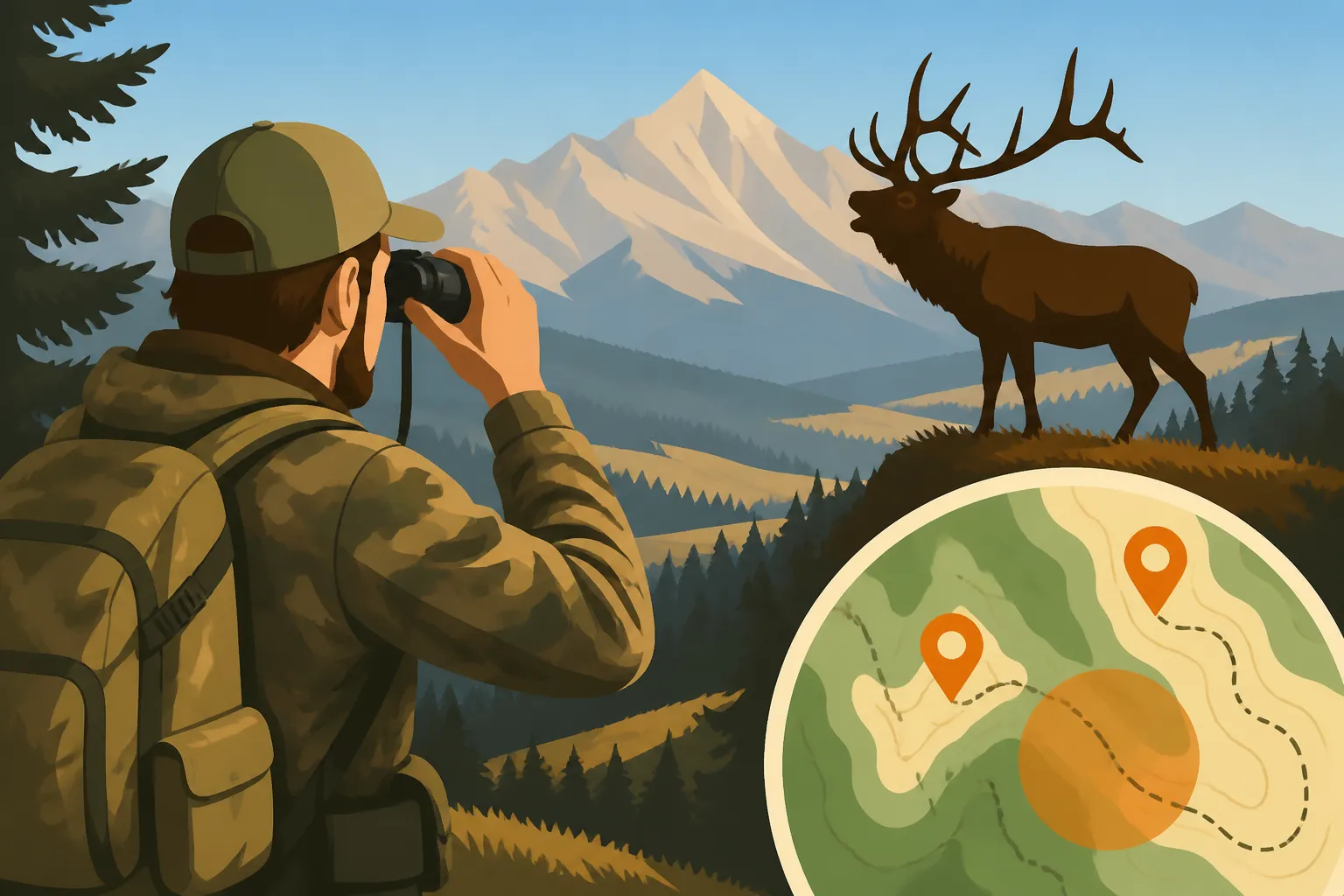
- Listen and Observe: Don't just look down. Spend time quietly observing. Listen for sounds of elk moving, snapping branches, or even distant bugles. Use good optics – binoculars or a spotting scope – to glass distant hillsides, dark timber edges, or open parks, especially at dawn and dusk. This is where quality gear like those from Kowa or Swarovski really shine.
Advanced Scouting Techniques and Considerations
Once you've mastered the basics of e-scouting and boots-on-the-ground reconnaissance, you can incorporate more advanced strategies to gain an even deeper understanding of your chosen Montana elk district. These techniques leverage technology and a nuanced understanding of elk behavior to increase your chances of success.
Using Trail Cameras and Acoustics
Trail cameras aren't just for checking on deer in your backyard. Strategically placed in remote elk country, they can provide invaluable data. Look for active game trails, wallows, or natural pinch points where elk are likely to travel, and set up your cameras. Check them periodically (being mindful of disturbing the area) to learn about elk travel times, herd composition, and specific animals using the area. Cellular trail cameras like those from Spypoint or Moultrie can even transmit images to your phone, reducing the need for repeated visits. This is particularly useful for those who can't be in the field constantly.
Acoustic scouting, while less common, can also be effective. Carrying a sensitive microphone and recorder can help identify bugling activity, even from a distance, giving you a better idea of where bulls might be holding up. Learning How to Bugle-Locate a Montana Bull Elk is a skill that comes in handy, but even just listening for natural sounds can guide your scouting efforts.
Adapting to Hunting Pressure and Weather
Elk are acutely aware of hunting pressure. As the season progresses, they'll adapt by becoming more nocturnal, moving into thicker cover, or seeking out remote, hard-to-access areas. During your scouting, identify these potential sanctuaries. These might be deep canyons, dense timber blocks, or areas far from roads and trails. Even if you don't find fresh sign there initially, these are the places elk will retreat to when the shooting starts. Understanding How to Hunt Montana Public Land Pressure is vital for success.
Weather plays a huge role in elk movement. A cold front with fresh snow can push elk to lower elevations or areas with better forage. Warm, dry weather might keep them high in the timber near water. Keep an eye on long-range forecasts as your hunt approaches and understand how different weather patterns might influence your scouted areas. Knowing how weather affects Montana Elk Behavior During the Rut or other seasons can give you a significant advantage.
Leveraging Local Knowledge and FWP Resources
Don't be afraid to tap into local knowledge, but do so respectfully. While specific "honey holes" are rarely shared, asking general questions at local sporting goods stores, coffee shops, or even FWP offices can provide valuable insights. Game wardens and wildlife biologists often have a broad understanding of elk populations and movement patterns across different districts. They might not tell you exactly where to go, but they can offer advice on general areas, herd health, or recent changes in elk behavior.
The Montana Fish, Wildlife & Parks website is a treasure trove of information. Their hunt planner maps are excellent, detailing land ownership, road access, and even block management areas. Review their annual hunting regulations thoroughly, paying close attention to specific district rules, antler restrictions, and season dates. Understanding how Montana Hunting Districts Explained can greatly refine your scouting.
By combining thorough e-scouting with boots-on-the-ground reconnaissance, utilizing technology, and paying attention to environmental factors and local resources, you can transform your hunting aspirations into a well-informed, strategic pursuit. Montana elk hunting is a challenge, but with dedicated scouting, you're not just hoping for success; you're actively building the roadmap to it.
Disclaimer
Hunting is an inherently dangerous activity. Always prioritize safety, understand and follow all local, state, and federal hunting regulations, and respect private property. The information provided in this guide is for informational purposes only and does not constitute professional advice. Users should always exercise their own judgment and consult with appropriate authorities or experienced professionals before making any hunting decisions.