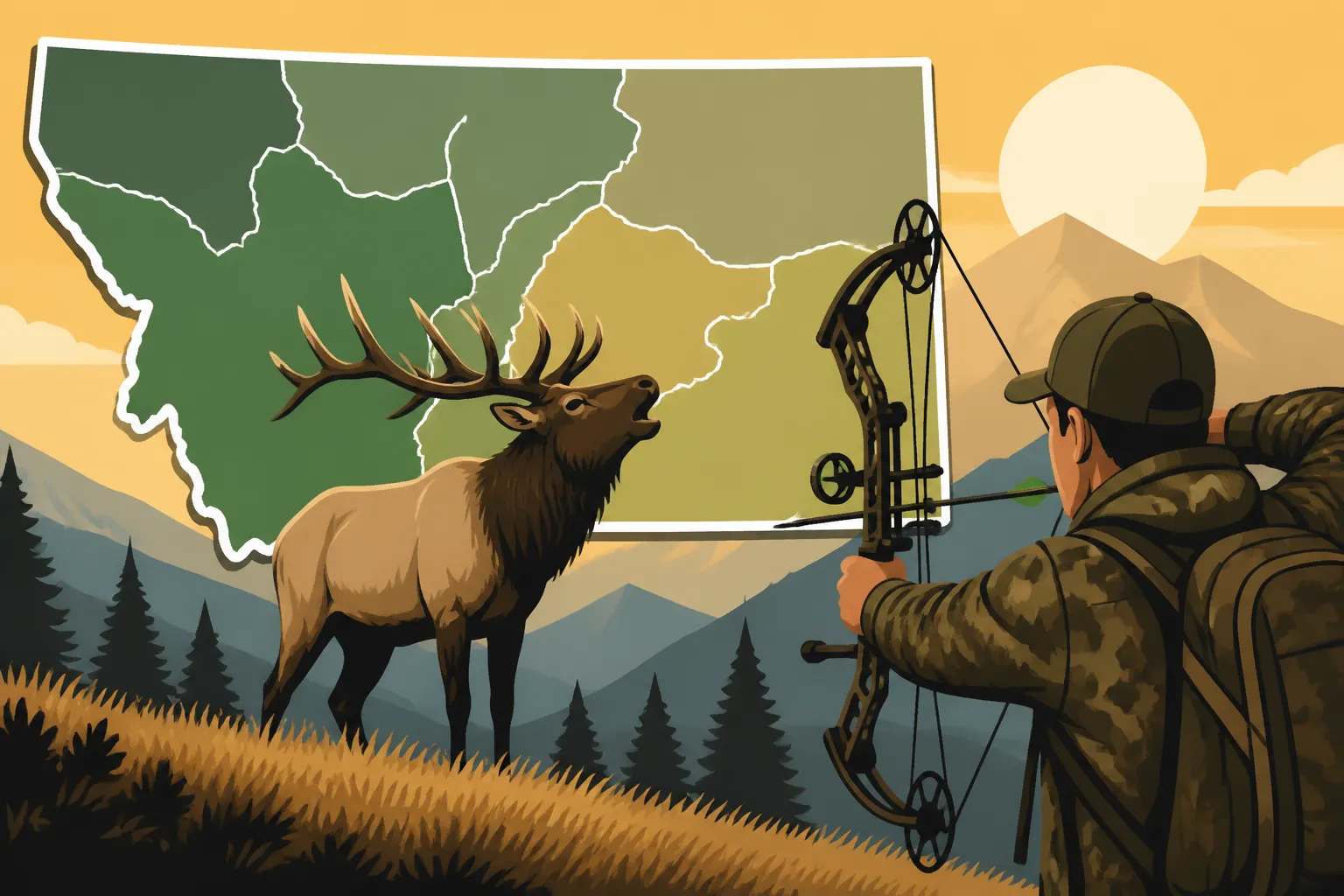
Best Montana Districts for Archery Elk Access
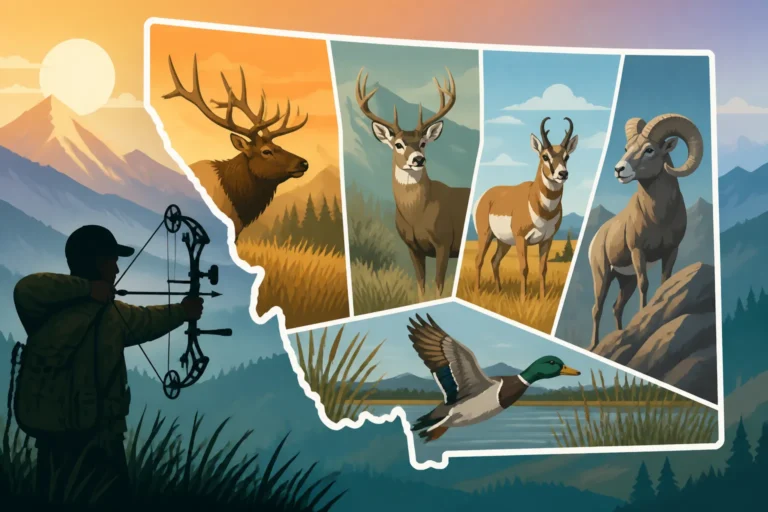
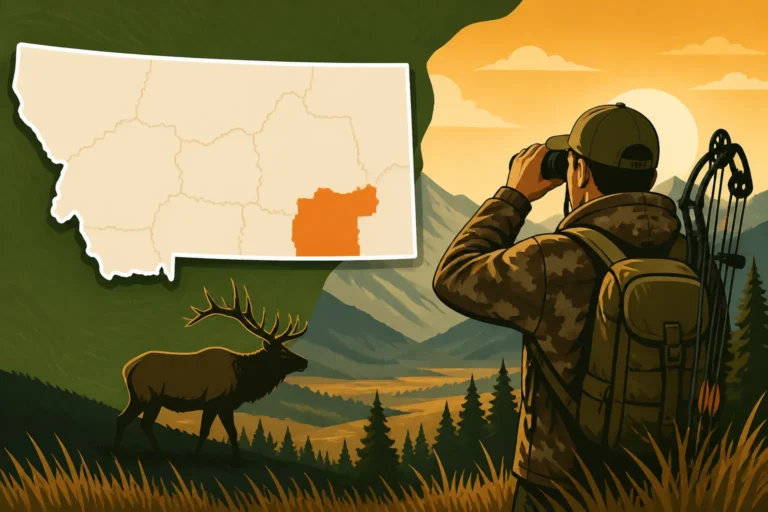
Finding quality archery elk hunting access in Montana can feel like searching for a needle in a haystack, especially with so many units, regulations, and the sheer vastness of the state. It's a common frustration for both seasoned and new hunters alike, but with the right knowledge and tools, unlocking prime spots is entirely possible. This guide will walk you through how to identify and access the best Montana districts specifically for archery elk, focusing on public land opportunities and strategies to maximize your chances.
Understanding Montana's Archery Elk Landscape for Access
Montana is a hunter's paradise, but even paradise has its complexities. Archery elk hunting, in particular, demands a different approach than rifle hunting, especially when it comes to finding accessible, unpressured areas where elk feel comfortable. The thrill of getting close to a bugling bull with a bow is unparalleled, but it requires strategic planning to get into those critical spots.
The Allure and Challenge of Archery Elk Hunting
There's something deeply primal about pursuing elk with a bow. It forces you to hone your skills: calling, tracking, scent control, and silent movement. The archery season often falls during the early stages of the rut or just before it, offering incredible opportunities to encounter vocal bulls. However, this early season timing can also mean warm weather challenges for meat care and more foliage, which can impede visibility. Many hunters dream of calling in a bull, and archery season provides some of the best chances for success in that regard, especially if you know How to Call Elk in Montana.
The main challenge, beyond the hunting skills themselves, often revolves around access. Montana has vast tracts of public land, but not all of it holds elk, and even less of it offers genuinely accessible archery opportunities away from crowds. You might find plenty of forest service roads, but they often mean more human traffic. True archery access often means getting away from those roads, deep into areas where the elk feel safe.
Public Land Versus Private Land Opportunities
When we talk about access, the distinction between public and private land is paramount. For many, a Montana archery elk hunt is synonymous with a do-it-yourself (DIY) public land adventure, which is entirely achievable but requires homework. Montana boasts millions of acres of national forests, BLM lands, and state lands, all generally open to public hunting. These areas are the backbone of accessible elk hunting. However, private land, especially large ranches, often holds incredible elk numbers dueating to limited pressure and prime forage.
While some private land is accessible through programs like Block Management, which we'll touch on later, direct landowner permission can be difficult to obtain, especially for non-residents. For the purposes of this guide, we'll primarily focus on public land strategies, as that's where most DIY archery hunters will find their opportunities. Understanding Montana Public Land Hunting Guide is the first step toward successful planning.
Key Regulations Impacting Archery Access
Montana's hunting regulations are complex and change annually, so staying updated is critical. The archery season dates vary by species and region, but generally, the statewide archery-only season for elk runs from early September through mid-October. This window provides ample time to hunt before the general rifle season opens, allowing for exclusive archery opportunities. However, some districts have specific archery-only hunts that require special permits drawn in advance, separate from the general archery season that accompanies a general elk license.
It's vital to check the current year's Montana Fish, Wildlife & Parks (FWP) regulations for specific district-by-district rules, season dates, and any antler restrictions. Some districts might be general for elk during archery season but require a permit during rifle season, or vice-versa. Understanding these nuances is key to selecting a district that aligns with your desired archery experience. Also, always remember to get your Montana Conservation License Explained and an Montana AIS Prevention Pass Explained along with your tags.
Crucial Factors for Identifying Accessible Archery Elk Districts
Choosing the right hunting district for an archery elk hunt is a critical decision that can make or break your trip. It's not just about where the elk are; it's about where you can effectively hunt them with a bow, which often means getting away from the crowds and into areas where calling or stalking is feasible.
Analyzing Public Land Percentage and Access Points
The first step in narrowing down districts is to look at the percentage of public land within them. A district might look great on paper for elk numbers, but if 80% of it is private land with no public access easements, your huntable acreage shrinks dramatically. Tools like onX Hunt are absolutely invaluable here. You can literally color-code land ownership on your phone or computer, instantly seeing how much public land is available. Furthermore, onX Hunt identifies specific access points, such as trailheads, national forest roads, and designated easements. This helps you understand not just if there's public land, but how you can get to it.
Beyond general public land, look for districts with large, contiguous blocks of Forest Service or BLM land. Fragmented public lands, often surrounded by private holdings, can create checkerboard access issues, making it hard to follow elk movements. Many western Montana districts, for example, are predominantly national forest, offering vast swaths of continuous public access.
Evaluating Roadless Areas and Wilderness Boundaries
For archery elk hunters, roadless areas and designated wilderness are often gold. These areas, by definition, restrict motorized access, meaning fewer casual hunters and less pressure on the elk. While this often requires more physical effort to get in, the reward is usually a higher quality hunting experience and a better chance at unpressured animals. Districts that border wilderness areas, like the Bob Marshall Wilderness Complex or the Absaroka-Beartooth Wilderness, offer incredible opportunities for those willing to How to Pack Into the Montana Backcountry.
When looking at maps, identify those green swaths of forest service land that don't have a spiderweb of logging roads. These are your targets. Often, even a mile or two off a forest service road in a designated roadless area can feel like true wilderness. This is where elk will often retreat once the season starts and human activity increases. Remember, while wilderness areas are fantastic, they also require careful preparation and adherence to specific wilderness regulations, such as Leave No Trace principles.
Considering Hunter Pressure and Elk Density
This is the eternal balancing act for any public land hunter. High elk density often correlates with high hunter pressure, especially in easily accessible areas. Conversely, low-pressure areas might have fewer elk, or at least elk that are harder to find. For archery hunting, you want to find a sweet spot: enough elk to make it worthwhile, but not so much pressure that they're constantly on alert or pushed onto private land.
This is where historical draw odds and harvest reports come into play. Websites like GoHunt offer data and insights into hunter success rates and pressure in various districts. A district with historically low hunter harvest numbers might indicate either low elk populations or extremely difficult terrain, which can translate to lower hunter pressure if you're willing to work for it. Conversely, a district with very high harvest numbers might be crowded, especially during the general archery season. The goal is to find districts where elk numbers are solid, but the terrain or access challenges naturally filter out a significant portion of the hunting population. Understanding how to interpret Montana Draw Odds Explained can give you a better idea of how many people are applying for limited entry permits in specific areas, which can be an indicator of quality, but also potential pressure.
Here's a simplified look at how some Montana districts might stack up for archery access:
| District Type/Region | Public Land Access Features | Hunter Pressure Considerations | Ideal Archery Hunter Profile |
|---|---|---|---|
| Western Wilderness Adjacent | Vast, contiguous National Forest. Many roadless areas. | Moderate-low, due to difficult terrain & lack of roads. | Physically fit, enjoys backpacking, self-reliant. |
| Southwest Mountain Ranges | Mix of National Forest and BLM. Good trail systems. | Moderate, can be high near trailheads. | Fit, willing to hike miles, comfortable with elevation. |
| Central Foothills/Islands | Smaller, fragmented public land. Relies on Block Management. | Varies wildly. High on easily accessible public, low on BMA. | Adaptable, uses onX Hunt, willing to seek permission. |
| Eastern Timbered Breaks | Remote, rugged BLM and State Lands. Limited road access. | Low, due to remoteness and challenging terrain. | DIY, good navigation skills, seeks solitude. |
Spotlighting Top Montana Districts for Archery Elk Access
While pinpointing specific district numbers is tricky without knowing individual capabilities and preferences, we can categorize types of districts known for offering solid archery elk access. Remember, "best" is subjective and often depends on what kind of hunt you're looking for.
Western Montana's Timbered Mountains and Wilderness Access
Regions 1 and 2, encompassing much of Western Montana, are quintessential mountain elk country. Think dense timber, steep slopes, and plenty of designated wilderness or roadless areas. Districts here often boast high percentages of public land within national forests like the Flathead, Lolo, Kootenai, and Bitterroot. These areas are excellent for those seeking a true backcountry experience, where physical endurance and navigation skills are paramount.
Many of these districts butt up against massive wilderness areas, such as the Bob Marshall Wilderness Complex or the Selway-Bitterroot Wilderness. While direct wilderness hunting requires special considerations, the areas adjacent to them often provide incredible archery opportunities as elk filter in and out. This terrain forces hunters to work harder, which naturally reduces pressure. You'll want to focus on Montana Backcountry Hunting Guide tactics here. Look for high basins, dark timber pockets on north-facing slopes, and areas with good water sources away from established trails. Expect to be calling and stalking through dense timber.
Central Montana's Diverse Landscapes and Block Management Potential
Central Montana offers a different flavor of archery elk hunting. Here, you'll find a mix of national forest, BLM land, and vast tracts of private agricultural land. Districts in regions 3, 4, and 5 can provide excellent opportunities, especially if you leverage the Block Management Program. Montana Block Management Areas Explained provides access to private land parcels, often offering fantastic hunting for elk that migrate between public and private ground. These areas can be surprisingly productive for archery, as the limited, permitted access on Block Management (BMA) properties helps control hunter density.
Areas like the Little Belt Mountains, Big Belt Mountains, and the Missouri Breaks offer diverse terrain, from timbered peaks to rugged breaks and river bottoms. Archery hunters might find success by scouting creek bottoms and river corridors in the breaks, or by still-hunting timbered draws and saddles in the mountain ranges. E-scouting becomes even more critical here to identify public land islands and BMA opportunities amidst a patchwork of private land. Knowing How to E-Scout Montana Hunting Units will be a huge advantage.
Southwestern Montana's High-Country Basins
Southwestern Montana, particularly parts of Region 3 and 4, is another excellent choice for archery elk. Mountain ranges like the Gravelly Range, Tobacco Roots, and parts of the Madison Range offer significant public land access within the Beaverhead-Deerlodge National Forest. These areas are known for high-country basins, alpine meadows, and steep, timbered slopes. Elk often spend their summers in these high elevations and can still be found there during the early archery season before heavy snow pushes them down.
Archery hunting here often involves extensive glassing, followed by long stalks. The more open country at higher elevations can make spotting elk easier, but getting within bow range requires careful planning and execution. Look for districts with good road systems that allow you to access trailheads, but then be prepared to hike several miles away from the roads into basins and drainages. These areas are also great for combining an elk hunt with other species if you're interested in Montana Mule Deer Hunting Guide.
Strategies for Maximizing Your Archery Elk Access
Simply knowing where the public land is isn't enough; you need a strategy to effectively use that access and increase your odds of success during archery season.
Leveraging E-Scouting Tools and Digital Maps
In today's hunting world, e-scouting is no longer a luxury, it's a necessity, especially for finding archery elk access. Tools like onX Hunt are indispensable. Before you ever leave home, you can analyze land ownership, identify public access points, pinpoint roadless areas, mark potential elk bedding and feeding areas, and even locate water sources and pinch points. I spend countless hours pouring over topo maps and aerial imagery on onX Hunt, marking waypoints for saddles, dark timber pockets, and historical burn areas that could hold elk.
Another powerful tool is GoHunt's Insider platform, which offers detailed draw odds, harvest reports, and unit breakdowns. Combining these resources allows you to make informed decisions about which districts offer the best blend of public land access, elk numbers, and manageable hunter pressure for archery. You can plan your approach to a district, identify entry and exit strategies, and have backup plans for different wind directions, all before stepping foot on the ground. This kind of preparation is critical for a successful Montana DIY Elk Hunting Guide.
Physical Preparation and Backcountry Readiness
Archery elk hunting in accessible public land districts in Montana almost always means physical exertion. You'll be hiking steep terrain, often at altitude, carrying your bow, optics, and gear. Getting into shape before your hunt is paramount. Focus on cardiovascular fitness and leg strength. Being physically prepared allows you to cover more ground, penetrate deeper into roadless areas, and recover faster, which is crucial when packing out an elk.
Beyond physical fitness, being "backcountry ready" means having the right gear and knowledge. This includes understanding navigation, first aid, bear safety, and knowing how to properly care for meat in the field. Many of the best archery elk spots are miles from a road, so your gear list should reflect that. Think about Best Backpack for a Montana Elk Hunt and Best Boots for Montana Elk Hunting as essential items.
On-the-Ground Scouting and Adaptability
While e-scouting is a fantastic starting point, nothing beats actual boots-on-the-ground scouting. If possible, visit your chosen district in the summer or early fall before the season opens. Look for fresh elk sign – tracks, droppings, rubs, and wallows. Pay attention to how the elk are using the terrain and which escape routes they might take. Early morning and late evening drives through accessible forest roads can also reveal where elk are crossing or feeding.
Once the season starts, be prepared to adapt. Elk are constantly moving, and hunting pressure or weather can quickly change their patterns. If your initial spot isn't producing, don't be afraid to move to a different drainage or even a different part of the district. That's where the extensive public land access in many Montana districts becomes a huge advantage. You have the flexibility to relocate and find unpressured elk. Knowing How to Hunt Elk in Montana's Wilderness gives you an edge in these wilder areas.
Being adaptable also means being proficient in different hunting methods. While calling is often a go-to for archery elk, sometimes still-hunting through dark timber or setting up on a well-used game trail is more effective if elk are quiet or pressured. The more tools you have in your belt, the better your chances of capitalizing on the access you've worked hard to secure.
Montana offers some of the most rewarding archery elk hunting experiences available, but unlocking the best access requires diligent research, smart use of modern tools, and a willingness to put in the effort. By focusing on districts with high public land percentages, embracing roadless and wilderness-adjacent areas, and combining detailed e-scouting with on-the-ground adaptability, you can significantly increase your odds of finding that bugling bull within bow range. So grab your bow, sharpen your broadheads, and start planning your next Big Sky State adventure!
Disclaimer
Hunting is an inherently dangerous activity. This guide provides general information and recommendations for hunting in Montana. Always consult the official Montana Fish, Wildlife & Parks regulations for the current season, district-specific rules, and licensing requirements. Ensure you have the proper licenses, permits, and hunter education. Hunt ethically, safely, and be aware of your surroundings and potential hazards. The author and publisher are not responsible for any incidents that may occur.