What to Know Before Booking an Outfitter in Bozeman, Montana
Planning a hunting trip to Montana, especially around an iconic hub like Bozeman, can feel like navigating a maze. The excitement is real, but so are the questions: Where do I even start? How do I find a reputable outfitter who truly understands this complex landscape? What should I expect, and how do I avoid common pitfalls? This guide is here to cut through the confusion, helping you understand the ins and outs of booking an outfitter in the Bozeman area so you can focus on the thrill of the hunt.
Understanding the Bozeman Area's Unique Hunting Landscape
Bozeman isn't just a bustling town; it's a gateway to some of Montana's most diverse and challenging hunting grounds. You're nestled right up against serious mountains here, which means different considerations than if you were hunting the eastern plains.
Geographic and Species Overview Near Bozeman
When you talk about Bozeman, you're looking at an area largely dominated by the Gallatin, Madison, and Bridger mountain ranges. This isn't flat, open country; it's rugged, steep, and often densely timbered. This geography dictates what you'll primarily be hunting and how those hunts will unfold. Elk and mule deer are the stars of the show here, thriving in these high-country environments. You'll also find whitetail deer in the river bottoms and lower elevations, and black bears are fairly common. Moose, bighorn sheep, and mountain goats are also present, though drawing a tag for these species is a much longer game, often requiring many years of building points.
The hunting pressure can be significant, especially closer to town and along easily accessible roads. Good outfitters in this region often have access to private land or specialize in wilderness and backcountry hunts to escape the crowds. Understanding this mix of accessible and remote terrain is crucial when discussing hunt expectations with a potential outfitter. They should be able to articulate where they primarily hunt and why. You might consider reading up on Montana Big Game Species Guide to get a clearer picture of what's available.
Public Land vs. Private Land Access
Montana is famed for its vast public lands, and the areas surrounding Bozeman are no exception, with significant portions of national forests and BLM land. However, navigating these public lands can be tricky, especially for non-residents or those unfamiliar with the terrain. Outfitters often hold permits to operate on specific national forest or wilderness areas, providing access that might otherwise require extensive research and physical scouting. Many also have leases or exclusive access to private ranches.
The type of land an outfitter uses dramatically impacts the hunting experience, animal density, and potential for a trophy animal. Public land hunts, especially in wilderness areas, tend to be more physically demanding, requiring true grit and resilience, but they offer an unparalleled sense of adventure. Private land hunts might offer more consistent success rates due to controlled access and game management, but they often come with a higher price tag. Always ask a potential outfitter about their land access strategy: do they hunt public land primarily, do they have private leases, or is it a mix? Their answer will tell you a lot about the type of hunt they offer and what you can expect in terms of game density and hunter encounters. For those considering a deep dive into public land, articles like Montana Public Land Hunting Guide are invaluable resources.
Decoding Outfitter Services and Expectations
Once you've wrapped your head around the Bozeman hunting environment, the next step is understanding what outfitters actually do and what you should expect from their services. Not all guided hunts are created equal, and price points vary wildly depending on the level of service and comfort offered.
Types of Guided Hunts Available
Generally, you'll find a few main types of guided hunts around Bozeman, each catering to different preferences and budgets.
- Fully Guided Hunts: This is the full-service package. Your outfitter and guide will handle nearly everything from scouting and calling to field dressing and packing out your animal. You'll often stay in a comfortable lodge, cabin, or wall tent camp, with meals provided. These hunts offer the highest level of support and are ideal for first-time western hunters, those seeking a less physically demanding experience, or hunters who simply want to maximize their hunting time without worrying about logistics.
- Semi-Guided Hunts: These hunts offer a balance. An outfitter might provide a base camp, meals, and general guidance on where to hunt, but you'll be responsible for much of the actual hunting, stalking, and animal recovery. It's a great option if you want some independence but still appreciate the logistical support and local knowledge of an outfitter. You might be dropped off at a trailhead and pick your own way in, or have a guide point you to key areas each morning.
- Drop Camp Hunts: If you crave a true backcountry experience without owning all the gear or handling the arduous pack-in, a drop camp is an excellent choice. The outfitter packs you and your gear into a remote camp (often by horse or mule), sets up a basic camp, and then leaves you to hunt independently. They'll return at a pre-arranged time to pack you and any harvested game out. This option requires significant self-sufficiency and hunting skill but provides solitude and a deep immersion in the wilderness. Montana Drop Camp Hunts Explained offers more detail on this specific setup.
Understanding these distinctions is key to managing your expectations and ensuring the hunt you book aligns with your personal hunting style and physical capabilities. A useful platform for comparing these options and reading reviews is BookYourHunt, which aggregates listings from various outfitters.
Inclusions, Exclusions, and Hidden Costs
Before signing on the dotted line, you need a crystal-clear understanding of what's included in the outfitter's price and, more importantly, what's not. Don't be shy about asking direct questions. Common inclusions typically cover lodging, meals, guide services, and initial game retrieval.
However, many things are often excluded. These might include your Montana hunting license and tags (which you'll need to draw or purchase separately – see Montana Nonresident License Draw Explained), transportation to and from Bozeman, meat processing, taxidermy, personal gear, and gratuities for your guide and camp staff. Some outfitters might have additional fees for specific services, like long-distance pack-outs of unusually large animals or if you decide to extend your stay. Always clarify if there are extra charges for non-hunting guests. When you're budgeting, consider the full picture, not just the outfitter's base fee.
For instance, if you're flying into Bozeman Yellowstone International Airport (BZN), you'll need to factor in rental car costs or shuttle services to the outfitter's meeting point. Then there's the cost of any pre-hunt accommodations in Bozeman itself. A detailed conversation about all potential costs upfront will save you from unpleasant surprises later.
| Service Level | Typical Inclusions | Typical Exclusions | Ideal For |
|---|---|---|---|
| Fully Guided | Guide, lodging, meals, initial game retrieval, field care | License/tags, transportation to base camp, meat processing, taxidermy, tips, personal gear | First-timers, those seeking maximum comfort and support, less physically able hunters |
| Semi-Guided | Some guide services, base camp, meals, general hunting areas | License/tags, personal hunting, advanced game retrieval, transportation, meat processing, tips | Hunters desiring some independence, experienced but new to the area, moderate physical ability |
| Drop Camp | Pack-in/out service, basic camp setup | Guide, meals, all hunting, detailed game retrieval, license/tags, personal gear, tips | Experienced, self-sufficient hunters, seeking solitude, high physical ability |
Vetting Your Bozeman Outfitter: Due Diligence is Key
Choosing an outfitter isn't just about finding someone with an open spot; it's about entrusting your safety, your money, and your precious hunting time to their expertise. Due diligence is absolutely critical.
Checking Credentials and References
First and foremost, verify their licensing. In Montana, all outfitters must be licensed by the Montana Board of Outfitters. Don't just take their word for it; ask for their license number and confirm it with the board. This ensures they meet the state's requirements for safety, insurance, and professional conduct. An outfitter who hesitates to provide this information is a red flag. Montana Outfitter Licensing Explained provides more context on these requirements.
Next, ask for references – and not just one or two hand-picked ones. Request a list of clients from the previous season who hunted the species you're interested in. When you call these references, ask specific questions:
- Did the outfitter accurately represent the hunt?
- What was the camp like?
- How were the guides?
- Was the food good?
- How did they handle difficult situations, like bad weather or an unrecovered animal?
- Would they hunt with this outfitter again?
Also, check for online reviews, but take them with a grain of salt – a few negative reviews don't tell the whole story, but consistent patterns can be informative. Platforms like BookYourHunt often include client reviews, which can be a good starting point.
Communication and Compatibility
This is often overlooked but is incredibly important. A good outfitter will be responsive to your inquiries, clear in their communication, and patient with your questions. Before committing, have an in-depth phone conversation or video call. Discuss your expectations, physical limitations, hunting experience, and what you hope to achieve from the hunt. An experienced outfitter will ask you questions in return to gauge if their operation is a good fit for you.
Pay attention to their communication style. Do they seem rushed? Are they vague? Or do they sound genuinely interested in ensuring you have a successful and enjoyable trip? Remember, you'll be spending a significant amount of time with this person and their team, often in challenging conditions. Compatibility and trust are paramount. If you feel like you're not getting straight answers or there's a disconnect, it's probably best to keep looking. You can also glean insights from articles like How to Choose a Montana Hunting Outfitter.
Success Rates and Ethical Hunting Practices
When an outfitter talks about "success rates," clarify what they mean. Do they mean opportunities to see game, shots fired, or animals actually harvested? A high opportunity rate might be more realistic and valuable than a promised 100% kill rate, especially for public land or challenging mountain hunts near Bozeman. Be wary of any outfitter who guarantees a kill; ethical hunting is never a guarantee.
Additionally, discuss their approach to ethical hunting. This includes fair chase principles, respecting game limits, proper field care of animals, and leaving no trace in the wilderness. A reputable outfitter will prioritize these principles over simply putting meat in the freezer or antlers on the wall. They should be transparent about their hunting philosophy and how they handle situations like wounded animals or difficult weather conditions. Resources like GoHunt can provide data on draw odds and unit specifics, which can help you understand the realistic potential of a given area, complementing the outfitter's claims.
Preparing for Your Bozeman Guided Hunt
Once you've chosen and booked your outfitter, the real preparation begins. A successful hunt, especially in Montana's rugged terrain, depends heavily on your physical and logistical readiness.
Physical Conditioning for Mountain Hunting
Hunting the Bozeman area almost invariably means mountain hunting. This terrain is physically demanding, characterized by steep ascents and descents, uneven footing, and potentially high altitudes (depending on the specific hunting district). Even if you're not in prime athletic shape, improving your fitness significantly increases your enjoyment and chances of success. Start a conditioning program months in advance. Focus on cardio, leg strength, and endurance. Hiking with a weighted pack on uneven terrain is excellent preparation, mimicking the demands of the hunt.
Don't underestimate the impact of elevation if you're coming from a lower altitude. Even moderate inclines can feel like major climbs when you're carrying a pack at 7,000-9,000 feet. If possible, arrive a few days early to acclimate to the elevation before your hunt begins. Your outfitter can give you specific advice based on their hunting areas, and resources like Montana Elk Hunt Fitness Plan can provide structured guidance.
Gear and Equipment Considerations
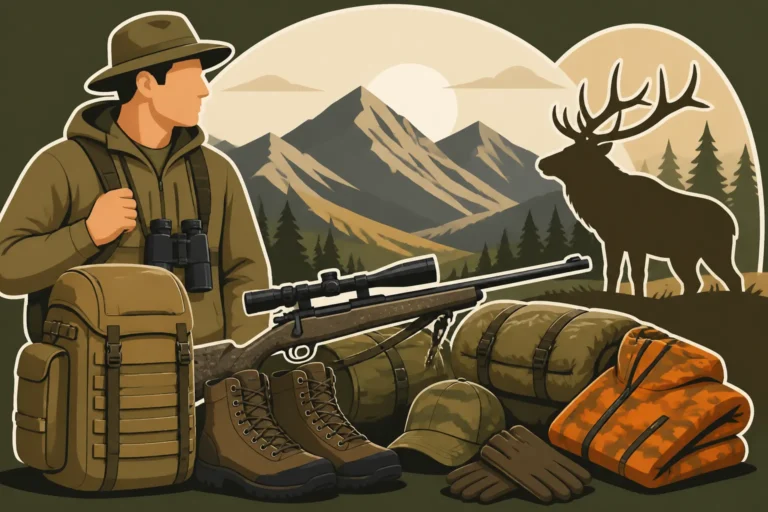
Your outfitter should provide a detailed packing list, but generally, you'll need reliable, layered clothing for varying weather conditions (Montana weather can change on a dime!), durable hunting boots that are well broken in, quality optics (binoculars, spotting scope), and your preferred weapon with plenty of practice rounds under your belt.
Consider the specifics of a Bozeman hunt:
- Layering System: Synthetic or merino wool base layers, insulating mid-layers, and a waterproof/windproof outer shell are essential.
- Footwear: Sturdy, waterproof boots with good ankle support are non-negotiable for navigating rocky, uneven terrain.
- Optics: Good binoculars (10x or 12x) are crucial for glassing vast expanses. A spotting scope can be a game-changer for evaluating animals at long distances.
- Backpack: A comfortable daypack for essentials and a larger pack if you're expected to carry out meat or gear are important.
- Weapon: Ensure your rifle or bow is sighted in and you're proficient with it. Understand the ethical shot distances for your capabilities and the species you're pursuing.
Your outfitter is your best resource for specific gear recommendations relevant to their particular camps and hunting style. Don't hesitate to ask them for their top five must-have items. For deeper dives into gear, you might find articles like Montana Backcountry Hunting Gear List helpful.
Travel Logistics and Hunt Schedule
Carefully plan your travel to and from Bozeman. Confirm meeting points and times with your outfitter well in advance. If you're flying, be aware of airline restrictions for firearms and ammunition, and plan extra time for checking in your weapon. If you're driving, ensure your vehicle is capable of handling potential mountain roads, especially in the late season when snow can be a factor.
Understand the typical daily schedule of your hunt. What time do you wake up? When do you head out? What are the expectations for meal times and downtime? This will help you mentally prepare for the rigors of the hunt. Also, have a clear understanding of the outfitter's policy regarding emergency communications, especially if you're heading into a remote area with limited cell service. Many outfitters carry satellite communication devices, but it's good to know the protocol. The more you plan and communicate, the smoother your overall experience will be.
Disclaimer
This article is for general informational purposes only and does not constitute professional advice. Laws, prices and regulations vary by location and change over time. Consult a qualified professional for guidance on your specific situation.