Montana Outfitters That Offer Sponsored Tags
It can be incredibly frustrating to dream of a Montana big game hunt, spend countless hours researching, and then face the brutal reality of the nonresident draw odds. For many, drawing a coveted elk or deer tag feels like hitting the lottery, and year after year, the disappointment of "unsuccessful" status can really wear you down. But what if there was a different path, one that bypassed the heart-wrenching draw entirely for certain opportunities? This guide is here to unravel the mystery of Montana outfitters that offer sponsored tags, explaining exactly what they are, how they work, and what you need to consider before pursuing this unique avenue to hunting the Treasure State.
What Exactly Are Montana Outfitter-Sponsored Tags?
Let's cut right to the chase: "outfitter-sponsored tags" aren't some secret stash of extra licenses. They are a specific allocation within Montana's licensing system designed to support the guided hunting industry and provide non-residents with a more direct, albeit more costly, path to obtaining a hunting license. This system is officially known as the "Outfitter-Sponsored Nonresident Big Game Combination License." It’s important to understand this distinction from the outset, as it’s not a separate tag type but a method of acquiring a combination license under specific conditions.
The Basic Concept and How They Differ from Public Draw Tags
Think of it this way: when you apply for a regular nonresident combination license (like the Elk Combo or Deer Combo) through the public draw, you're essentially throwing your hat into a very competitive ring with thousands of other hopeful hunters. Your success hinges entirely on the luck of the draw and your accumulated preference points. It's a gamble, pure and simple.
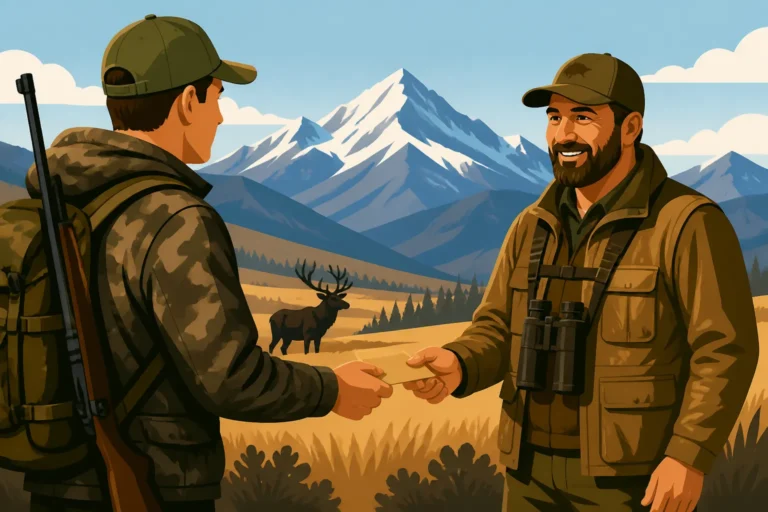
Outfitter-sponsored tags, on the other hand, are part of a separate quota of nonresident combination licenses specifically set aside for individuals who book a hunt with a licensed Montana outfitter. When you secure a contract with one of these outfitters, they can essentially "sponsor" your application for one of these dedicated tags. The biggest difference is that these tags are guaranteed to be issued once you have a valid outfitter contract and submit your application correctly. You bypass the main drawing and the need for preference points for that particular license type. This is huge for hunters who are tired of waiting or simply want to ensure they have a tag in hand when they plan their trip. The core idea is to incentivize non-residents to use licensed outfitters, which in turn supports the local economy and provides a more controlled hunting experience for some.
Eligibility and Restrictions
While the "guaranteed" aspect sounds fantastic, it comes with a few conditions. First and foremost, you must have a signed contract with a licensed Montana outfitter for a specific hunt. This isn't a casual arrangement; it's a formal agreement. The outfitter then submits proof of this contract along with your license application.
These sponsored tags are almost exclusively for the nonresident combination licenses, meaning the big game combination (elk and deer), deer combination, or elk combination licenses. You generally won't find sponsored tags for limited-entry permits for specific trophy districts or for species like moose, sheep, or goat. Those highly sought-after species still go through a separate, much tougher draw process based on bonus points. It's crucial to confirm with your chosen outfitter exactly what kind of license their sponsorship covers. Also, while the tag is guaranteed, you are obligated to hunt with that specific outfitter for the duration of your contract. You can't just get the tag and then decide to go DIY. It's an all-in commitment. For a deeper dive into the standard draw process, check out Montana Nonresident License Draw Explained.
The Pros and Cons of Pursuing an Outfitter-Sponsored Tag
Like anything in the world of hunting, there are trade-offs. Outfitter-sponsored tags offer some significant advantages, but they also come with considerations that might not make them the right fit for every hunter. It's all about weighing what matters most to you and your hunting goals.
The Allure: Guaranteed Access and Streamlined Planning
The single most compelling reason to pursue an outfitter-sponsored tag is the guarantee of a license. For non-residents, drawing an elk combination license in the general draw can be a multi-year endeavor, requiring years of building preference points and still facing uncertain odds. With an outfitter-sponsored tag, that uncertainty is removed. Imagine being able to book your flights, plan your gear, and arrange time off work with the absolute certainty that you'll have a valid tag in your pocket when you arrive. This alone can alleviate immense stress and allow for much more precise planning.
This approach also simplifies the entire application process, as your outfitter will guide you through the necessary steps. You don't have to navigate the complex rules of Montana General vs Permit Tags Explained or worry about application deadlines in the same way. For busy professionals or those with limited vacation time, this streamlined approach can be a game-changer. It means you spend less time worrying about the draw and more time getting ready for the hunt of a lifetime.
The Realities: Cost and Commitment
Now for the flip side: cost and commitment. Outfitter-sponsored tags are undeniably more expensive than public draw tags. While the license fees themselves might be similar to the combination license you'd draw otherwise, the mandatory booking of a guided hunt is where the significant expense comes in. You're not just paying for a tag; you're paying for a full-service experience that includes guides, lodging, meals, and often transportation within the hunting area.
It's a serious financial investment, and it requires you to be comfortable with a guided hunt structure. If you're a staunch DIY hunter who cherishes the independence of navigating public lands on your own, this might feel restrictive. You're committing to an outfitter's schedule, their methods, and their hunting grounds. While many outfitters offer incredible experiences, it's a different beast than striking out alone. Before you jump in, it's crucial to understand Montana Guided Elk Hunt Cost and what that significant investment entails. Platforms like BookYourHunt often feature various outfitters, but remember to always check with the outfitter directly for current offerings and pricing, as these arrangements can vary widely.
How to Find and Secure a Montana Outfitter-Sponsored Tag
Okay, so you've weighed the pros and cons, and the idea of a guaranteed tag, coupled with a professional guided hunt, sounds like the right move for you. The next step is figuring out how to make it happen. This isn't quite as simple as just "buying" a tag, but it's a well-established process if you know where to look.
Researching Reputable Outfitters
This is arguably the most critical step. Since you are committing to a significant financial investment and placing your hunting dreams in someone else's hands, thorough research is non-negotiable. Look for outfitters who have a proven track record, positive client testimonials, and are fully licensed and insured in Montana. Don't be shy about asking for references and actually calling them. Ask about their hunting areas, typical success rates, the size of their camps, and what a typical day on a hunt looks like.
Websites like GoHunt can be invaluable resources for researching outfitters and specific hunting units, often providing insights into public land opportunities versus private land access, which many outfitters utilize. You'll want to find an outfitter whose hunting style and values align with yours. Some specialize in wilderness pack-in hunts, while others focus on comfortable lodge-based experiences or particular species. Understanding How to Choose a Montana Hunting Outfitter is paramount. Make sure you get a detailed contract that clearly outlines what's included, what's not, and the payment schedule.
The Application Process for Outfitter-Sponsored Tags
Once you've chosen an outfitter and signed your contract, they will typically initiate the process for your outfitter-sponsored license. They'll provide you with the necessary forms and often help you fill them out correctly. You'll still need to provide your personal information, pay the license fees, and ensure you meet all of Montana's basic hunting requirements, such as hunter education if applicable. The outfitter will then submit your application, along with proof of your contract, to the state wildlife agency.
The key here is that the outfitter is responsible for verifying your booking and essentially vouching for your application within their allocated quota of sponsored tags. This process usually happens well in advance of the hunting season, often around the same time as the general draw deadlines, so it's not a last-minute option. Always confirm exact deadlines with your outfitter. Remember, your tag is tied to their services, so clear communication throughout this process is vital.
Here’s a quick comparison of the two main ways non-residents get big game combo tags in Montana:
| Feature | Public Draw Combination License | Outfitter-Sponsored Combination License |
|---|---|---|
| Tag Acquisition | Lottery based, requires preference points | Guaranteed with signed outfitter contract |
| Cost Implication | License fee + travel/gear/DIY expenses | License fee + significant guided hunt cost |
| Hunter Preparation | Independent scouting, navigation, planning | Outfitter handles logistics, guides hunt |
| Hunt Structure | DIY or unguided | Mandatory guided hunt with specific outfitter |
| Flexibility | High (choose own dates/areas within season) | Lower (bound by outfitter's schedule/area) |
| Primary Benefit | Lower upfront cost, independence | Guaranteed tag, expert guidance, higher success potential |
Key Considerations Before Committing
Deciding to pursue an outfitter-sponsored tag in Montana is a big step, and it's essential to go into it with your eyes wide open. While the allure of a guaranteed tag is strong, ensuring it's the right decision for you involves more than just desire.
Understanding the Full Financial Picture
We've touched on the cost, but let's break it down a bit further. Beyond the base cost of the guided hunt, which can vary wildly depending on the outfitter, the length of the hunt, and the species targeted, there are many other expenses to consider. You'll have travel costs to Montana, potentially meat processing and shipping fees if you're successful, and don't forget the expectation of tipping your guides and camp staff. This can add a significant percentage to the overall expenditure.
Make sure your outfitter provides a clear breakdown of what's included and what's extra. Will they provide airport pickup, or do you need a rental car? Are licenses included in their price, or are they a separate fee you pay directly to the state? Being crystal clear on the total financial commitment will help you budget effectively and avoid any unpleasant surprises. Many questions regarding what's covered can be found in resources like What's Included in a Montana Guided Hunt.
Matching Expectations with Reality
A guided hunt with an outfitter-sponsored tag is often marketed as a dream come true, and for many, it absolutely is. However, it's vital that your expectations align with what the outfitter realistically offers. Don't go into a hunt expecting a guaranteed "Boone & Crockett" animal unless the outfitter specifically hunts highly managed trophy properties, which will come at an even higher premium. Most outfitters are focused on providing a quality fair-chase experience and a reasonable opportunity to harvest an animal.
Discuss with your outfitter their typical success rates, the size of animals they usually harvest, and the physical demands of the hunt. Are you prepared for long days of hiking in steep terrain, or do you need a less strenuous hunt? What happens if you don't fill your tag? Understanding the realities of hunting in Montana, even with a guide, will ensure you have a much more enjoyable and fulfilling experience. For those considering the various options, comparing Guided vs DIY Elk Hunting in Montana can help clarify your personal preferences.
Remember, Montana hunting is an experience like no other, and whether you draw a tag or secure one through an outfitter, it's about the adventure. Choosing the outfitter-sponsored route can be an excellent way to guarantee your spot in the field and experience the best the state has to offer, but it's a decision that requires careful thought and planning.
Disclaimer
This article is for general informational purposes only and does not constitute professional advice. Laws, prices and regulations vary by location and change over time. Consult a qualified professional for guidance on your specific situation.