Bighorn Mountains Hunting Guide
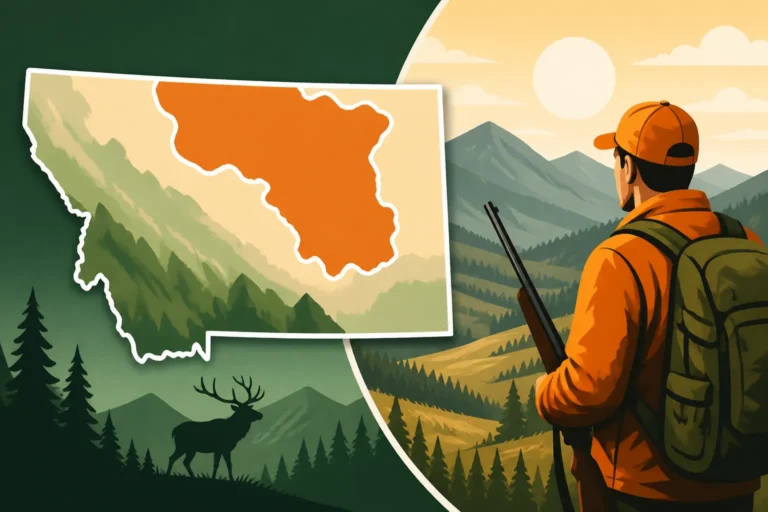
There's a special kind of hunter who looks at a map of Montana, sees the Bighorn Mountains, and feels an immediate pull. It's an area steeped in rugged beauty and wildness, but let's be honest, hunting these mountains can feel like trying to solve a puzzle with half the pieces missing. The terrain is unforgiving, access is often a mystery, and understanding where the game lives can be overwhelming. This guide is here to unravel that mystery, offering a realistic look at what it takes to successfully hunt the Bighorn Mountains and how to tackle its unique challenges.
Understanding the Bighorn Mountains Hunting Landscape
The Bighorn Mountains, straddling the Montana-Wyoming border, offer a distinct hunting experience within Montana's diverse landscapes. When we talk about hunting the Bighorns on the Montana side, we're generally looking at the northern slopes and foothills, primarily within Montana Fish, Wildlife & Parks (FWP) Region 7 and portions of the Custer Gallatin National Forest. This isn't your typical vast wilderness area like the Bob Marshall; instead, it's a mix of steep, timbered ridges giving way to open, often private, rangeland and deep canyons, all presenting a unique set of challenges and opportunities.
Geographical Features and Terrain
The Montana side of the Bighorns is characterized by its dramatic elevation changes. You'll find yourself climbing through dense conifer forests in the higher elevations, which then transition into scattered Ponderosa pine, juniper breaks, and eventually sagebrush-covered foothills. This diverse topography is crucial for big game, providing everything from thermal cover and bedding areas to open feeding grounds. Water sources can be sparse in some areas, especially later in the season, concentrating game around creeks, springs, and man-made tanks. The rock formations and deep drainages create natural travel corridors and escape routes for animals, and understanding these patterns is key to developing an effective hunting strategy. Many hunters find themselves focused on the deep, secluded canyons that crisscross the landscape, where game often seeks refuge from pressure.
Climate and Environmental Factors
Hunting in the Bighorns means being prepared for a wide range of weather conditions, often within a single day. Early archery seasons can bring hot, dry weather, making water crucial for both hunters and game. As you move into rifle season, crisp autumn days can quickly turn into blizzards, especially at higher elevations. Snowfall, even light dusting, can be a game-changer, revealing fresh tracks and pushing animals into lower, more accessible areas. The notorious Montana wind is also a constant companion here, influencing thermals and making scent control a top priority. Understanding how to use the wind to your advantage, especially in these broken drainages, is paramount. Hunters often underestimate the impact of temperature swings, where a sunny morning can give way to freezing rain by afternoon, making proper gear selection not just a comfort, but a safety necessity.
Game Species and Hunting Seasons in the Bighorns
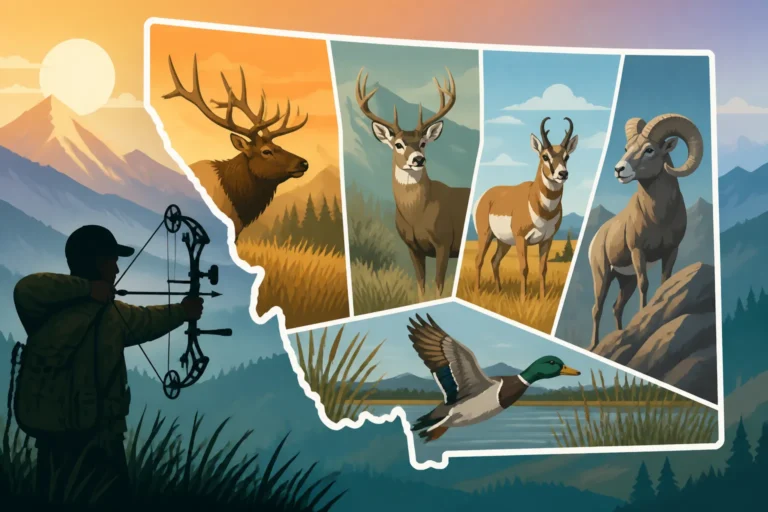
The Bighorn Mountains are aptly named, as they hold populations of the majestic bighorn sheep. However, for most hunters, the primary draw will be elk and mule deer, both of which thrive in this diverse habitat. Understanding the specific game you're targeting and their seasonal patterns is fundamental to a successful hunt here.
Elk and Mule Deer Opportunities
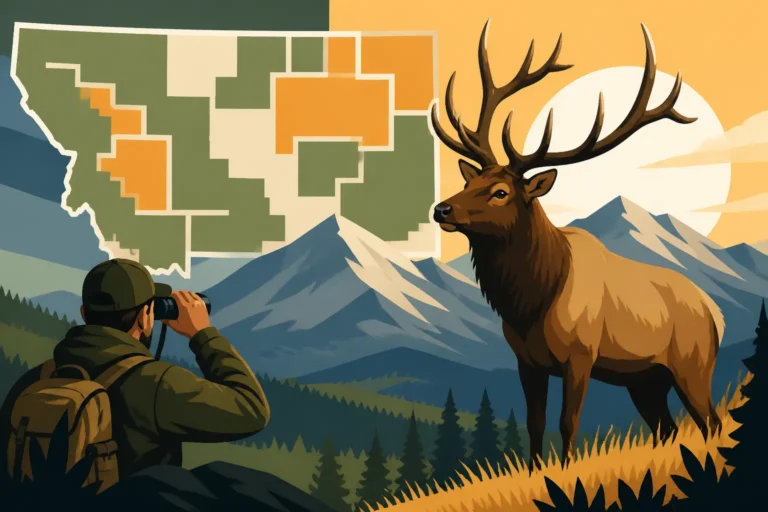
The Bighorns can offer some fantastic opportunities for both elk and mule deer, though success often comes down to perseverance and knowing the land. Elk tend to inhabit the timbered slopes and higher, more secluded drainages, especially during archery season when they are vocal. As pressure mounts during the rifle season, they often retreat into the densest cover. Mule deer, on the other hand, are more at home in the broken country, the sagebrush hills, and the Ponderosa pine breaks, often preferring the lower elevations and avoiding the thickest timber. The key to finding either species is scouting, both physically and through tools like onX Hunt to understand habitat preferences and travel patterns. For those looking to hunt elk, you might want to delve deeper into a comprehensive Montana Elk Hunting Guide. Similarly, if mule deer are your primary target, exploring a Montana Mule Deer Hunting Guide will provide further insights.
Bighorn Sheep and Other Species
While elk and mule deer are the most common big game pursuits, the Bighorn Mountains are home to some specific populations of bighorn sheep. Drawing a bighorn sheep tag in Montana is an exceptionally rare privilege, often requiring many years of applying for bonus points and significant luck in the draw. These hunts are typically highly regulated, with very few tags available each year. If you are fortunate enough to draw one, it represents a true once-in-a-lifetime opportunity. Beyond these main species, you might also encounter black bears, particularly in the more timbered regions. Coyotes are prevalent, and various upland birds can be found in the foothills, adding to the area's diverse hunting potential. For those interested in the elusive sheep, you can learn more about Montana Bighorn Sheep Hunting Guide.
Montana's General Hunting Seasons
The Bighorn Mountains, like most of Montana, follow the state's general hunting seasons. Archery season for deer and elk typically runs from early September through mid-October, offering opportunities to hunt during the rut for elk. The general rifle season for deer and elk usually begins in late October and extends through late November. Antelope seasons vary but often run concurrently with early archery seasons or have specific rifle periods. It's absolutely critical to consult the most current Montana FWP regulations for specific dates and unit-by-unit special regulations, as season structures and specific hunting districts (HUs) can change annually. Some districts might have antler-point restrictions or specific cow elk tags, requiring careful review of the FWP hunt codes. You can also review the Montana Hunting Seasons Explained for a broader overview of the state's hunting calendar.
Here's a quick overview of typical season windows for the main big game species in the Bighorns:
| Species | Typical Archery Season | Typical General Rifle Season | Tag Type (Common) | Trophy Potential |
|---|---|---|---|---|
| Elk | Early Sept – Mid-Oct | Late Oct – Late Nov | General/Permit (A) | Good |
| Mule Deer | Early Sept – Mid-Oct | Late Oct – Late Nov | General/Permit (A/B) | Good |
| Bighorn Sheep | Mid-Sept – Mid-Nov (Varies) | Mid-Sept – Mid-Nov (Varies) | Permit Only | Excellent |
| Black Bear | Spring (Mid-Apr – May); Fall (Sept – Nov) | Spring/Fall (Check Regs) | General/Permit | Fair-Good |
Note: Always consult current Montana FWP regulations for precise dates and specific district rules.
Navigating Access and Public Land
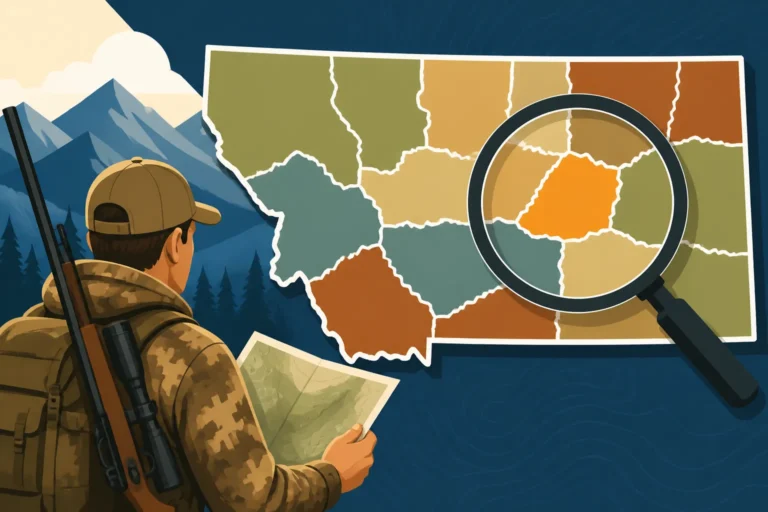
One of the biggest hurdles and sources of frustration for hunters in the Bighorn Mountains, especially for non-residents or those unfamiliar with the area, is simply getting in. The land ownership here is a complex tapestry of public and private parcels, often creating what's known as a "checkerboard" pattern. Understanding this intricate mosaic is absolutely non-negotiable for a legal and ethical hunt.
Identifying Public vs. Private Land
The Bighorns are a patchwork. While there are significant tracts of Custer Gallatin National Forest and Bureau of Land Management (BLM) lands, they are often interspersed with private ranchlands. This can lead to landlocked public parcels that are legally accessible only by foot across other public land, or sometimes, not at all without landowner permission. This is where tools like onX Hunt become indispensable. An onX Hunt subscription allows you to view property boundaries and landowner names right on your phone or GPS device, showing you exactly where public land begins and ends, and more importantly, how to legally access it. This level of detail helps avoid accidental trespassing, which is a cardinal sin in hunting and can have serious legal consequences. It's an investment that pays for itself many times over in peace of mind and access strategy. Learning how to E-Scout Montana Hunting Units before you even leave home is crucial for making the most of your time.
Trailheads, Roads, and Wilderness Considerations
Access points into the Bighorns vary significantly. Some areas have well-maintained forest roads leading to designated trailheads, providing relatively straightforward access for day hunts or short backcountry trips. Other sections are much more remote, requiring miles of hiking through difficult terrain, often without established trails. Before you go, thoroughly research road conditions; many forest roads close seasonally due to snow or mud, making an area inaccessible. Keep in mind that vehicles are restricted in many areas, and even ATVs often have designated trails they must stick to.
There aren't extensive designated wilderness areas within the Montana Bighorns comparable to the massive federal wilderness complexes elsewhere in the state, but certain roadless areas offer a similar backcountry experience. These areas demand self-sufficiency and a good understanding of navigation. For those planning a multi-day trip into remote country, studying a Montana Backcountry Hunting Guide is highly recommended, as packing and safety considerations are amplified. You'll need to know How to Pack for a Montana Backcountry Hunt to ensure you have all the necessary gear without overpacking.
Securing Landowner Permission
While public land access is paramount, don't overlook the possibility of securing permission to hunt private land, especially in the foothills and lower elevations of the Bighorns. Many large ranches operate in this region, and a respectful, well-timed request can sometimes open up excellent hunting opportunities, particularly for deer. Landowner preference tags are also a component of Montana's licensing system, where private landowners can sponsor hunters for certain tags. This is where researching potential landowners and making contact well in advance of the season comes into play. Always be prepared to offer compensation, whether it's helping with a chore or a trespass fee, and always respect the landowner's wishes and property. Remember, cultivating a good relationship can lead to future opportunities, making you a welcome guest rather than a nuisance. This can also be a point where services like GoHunt can provide valuable insights into hunting districts that have a higher percentage of private land, allowing you to gauge whether landowner permission is a viable strategy for your chosen unit.
Strategic Hunting Approaches for the Bighorns
Hunting the Bighorn Mountains isn't just about showing up with a tag; it's about employing smart strategies tailored to this specific environment. The varied terrain, animal behavior, and potential for other hunters require a thoughtful approach to increase your odds of success.
Glassing and Spot-and-Stalk Tactics
The Bighorn Mountains, with their mix of open sagebrush and timbered slopes, are an ideal landscape for employing glassing and spot-and-stalk tactics, particularly for mule deer and often for locating elk. Finding a high vantage point at first light or last light is crucial. Invest in quality optics – a good pair of binoculars (10x or 12x) and a spotting scope (20-60x) are non-negotiable. Spend hours behind the glass, meticulously picking apart the shadows in the timber, the contours of the sagebrush hills, and the distant slopes. Look for horizontal lines, patches of different color, or flickers of movement that betray an animal's presence. Once an animal is spotted, the real work begins: planning a careful stalk to get within shooting range, always being mindful of the wind, thermals, and terrain. How to Use Optics for Montana Mule Deer goes into more detail on this essential skill. For example, a successful stalk might mean a long, circuitous route to stay hidden and keep the wind in your favor, even if it adds hours to your approach.
Still-Hunting and Tracking in Timber
While glassing is effective in open country, the Bighorns also feature dense timber that demands a different approach: still-hunting. This method involves moving slowly and deliberately through the forest, taking one or two steps, then pausing for several minutes to observe, listen, and scan. Your eyes should be trained to pick out small details – the flick of an ear, the shine of an antler, a patch of hide through the trees. Pay close attention to the wind and thermals, which are constantly shifting in mountainous terrain. Move into the wind whenever possible, or across it if the terrain dictates. This quiet, patient method is particularly effective for surprising bedded elk or mule deer that have retreated into the dark timber to escape pressure. Look for fresh tracks, droppings, and rubs to identify active game trails and bedding areas. Knowing How to Find Elk in Montana Dark Timber can really pay off in these environments.
Physical Fitness and Backcountry Readiness
Let's be blunt: hunting the Bighorn Mountains is physically demanding. The steep ascents, rocky terrain, and potential for long pack-outs mean you need to be in good physical condition. Don't underestimate the impact of elevation if you're coming from sea level. Start a fitness regimen months before your hunt that includes cardio, strength training, and hiking with a weighted pack. Beyond physical stamina, mental toughness is key. Be prepared for long days, unpredictable weather, and the inevitable setbacks. Carrying essential backcountry gear, including a first-aid kit, navigation tools, extra water, and emergency shelter, is not just smart, it's vital for safety. Even if you're not planning a multi-day trip, the Bighorns can quickly turn a day hunt into an unexpected overnighter if you get lost or injured. Being physically prepared allows you to hunt harder, cover more ground, and ultimately, increases your chances of success. This is especially true if you end up with an animal down deep in a drainage; How to Pack Out an Elk in Montana is a skill you hope to use, but one that requires immense strength and planning.
Disclaimer
Please be aware that hunting regulations, season dates, and land access rules in Montana can change frequently. This guide provides general information and should not be considered a substitute for consulting the official Montana Fish, Wildlife & Parks (FWP) regulations and maps for the most current and accurate details before planning any hunt. Always verify all information with the official sources.