Montana Guided Hunt Lodging Options
One of the biggest questions when you start planning a guided hunting trip to Montana, beyond what you’re hunting, is where you're actually going to sleep at night. It's easy to get caught up in the excitement of the hunt itself, but your lodging choice can truly shape your entire experience. This guide will walk you through the various lodging options available on guided Montana hunts, helping you understand what to expect so you can pick the perfect base camp for your adventure.
Traditional Lodge and Ranch Accommodations
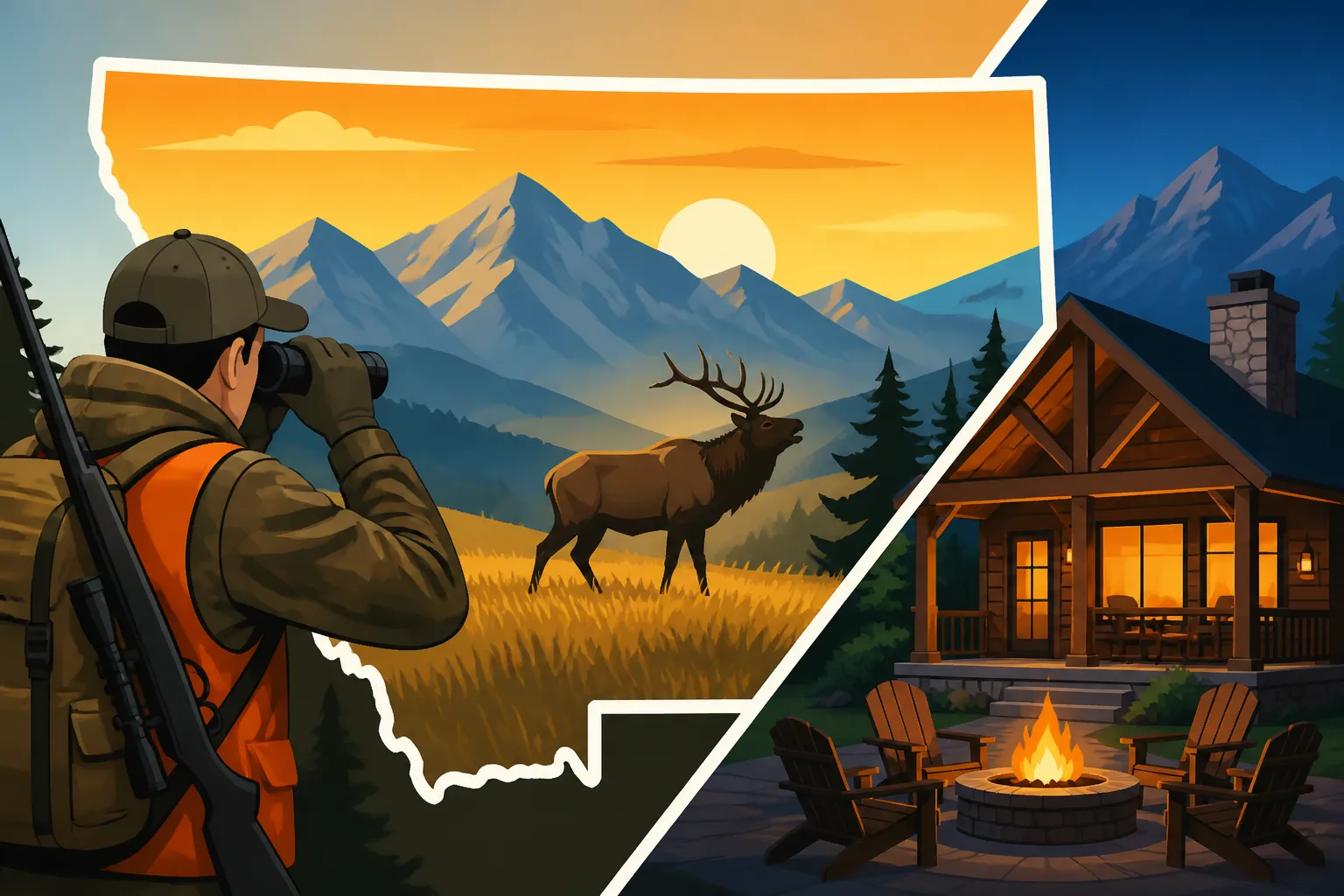
When many folks picture a guided hunt in Montana, they often envision the classic lodge or a comfortable ranch house. This isn't just a romanticized notion from old hunting magazines; it's a very real and popular option that offers a blend of authentic Montana experience with genuine comfort. These types of accommodations are designed to be your home away from home, providing a welcoming retreat after a long day in the field.
The Comforts of a Lodge or Ranch House
Imagine coming back from a chilly morning glassing session, perhaps having tracked an elk through several drainages, and knowing a warm, dry place awaits. Lodge and ranch house accommodations typically offer private or semi-private rooms, comfortable beds, and often, the glorious luxury of hot showers and flush toilets. This might sound like a small detail, but when you're physically exhausted, clean clothes and a good night's sleep in a real bed can feel like heaven. Many lodges even boast communal living areas with fireplaces, perfect for swapping stories with your outfitter and fellow hunters, pouring over maps, or just unwinding.
The food situation at these setups is often a major draw. Most guided hunts operating out of a lodge or ranch house will provide home-cooked meals, from hearty breakfasts to fuel your morning, to delicious dinners that recharge your body. We’re talking about stick-to-your-ribs fare – steaks, stews, roasted vegetables, and maybe even some fresh-baked goods. Lunches are usually packed for you to take into the field. This takes a huge burden off your shoulders; you don't have to worry about cooking, cleaning up, or even planning your meals. It frees you up to focus entirely on the hunt and recovery. Outfitters listed on platforms like BookYourHunt often detail their lodging and meal plans extensively, making it easier to compare these comforts.
The Social Aspect and Daily Operations
Beyond the physical comforts, lodge and ranch-based hunts foster a unique social atmosphere. You're living and eating with your guides and other hunters, which can lead to lifelong friendships and shared memories. There's a certain camaraderie that builds around the dinner table, discussing the day's events, planning for tomorrow, and sharing knowledge. This is especially great for solo hunters who enjoy company, or for groups who want to enhance their bonding experience.
Daily operations are generally very structured. You'll typically wake early, have breakfast, and then head out with your guide to the hunting grounds, which might be on the private ranch property or accessed via a short drive to nearby public land. The outfitter handles transportation to and from the hunting areas. After the hunt, you return to the lodge, enjoy dinner, and prepare for the next day. This routine provides a predictable rhythm to your hunt, allowing you to maximize your time in the field without the added stress of managing a camp yourself. For those interested in How to Choose a Montana Hunting Outfitter, considering their lodging style is a key step.
Backcountry and Spike Camp Options
For the truly adventurous hunter seeking an immersive, rugged Montana experience, backcountry camps and spike camps are the ultimate choice. These options strip away many of the creature comforts found in a lodge, replacing them with raw wilderness, solitude, and the thrill of living deep in elk or deer country. This isn't for the faint of heart, but for many, it's the purest form of hunting.
Immersive Wilderness Experience
Backcountry camps are typically set up far from roads, often requiring horseback packing or a substantial hike to reach. Think sturdy wall tents, sometimes with wood stoves for warmth, providing basic shelter. Spike camps take this a step further – they're even more minimalist, sometimes just a tarp, a sleeping bag, and a small cooking setup, designed to be mobile and allow hunters to push even deeper into game-rich areas for a night or two. The primary advantage of these setups is unparalleled access to pristine, unpressured hunting grounds. You wake up right in the middle of where the animals live, often hearing elk bugling from your sleeping bag or glassing deer from your tent flap. This greatly reduces daily travel time, maximizing your hunting hours. Guides specializing in these hunts often have excellent local knowledge of remote areas. For detailed insights, check out our guide on Montana Backcountry Hunting Guide.
While the physical demands are higher, the rewards are immense. You're experiencing Montana's wilderness in its truest form, far from the distractions of civilization. The nights are filled with the sounds of the wild, and the stars shine brighter than you can imagine. Meals are typically simpler but still hearty, often cooked over a fire or on a portable stove. Think dehydrated meals, mountain house fare, or simple camp classics. Your outfitter will handle the logistics of packing in and out all necessary gear, food, and water, which is a significant undertaking in itself. If you're pondering How to Pack Into the Montana Backcountry, a guided trip with an experienced outfitter handling the heavy lifting can be a fantastic introduction.
Ruggedness and Physical Demands
It's crucial to understand that backcountry and spike camps are inherently more rugged. Hot showers are a distant dream, replaced by baby wipes or a quick dip in an icy stream if you're brave enough. Toilets are often a shovel and a cat hole. Sleeping might be on a sleeping pad on the ground, even in a wall tent with a cot. You'll be dealing with colder temperatures, possibly snow, and definitely unpredictable mountain weather. Gear is paramount here – your sleeping bag needs to be rated for the conditions, and your clothing system must be robust.
The physical exertion doesn't stop with the hunt; daily life in a backcountry camp requires more energy. Hauling water, gathering firewood, and simply moving around a less-structured environment demands more from you. However, for many, this challenge is part of the appeal. It builds resilience, fosters a deeper connection to the environment, and makes the eventual success of the hunt even more meaningful. When you're considering a more primitive experience like this, resources on GoHunt can sometimes help you find outfitters who specialize in these types of remote excursions, especially when researching specific hunting districts.
Town-Based Lodging and Outfitter Commutes
Not every guided hunt places you in a remote lodge or a tent in the wilderness. Many outfitters operate hunts that utilize town-based lodging, where you stay in a local hotel, motel, or even a rented cabin or Airbnb, and commute daily to the hunting area. This option offers a different set of advantages and is particularly popular for certain types of hunts or for hunters who prefer to have a bit more personal space and access to amenities outside of the hunting camp.
The Convenience of Town Amenities
Choosing a town-based lodging option means you get all the conveniences of modern life readily available. You'll likely have your own private room and bathroom, access to Wi-Fi, television, and usually a wider array of restaurant choices. This can be a huge benefit if you have dietary restrictions, or simply enjoy the flexibility of choosing your own meals outside of what the outfitter provides. Many towns near prime hunting areas, such as Dillon, Ennis, or even larger hubs like Bozeman or Missoula, offer a variety of lodging styles, from budget-friendly motels to more upscale hotels and charming local inns. This approach is particularly common for day hunts or hunts where the game animals are spread across an area accessible by truck.
Another advantage is that town-based lodging can be a great option if you're traveling with family members or non-hunting companions. They can enjoy exploring the local community, visiting shops, museums, or other attractions while you're out hunting. This allows for a blended vacation, where everyone has their own experience without feeling cooped up in a remote camp. It's about balancing the hunt with other personal preferences. Our article on Montana Hunting Outfitters Near Bozeman or Montana Hunting Outfitters Near Missoula might highlight some outfitters who regularly use town-based lodging.
Daily Commutes and Logistics
The trade-off for town-based lodging is, of course, the daily commute. Depending on the hunting district and the outfitter's strategy, you might be driving anywhere from 30 minutes to a couple of hours each way to reach the hunting grounds. This eats into your sleep time and your hunting time. Early mornings will be even earlier to account for travel, and evenings might involve a late return. You'll also typically meet your guide at a predetermined spot each morning, rather than having them right on site.
While the outfitter often arranges transportation from the meeting point to the actual hunting area, you might be responsible for your own travel to and from the outfitter's base of operations or the initial meeting spot. This means having your own reliable vehicle, which can add another layer of planning and cost to your trip. It's essential to clarify all these logistical details with your outfitter upfront. This kind of arrangement might be seen with some outfitters focusing on Montana Antelope Hunting Guide on the plains, where towns are more prevalent, or certain Montana Whitetail Deer Hunting Guide experiences in agricultural areas.
Factors to Consider When Choosing Your Lodging
Selecting the right lodging for your guided Montana hunt isn't a one-size-fits-all decision. It's a personal choice that should align with your hunting goals, comfort preferences, budget, and even your physical capabilities. Taking the time to weigh these factors will help you make an informed decision and ensure your trip is as enjoyable as it is successful.
Budget and Cost Implications
Unsurprisingly, your budget will play a significant role. Generally speaking, a fully outfitted hunt with comfortable lodge accommodations, including meals and transportation, will be at the higher end of the price spectrum. These hunts offer maximum convenience and comfort, reflecting the services provided. Think of it as an all-inclusive package. Backcountry or spike camps, while still a significant investment due to the specialized gear, logistics, and skilled guides required to operate in remote areas, might sometimes offer a slightly different cost structure depending on how elaborate the camp is.
Town-based hunts can vary wildly. If the outfitter’s fee doesn't include lodging, you'll be paying for your hotel or rental separately. This might give you more control over your lodging budget, allowing you to choose a more economical option or splurge on something luxurious. However, remember to factor in potential additional costs like daily travel to the meeting point, and all your meals, if they're not covered by the outfitter's package. Always get a clear breakdown of what's included in any guided hunt package. Our Montana Guided Elk Hunt Cost article delves deeper into these financial considerations.
Comfort Level vs. Authentic Experience
This is often the biggest mental debate for hunters. Do you prioritize a hot shower and a soft bed, or do you crave the raw, untamed feel of the wilderness? There's no right or wrong answer, only what's right for you.
- High Comfort (Lodge/Ranch): If you value comfort, convenience, and a social atmosphere after a day of hunting, a lodge or ranch house is probably your best bet. You can focus solely on the hunt knowing all your basic needs are met. This is often recommended for first-time western hunters or those looking for a more relaxed experience.
- Rugged Authenticity (Backcountry/Spike Camp): If you're physically fit, enjoy roughing it, and want the most immersive wilderness experience possible, a backcountry camp will deliver. You'll be closer to the game and experience the mountains in their purest form, but you'll trade luxury for grit.
- Balanced Flexibility (Town-Based): If you appreciate modern amenities and personal space, don't mind a daily commute, and want the flexibility to integrate non-hunting activities, then town-based lodging might be ideal.
Consider past camping experiences, your age, and any physical limitations when making this choice. A truly amazing hunting trip is one where you're comfortable enough to perform your best and enjoy every moment, not just one that fits a perceived ideal.
Proximity to Hunting Area and Daily Logistics
The closer your lodging is to the actual hunting grounds, the more time you'll spend hunting and the less time you'll spend commuting. This is a simple but critical factor.
- Backcountry camps offer the ultimate proximity, often allowing you to step out of your tent and start hunting immediately. This is invaluable, especially during archery season when legal hunting light is critical.
- Lodge/Ranch operations often have hunting grounds on-site or a relatively short drive away, typically within 30-60 minutes.
- Town-based lodging usually involves the longest commutes. While this isn't always a deal-breaker, it's something to be aware of, particularly if you struggle with very early mornings or late returns.
Also, consider how game recovery might be affected. In a backcountry scenario, you might be quartering and packing an animal out from deep within the mountains. From a lodge or town, retrieval might involve retrieving your animal by vehicle (if accessible) or a shorter pack out to a waiting rig. Understanding these logistical differences can impact your overall hunting strategy and physical preparation, especially for big game like elk where How to Pack Out an Elk in Montana is a major consideration.
Group Size and Preferences
Are you hunting solo, with a buddy, or a larger group? This can influence lodging availability and suitability.
- Lodge/Ranch: Ideal for groups, as lodges often have multiple rooms and communal spaces, fostering a great group dynamic. They can also accommodate solo hunters who enjoy sharing the experience with new people.
- Backcountry Camps: Can work for small, cohesive groups or solo hunters who are comfortable with the challenges. Outfitters will often tailor these camps to the size of the hunting party.
- Town-Based: Offers the most flexibility for individual preferences within a group. Everyone can book their own room, or a group can rent a larger vacation home together. This provides a good balance of group activities and personal downtime.
It's important to communicate your group's preferences to potential outfitters early in the booking process. Many outfitters have a variety of lodging options or can adapt to suit your needs, but knowing upfront helps them tailor the perfect experience for you.
When searching for the perfect guided hunt, remember that lodging is more than just a place to sleep; it’s an integral part of your entire adventure.
| Lodging Type | Comfort Level | Proximity to Hunt Area | Amenities | Cost Implication | Social Aspect | Physical Demands |
|---|---|---|---|---|---|---|
| Traditional Lodge/Ranch | High | Moderate (on-site or short drive) | Hot showers, beds, home-cooked meals, communal areas | Higher | Strong camaraderie with guides/other hunters | Moderate |
| Backcountry/Spike Camp | Low (rugged) | Excellent (deep in game country) | Basic shelter (tent), wood stove, simple camp meals | Medium to High | Close bond with guides/hunting partners | High (hiking, cold, roughing it) |
| Town-Based Lodging | Variable (hotel, rental) | Low (daily commute) | Full range (Wi-Fi, restaurants, private bath) | Variable (lodging separate) | More private, less group interaction | Low (for lodging experience) |
Final Considerations and Booking Tips
Regardless of which lodging option you lean towards, there are a few final pieces of advice that can help ensure a smooth and enjoyable experience on your guided Montana hunt. Planning ahead, asking the right questions, and setting clear expectations are key to a successful trip.
What to Ask Your Outfitter About Lodging
When you're speaking with potential outfitters, don't hesitate to ask detailed questions about their lodging arrangements. This is your hard-earned money and valuable vacation time, so clarity is essential.
- Exact Location: Where is the lodge/camp/town you'll be staying in? Knowing this can help you visualize the commute and research local amenities if applicable.
- Sleeping Arrangements: Will you have a private room, a shared room, or a bunkhouse setup? What kind of beds? This helps manage expectations for personal space.
- Bathroom Facilities: Are there flush toilets and hot showers? If not, what are the alternatives (outhouses, solar showers, baby wipes)?
- Meals: What's included? Breakfast, lunch, dinner? Are snacks provided? Can they accommodate dietary restrictions or preferences? What kind of food should you expect in a backcountry setting versus a lodge?
- Power and Connectivity: Will there be electricity? Is there cell service or Wi-Fi? This can be important for staying in touch with family or managing work while away.
- Packing List: Will they provide a specific packing list tailored to the lodging type? For instance, a backcountry camp will require more specialized gear than a lodge. Our article on Montana Backcountry Hunting Gear List can give you a head start.
Getting these details sorted out well in advance can prevent unpleasant surprises and allow you to pack appropriately.
Booking Lead Times and Availability
Popular outfitters, especially those offering prime dates or unique backcountry experiences, often book out a year or more in advance. If you have specific dates or a particular type of lodging in mind, start your research and booking process as early as possible. This is particularly true for nonresident hunters who also need to navigate the Montana Nonresident License Draw Explained process, which has its own strict deadlines.
Booking early not only secures your spot but also gives you ample time to prepare physically, mentally, and with your gear. It also allows for more flexibility in choosing your preferred lodging style, rather than being limited to whatever is leftover. Tools like BookYourHunt can be useful for seeing available dates across multiple outfitters, while GoHunt can provide insights into draw odds and unit specifics that might influence your overall hunt planning and, by extension, your lodging choice.
Preparing for Your Chosen Lodging Type
Once you’ve made your decision, prepare accordingly.
- For Lodge/Ranch Stays: You can pack a little more comfortably. Bring some casual clothes for evenings, a good book, and perhaps some amenities to make your room feel more like home. While it’s comfortable, remember it’s still a hunting camp, so be respectful of shared spaces and other hunters.
- For Backcountry/Spike Camps: This requires serious preparation. Invest in high-quality, lightweight gear. Practice packing your backpack. Get into excellent physical shape. Learn about How to Prepare for High-Country Montana Hunting and discuss specific gear requirements with your outfitter. Being unprepared for the rigors of a backcountry camp can quickly turn an incredible adventure into a miserable slog.
- For Town-Based Stays: Book your hotel or rental well in advance, especially if you're targeting popular hunting seasons when local accommodations fill up fast. Plan for your daily commute to the meeting point, ensuring your vehicle is reliable. Take advantage of the local services for things like laundry or stocking up on personal supplies.
By thoughtfully considering your Montana guided hunt lodging options, you'll be well on your way to a memorable and rewarding experience in Big Sky Country.
Disclaimer
This article is for general informational purposes only and does not constitute professional advice. Laws, prices and regulations vary by location and change over time. Consult a qualified professional for guidance on your specific situation.