How Outfitters Handle Montana Elk Meat
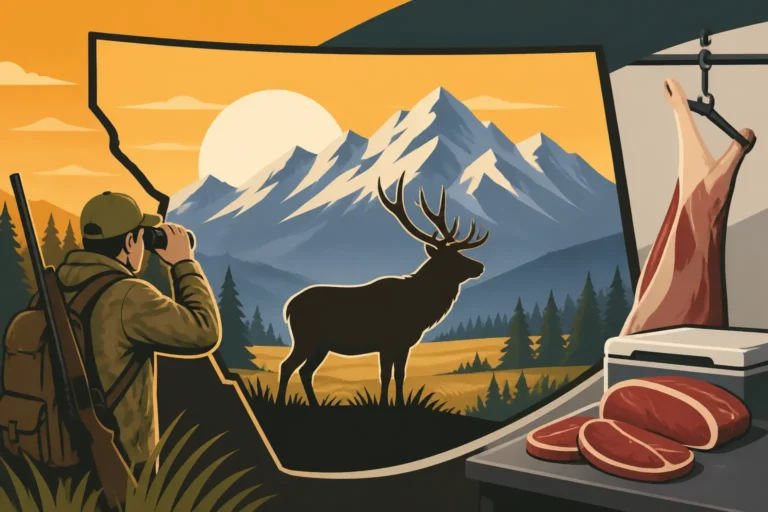
One of the biggest concerns for any hunter heading to Montana for an elk hunt, especially if you’re coming from out of state, is what happens after the shot. You've dreamt of this moment for months, maybe years, and suddenly you're standing over a majestic bull or cow elk, the adrenaline fading, and the immense reality of getting all that precious meat out of the wilderness sets in. It's a daunting task, even for seasoned hunters, and it’s a valid source of anxiety. This guide is going to walk you through exactly how outfitters handle Montana elk meat, from the moment the animal hits the ground to when it's ready for your freezer back home, easing those worries about spoilage and logistics.
The Initial Field Dressing and Quartering: Right Where It Falls
The moment an elk is down, the clock starts ticking. Every second counts when it comes to preserving the quality of that hard-earned meat, especially in the variable temperatures of Montana's wilderness. Outfitters are keenly aware of this urgency, and their entire operation is designed around efficient, respectful, and hygienic meat handling right from the very beginning.
Why Speed is King in the Backcountry
Imagine a scenario: You've just taken a magnificent bull deep in a remote drainage in the Bob Marshall Wilderness. It's mid-September, the sun is high, and the temperature is climbing towards the 60s. That internal body heat, trapped within the animal, can quickly start to degrade the meat. Bacteria thrive in warm, moist environments. If not addressed promptly, your prize could turn from a culinary dream into a heartbreaking loss. This is why outfitters prioritize immediate action. Their guides are trained to be surgical in their approach, wasting no time in getting to the animal and starting the process. They're not just celebrating the shot; they're already thinking two steps ahead, considering the weather, the terrain, and the best way to cool that animal down.
This initial rapid response is crucial. The goal is to dissipate as much body heat as possible, as quickly as possible. This involves more than just field dressing; it’s about getting air to the meat and preparing it for transport. Any hunter who has ever been caught off guard by an unexpected kill in tough terrain knows this feeling of intense pressure. When you're with an outfitter, that pressure is on them, and they've got the experience and manpower to manage it effectively. This is where the value of a professional really shines.
The Outfitter's Expertise in Field Dressing
Outfitters employ guides who are masters of field dressing and quartering. They don't just "gut" an animal; they perform a precise, calculated operation. This often begins with removing the entrails to allow the carcass to cool internally. But the process doesn't stop there. For elk, especially large bulls, getting the animal into manageable pieces is absolutely essential for packing it out of the backcountry. How to Quarter an Elk in the Montana Backcountry describes this in detail, and outfitters' guides are proficient in various methods.
They typically bone out the meat or separate it into quarters (front shoulders, hindquarters, and backstraps/tenderloins) while leaving the bone in for specific processing requests. They know how to identify the natural seams and joints, making clean cuts that maximize meat yield and minimize contamination. This isn't just about efficiency; it's about minimizing hair and dirt contact, using clean knives, and understanding how to protect the meat from external elements. For many hunters, especially those new to large game or steep, rugged terrain, watching an experienced guide quarter an elk can be a masterclass in wilderness butchery. They often carry specialized knives, game saws, and even small tarps to keep the meat clean during this initial breakdown.
Keeping the Meat Cool and Clean: The Critical First Steps
Once the elk is field dressed and broken down, the focus shifts to protecting it from the elements and further cooling. This phase is just as vital as the initial field dressing for ensuring high-quality table fare.
Game Bags and Airflow: Protecting Your Hard-Earned Meat
You’ll rarely see an outfitter without a supply of good quality game bags. These aren't just glorified trash bags; they are breathable, often synthetic or cotton mesh bags designed to protect the meat from dirt, insects, and scavengers while allowing air to circulate. This airflow is paramount for the cooling process. As soon as the quarters are separated, they are carefully placed into these bags. This minimizes the risk of flies laying eggs and keeps the meat free from debris encountered during transport. Montana Backcountry Hunting Gear List often includes these specialized game bags for a good reason.
Once bagged, the quarters are typically hung from trees or sturdy poles to maximize exposure to cool air. This keeps them off the ground, further preventing contamination and allowing heat to escape from all sides. If it's a hot day, guides might even clear away brush around the hanging meat to improve airflow, or find a shady, north-facing slope. They understand that chilling the meat as quickly as possible prevents bacterial growth and ensures proper aging, which contributes significantly to the tenderness and flavor of the meat. Without proper game bags and hanging, all that hard work of breaking down the animal could be compromised.
The Role of Weather and Elevation
Montana's weather can be famously unpredictable, especially in the mountains. A warm, sunny day can turn into a cold, wet, or even snowy afternoon in a matter of hours. Outfitters are constantly monitoring conditions and adapting their meat handling strategies accordingly. If temperatures are consistently cold (below 40°F), the meat can be hung for several days to "age" naturally, which can improve tenderness. However, if conditions are warm, the priority shifts even more heavily to getting the meat to a cooler or processor as quickly as possible. How to Keep Elk Meat Cool in Montana's Early Season goes into more detail on these challenges.
In high-elevation camps, the cooler overnight temperatures are a huge advantage. Meat often hangs beautifully overnight, firming up and forming a protective "crust." However, lower elevations or early season hunts demand even faster action. Your outfitter will have a plan tailored to the specific conditions of your hunt. They’ll know the nearest cold creek, the shadiest ravines, or the quickest route back to a refrigerated trailer or storage facility. This adaptability and foresight are part of what you're paying for when you book a guided hunt; they've seen it all and know how to react.
The Journey Out: Packing and Transport
Once the meat is field dressed, quartered, bagged, and initially cooled, the next significant challenge is getting it out of the backcountry. This is often where the real physical labor begins, and outfitters have various methods, all designed to protect the meat.
Packing Out: Horses, Mules, or Backpacks?
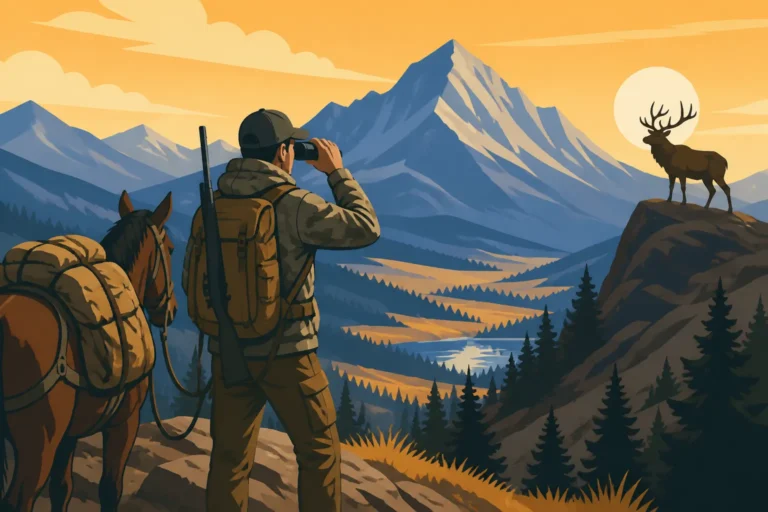
Depending on the type of hunt and the terrain, outfitters use different methods to transport the meat. For remote wilderness hunts, especially in areas like the Bob Marshall or other designated wilderness, horses and mules are often the backbone of the operation. These animals are incredibly efficient at carrying heavy loads over rugged terrain. Guides are expert packers, ensuring the meat is loaded securely and balanced on pack saddles to prevent shifting, bruising, or contamination. The quarters are typically placed in sturdy canvas panniers or strapped directly to the packs, often still in their breathable game bags. This is a crucial element of many Montana Backcountry Hunting Guide operations.
For hunts closer to roads or in areas where livestock isn't feasible, guides and hunters may "man-pack" the meat out using robust frame backpacks. This is a grueling task, often requiring multiple trips, but it's done systematically to preserve the meat. Guides will distribute the load strategically, often having hunters carry a portion to gain a deeper appreciation for the effort involved. In some cases, if access allows, ATVs or side-by-sides might be used on designated trails, or even small carts, but the primary concern remains minimizing jostling and heat exposure.
Let's look at a comparison of packing methods:
| Method | Pros | Cons | Best Suited For |
|---|---|---|---|
| Pack Animals | High carrying capacity, less physical strain for hunters, efficient over long distances. | Requires specific terrain, specialized skills, animal care. | Remote wilderness, multi-day pack-in hunts, heavy elk. |
| Backpacks | Access to any terrain, flexible, builds character. | Physically demanding, multiple trips, slower. | Shorter distances, areas inaccessible to animals, smaller elk. |
| ATVs/Side-by-Sides | Fast, high carrying capacity, reduces physical labor. | Restricted to specific trails/roads, can damage meat if not secured, noisy. | Road-accessible areas, quick extraction, private land. |
Regardless of the method, the outfitter's priority is to transport the meat quickly and carefully to the next stage of cooling and storage. They'll avoid direct sunlight, keep the loads stable, and ensure minimal contamination.
From Trailhead to Cooler: The Transport Phase
Once the meat reaches a trailhead or a base camp, the next critical step is getting it into a proper cold storage environment. This is often where outfitters have a refrigerated trailer, walk-in cooler, or a large array of heavy-duty coolers filled with ice waiting. The goal is to get the internal temperature of the meat down to a safe range (around 35-40°F) and hold it there consistently.
The meat, still in its game bags, will be transferred from the pack animals or backpacks directly into these cold storage units. Guides will strategically arrange the meat to allow for maximum air circulation around each piece, even within the coolers, to promote even cooling. For remote camps that don't have access to powered refrigeration, guides will meticulously layer ice between meat quarters, ensuring the coolers are properly drained and refreshed with new ice regularly. This meticulous attention to detail at every step is a hallmark of a reputable outfitter. It's not uncommon for outfitters to have dedicated cold storage facilities at their lodge or a pre-arranged partnership with a local meat processor.
Final Processing Options: What Happens Next?
You’ve gotten your elk out of the backcountry, and it's safely cooled. Now comes the decision of how to get it from whole quarters to freezer-ready cuts.
Local Processors: A Common Outfitter Connection
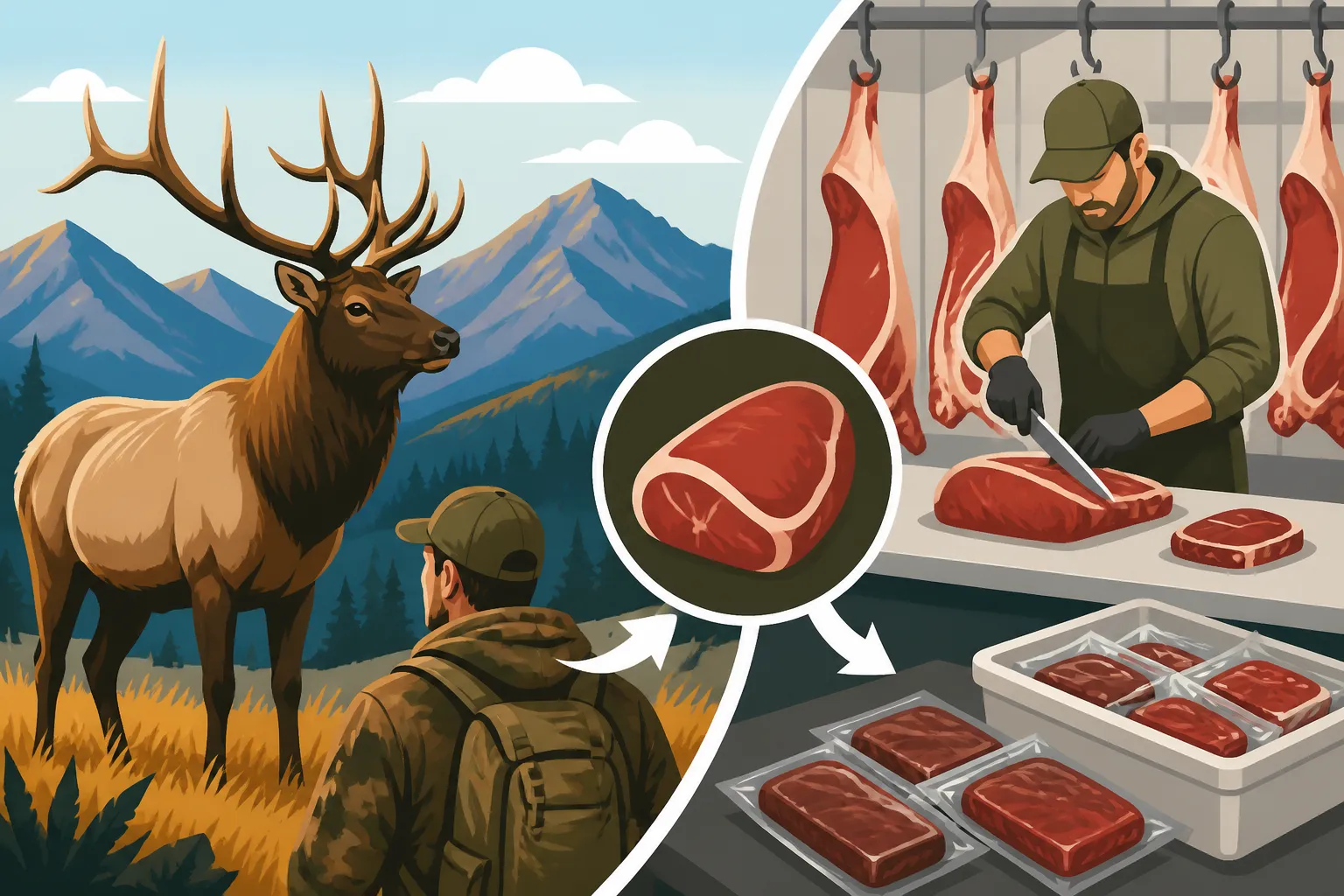
Most Montana outfitters have long-standing relationships with reputable local meat processors. These processors are accustomed to handling wild game, especially elk, and understand the nuances of cutting, wrapping, and sometimes even smoking or making sausage. After your hunt, the outfitter will typically transport your bagged elk quarters directly to one of these facilities. This is a huge convenience for hunters, especially non-residents who might not know the local area or have the time to research processors themselves.
The outfitter will provide you with information about the processor, including their services and current costs. You'll usually communicate directly with the processor to specify your cutting instructions – how thick you want your steaks, if you want specific roasts, how much ground meat, etc. The processor will then age, cut, vacuum seal (or butcher wrap), and freeze your meat according to your wishes. This ensures that when you pick it up, it's ready for its journey home and long-term storage. When you're researching outfits, perhaps on a platform like BookYourHunt, always ask about their meat handling and processing partnerships. It's a key part of the overall experience.
Preparing for Your Journey Home
Once your elk is processed, it's typically frozen solid and ready for transport. If you're driving, a good quality cooler or two, packed tightly with the frozen meat, will usually keep it solid for several days, especially if you add dry ice. Most processors will pack your meat into sturdy boxes, labeled with your name and cut details.
For hunters flying, the process is a bit different. Airlines have specific regulations for transporting meat, usually requiring it to be frozen solid and packed in leak-proof, hard-sided coolers that can withstand handling. The processor will often be able to package the meat specifically for air travel, sometimes offering insulated shipping boxes or advising on the best way to prepare your own coolers. Remember to check with your specific airline about their policies, baggage fees, and weight limits well in advance. Planning this logistical step is just as important as planning the hunt itself. A platform like GoHunt can help you research hunt units, but it's the outfitter who will guide you through the practicalities of meat transport.
The peace of mind that comes from knowing your outfitter has the expertise, equipment, and relationships to handle your elk meat with the utmost care is invaluable. It allows you to focus on the hunt itself, creating those unforgettable memories in the vast expanse of Montana, knowing your hard-earned harvest will be preserved and make it home to your dinner table.
Disclaimer
This article is for general informational purposes only and does not constitute professional advice. Laws, prices and regulations vary by location and change over time. Consult a qualified professional for guidance on your specific situation.