Montana Hunting District 510 Overview
Trying to figure out the specifics of a particular hunting district in Montana can feel like sifting through a stack of old maps with a magnifying glass – overwhelming, confusing, and sometimes, you just wish someone would lay it all out clearly. If you've been looking at Hunting District 510, wondering what it offers, what kind of game calls it home, and how on earth to approach hunting it, you're in the right place. This guide is dedicated to giving you a detailed overview of HD 510, breaking down its unique characteristics, hunting opportunities, and what you need to know to plan a successful adventure.
Unpacking Montana Hunting District 510: Geography and Access
Hunting District 510 is one of those spots that often piques curiosity, nestled within a diverse landscape that presents both beauty and challenge to hunters. Understanding its physical layout and how to get around is the first step in unlocking its potential.
Where Exactly Is HD 510 Located?
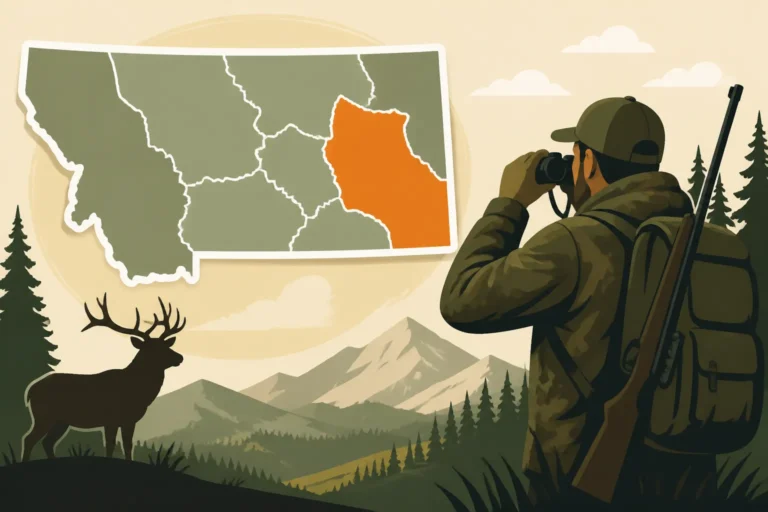
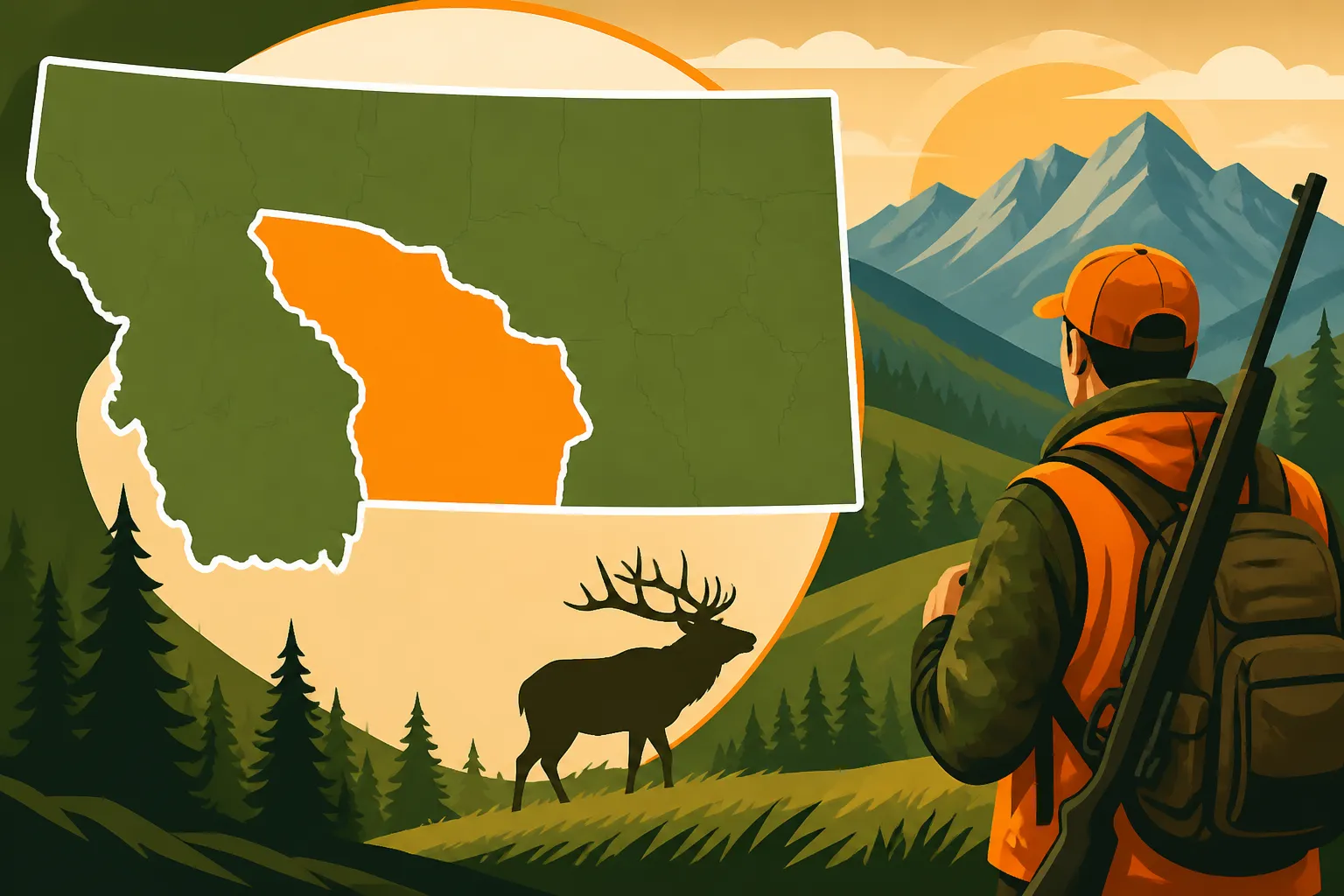
Hunting District 510 generally encompasses a significant chunk of central-western Montana, often falling within the Helena-Lewis and Clark National Forest boundaries, though its exact lines can stretch into private and state lands. It's typically part of FWP Region 4, known for its mix of mountainous terrain, timbered slopes, and the occasional open park or high meadow. Imagine rolling hills giving way to steeper, conifer-clad mountainsides, cut by numerous drainages and creeks. Nearby towns might include places like Lincoln, Augusta, or Ovando, depending on which part of the district you're looking at. This district is characterized by a landscape that transitions from the foothills of larger mountain ranges into a more rugged, broken country, making it a prime habitat for a variety of big game.
The elevations within HD 510 can vary significantly, from lower river valleys, if they happen to skirt the district's edges, up to several thousand feet in the higher peaks and ridges. This altitudinal variation creates different microclimates and vegetation zones, influencing where different species might reside throughout the year. The higher elevations are often characterized by dense evergreen forests—lodgepole pine, fir, and spruce— interspersed with rocky outcrops and alpine meadows. As you descend, you might encounter more open ponderosa pine stands, aspen groves, and eventually, grassy sagebrush slopes or riparian areas along water sources. Knowing these geographical nuances is crucial for understanding animal movement and patterns.
Public Land Access and Key Entry Points
One of the biggest draws for any hunter considering Montana is the vast amount of public land, and HD 510 does not disappoint in this regard. A substantial portion of the district consists of national forest land, which means it's accessible to the public. However, "accessible" doesn't always mean easy. Many areas require effort to reach, and that's often where the best hunting is found. Main entry points typically involve forest service roads that spiderweb through the district, some well-maintained, others requiring high-clearance vehicles, or even shutting down completely due to seasonal closures or snow.
Key access routes will often follow major drainages or ridge lines, leading into the heart of the national forest. Hunters frequently utilize mapping tools like onX Hunt to identify public/private land boundaries, forest service roads, and trails. This is absolutely indispensable for planning your approach, understanding ingress and egress points, and navigating the sometimes-complex patchwork of land ownership. Beyond the main forest service road system, you'll also find numerous hiking and pack-in trails that lead deeper into wilderness study areas or roadless country, offering excellent opportunities for those looking to get away from the crowds, as detailed in our comprehensive guide to Montana Backcountry Hunting Guide.
While national forest land makes up a significant portion, there can also be pockets of Bureau of Land Management (BLM) land and Montana State Trust Land, each with its own access rules. Additionally, hunters should always investigate the current year's Block Management Program (BMP) atlas. While HD 510 is predominantly mountainous and forested, some private landowners within or adjacent to the district might enroll their properties in the BMP, providing additional hunting opportunities that wouldn't otherwise exist. Always consult the Montana FWP Block Management website or atlas for the most up-to-date information on participating areas and their specific rules, as access can change annually.
Game Species and Hunting Opportunities in HD 510
Hunting District 510 is a vibrant ecosystem supporting a range of sought-after big game species, each presenting its own unique challenge and reward for the dedicated hunter.
Primary Big Game Species and Their Habitat
For many, HD 510 is synonymous with elk and mule deer hunting. The district's varied terrain, with its mix of dense timber, open slopes, and scattered meadows, provides ideal habitat for both species. Elk tend to favor the thicker timber for cover during the day, particularly on north-facing slopes, often moving into more open feed grounds at dawn and dusk. During the archery season, especially the rut, hunters might find success calling in bulls in these timbered basins. As the season progresses and pressure builds, elk often retreat to the deepest, darkest timber, or migrate to lower elevations when heavy snows push them out of the high country. Our guide on Montana Elk Hunting Methods Explained delves deeper into these tactics.
Mule deer, on the other hand, often prefer the more open, broken country—sagebrush draws, aspen pockets, and the fringes of timbered areas. You'll frequently find them on south-facing slopes, catching the sun, especially during the colder months. During the rut, typically in late November, mule deer bucks become much more active, ranging widely in search of does, which can significantly increase their visibility and vulnerability. Whitetail deer can also be found in HD 510, though generally in lesser numbers than elk or mule deer, and primarily concentrated in the riparian corridors along creeks and river bottoms, if the district encompasses such features. These areas provide dense cover and consistent water sources, making them prime whitetail habitat.
Beyond deer and elk, black bears are also present throughout the timbered areas of HD 510. Spring bear hunting offers a unique experience, often focusing on south-facing slopes where bears emerge to feed on fresh grasses. Fall bear hunting coincides with deer and elk seasons, and opportunistic hunters might encounter bears feeding on berries or seeking out gut piles left by other successful hunters. Mountain lions, while elusive, also roam the district, preying on deer and elk. Their tags are often over-the-counter or available via special draw, and their pursuit requires specialized knowledge, dogs, or an incredible amount of luck and tracking skill.
Season Dates and Tag Requirements
Navigating Montana's hunting regulations can be a bit of a labyrinth, especially for non-residents. For HD 510, the general season for elk and deer typically runs from late October through late November, preceded by an archery-only season starting in early September. However, it’s critical to remember that Montana's hunting districts can have specific regulations that diverge from the statewide general seasons. Some districts are "general" for elk, meaning a statewide general elk license (or nonresident combination license) is valid. Other districts, like 510 might have specific permit requirements for either-sex elk or antlered bull elk, making them limited-entry units.
For example, HD 510 is often a district where an antlered elk requires a special permit (permit 510-00), making it a challenging draw for both residents and non-residents, while antlerless elk may be available on a general B license or with the general tag in certain zones or during specific shoulder seasons. Mule deer often follow a similar pattern, with general season hunting for antlered bucks available, but sometimes antlerless tags or specific areas requiring permits. This is where resources like GoHunt become invaluable, as they consolidate draw odds, application strategies, and season date changes, helping you understand your chances of drawing a coveted permit in HD 510 or any other district.
Black bear seasons in HD 510 usually have both spring and fall periods, often requiring an over-the-counter license. Mountain lion tags are usually available through a quota system, and hunters must check with FWP regularly as quotas can be filled quickly, leading to season closures. Always, always, always consult the current year's Montana FWP hunting regulations for precise season dates, weapon restrictions, legal animals, and specific permit requirements for HD 510. Regulations can change annually based on herd management objectives, so relying on outdated information is a recipe for disappointment, or worse, a citation. Our Montana Hunting Seasons Explained guide offers a broader look at the state's hunting calendar.
Terrain, Elevations, and Navigating HD 510
Understanding the land itself – its contours, vegetation, and how it all changes with the seasons – is key to developing successful hunting strategies in a district like HD 510. It’s not just about what animals are there, but how the environment dictates their movements and your ability to pursue them.
Understanding the Diverse Landscape
HD 510's landscape is a masterclass in Montana's geological diversity. You're not typically dealing with vast, flat plains here; instead, expect a dynamic blend of high, timbered ridges giving way to deep, sometimes canyon-like drainages. The upper reaches often consist of mature conifer forests – think dense stands of Douglas fir, lodgepole pine, and spruce – providing excellent thermal and security cover for elk. These dark timber patches can be incredibly challenging to hunt, often requiring stealthy still-hunting tactics or patient ambush strategies near bedding areas.
As you move down in elevation or across certain aspects, the timber might open up into mixed stands of aspen and cottonwood, particularly along riparian zones, or transition to more sparse ponderosa pine forests on drier, south-facing slopes. These transitional zones, where different vegetation types meet, are often hotspots for game activity, as they provide a blend of cover and forage. Clear-cuts or areas impacted by wildfire (often referred to as "burns") can also create exceptional habitat, offering new growth for forage and dense pockets of regenerating timber for bedding. Navigating these varied terrains means being prepared for everything from steep, loose scree slopes to thick, tangled undergrowth. Good boots are non-negotiable, as discussed in our guide to Best Boots for Montana Elk Hunting.
Seasonal Considerations and Weather Patterns
Montana weather is famously unpredictable, and HD 510 is no exception. Hunters must be prepared for a full spectrum of conditions, often within the span of a single day or week.
- Early Archery Season (September): This can be a beautiful but challenging time. Temperatures can still be quite warm, especially at lower elevations, making meat care a critical concern. Elk are often in their rut, making calling tactics highly effective. However, finding water sources can be key, especially if it's been a dry summer. Backpacking into higher elevations during this time can be rewarding, as pressure is generally lower than in rifle season.
- General Rifle Season (October-November): As October turns to November, the weather shifts dramatically. Expect cold temperatures, potential rain turning to snow, and often, significant snowfall in the higher country. These weather events are often what push elk and mule deer to lower elevations, out of their summer range. Cold fronts can trigger increased animal movement. Understanding how to use thermals and wind in these mountain environments is absolutely crucial, which we cover in detail in our guide on How to Use the Wind Hunting Montana Elk.
- Late Season Hunts (December, if available): If HD 510 offers late-season opportunities, these are often characterized by deep snow and bitterly cold temperatures. Animals are typically concentrated in winter range, often at lower elevations, making them easier to locate but also more vulnerable. Access can be extremely challenging due to snow-covered roads, and survival gear becomes paramount.
Hunters should pay close attention to long-range weather forecasts but always be ready for sudden changes. Packing layers, having emergency shelters, and knowing how to stay warm and dry are not optional in HD 510, particularly later in the season.
Strategies for Success in Hunting District 510
Success in HD 510 isn't just about drawing the right tag; it's about meticulous preparation and employing smart, adaptive hunting tactics. The district demands respect for its rugged nature and rewards those who put in the effort.
Effective Scouting and Preparation
Before you even step foot in the district, the most successful hunters are already putting in the work. E-scouting is your best friend for a district like HD 510. Utilize tools like onX Hunt to pour over topographical maps, identify public and private land boundaries, pinpoint potential bedding areas (often north-facing timber), feeding areas (south-facing slopes, open parks, recent burns), and water sources. Look for pinch points, saddles, and ridge lines that animals might use for travel. Study historical fire data to find regenerating areas that could be magnets for elk and deer. Our guide on How to E-Scout Montana Hunting Units provides a deep dive into these digital scouting techniques.
Beyond digital preparation, physical fitness is not a suggestion—it's a requirement for effective hunting in this mountainous terrain. Even if you plan to hunt closer to roads, getting a big game animal out of a steep drainage can be a monumental task. If you're planning a backcountry hunt, your fitness level will directly impact your ability to cover ground, climb elevations, and endure the elements. Start a rigorous fitness regimen well in advance. Practice hiking with your loaded pack, mimicking the weight and movements you’d experience packing out an elk.
Your gear needs to be dialed in for Montana's rugged and unpredictable conditions. A reliable backpack, capable optics (binoculars, spotting scope, rangefinder), appropriate clothing layers for temperature fluctuations, and navigation tools are essential. Don't forget an adequate first-aid kit and emergency communication device, especially if you plan to venture into remote areas. For detailed insights on what to bring, consider checking out our Montana Backcountry Hunting Gear List.
Hunting Tactics Tailored to HD 510
Given the diverse landscape and the primary species, a combination of tactics often yields the best results in HD 510.
- Spot-and-Stalk: This is a highly effective method, particularly for mule deer on more open slopes or for elk feeding in meadows during low-light conditions. Utilizing good optics to glass large areas from a high vantage point is crucial. Once an animal is spotted, a careful, calculated stalk, often involving circling to get the wind right and using terrain features for cover, can bring you within shooting range. This tactic requires patience, keen observation, and the ability to move silently through varied terrain. For antelope, which may inhabit the fringes if HD 510 touches more open country, How to Spot-and-Stalk Montana Antelope offers specific advice.
- Calling: During the early archery season, especially when elk are vocal, calling can be an incredibly exciting and effective strategy. Using cow calls, bugles, and even calf calls can locate bulls, provoke a response, and draw them into close range. Understanding the nuances of elk vocalizations and when to be aggressive or subtle with your calls is key. However, remember that calling often works best when you are trying to pull elk to you, often necessitating good setup and concealment. Our How to Call Elk in Montana guide covers this extensively.
- Still-Hunting and Ambush: In the dense timbered areas, still-hunting (moving very slowly and deliberately, stopping frequently to observe and listen) can be productive, especially during general rifle season when elk are seeking refuge. This tactic is about stealth and patience, slowly covering ground where animals are likely to be bedded. Ambush tactics involve identifying game trails, saddles, or water sources that animals frequently use, and then positioning yourself in a concealed spot to intercept them. This is particularly effective during the late season when animals are moving between specific feeding and bedding areas. Knowing How to Ambush Elk on Montana Public Land can be a game-changer.
- Understanding Pressure: HD 510, like most accessible districts, will see hunter pressure, especially during the general rifle season. This pressure will often push animals into thicker, nastier country. Don't be afraid to put in the miles and hunt the areas that other hunters avoid. Often, the biggest bulls and bucks are found where the effort to reach them is highest. Consider focusing on hunting the fringes of wilderness areas or parts of the national forest that require a significant hike or pack-in, as discussed in How to Hunt Elk in Montana's Wilderness.
Montana Hunting District 510 At-a-Glance
To help you quickly grasp the key attributes of Hunting District 510, here’s a summary of what you can expect.
| Feature | Description |
|---|---|
| Location | Central-Western Montana, often within Helena-Lewis and Clark National Forest, FWP Region 4. |
| Primary Terrain | Mountainous, timbered ridges (conifer, aspen), deep drainages, some open parks, potential riparian zones. Elevations vary significantly. |
| Public Land | High percentage of National Forest land, potentially some BLM/State Trust Land. Access mostly via forest service roads (some rough), hiking/pack trails. |
| Primary Species | Elk (bulls often permit-only), Mule Deer (general buck tags common), Black Bear (over-the-counter). Whitetail deer present in riparian areas. Mountain Lion. |
| Elk Tag Status | Often a limited-entry permit unit for antlered elk (e.g., 510-00 permit), requiring application and drawing. General B licenses for antlerless elk may be available. |
| Mule Deer Tag | Generally offers over-the-counter opportunities for antlered bucks (via general statewide deer license or nonresident combination license). |
| Key Challenges | Rugged, steep terrain; dense timber; unpredictable mountain weather; high hunter pressure in easily accessible areas; complex land ownership in some fringes. |
| Best Tactics | Spot-and-stalk (open country, glassing), calling (archery elk rut), still-hunting (dense timber), ambush (travel corridors), backcountry hunting to avoid pressure. |
| Scouting Tools | onX Hunt, FWP Hunt Planner, topo maps, Google Earth for e-scouting; GoHunt for draw odds and regulations. |
Remember, successful hunting in HD 510, or any Montana district, comes down to preparation, persistence, and a deep respect for the land and its wildlife. Take the time to understand the regulations, scout effectively, hone your skills, and most importantly, enjoy the incredible experience of hunting in Big Sky Country.
Disclaimer
The information provided in this guide is for general informational purposes only and is not intended as legal advice or a substitute for official hunting regulations. Hunting regulations, season dates, and land access rules in Montana are subject to change annually and can vary significantly by hunting district. Always consult the most current Montana Fish, Wildlife & Parks (FWP) regulations, official maps, and landowner permissions before planning or undertaking any hunting activity. Failure to do so could result in fines or other legal consequences. The author and publisher are not responsible for any actions taken based on the information presented herein.