Montana Hunting District 270 Overview
Trying to make sense of Montana's vast hunting landscape can feel like deciphering a secret code, especially when you're looking at a specific hunting district and all the numbers and regulations start to blur. It’s tough to know where to even begin, what to expect, or how to plan a hunt without a clear picture of the area. This guide is designed to cut through that confusion, offering a detailed, realistic overview of Montana Hunting District 270 so you can approach your hunt with confidence and a solid understanding of its unique challenges and opportunities.
Understanding Montana Hunting District 270's Unique Landscape
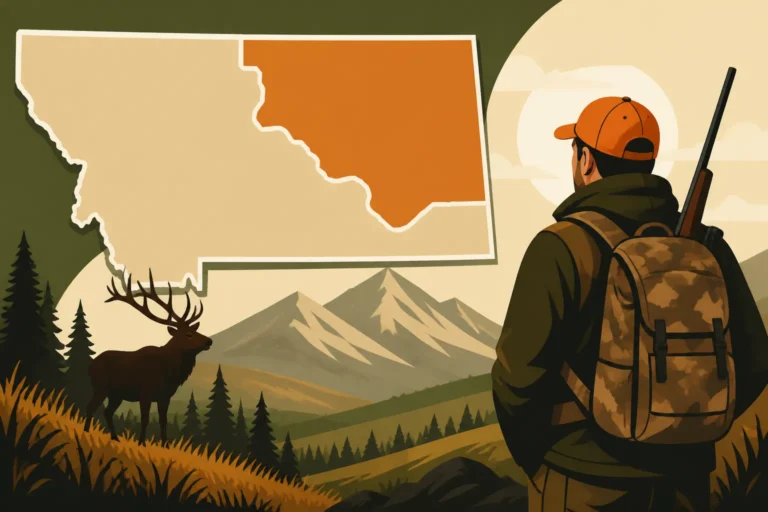
Hunting District 270, nestled in the southwestern corner of Montana, isn't just a number on a map; it's a diverse and often rugged piece of elk and deer country. It's an area that calls to hunters looking for a genuine backcountry experience, but one that also demands respect for its unforgiving terrain and weather. If you're planning a trip here, knowing the lay of the land is your first, most crucial step.
Geographical Features and Topography
HD 270 largely encompasses parts of the Beaverhead-Deerlodge National Forest, including significant portions of the Gravelly Range and some adjacent foothills. This means you're primarily looking at mountainous terrain, characterized by high elevations, steep slopes, and vast expanses of timbered ridges interspersed with open parks and drainages. Elevations can range dramatically, from valley bottoms around 6,000 feet to peaks soaring well over 10,000 feet. The sheer verticality of the landscape is often underestimated by those who haven't experienced it firsthand.
Imagine yourself glassing across a basin: you might see dark timber clinging to north-facing slopes, offering thermal cover for elk, while the south-facing aspects might be more open, sun-drenched, and dotted with sagebrush and grasses. This varied topography creates microclimates and distinct areas where game will concentrate depending on the season, weather, and hunting pressure. Water sources, often snowmelt-fed creeks and small springs, are crucial features, especially in the early archery season. Understanding these elevation changes and the natural contours of the land is paramount, as it dictates how animals move, feed, and bed, and thus, how you'll need to hunt.
Habitat and Vegetation Overview
The vegetation in HD 270 is typical of high-elevation Rocky Mountain environments. You'll find dense conifer forests—lodgepole pine, Douglas fir, and subalpine fir—especially in the higher, cooler reaches and on north-facing slopes. These dark timber stands provide critical security cover for elk and mule deer, particularly when hunter pressure increases. As you descend in elevation or move to more exposed slopes, the timber transitions to aspen groves, which can be brilliant in the fall and often indicate good browse, and then to more open sagebrush-steppe environments in the valley bottoms and lower foothills.
Interspersed throughout are high-elevation meadows and "parks" – open grassy areas that are prime feeding grounds for elk and deer, especially during dawn and dusk. These areas, particularly those with good forage like mountain brome, fescues, and various forbs, are often where you'll catch animals transitioning between feeding and bedding areas. Knowing how to identify these different vegetation types and what they offer to the animals is a critical skill for any hunter in HD 270. It's not just about looking for game; it's about looking for habitat that holds game. The health of these habitats can also be affected by past wildfires or timber management, which can create new growth and attract animals, or conversely, make an area less appealing for a time.
Big Game Species and Hunting Opportunities in HD 270
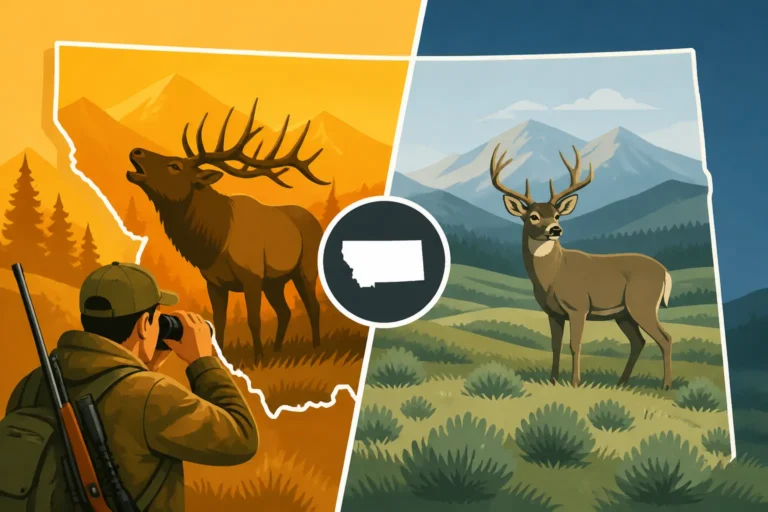
Hunting District 270 is primarily renowned for its elk and mule deer hunting. While other species exist, these two are the main draw, challenging hunters with their elusive nature and the district's demanding environment. Understanding the specific opportunities and behaviors of these animals here is key to a successful outing.
Elk Hunting Prospects and Behavior
Elk are the crown jewel for many hunters venturing into HD 270. The district is known for having a healthy population, offering both general season opportunities and specific permit hunts in certain areas or for antlerless animals. Generally, HD 270 is considered a "general elk" district for bulls with an "either-sex" tag, though specific hunt codes and regulations apply depending on the weapon type and season segment. The general elk season typically runs from late October through November, with archery season preceding it from early September. For a deeper dive into archery tactics, check out our Montana Archery Elk Hunting Guide.
During the early archery season, especially during the rut, you'll find bulls vocalizing in the timbered basins and open parks, responding to calls. This is a thrilling time, but it demands stealth and patience. As rifle season approaches and hunter pressure builds, elk often move into the thickest, nastiest timber and higher elevations, becoming incredibly wary. They'll utilize north-facing slopes for cover and thermals, often bedding just below ridge lines where they can observe below and smell above. Successfully hunting these pressured elk requires a methodical approach, often involving still-hunting through dense timber or carefully glassing distant slopes for movement. Understanding Montana Elk Behavior During the Rut and how they react to pressure is essential here.
Mule Deer Management and Tactics
Mule deer are also prevalent in HD 270, often found in similar habitats to elk but tending to prefer more open, broken country, especially the sagebrush-dotted hillsides and timber fringes. The mule deer population in this area can fluctuate, but good bucks are certainly present for those willing to put in the effort. Most of HD 270 falls under general mule deer regulations, meaning hunters with a valid general deer tag can pursue mule deer bucks, often with antler point restrictions (e.g., "brow tined bull" or "forked antler or better" for deer, check current regs for specifics). For strategies on finding these magnificent animals, refer to our Montana Mule Deer Hunting Guide.
Hunting mule deer in HD 270 often involves extensive glassing from high vantage points, picking apart distant hillsides and timber edges. Patience is a virtue when you're trying to locate a grey ghost against a background of sage and rock. Once spotted, a spot-and-stalk approach is common, using the terrain to close the distance undetected. During the late season, especially with snow, deer will often concentrate on south-facing slopes, seeking warmth and remaining forage, making them a bit more predictable. It’s a completely different game than elk hunting, demanding a different set of skills and an eye for detail.
Other Game Species
While elk and mule deer dominate, HD 270 can also offer opportunities for other species. Black bears are present, typically found in the timbered drainages and feeding on berries or early season greens. They are often hunted in spring or concurrently with deer and elk in the fall. Moose, bighorn sheep, and mountain goats are also found in the broader region, but these are typically limited-entry draw tags with extremely low odds, requiring years of bonus points to even have a chance. Don't plan a trip specifically for these unless you've drawn one of these coveted permits. Whitetail deer can be found in the lower river bottoms and agricultural interfaces, but they are not the primary target in the mountainous core of HD 270.
Navigating Access and Regulations in HD 270
One of the biggest hurdles for any hunter, especially non-residents, is understanding access and the complex web of regulations that govern hunting in Montana. HD 270 is no exception, but with some solid groundwork, you can navigate it effectively.
Public Land Access and Private Land Considerations
A significant portion of HD 270 is public land, primarily managed by the U.S. Forest Service as part of the Beaverhead-Deerlodge National Forest. This is fantastic news for public land hunters, as it means vast tracts are open for exploration. However, "public land" doesn't always mean "easy access." Many areas require considerable hiking, horseback riding, or even backpacking into roadless areas to truly get away from pressure. For those planning extended trips into these remote sections, our Montana Backcountry Hunting Guide is an invaluable resource.
Mapping tools like onX Hunt are indispensable for navigating HD 270. They clearly delineate public and private land boundaries, helping you avoid accidental trespass and locate legal access points. You'll find a mix of designated roads, two-track trails, and pure wilderness. Some private lands within the district might participate in Montana's Block Management Program, which provides public access to private lands for hunting. Always check the current Block Management rosters for HD 270, as these change annually. Gaining permission on private land outside of Block Management requires contacting landowners directly, which can be challenging but rewarding. Remember, even if you’re on public land, respect private property boundaries and always close gates behind you.
Key Regulations and Drawing Success
Montana's hunting regulations are thorough and change annually, so always consult the latest FWP regulations specific to the current year. For HD 270, key regulations to note typically include specific season dates for archery and general rifle seasons, antler point restrictions for deer and sometimes elk, and any specific unit-wide permit requirements. While general elk tags are typically valid, there might be specific B-licenses or permit applications required for certain types of elk (e.g., antlerless elk in certain areas) or for specific late-season opportunities. Understanding the Montana Elk Season Dates Guide is a must.
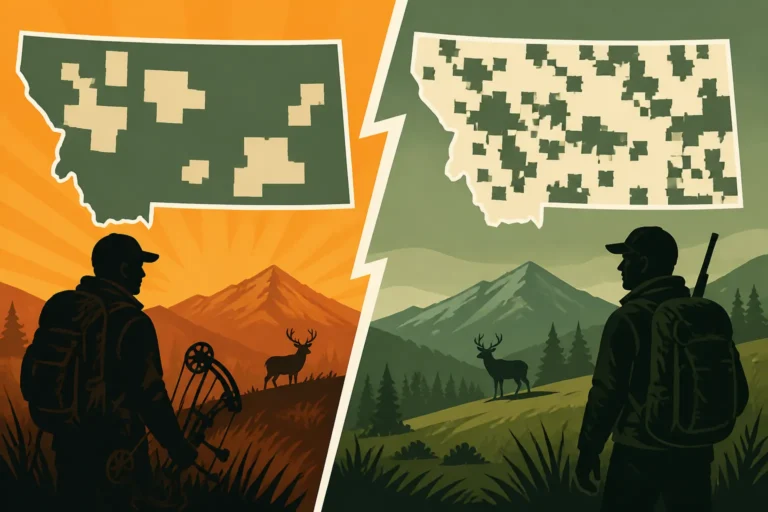
For non-residents, drawing a general deer/elk combo license is the primary way to hunt HD 270. This involves navigating Montana's preference point system. Websites like GoHunt provide excellent data on draw odds and harvest statistics, which can help you gauge your chances and plan your strategy over multiple years if needed. Generally, HD 270 is a relatively accessible district for general tags compared to some of the highly sought-after permit-only units, but success rates will still vary based on hunter effort and conditions. Always double-check regulations for any "shoulder seasons" or specific youth opportunities that might apply to HD 270.
| Species | Primary Season Type | Typical Regulations (Consult FWP Annually) | Draw Status (Non-Resident) | Notes |
|---|---|---|---|---|
| Elk | General Archery | Bull (either-sex) | Combo License Draw | High-elevation, timbered areas, calling during rut |
| General Rifle | Bull (either-sex) | Combo License Draw | Pressured animals, often in dark timber. | |
| Mule Deer | General Archery | Buck (forked antler or better often) | Combo License Draw | Open hillsides, timber fringes, spot-and-stalk. |
| General Rifle | Buck (forked antler or better often) | Combo License Draw | Glassing is key. | |
| Black Bear | General Archery/Rifle | Concurrent with deer/elk or specific spring seasons | Base License + Tag | Found in timber, berry patches. |
Strategic Hunting Approaches for Success in District 270
Hunting HD 270 isn't just about showing up; it's about intelligent planning, effective scouting, and adapting to the challenges this rugged landscape presents. The methods you employ and your physical preparation will largely dictate your success.
Effective Hunting Methods and Scouting
The most effective hunting methods in HD 270 largely depend on the season and the pressure. For archery elk during the rut, calling tactics can be incredibly effective. Learning How to Call Elk in Montana can draw curious bulls right into your lap. However, once the general rifle season opens and pressure mounts, elk become notoriously quiet and move into dense security cover. At this point, still-hunting through the timber, slowly and quietly, becomes a productive strategy. This is where moving through the timber silently is crucial, learning How to Still-Hunt Montana Timber.
For both elk and mule deer, glassing is an absolute must. Finding a high vantage point and patiently dissecting distant hillsides and timber edges with quality optics (binoculars and a spotting scope) is how many animals are located. This is especially true for mule deer in more open country. Our guide on How to Glass Montana's Big Country offers excellent tips. E-scouting plays a massive role in pre-season preparation. Using tools like onX Hunt allows you to analyze terrain, locate potential bedding and feeding areas, identify water sources, and pinpoint public access points from the comfort of your home. Combining this with data from GoHunt regarding past harvest statistics or draw odds for specific permits within HD 270 can give you a significant advantage. Remember, successful hunting starts long before you ever set foot in the field.
Preparing for the Rigors of the Terrain
Hunting in HD 270 is physically demanding. The high elevations, steep inclines, and often unpredictable weather demand a high level of physical fitness and appropriate gear. You'll be gaining and losing thousands of feet of elevation daily, often carrying heavy packs. A dedicated fitness plan, like the one outlined in Montana Elk Hunt Fitness Plan, will make a huge difference in your endurance and enjoyment. Don't underestimate the impact of elevation on your body if you're coming from sea level; hydrate well and give yourself time to acclimate if possible.
Beyond physical fitness, your gear needs to be up to the task. Layered clothing is essential to adapt to Montana's rapidly changing mountain weather, which can range from warm sunshine to snow and freezing temperatures within hours. Quality waterproof boots are a non-negotiable item, as you'll be traversing wet meadows, stream crossings, and potentially snowy slopes. Our Best Boots for Montana Elk Hunting guide can help you choose wisely. Backpacks need to be comfortable and capable of carrying not only your day gear but also potentially an initial load of meat when you're successful. And, of course, the mental toughness to push through fatigue and stay persistent in challenging conditions is as important as any physical preparation.
Disclaimer
Hunting in Montana involves inherent risks. This guide provides general information and recommendations but cannot substitute for official regulations or personal judgment. Always consult the current Montana Fish, Wildlife & Parks (FWP) regulations for precise, up-to-date information regarding hunting seasons, licenses, and specific district rules. Stay safe, be prepared, and hunt ethically.