Best Montana Districts for Bull Elk
Montana bull elk districts require balancing habitat diversity, public land access, hunter pressure dynamics, and regional trophy potential.
Know what you’re after.
Big game, small game, upland birds, and waterfowl — identification, behavior, rut and migration timing, and how each species moves through the season.
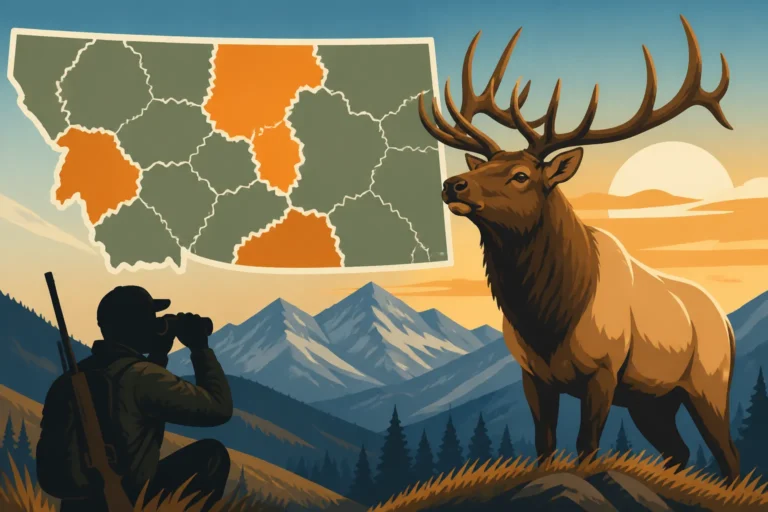
Montana bull elk districts require balancing habitat diversity, public land access, hunter pressure dynamics, and regional trophy potential.
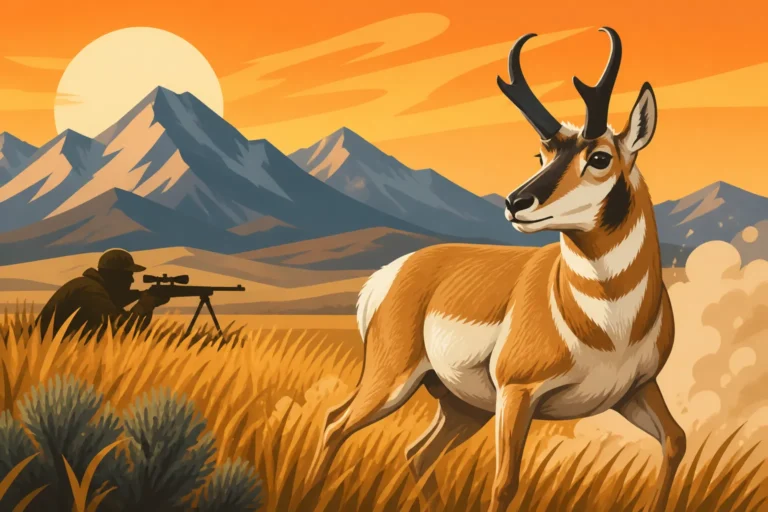
Montana antelope breeding behavior during late August through September alters hunting strategies, creating opportunities to capitalize on active herds.
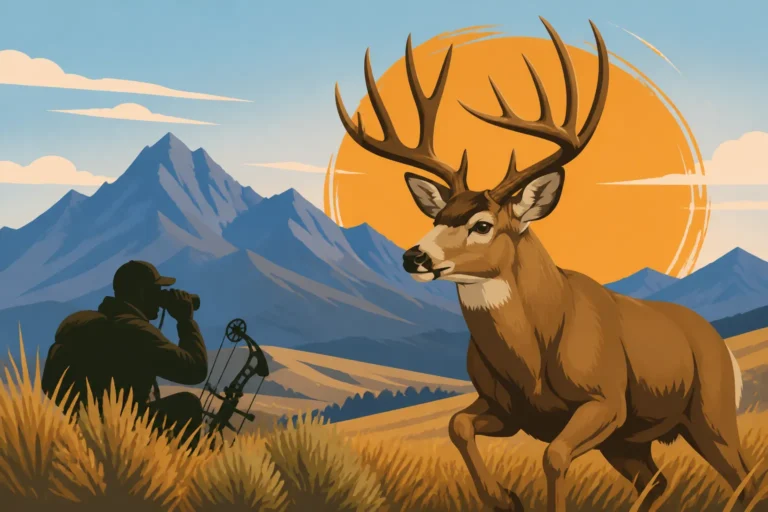
Montana mule deer behavior during the rut explains seasonal shifts, pre-rut aggression, and peak breeding phases to help hunters locate bucks.
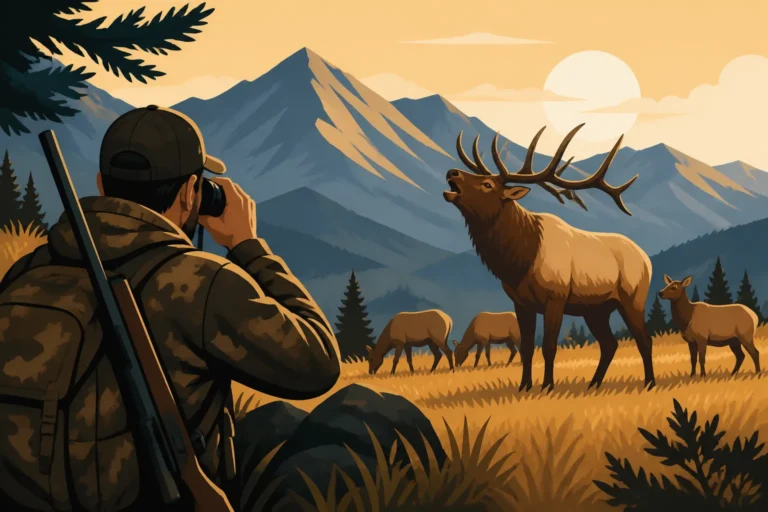
Montana elk behavior during the breeding season involves distinct phases, vocalizations, movement patterns, and responses to weather and terrain.

Montana weather patterns dictate elk movement, behavior, and seasonal migration routes, helping hunters adapt strategies for successful game harvests.

Montana mule deer migration patterns dictate seasonal movements driven by weather, forage availability, and hunting pressure across various landscapes.
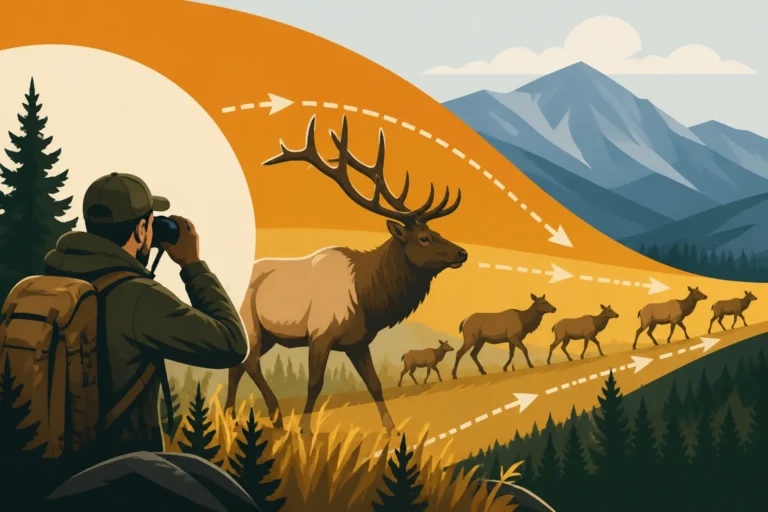
Montana elk migration patterns explain seasonal movements driven by weather, food availability, and human pressure to help hunters locate animals.
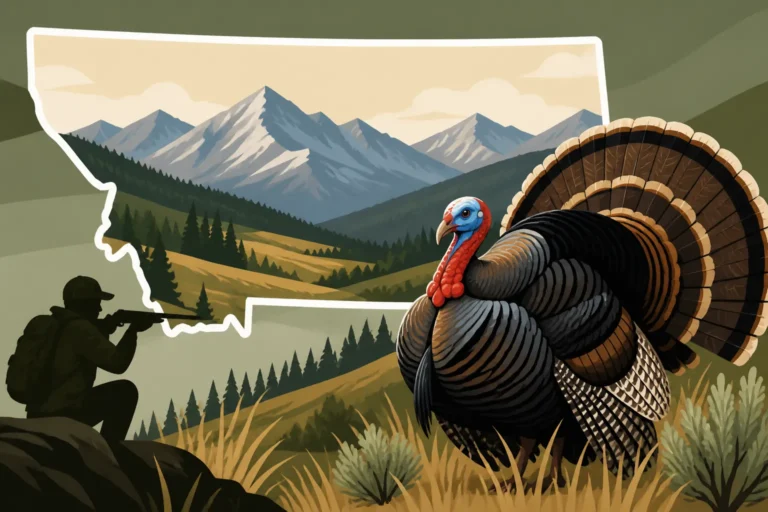
Montana wild turkey subspecies, including Merriam’s, Eastern, and Rio Grande, depend on specific ranges, mature trees, and reliable water sources.
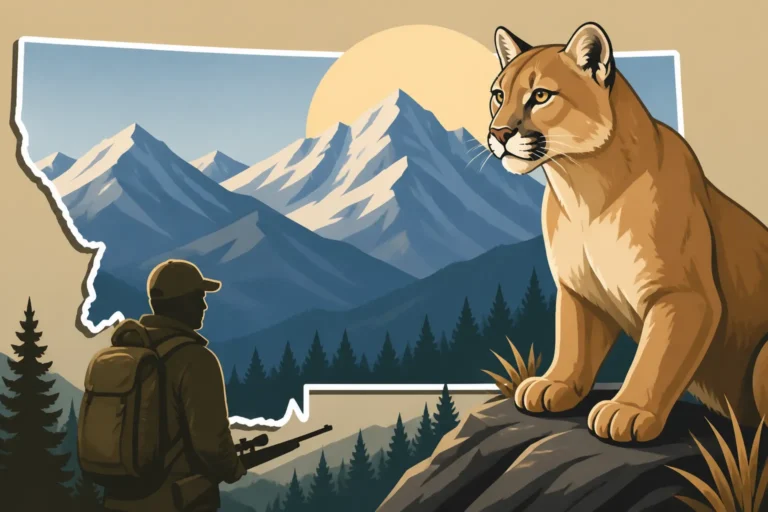
Mountain lion range across Montana relies on rugged terrain, dense cover, river bottoms, and abundant deer and elk prey.
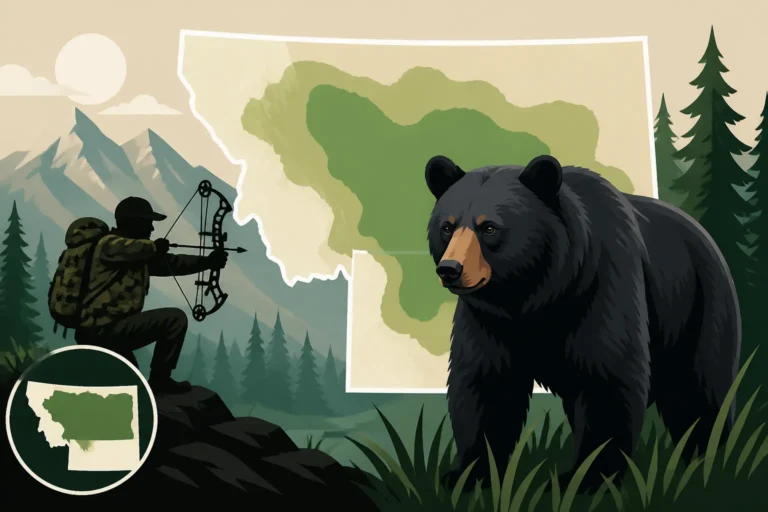
Montana black bear populations, current geographical ranges, and seasonal habitat preferences across western and central forests appear in this overview.