Montana Antelope Hunting for Beginners
Heading out to hunt antelope in Montana for the first time can feel incredibly overwhelming. You’ve probably heard stories of their legendary speed and eyesight, combined with the vast, open landscapes of Montana, and wondered how a beginner could possibly succeed. This comprehensive guide is designed to demystify antelope hunting, providing you with the foundational knowledge, practical tactics, and essential tips to confidently plan and execute your first successful pronghorn hunt in Big Sky Country.
Understanding Montana Antelope Basics
Before you even think about packing your bags, it's crucial to understand what you're up against and the regulatory landscape. Antelope, often mistakenly called pronghorn antelope (they're not true antelope, but North America's fastest land mammal!), are a unique and thrilling game species. Montana offers some incredible opportunities for these prairie speedsters, but success hinges on appreciating their distinct characteristics and navigating the state's specific hunting rules.
What Makes Antelope Unique for Hunters
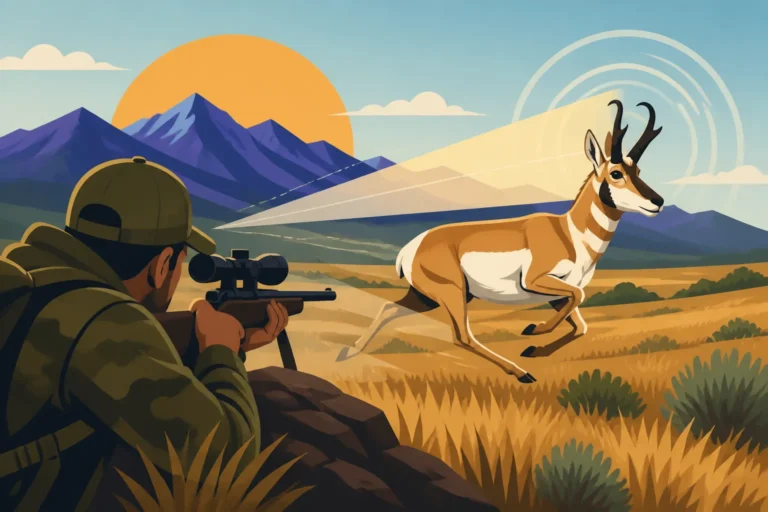
Imagine an animal that can run 60 miles per hour, boasts vision comparable to an 8x binocular, and spends its entire life in wide-open country with little cover. That, my friend, is the Montana antelope. They are incredible creatures, perfectly adapted to their prairie environment. Their exceptional eyesight means they will often spot you long before you ever see them, especially if you’re silhouetted on a ridge. Their speed allows them to cover miles in minutes, making a quick escape from danger seem effortless. These traits demand a different kind of hunting strategy than, say, chasing elk in timber or still-hunting whitetails in river bottoms.
For a beginner, these characteristics present both a challenge and a tremendous reward. The satisfaction of outsmarting an animal with such keen senses in its own domain is immense. It forces you to hone skills like glassing, stalking, and reading the terrain in ways you might not otherwise. Don't be discouraged by their reputation; with the right approach, even a first-timer can tag a Montana antelope. It's a true game of chess on the prairie.
Key Antelope Hunting Seasons and Regulations
Montana's antelope seasons typically kick off in early fall, usually around September for archery hunters and stretching into October and sometimes November for the general rifle season. These dates can shift slightly each year, so it's absolutely vital to consult the current Montana Fish, Wildlife & Parks (FWP) regulations for precise dates. You'll find specific details in guides like Montana Antelope Season Dates and Tags. The state generally offers both archery-only and general rifle seasons, each with its own nuances and tag requirements.
The tag acquisition process for antelope in Montana is primarily done through a lottery draw system, especially for non-residents. Montana uses a preference point system for many of its big game species, including antelope, which can influence your draw odds over time. Beginners should familiarize themselves with how these points work and the specific application deadlines. Most antelope tags are for specific hunting districts (HDs), meaning you'll need to choose where you want to hunt before you apply. Understanding the draw and point system is paramount, and we'll dive deeper into that process later in this guide to make sure you're well-prepared.
Locating Antelope in Montana's Vast Landscape
One of the biggest hurdles for new antelope hunters is simply finding the animals in Montana's expansive landscapes. Unlike deer or elk that might hang out in denser cover, antelope are creatures of the wide-open. This requires a different approach to scouting and searching. You can't just wander into the woods hoping to stumble upon them; you need a methodical plan.
Identifying Prime Antelope Habitat
Antelope thrive in wide-open, arid to semi-arid grasslands, sagebrush country, and agricultural fields. Think rolling hills, short-grass prairie, and areas with scattered sagebrush. They gravitate towards areas where they have excellent visibility, allowing them to spot predators (including you!) from a great distance. This is why you rarely find them in thick timber or rugged mountain ranges. They need space to run, and they need to see what's coming.
Water sources are absolutely critical, especially during the warmer early seasons. Stock ponds, natural springs, agricultural irrigation ditches, and even temporary puddles after rain can be hot spots. Identifying these water features on maps or during scouting can be a game-changer. Antelope often follow predictable patterns of movement between feeding areas, bedding grounds, and water, making these areas key points to watch. Understanding these habitat preferences is the first step in successful antelope hunting, as covered in detail in our How to Hunt Antelope on Montana's Plains guide.
E-Scouting and On-the-Ground Reconnaissance
E-scouting is your best friend when hunting Montana antelope, especially if you're coming from out of state or don't have a lot of time for physical scouting. Tools like onX Hunt maps are invaluable, allowing you to identify public land (BLM, State Trust Lands, National Grasslands), Block Management Areas (BMAs), and potential water sources, all from the comfort of your home. You can mark waypoints for potential glassing knobs, likely antelope crossings, and areas with good cover for a stalk. GoHunt's Insider platform also offers incredible unit-specific data, draw odds, and filtering tools that can really narrow down your choices and show you where the antelope herds are concentrated.
Once you've done your digital homework, if at all possible, try to get boots on the ground before the season. Even a day or two of pre-season scouting can provide crucial insights that maps alone can't convey. Drive the accessible roads, identify public access points, and spend time behind your binoculars glassing potential areas. Look for actual antelope sign – tracks, droppings, and feeding areas. If you can't make a dedicated scouting trip, plan to arrive a few days early before your hunt starts to get a feel for the landscape. You can learn more about this process in How to E-Scout Montana Hunting Units and Montana Hunt Planner Maps Explained.
Essential Tactics for Beginner Antelope Hunters
Hunting antelope requires patience, strategy, and an understanding of how to use the terrain to your advantage. For beginners, it might seem daunting, but by focusing on a few core tactics, you can significantly increase your chances of success. It’s all about minimizing their advantage and maximizing yours.
Spot-and-Stalk Strategies
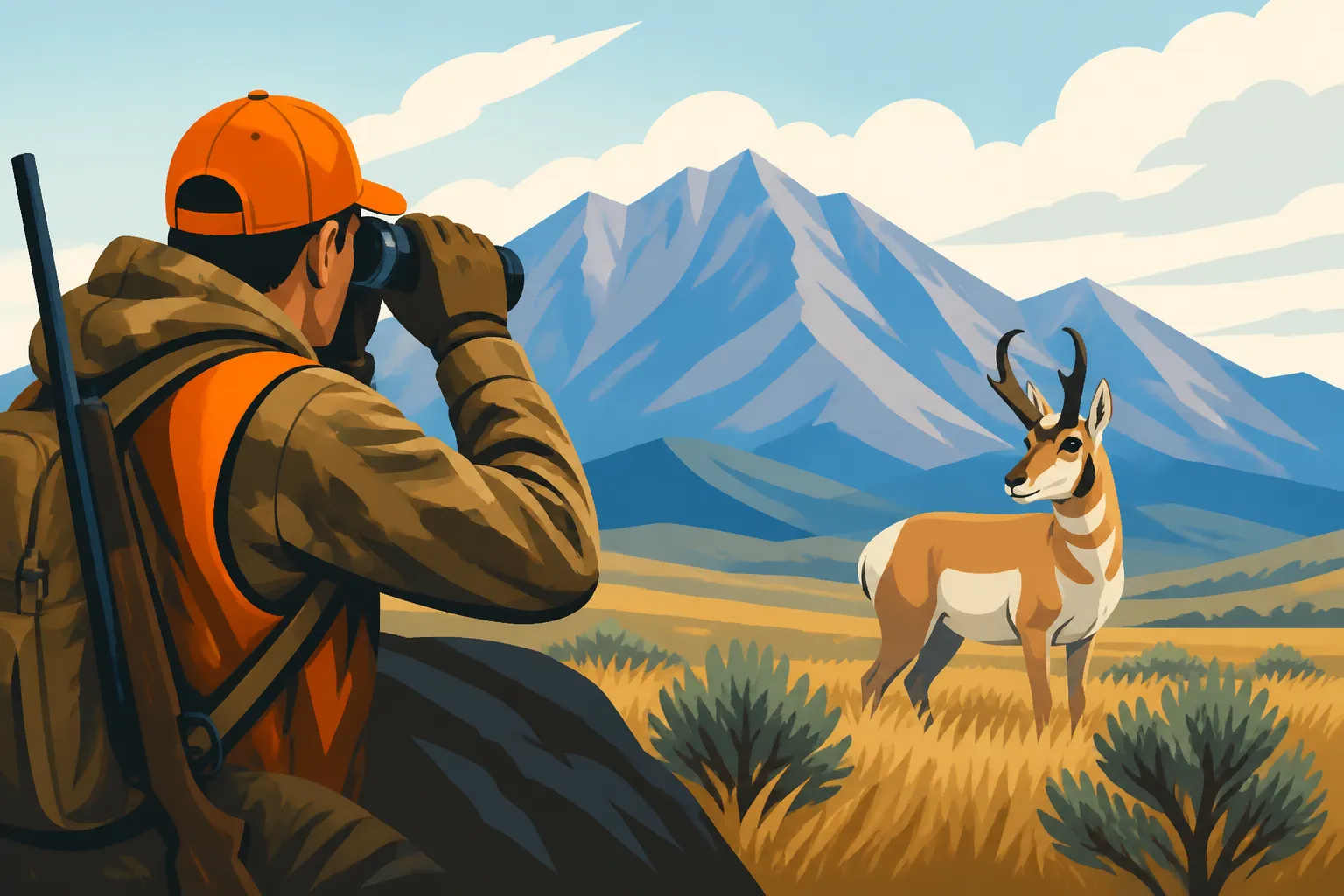
The spot-and-stalk is arguably the most classic and effective method for hunting antelope in Montana's wide-open country. This tactic involves finding antelope from a distance, then carefully planning and executing an approach to get within shooting range without being detected. It sounds simple, but it's a true art form. You'll spend a lot of time behind your glass. Good optics are non-negotiable; a quality pair of 10x binoculars, a spotting scope (15-60x), and a tripod are essential to effectively scan vast areas for antelope.
Once you spot a group of antelope, the real work begins. You need to observe their behavior: are they feeding, bedding, moving? Next, you'll analyze the terrain between you and them, identifying any dips, rises, or strips of sagebrush that can provide cover. Wind direction is critical; antelope have an excellent sense of smell, so always try to approach with the wind in your favor. Often, this means making a wide loop to get downwind. You'll need to move slowly and deliberately, taking advantage of every bit of available cover, sometimes crawling on your hands and knees for hundreds of yards. It's physically demanding and mentally challenging, but incredibly rewarding when it comes together. For a deeper dive, check out How to Spot-and-Stalk Antelope in Montana.
Decoying and Water Hole Hunting
While spot-and-stalk is primary, two other effective methods, especially for archery hunters or in specific conditions, are decoying and hunting water holes. Decoying involves using a life-sized antelope decoy to draw in curious bucks. This tactic works best during the rut (late September through October) when bucks are territorial and respond to what they perceive as another buck or a potential mate. A hunter carries the decoy and moves it strategically to simulate movement, hoping to lure a buck within bow range. It takes practice and good timing, but it can provide some exhilarating close encounters. You can find more specific tips in our guide on How to Decoy Antelope in Montana.
Hunting water holes is particularly effective in the early archery season or during hot, dry periods when antelope are forced to drink regularly. Antelope need water, and if natural sources are scarce, they'll congregate at stock ponds or troughs. This tactic often involves setting up a ground blind well in advance (allowing animals to get used to it) near a frequented water source. Patience is key here, as you might spend hours waiting. Be mindful of the wind to prevent your scent from spooking incoming animals. This can be a less physically demanding option for some hunters, offering a high-probability opportunity, and you can learn more about it in How to Hunt Montana Antelope Water Holes.
Gear Considerations for Your First Antelope Hunt
Having the right gear won't guarantee success, but it will certainly make your first Montana antelope hunt more comfortable, safer, and increase your odds. For beginners, it's easy to get overwhelmed by the sheer volume of hunting gear out there, but let's focus on the essentials that truly make a difference for these prairie speedsters.
Optics, Rifles, and Bows
As mentioned earlier, good optics are paramount. A quality pair of 10x binoculars is a minimum; many experienced antelope hunters prefer 12x or 15x for extended glassing sessions. Mounting them on a tripod is a game-changer for stability and reducing eye strain over hours of scanning. A spotting scope (20-60x magnification) is also highly recommended for identifying specific animals from a distance, assessing their size, and confirming public land boundaries before initiating a stalk. A rangefinder is non-negotiable for accurately judging distances in the open country where landmarks are scarce.
For rifle hunters, flat-shooting cartridges are king. Antelope hunting often involves longer shots than deer hunting in timber, so a cartridge known for its velocity and minimal bullet drop is advantageous. Popular choices include .243 Winchester, 6.5 Creedmoor, .270 Winchester, and .30-06 Springfield. Ensure your rifle is sighted in accurately and you've practiced shooting from various field positions, including prone, which is often the most stable option in flat terrain. Bowhunters will want a fast, accurate setup with broadheads designed for penetration. Practice shooting at varying distances, as shots can range from 20 to 60 yards, depending on the success of your stalk or decoy setup.
Clothing, Footwear, and Essential Field Items
Montana weather can be notoriously unpredictable, especially in the shoulder seasons when antelope hunts occur. Layering is crucial. Start with a moisture-wicking base layer, add insulating layers (fleece or puffy jacket), and top it with a windproof and water-resistant outer shell. Camouflage patterns that blend into arid, open environments, like sagebrush or prairie grass, are ideal. Think earth tones, tans, and browns.
Comfortable, durable footwear is also non-negotiable. You'll be doing a lot of walking, sometimes across uneven, rocky, or prickly terrain. A sturdy pair of broken-in hiking boots with good ankle support is essential. Avoid brand-new boots that haven't been tested. Beyond your weapon and optics, pack a quality hunting pack with essentials: plenty of water (it can be hot and dry!), snacks, a first-aid kit, a headlamp, a knife for field dressing, game bags, and flagging tape. A GPS device or a fully charged phone with a reliable mapping app (like onX Hunt) is critical for navigation and knowing property boundaries on Montana Public Land Hunting Guide.
Navigating the Tag and Draw Process
For many first-time Montana hunters, especially non-residents, the most confusing part isn't the hunt itself, but the process of actually getting a tag. Montana's draw system can be complex, involving different license types, points, and application timelines. Understanding this system is key to putting yourself in a position to hunt.
Understanding Montana's Antelope Draw System
Montana offers various general and limited entry permits for antelope, primarily through a lottery system. For non-residents, the process usually involves applying for a combination license (which includes base hunting license, conservation license, and an antelope tag application). The state uses a preference point system for nonresident deer and elk combo licenses, but for species like antelope, it's often a bonus point system. A bonus point gives you an additional "entry" into the draw each year you apply and are unsuccessful, effectively increasing your odds over time. It's not a guarantee, but it certainly helps.
Application deadlines are critical and usually fall in the spring (often March for big game combination licenses, and June 1st for species like antelope). Miss the deadline, and you miss the opportunity for the year. Non-residents will typically apply for a Nonresident Antelope License. It's highly recommended to research the specific hunt codes and draw odds for the districts you're interested in. Platforms like GoHunt are incredibly useful for this, as they compile historical draw data, success rates, and public land percentages by unit, helping you make an informed decision. For a more detailed explanation of how points work, refer to Montana Preference Points vs Bonus Points and Montana Nonresident License Draw Explained.
Choosing the Right Antelope Unit
Selecting the right hunting district (HD) is arguably one of the most important decisions you'll make. Montana has numerous antelope units, and they vary wildly in terms of draw odds, public land access, hunter pressure, and trophy potential. As a beginner, you might prioritize a unit with higher public land access and reasonable draw odds, even if it means lower trophy potential, to maximize your chances of a successful first hunt and meat for the freezer.
Start by looking at the FWP draw statistics for antelope. These reports show how many applicants drew a tag in each district, and sometimes, how many points it took. Combine this data with maps that show public land percentages. Units with significant amounts of Bureau of Land Management (BLM) land or State Trust Land often provide good public access. Don't overlook Montana's Block Management Areas (BMAs), which are private lands opened to public hunting through an FWP program; these can offer fantastic opportunities. GoHunt's data helps significantly here, allowing you to filter by public land access and historical draw success. Our guide to the Best Montana Antelope Hunting Areas can also help narrow down your choices and provide insights into specific regions known for good antelope populations. Remember, research is paramount to a successful application.
Disclaimer
Please remember that hunting regulations, seasons, and licensing requirements can change. Always consult the most current Montana Fish, Wildlife & Parks (FWP) regulations before planning and executing any hunting trip. This guide provides general information and should not be considered legal advice or a substitute for official FWP publications. Hunter safety courses and ethical hunting practices are paramount for a responsible and enjoyable experience.