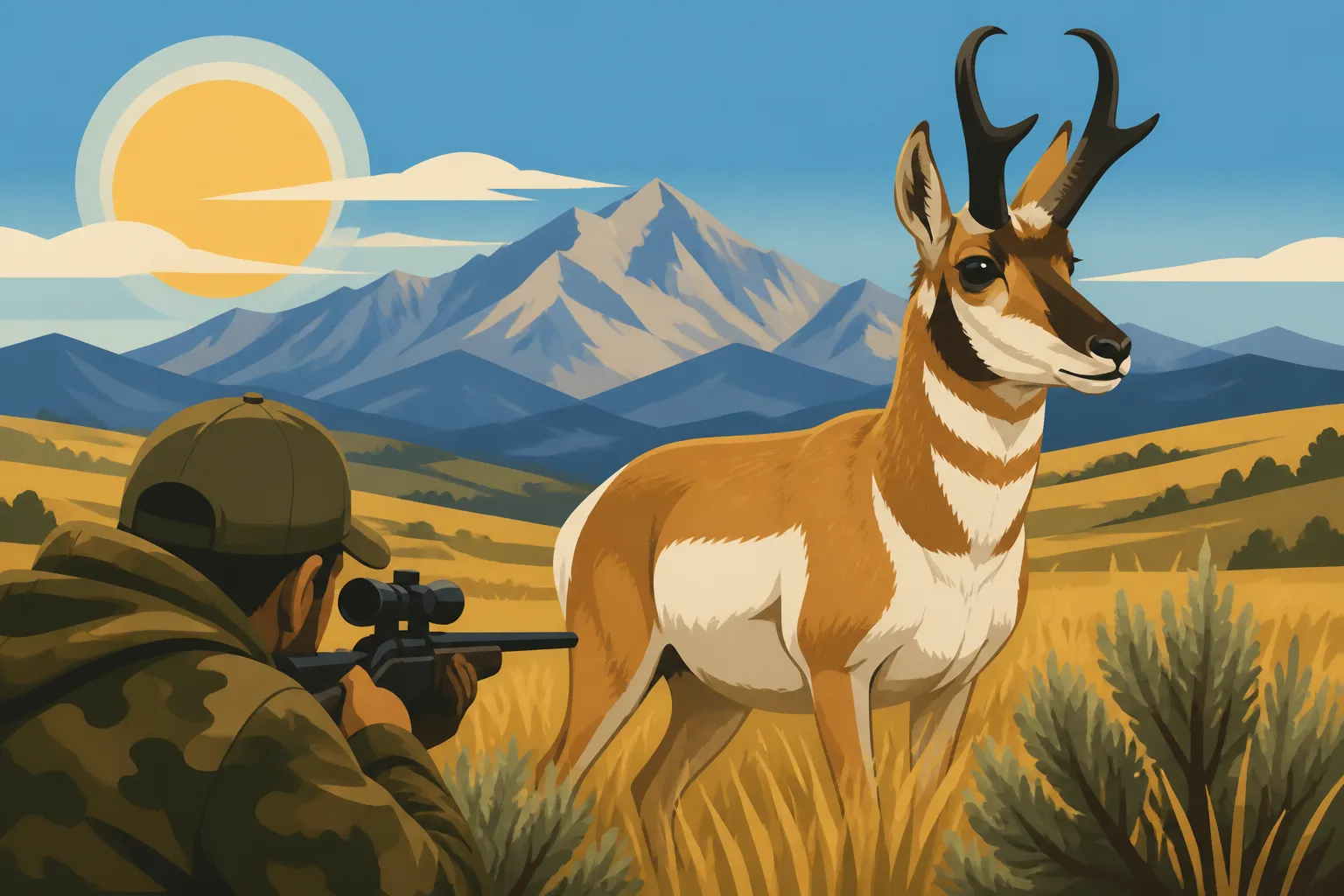
Montana Pronghorn Behavior and Biology
You might think you know the pronghorn, those fast-moving streaks across Montana's vast plains, but often, their intricate behaviors and biological marvels are overlooked. Understanding the nuanced life of this incredible species isn't just fascinating; it's absolutely crucial for anyone hoping to successfully hunt them or simply appreciate their presence in the Big Sky Country. This guide will dive deep into what makes the pronghorn so unique, giving you a better understanding of this incredible big game animal.
The Biology of Speed: What Makes a Pronghorn Tick
When you first see a pronghorn bounding across the Montana prairie, it’s impossible not to be impressed by their sheer velocity. They aren’t just fast; they are built for speed in a way no other North American animal is, making them truly one of a kind. This isn't just about outrunning danger, it's about a whole suite of biological adaptations that allow them to thrive in open country.
Physical Adaptations for Survival
Pronghorn possess an astonishing array of physical traits optimized for their open grassland environment. Their most famous attribute, of course, is their speed. They are the fastest land animal in North America, capable of reaching speeds up to 60 miles per hour over short bursts and maintaining high speeds for extended periods. This isn't just a party trick; it's a vital defense mechanism in their wide-open habitat where cover is scarce. Their extra-large lungs and windpipe allow for massive oxygen intake, and their high concentration of red blood cells further enhances oxygen delivery to their powerful leg muscles. Their hooves are also uniquely adapted for running, with cushioning pads that absorb impact and minimize friction.
Beyond speed, their eyes are nothing short of remarkable. Set far back on their heads, they provide a nearly 360-degree field of vision, which is essential for spotting predators like coyotes and eagles across vast, flat landscapes. Their vision is also incredibly keen, equivalent to an 8x binocular, allowing them to detect movement from several miles away. You might struggle to even pick them out against the horizon with your naked eye, but they've likely seen you coming for ages. This incredible eyesight, combined with their blistering pace, is what makes How to Spot-and-Stalk Antelope in Montana such a challenging but rewarding endeavor.
Unique Horns and Pelage
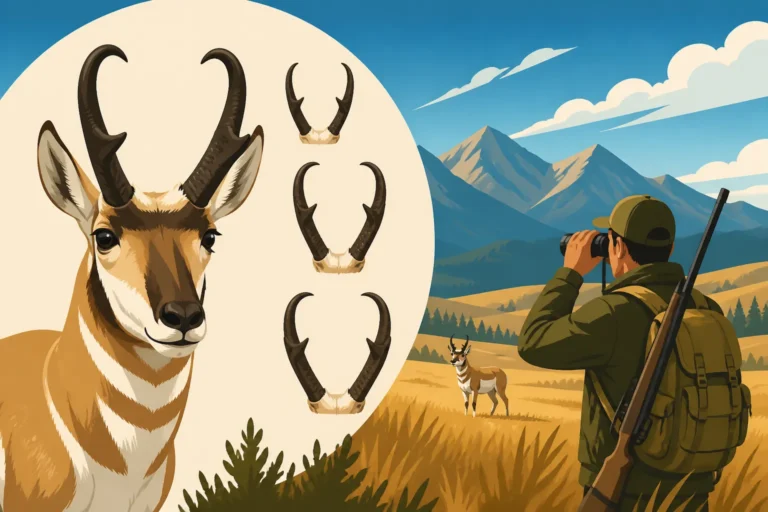
Unlike deer or elk, pronghorn don't have antlers. Instead, they sport true horns – a bony core covered by a keratinous sheath, similar to cattle or sheep. However, what sets them apart is that these horn sheaths are shed annually, usually in late fall or early winter. Both bucks and does typically grow horns, though doe horns are usually much smaller, sometimes barely breaking the skin, and occasionally they don't have any at all. A buck's horns are distinctive, with a forward-pointing prong or "cutter" that gives them their name. These horns are vital for sparring during the rut and establishing dominance.
Their pelage, or coat, is also a marvel of natural engineering. It’s a striking mix of reddish-tan, white, and black, providing excellent camouflage against the prairie landscape. The coarse, hollow hairs act like insulation, trapping air to keep them warm in winter and cool in summer. When alarmed, pronghorn can raise the long white hairs on their rump patch, creating a highly visible signal that can be seen for miles. This "flag" acts as a clear warning to other pronghorn in the area, a collective alarm system that often means they've spotted something you haven't. Understanding Montana Pronghorn Horn Size Explained can help hunters evaluate potential targets in the field.
Lifespan and Overall Health
The average lifespan of a wild pronghorn is around 7-10 years, though some individuals can live longer, especially females. Their survival depends heavily on good habitat, consistent food sources, and avoiding predators. Fawn mortality is often high, with many succumbing to predators like coyotes or golden eagles within their first few weeks of life. However, once they make it past their first year, their chances of survival significantly increase.
Their overall health is directly linked to the quality and availability of forage and water, particularly in the harsh Montana environment. Drought conditions can significantly impact herd health, leading to lower fawn recruitment and increased mortality. Disease outbreaks are generally less common than in some other big game species, but localized issues can occur. Wildlife agencies, like Montana Fish, Wildlife & Parks, closely monitor herd health and population trends to ensure sustainable management. This data is often used by scouting platforms like GoHunt, providing valuable insights for hunters planning their seasons.
Daily Life on the Prairies: Pronghorn Behavior Unpacked
Pronghorn are fascinating to observe, with a complex social structure and daily routines finely tuned to their environment. They are constantly vigilant, a necessity in their open habitat, and their behaviors reflect a constant balance between foraging and evading detection.
Daily Routine and Activity Patterns
Pronghorn are primarily diurnal, meaning they are most active during the daylight hours. Their day is a rhythm of feeding, resting, and moving. They typically feed most intensely during the cooler parts of the day – early morning and late afternoon/early evening. During the hotter mid-day hours, especially in summer, you'll often find them bedded down, chewing their cud, and conserving energy. They'll seek out slight depressions in the terrain, the shade of a lone tree, or even the sparse cover of a sagebrush patch to rest.
However, their activity isn't rigidly scheduled. Disturbances, such as a passing vehicle, human activity, or the presence of predators, can instantly alter their routine, sending them bolting across the plains. They are opportunistic grazers and browsers, constantly moving to find the most nutritious forage. This constant movement makes How to Hunt Antelope in Montana a dynamic challenge, requiring patience and keen observation skills.
Social Dynamics and Group Structure
Pronghorn social structure is quite fluid and changes with the seasons. During most of the year, outside of the breeding season, you'll typically find them in two main types of groups: mixed-sex herds and bachelor groups. Mixed-sex herds can range from a few individuals to dozens, often composed of does, fawns, and younger bucks. Bachelor groups consist solely of bucks, often older males, who will assert dominance among themselves through sparring.
Come the rut, these social structures shift dramatically. Dominant bucks will establish territories, often small patches of prime forage or terrain, and actively defend them from other bucks. They will attempt to gather and hold a harem of does within their territory, a behavior that leads to intense competition and often spectacular chases. Does are not entirely passive in this; they may move between territories and have some choice in which buck they associate with. This highly dynamic social arrangement is a key aspect of their survival and reproductive success.
Communication and Warning Systems
Pronghorn rely on a surprisingly sophisticated communication system, primarily visual. As mentioned, their most recognizable signal is the flash of their white rump patch. When a pronghorn senses danger, it can raise these hairs, sending a clear, bright white signal across the plains. This signal can be seen for miles, instantly alerting other pronghorn to potential threats. It's an incredibly effective early warning system in an environment where auditory signals might be lost to wind or distance.
Beyond the visual, they also use scent marking. Bucks will mark their territories with urine and defecation, as well as rubbing their suborbital glands on vegetation. This communicates their presence and dominance to other bucks, helping to delineate boundaries and reduce direct conflict. While less apparent to human observers, these chemical signals play a vital role in their social order and breeding strategies, particularly during the intensity of the rut.
Home on the Range: Pronghorn Habitat and Foraging Habits
Montana offers an ideal landscape for pronghorn, particularly its vast eastern plains and rolling foothills. Understanding where they live and what they eat is fundamental to finding and appreciating them. Their survival is intimately tied to the health of these unique ecosystems.
Preferred Environments Across Montana
Pronghorn are truly creatures of the open country. In Montana, this means you'll primarily find them across the eastern two-thirds of the state, ranging from the vast, treeless expanses of Phillips County to the rolling shortgrass prairies of Powder River County. They thrive in environments characterized by sagebrush steppe, grasslands, and mixed-grass prairies. They prefer areas with good visibility, allowing them to utilize their exceptional eyesight to detect predators from afar. While they avoid dense forests, they will utilize scattered timber belts or brushy draws for temporary cover from extreme weather or to escape pursuit.
Elevation-wise, they are most common on the lower elevations of the plains, generally below 6,000 feet, but they can be found in higher mountain valleys if the terrain is open enough. These habitats are often shared with mule deer and whitetail, though pronghorn rarely venture into the broken, rugged country favored by mule deer or the thick river bottoms where whitetail often thrive. When planning a hunt, resources like the Montana Hunt Planner Maps Explained are invaluable for pinpointing these prime habitats.
Dietary Needs and Foraging Behavior
Pronghorn are not just grazers; they are primarily browsers, meaning their diet consists predominantly of forbs and shrubs rather than grasses. Sagebrush is a critical component of their diet, especially during the winter months when other forage is scarce. They also consume a wide variety of other plants, including various forbs, cacti (they skillfully avoid the spines), and occasionally grasses. Their digestive system is highly efficient at extracting nutrients from these often tough and fibrous plants.
They are selective feeders, meticulously choosing palatable and nutritious plants. Their foraging style involves constant movement, nipping at various plants as they traverse the landscape. This provides a diverse nutrient intake and minimizes overgrazing in any single spot. In agricultural areas, they may also utilize cultivated crops, but their core diet remains wild vegetation. Knowing their preferred menu items can give you a significant advantage when trying to Locate Montana Elk on Montana Public Land, as often the same considerations for food apply to many species, albeit with different preferences.
Water Sources and Dependence
While pronghorn are well-adapted to arid environments and can derive a significant portion of their water needs from the vegetation they consume, they still require access to free water, especially during hot, dry periods or when nursing fawns. Natural springs, ephemeral ponds, stock tanks, and even isolated puddles become critical resources. During severe droughts, competition for water can intensify, impacting herd health and distribution.
Many hunters capitalize on this need for water, particularly in the drier eastern plains. Setting up ground blinds or ambushing near known water sources can be an effective tactic, especially for archers. However, it's crucial to understand pronghorn behavior around these sources; they are often cautious and will approach water slowly, carefully scanning for danger. This knowledge is key for those looking to effectively hunt Montana Antelope Water Holes.
The Circle of Life: Reproduction and Survival Strategies
The life cycle of the pronghorn is a testament to resilience, especially considering the challenges of open-country living. From the intense rut to the vulnerable fawning season, every stage is a masterclass in survival.
The Annual Rut Cycle
The pronghorn rut typically occurs in September, sometimes extending into early October, depending on the specific region in Montana and annual conditions. This period is characterized by intense competition among bucks for breeding rights. Dominant bucks establish and defend territories, attempting to gather and hold harems of does. These territories are often small but strategically located, offering prime forage or commanding views.
The rutting behavior is a spectacle of chasing, sparring, and vocalizations. Bucks will tirelessly pursue does, often leading to impressive displays of speed and endurance. They will also engage in fierce head-to-head combat with rival bucks, pushing and shoving with their unique horns. While these fights are usually not fatal, they can be exhausting and result in injuries. During this time, bucks are less cautious, focusing their energy on breeding, which can present opportunities for hunters who understand the Montana Antelope Season Dates and prime behavioral patterns.
Fawning Season and Fawn Care
After a gestation period of approximately 250 days (about 8 months), does typically give birth in late May to early June. Unlike deer or elk that often have a single fawn, pronghorn does commonly give birth to twins, a strategy that helps offset the high fawn mortality rates. The fawns are born with a camouflage coat and are almost entirely scentless for their first few days, crucial adaptations for avoiding detection.
Newborn fawns are incredibly vulnerable. For their first few weeks, they spend most of their time bedded down, hidden in tall grass or sagebrush, while their mother grazes nearby. The doe will return several times a day to nurse, always approaching cautiously to ensure no predators are lurking. This "hiding" strategy is vital because fawns are not yet fast enough to outrun predators. As they grow, they gradually become more mobile and begin to follow their mothers, eventually joining larger herds. This period is particularly sensitive, and minimizing disturbance during the fawning season is critical for population health.
Population Dynamics and Management
Montana's pronghorn population is robust, though it fluctuates based on weather conditions, habitat quality, and hunting pressure. Montana Fish, Wildlife & Parks (FWP) actively manages pronghorn populations through regulated hunting seasons and habitat conservation efforts. Hunting tags are allocated through a draw system, ensuring sustainable harvest levels.
Factors like severe winters, prolonged droughts, and changes in land use (e.g., habitat fragmentation due to development) can impact pronghorn numbers. However, their adaptability and reproductive rate allow them to recover relatively quickly under favorable conditions. Understanding the big picture of Montana Antelope Draw Odds Explained and general population health is crucial for hunters who want to participate responsibly in this tradition. Many utilize advanced tools like those offered by GoHunt to track these complex dynamics and apply for the right units.
On the Move: Pronghorn Migration and Seasonal Shifts
Pronghorn are not static animals; their lives are often defined by movement. While not as famous as elk or caribou migrations, pronghorn also undertake impressive seasonal journeys, dictated by the availability of food and water, and the severity of winter.
Seasonal Movements and Wintering Grounds
Across Montana, pronghorn undertake localized migrations, moving between summer and winter ranges. Their summer ranges typically offer abundant forage and water, often spread out across the plains. As winter approaches, especially when snow cover becomes significant, pronghorn will often consolidate into larger herds and move to specific wintering grounds. These winter areas are typically characterized by lower elevations, south-facing slopes, and areas where snow depth is less severe, allowing easier access to critical sagebrush and other browse plants.
These movements are essential for their survival. Deep snow can make foraging impossible, leading to starvation. By moving to areas with less snow and accessible food, they increase their chances of surviving the leanest months. The distances covered can vary significantly, from just a few miles to over a hundred, depending on the specific region and the harshness of the winter. Recognizing these patterns is a key aspect of Montana Public Land Hunting Strategy, especially for plains species.
Factors Influencing Migration Patterns
Several key factors drive pronghorn migration and movement:
- Snow Depth: This is arguably the most critical factor. As snow accumulates and hardens, it prevents access to forage. Pronghorn will move to escape deep snow.
- Forage Availability: The presence of nutritious plants, particularly sagebrush in winter, dictates where they can find sustenance.
- Water Availability: While they can derive moisture from plants, free water sources are crucial, especially in warmer months and dry years.
- Predator Pressure: While not a primary driver of large-scale migration, consistent pressure from predators like wolves or coyotes can influence smaller-scale movements and choices of bedding areas.
- Human Disturbance: Roads, fences, development, and high hunting pressure can interrupt or alter traditional migration routes, sometimes forcing pronghorn into less ideal habitats.
Understanding these factors can give hunters an edge. Scouting before the season, utilizing tools that show habitat types, and keeping an eye on weather patterns are all critical elements.
Localized Dispersal and Home Ranges
Even within their seasonal ranges, pronghorn exhibit constant localized dispersal and movement within their home range. They are not animals that stay in one small area for long. A typical home range can encompass many square miles, and they will move throughout it in search of optimal forage, water, and security.
This constant movement also makes them adept at avoiding pressure. If a particular area sees high hunter traffic, pronghorn will often simply move to an adjacent, quieter section of their home range. This is why tactics like How to Beat the Crowds on Montana Public Land often involve seeking out less accessible areas or understanding how pressure pushes game. Their inherent caution and incredible sense of sight mean they are rarely "stuck" in a location if they feel threatened, making patience and long-distance glassing essential for success.
Predators and Survival: Staying Alive on the Montana Plains
Life on the open plains is beautiful but harsh, and pronghorn face a constant array of threats. Their very existence is a testament to their remarkable adaptations for survival against a host of natural predators.
Common Threats in Montana
Pronghorn in Montana face a variety of natural predators, with coyotes being the most significant threat, especially to fawns. Golden eagles are also a serious concern for newborns, snatching fawns from their bedding sites. While less common, mountain lions and wolves can also prey on adult pronghorn, particularly in areas where their ranges overlap with suitable stalking cover. Bears, both black and grizzly, are opportunistic and may take fawns if encountered.
For adult pronghorn, these predators are typically less of a direct threat due to their unparalleled speed. However, an injured, old, or sick individual is always vulnerable. The biggest challenge for healthy adults often comes from environmental factors like severe winter storms or prolonged drought conditions that weaken them and make them more susceptible to predation.
Anti-Predator Strategies and Defense Mechanisms
Pronghorn's primary defense, as we've discussed, is their incredible speed. When a predator is spotted, their first instinct is to run, and few animals can keep pace with them over open ground. They often run in zig-zags and bursts, making it difficult for a pursuing predator to lock onto them.
Beyond speed, their exceptional eyesight is a critical first line of defense. By spotting danger from miles away, they often have ample time to flee before a predator can even get within striking distance. The white rump patch signaling system is also a powerful communal defense, ensuring that entire herds are alerted simultaneously, maximizing their collective chances of escape. They also rely on camouflage, especially fawns, and the broken terrain of the plains provides enough undulations and depressions for them to disappear into if they lay low.
Impact on Herd Health and Population Dynamics
Predation plays a natural and important role in maintaining healthy pronghorn populations. Predators often target the weakest, sickest, or oldest individuals, which helps to keep the overall herd strong and resilient. However, overly high predator numbers, combined with other environmental stressors, can sometimes impact fawn recruitment rates and overall population growth.
Wildlife management agencies monitor both predator populations and pronghorn numbers to understand these complex dynamics. Hunter harvest of pronghorn is carefully managed to ensure it doesn't exacerbate natural mortality factors. For instance, Montana Antelope Tag Cost and availability are adjusted based on population surveys and herd health data collected by FWP biologists. This holistic approach helps ensure the long-term sustainability of Montana's magnificent pronghorn herds.
Pronghorn vs. Other Montana Big Game Species
To truly appreciate the pronghorn, it's helpful to compare some of its characteristics to other well-known Montana big game. This table highlights some key differences.
| Characteristic | Pronghorn (Antilocapra americana) | Mule Deer (Odocoileus hemionus) | Whitetail Deer (Odocoileus virginianus) | Elk (Cervus canadensis) |
|---|---|---|---|---|
| Primary Habitat | Open grasslands, sagebrush steppe, prairies | Broken country, foothills, rimrocks, forests | River bottoms, agricultural fringe, dense cover | Forests, mountains, open parks |
| Speed | Fastest in North America (up to 60 mph) | Fast over rough terrain (up to 45 mph) | Quick bursts, evasive (up to 35-40 mph) | Powerful, sustained run (up to 35-40 mph) |
| Defense | Speed, exceptional eyesight, herd vigilance | Camouflage, bounding escape, cover | Camouflage, stealth, explosive flight | Size, herd defense, running into cover |
| Antler/Horn Type | True horns (bony core, shed keratin sheath) | Antlers (bony, shed annually) | Antlers (bony, shed annually) | Antlers (bony, shed annually) |
| Diet | Primarily forbs, shrubs (sagebrush critical) | Browsers (shrubs, forbs), some grasses | Browsers (forbs, shrubs), agricultural crops | Grazers (grasses), some browsing |
| Social Structure | Variable: mixed herds, bachelor groups, harems | Small family groups, bachelor groups | Small family groups, solitary bucks | Large herds (cows/calves), bull groups |
| Eyesight | Exceptional, 8x magnification equivalent | Very good | Good | Good |
| Vocalization | Snorts, bleats | Snorts, grunts | Snorts, bleats | Bugles, chirps, mews, grunts |
Disclaimer
Hunting is an activity with inherent risks. Always prioritize safety, understand and follow all Montana Fish, Wildlife & Parks regulations, and ensure you have the proper licenses and tags before heading into the field. This guide provides general information and should not replace official regulations or professional advice.