Montana Goat Draw Point Requirements
Dreaming of a Montana mountain goat tag is a common aspiration for many dedicated hunters, but the reality of drawing one often feels like a steep, rocky climb itself. The competition is fierce, the odds are incredibly low, and understanding the complex bonus point system can be just as challenging as traversing alpine terrain. This comprehensive guide is here to demystify the Montana goat draw point requirements, help you understand how the system works, and provide actionable strategies to navigate the application process, giving you the best shot at earning one of these coveted tags.
Demystifying Montana's Mountain Goat Draw System
Drawing a mountain goat tag in Montana is a unique challenge, primarily because of the state's specific bonus point system, which differs significantly from the preference point systems used for other species in some states. It’s not just about accumulating points; it’s about how those points multiply your chances. Many hunters find this distinction confusing, especially if they're used to a simpler "first-in-line" preference system. Let's break down the intricacies.
Understanding Bonus Points for Goats, Moose, and Sheep
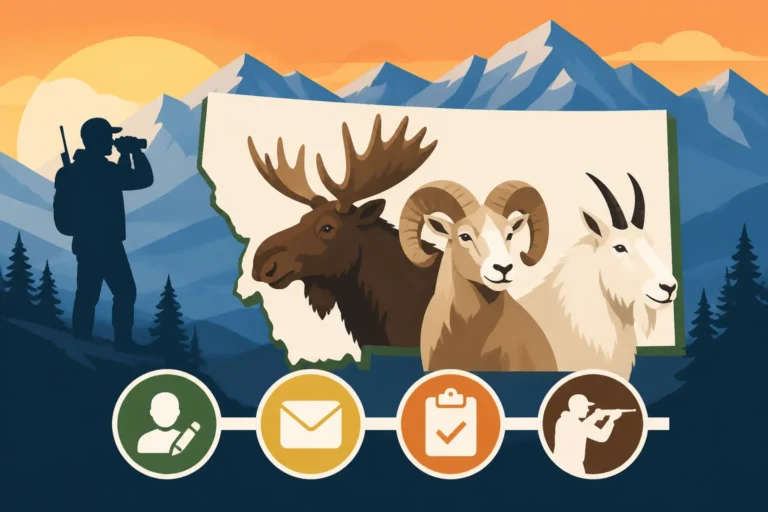
Montana uses a bonus point system exclusively for its limited-entry permits for moose, bighorn sheep, and mountain goats. Unlike preference points, where the applicant with the most points gets the tag, bonus points increase your odds in a random drawing. For every year you apply for one of these species and are unsuccessful, you accrue one bonus point. The real kicker is how these points function: your total number of bonus points is squared, and that number represents the total entries you have in the draw. So, if you have one point, you get 1×1=1 entry. Two points? 2×2=4 entries. Ten points? 10×10=100 entries. This compounding effect means that patience truly is rewarded, as your chances grow exponentially over time.
This system can be both exciting and frustrating. It means that even a first-time applicant technically has a chance, albeit a very slim one, as they still have one entry in the draw. However, it also means that someone with 20 points has 400 entries, making their odds significantly higher. It’s a long game, and understanding the mathematics behind the draw is crucial for managing expectations and sustaining hope. For a broader overview of how all the permits and licenses work, check out our guide on Montana Hunting Seasons Explained.
The Distinction Between Bonus Points and Preference Points
It’s easy to mix up "bonus points" and "preference points," especially if you hunt in other western states or even apply for deer and elk tags in Montana. But for mountain goats (and moose and bighorn sheep), Montana explicitly uses the bonus point system. Preference points, on the other hand, are used for the general deer and elk combination licenses, and they essentially move you up a waiting list. The hunter with the most preference points gets priority.
The difference is critical because it dictates your application strategy. You can't just accrue enough bonus points and expect to draw a goat tag with certainty. The element of randomness, even with squared entries, always remains. This is where researching draw odds and applying strategically becomes paramount. Many seasoned hunters utilize tools like those offered by GoHunt to track their point totals and analyze historical draw data, helping them make informed decisions about when and where to apply. Our article on How Montana Bonus Points Work dives deeper into the mechanics of this system.
Analyzing Mountain Goat Draw Odds and Point Requirements
When it comes to mountain goats, "point requirements" aren't a fixed number like they might be for a preference point system. Instead, it's about the average number of points a successful applicant might have accumulated over the years, and how those points played into the draw odds. The simple truth is, mountain goat tags are among the most difficult to draw in Montana, making detailed analysis incredibly important.
The Rarity of Montana Mountain Goat Tags
Montana Fish, Wildlife & Parks (FWP) issues a very limited number of mountain goat tags each year, often only a handful per hunting district, and some districts may not offer tags annually. This scarcity is a direct reflection of FWP's commitment to managing these sensitive populations responsibly, ensuring sustainable numbers in their rugged, high-alpine habitats. The sheer beauty and challenge of a mountain goat hunt also contribute to the immense demand, with thousands of applicants vying for just a few dozen tags statewide.
This extreme rarity means that even with a significant number of bonus points, drawing a tag is never guaranteed. It's not uncommon for hunters to accumulate 15, 20, or even more bonus points over decades without success. This is a truly long-term endeavor, a hunt of a lifetime that many spend a lifetime applying for. Our Montana Mountain Goat Hunting Guide can give you a better idea of what to expect if you're lucky enough to draw.
Interpreting Draw Odds Data and Point Pools
To gauge your chances, you'll need to dive into historical draw odds. FWP releases statistics each year showing the number of applicants, the number of tags issued, and the point totals of successful applicants for each hunting district. Analyzing this data is where the rubber meets the road. You’ll often see a wide range of points among successful applicants within the same unit, highlighting the random element of the bonus point system. One year, someone with 5 points might draw, while the next year, the lowest successful applicant might have 18 points.
Services like GoHunt often compile this data into user-friendly formats, allowing you to filter by hunting district, visualize trends, and understand the point ranges of past successful applicants. While these tools are invaluable, remember they are based on historical data. Each year's applicant pool and unit-specific tag allocations can shift, making the draw odds a moving target. The key is to look for patterns and identify districts that might offer slightly better (though still incredibly tough) odds for your point level, or where the "point creep" – the gradual increase in average points needed to draw – is less severe. For a comprehensive look at how these draw odds are calculated for various species, explore How to Read Montana Draw Odds.
Here's a simplified look at how bonus points impact your draw entries:
| Bonus Points Accumulated | Squared Entries in Draw | Example Odds (Highly Simplified) |
|---|---|---|
| 0 | 1 | 1 in 1000 |
| 1 | 1 | 1 in 1000 |
| 2 | 4 | 4 in 1000 (1 in 250) |
| 5 | 25 | 25 in 1000 (1 in 40) |
| 10 | 100 | 100 in 1000 (1 in 10) |
| 15 | 225 | 225 in 1000 (1 in ~4.4) |
| 20 | 400 | 400 in 1000 (1 in 2.5) |
Note: The "Example Odds" above are purely illustrative and do not reflect actual Montana mountain goat draw odds, which are significantly lower for any given year.
Strategies for Applying for a Montana Goat Tag
Given the difficulty of drawing a Montana goat tag, a well-thought-out application strategy is paramount. It’s not just about applying every year; it’s about making smart choices about which units to apply for, understanding the nuances of the application process, and knowing what to do if you don't draw.
Building Bonus Points for the Long Haul
The most straightforward strategy is simply to commit to the long haul and apply every year to build up your bonus points. Since these points square your entries, consistency is your best friend. Even if you don't plan to hunt next year, or even in the next five years, buying a bonus point annually is a wise investment in your future hunting opportunities. The cost of a bonus point is relatively low compared to the tag itself, and it ensures you're always in the running, continually increasing your chances. Keep in mind that you can only purchase a bonus point for a specific species if you also apply for that species' permit. So, if you want a goat bonus point, you must apply for a mountain goat permit.
You can learn more about this process by reviewing How to Apply for a Montana Hunting License and understanding the overall Montana Nonresident License Draw Explained. This long-term mindset is essential because a mountain goat hunt truly is a once-in-a-lifetime experience for most.
Choosing Your Hunting Districts Wisely
Selecting the right hunting district is a crucial part of your strategy. This isn't just about draw odds; it's about what kind of hunt you envision and what you're physically prepared for. Do you want a truly remote, physically demanding backcountry hunt, or something more accessible? Are you focused on a high probability of drawing (relatively speaking) or holding out for a trophy unit, even if the odds are astronomical? Many hunters use resources like GoHunt to research potential units, cross-referencing draw odds with unit accessibility, terrain, and success rates.
Consider these factors when choosing a unit:
- Draw Odds: Review the historical draw odds for specific districts. Some units may have slightly "better" odds, perhaps because they are more remote, require specialized skills, or have lower goat populations.
- Access: Mountain goat country is inherently rugged. Some units are roadless wilderness areas, demanding significant physical exertion and backpacking skills. Others might offer slightly easier access, but often come with higher hunter pressure. Our Montana Backcountry Hunting Guide offers insight into these remote areas.
- Goat Population and Success Rates: Look at FWP harvest statistics for each unit. A high success rate might indicate a healthy population and good huntability, but it could also mean tighter draw odds.
- Habitat and Terrain: Familiarize yourself with the specific habitat of the chosen district. Are you comfortable with extreme elevations, steep rock faces, and unpredictable weather? Our guide on Montana Mountain Goat Range and Habitat can help you understand these environments.
- Your Physical Fitness: A mountain goat hunt is one of the most physically demanding hunts in North America. Be realistic about your capabilities. Consider areas that align with your fitness level. If you're looking for ways to get ready, check out How to Physically Prepare for a Montana Elk Hunt, as many of the principles apply to goat hunting too.
You can apply for up to two choices for goat permits, allowing you to list a highly desired, low-odds unit as your first choice and a slightly "better odds" unit as your second. However, be aware that your second choice is only considered if the quota for your first choice has not been met. For most goat units, the quotas are filled immediately, so your second choice is rarely a factor. It's often best to focus all your strategic effort on your first choice. For more on choosing specific areas, our How to Choose a Montana Hunting District article can provide a broader perspective.
The Application Timeline and Process
The application period for Montana's moose, sheep, and goat permits typically runs from March to early April each year, with results usually announced in May. It's crucial to mark these Montana Big Game Draw Deadlines on your calendar. You'll need to purchase a base hunting license and a Conservation License to be eligible to apply for any species permit, including mountain goats. Non-residents will also need to apply for a nonresident hunting license.
The application itself is done online through the FWP website. Double-check all your entries, especially your chosen hunting districts, before submitting. A mistake here could cost you another year of waiting. And remember, unlike some other states, Montana's bonus points for goats, moose, and sheep are species-specific. A point for a goat doesn't help you draw a moose or sheep tag. Keep an eye on any Montana 2026 Hunting Regulation Changes or similar updates, as rules can sometimes shift.
What to Expect After the Draw Results
The wait for Montana draw results is always nerve-wracking, but for a mountain goat tag, it's particularly intense. Whether you draw or not, understanding the next steps and preparing for your hunt is key.
Dealing with Disappointment and Staying Persistent
Let's be realistic: the vast majority of applicants will receive an "unsuccessful" notification. This is the norm, not the exception, for Montana mountain goat tags. It's easy to get discouraged after years of applying, watching your bonus points climb, and still not seeing your name on the successful list. But don't let the disappointment deter you. This is where patience and persistence truly come into play.
If you don't draw, immediately apply for a bonus point for the next year during the open application period. It's an investment in a future dream, and every point increases your mathematical chance. Keep researching districts, learning about Montana Moose Sheep Goat Season Dates, and refining your strategy. The draw is a lottery, but with increasing entries, your name will eventually be pulled if you stick with it.
Preparing for the Hunt of a Lifetime
If the unthinkable happens and you do draw a Montana mountain goat tag, congratulations! You've just won one of the most coveted hunting opportunities in North America. Now the real work begins. Mountain goat hunts are physically demanding and require meticulous planning.
- Physical Conditioning: Start an intensive fitness regimen immediately. Mountain goats live in extremely rugged, high-altitude terrain. You'll be climbing steep slopes, navigating scree fields, and enduring thin air. Proper physical conditioning is non-negotiable.
- Gear Selection: Your gear needs to be top-notch. Think lightweight, durable, and weather-appropriate for extreme alpine conditions. This includes reliable optics for glassing distant peaks, appropriate footwear for steep terrain, and a robust pack for carrying gear and potentially heavy meat. Our Montana Backcountry Hunting Gear List can offer some valuable insights.
- E-Scouting and Boots-on-the-Ground Scouting: Even if you've been e-scouting for years, drawing the tag means it's time to intensify your efforts. Use tools like onX Hunt and Google Earth to identify potential goat habitat, travel routes, and glassing points. If at all possible, conduct pre-season scouting trips to familiarize yourself with the terrain. Our guide on How to E-Scout Montana Hunting Units is a great starting point.
- Meat Care and Logistics: Once you harvest a goat, you'll need a plan for field dressing and packing out the meat in potentially difficult conditions. This often means quartering the animal in steep terrain.
A Montana mountain goat hunt is an incredible adventure, and drawing the tag is just the first step. Proper preparation will ensure you're ready to make the most of this once-in-a-lifetime opportunity.
Disclaimer
The information provided in this guide is for general informational purposes only and is subject to change. Hunting regulations, season dates, draw odds, and point requirements are set by Montana Fish, Wildlife & Parks (FWP) and can be modified annually. Always consult the official FWP hunting regulations and website for the most current and accurate information before applying for any licenses or permits.