How to Hunt Montana Elk in Early Archery Season
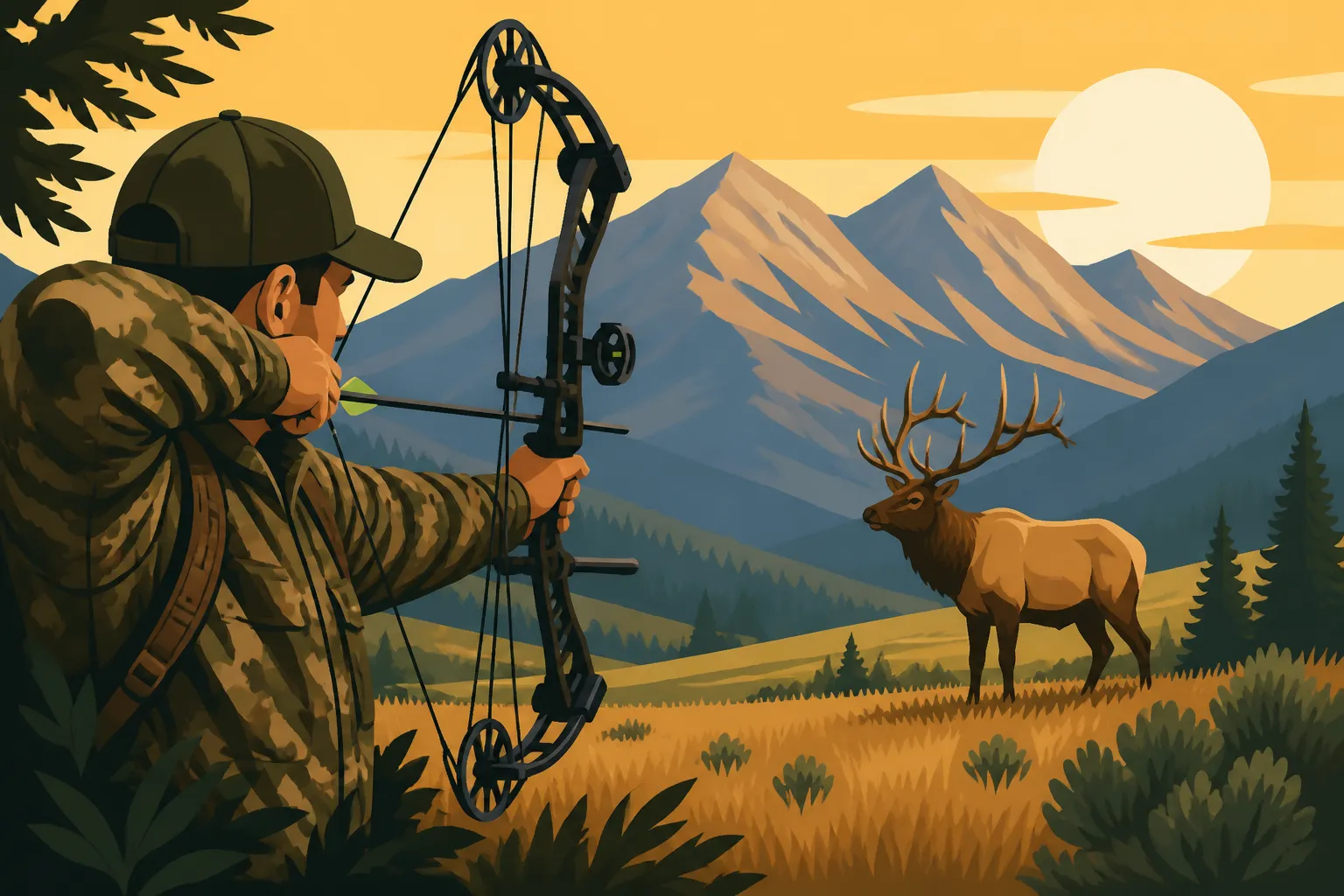
There's nothing quite like the anticipation of Montana's early archery season for elk, but let's be honest, it often kicks off with more questions than answers. You've been dreaming of those high-country bulls all year, only to face the reality of warm weather, thick timber, and elk that seem to have vanished into thin air. If you're tired of aimlessly wandering, this guide is going to break down exactly how to approach hunting Montana elk during the early archery season, giving you the knowledge to confidently pursue these magnificent animals.
Understanding Early Archery Season in Montana
The early archery season in Montana is a unique beast, often starting in the sweltering heat of late summer and transitioning into the crisp days of early fall. It's a time when elk behavior is heavily influenced by factors that are very different from the peak of the rut or the late general season. Understanding these fundamental characteristics is the first step toward putting an arrow in a Big Sky bull.
Key Characteristics and Challenges
When that early archery season kicks off, typically in early September, you're looking at a completely different landscape than what you might imagine from those iconic rut videos. The primary challenge is often the heat. Temperatures can still regularly climb into the 70s or even 80s during the day, which dramatically affects both elk activity and hunter endurance. Elk will seek out cooler, shadier spots, often in dense timber or on north-facing slopes, making them harder to locate and approach. This means midday hunting can be incredibly tough, pushing your best efforts to the cooler morning and evening hours.
Another characteristic is the lush forage still abundant across much of the state. Elk aren't necessarily concentrated around specific, limited food sources as they might be later in the season. They have a smorgasbord of options, which can make predicting their movements more challenging. Water, however, can become a critical draw, especially as late summer progresses and smaller springs and wallows start to dry up. Finally, while some early bugling might occur, especially in the last week or two of the season, it’s not the full-on symphony of the rut, meaning you often can't rely solely on calling to locate animals.
Elk Behavior During Early Season
Elk behavior in early archery season is largely defined by their summer patterns, albeit with a subtle shift as daylight hours shorten and a hint of the rut begins to stir. Bulls are typically still in their bachelor groups, often found at higher elevations where feed is rich and temperatures are cooler. They're focused on putting on weight and finishing out their antler growth, which means they're primarily feeding, resting, and occasionally sparring playfully. You won't hear much aggressive bugling; instead, you might pick up on soft cow and calf calls, or maybe a quiet groan from a bull.
As the season progresses toward mid-September, you'll start to notice slight changes. Bulls might begin to rub velvet from their antlers, and their bachelor groups might become a bit looser, with some bulls starting to venture off on their own or with a few cows. The pre-rut phase sees an increase in vocalization, but it's still often subtle and not nearly as intense as the peak of the rut. Understanding these nuances in behavior is key to adapting your Montana Elk Hunting Methods Explained and staying ahead of the game.
Weather Considerations and Impact
The weather in early September in Montana can be a mixed bag, but one thing is almost guaranteed: you'll likely deal with warmer temperatures than you'd prefer for elk hunting. Hot days mean elk are less active, preferring to bed down early in thick cover to escape the sun and insects. This makes locating them difficult and approaching them silently even harder. You'll often find them tucked into dark timber on north-facing slopes or in high-elevation basins where cool air pools.
Beyond the heat, you might also encounter dry, crunchy conditions underfoot, which amplifies the challenge of moving quietly through the woods. Rain showers can be a blessing, softening the forest floor and increasing elk activity. On the flip side, sudden cold fronts can also kickstart some pre-rut activity, making elk a bit more vocal and active. Always keep a close eye on the forecast and be prepared for anything from summer-like heat to crisp, fall mornings, especially when planning a Montana Backcountry Hunting Guide during this time.
Scouting and Preparation for Early Archery
Success in early archery season often hinges on what you do before you ever step foot in the woods with your bow. The preparation and scouting phases are paramount, setting the stage for effective hunting strategies. Without solid reconnaissance, you're essentially stumbling around hoping for a lucky encounter.
E-Scouting and Map Study
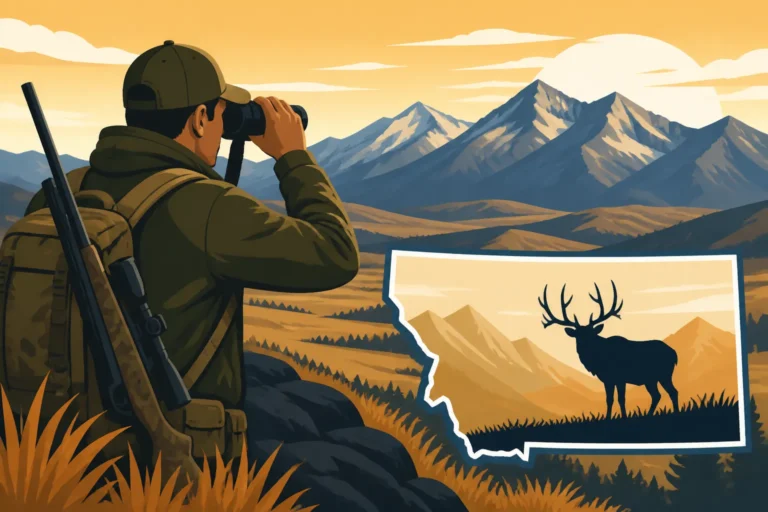
Before you even think about lacing up your boots, dedicate serious time to e-scouting. Tools like GoHunt's map layers are invaluable for identifying potential elk habitat. Look for key features: north-facing slopes with dark timber, benches and saddles that serve as travel corridors, prominent water sources (especially those far from roads), and areas with varied terrain that offer both feeding and bedding cover. Focus on finding remote areas with limited road access, as these often hold less pressured animals. Identify potential glassing points that overlook large basins or open slopes where elk might feed in the early mornings or late evenings.
Pay close attention to historical burn areas, as these can provide excellent new growth for forage, but also consider how recent they are – too recent, and cover might be too sparse. Study the topography for natural funnels where elk might be concentrated. This initial map work is your blueprint and forms the foundation for any successful Montana DIY Elk Hunting Guide. Note down multiple potential areas, always having a backup plan, because elk are experts at making your primary spot look empty.
Pre-Season Field Scouting
While e-scouting is crucial, there's absolutely no substitute for boots-on-the-ground field scouting. Ideally, you want to get into your target units a few weeks or even a month before the season opens. This allows you to confirm what you saw on the maps and find fresh sign. Look for tracks, scat, rub lines (even early ones), and wallows. Check water sources to see which ones are actively being used. Pay attention to how elk are using the terrain during different parts of the day. Are they feeding in specific meadows at dawn? Retreating to thick timber on certain slopes as the sun rises?
Walk quietly, observe, and listen. You might pick up on subtle cow calls or the sounds of elk moving through timber. Note bedding areas and escape routes. Understanding the local elk patterns and preferred habitats will give you a significant advantage. If you can't scout the exact unit, scout areas with similar terrain and vegetation to hone your skills. Remember, elk habits can vary even across short distances, so local knowledge is gold.
Physical Conditioning and Gear
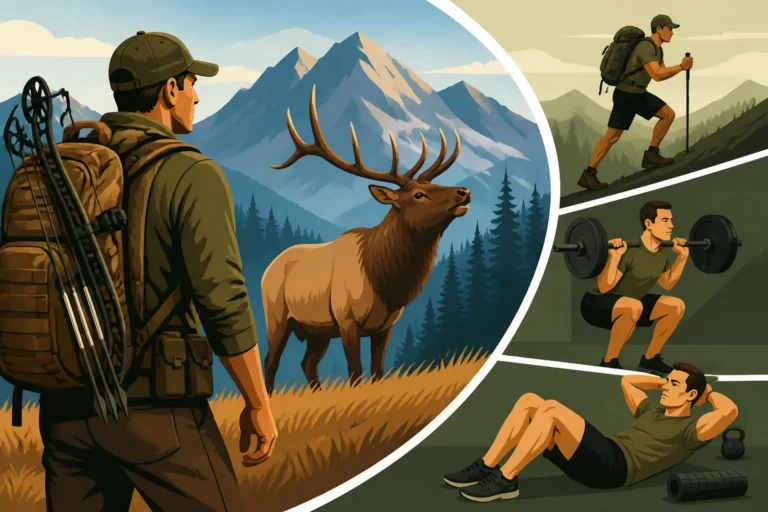
Early archery season in Montana is physically demanding. You'll be covering miles of rugged terrain, often at high altitudes, and potentially in warm conditions. Serious physical conditioning before your hunt is non-negotiable. Focus on cardiovascular endurance (hiking with a weighted pack, trail running) and strength training (especially legs and core). Being fit not only increases your chances of success but also significantly enhances your safety and enjoyment. Check out our guide on How to Physically Prepare for a Montana Elk Hunt for a detailed plan.
Your gear needs to be dialed in as well. Lightweight, breathable clothing is essential for warm days, but always pack layers for cool mornings and evenings. Good quality optics, including binoculars and a spotting scope, are critical for locating animals from a distance. A reliable rangefinder is a must for ethical archery shots. And, of course, your bow setup needs to be perfectly tuned, and you should be consistently shooting tight groups out to your maximum ethical range. Don't forget a quality backpack that can handle hauling meat, because that's the ultimate goal!
Effective Early Archery Hunting Tactics
With your scouting done and your body prepared, it's time to talk tactics. Early archery season requires a strategic blend of stealth, patience, and adaptability. Relying on a single approach is rarely successful; instead, you need a versatile toolkit of methods to intercept elk in their summer patterns.
Locating Elk in Their Summer Haunts
During early archery, elk are typically still in their summer range, which often means higher elevations, particularly on north-facing slopes and in dense, dark timber. These areas provide cooler temperatures, protection from insects, and abundant forage. Your goal is to identify these preferred zones and then methodically cover them. Start by targeting bedding areas early in the morning, positioning yourself to intercept elk as they move from feeding areas to their beds. Conversely, in the late afternoon, focus on glassing feeding areas and water sources where elk might emerge as temperatures drop.
Listen intently for any vocalizations, even subtle cow or calf calls, as these can pinpoint a herd's general location. Tools like GoHunt can help you overlay past harvest data and identified elk habitat, giving you a strong starting point for where to concentrate your efforts. Remember, patience is key. Elk won't always be visible, so finding fresh sign in these areas is often your best indicator of their presence.
Spot-and-Stalk Strategies
Without the frenzied bugling of the rut, Montana Elk Hunting: Spot-and-Stalk Tactics becomes your primary weapon in early archery season. This method demands keen observation, exceptional stealth, and precise wind management. Begin your day by glassing large, open areas from a distance at first light, looking for feeding elk or those moving to bed. Once an animal is spotted, the real work begins. Carefully plan your approach, using terrain features and vegetation to conceal your movement.
Always keep the wind in your favor. A single gust in the wrong direction can blow your entire stalk. This is where understanding thermals becomes vital; in the mornings, thermals generally rise, while in the evenings, they fall. Plan your approach accordingly. Move slowly, deliberately, and quietly, paying attention to every step. It’s better to take an hour to cover 100 yards silently than to rush and spook the animal. If you lose sight of the elk, remain still and try to relocate it before continuing.
Calling Tactics
While the full-blown bugling battles of the rut are still a ways off, calling can still play a role in early archery. Often, softer, more subtle calls are most effective. Cow and calf calls can pique curiosity without alarming elk, especially if you suspect a herd is nearby but out of sight. A few soft mews or chirps can sometimes coax a hidden animal into showing itself or responding with a subtle vocalization. You can also use a quiet bugle, not an aggressive challenge, but more of a locator call to try and get a bull to reveal his presence.
If you do get a response, resist the urge to immediately charge in. Instead, use the calls to determine the elk's location and direction of travel, then use that information to set up an ambush or initiate a quiet stalk. Knowing How to Call Elk in Montana effectively during this subtle period can be a real game-changer. Remember, you're not trying to call a bull away from his cows in a rut-induced rage; you're simply trying to locate and perhaps draw in a curious or lonely animal.
Hunting Water Sources and Wallows
As early archery season progresses, especially if conditions remain dry, water sources become increasingly important. Elk, like all animals, need to drink, and during warmer periods, they'll do so more frequently. Scout out springs, seepages, and wallows, particularly those located in remote, timbered areas away from human disturbance. These can be prime locations for ambushing elk.
Set up a ground blind or find natural cover downwind of a well-used water source. Get there well before dawn or stay until dark. Elk often visit water holes in the middle of the day during hot weather, seeking relief and a quick drink before bedding down again. Look for fresh tracks and mud in wallows to confirm recent activity. Patience is paramount here, as it can be a waiting game, but a well-chosen water hole can deliver an elk right into your lap, especially during dry spells. Our guide on How to Hunt Elk Water Holes in Montana goes into more detail.
Crucial Considerations for Success
Beyond the tactics, there are several overarching considerations that can make or break your early archery elk hunt in Montana. These elements, though sometimes overlooked, are critical for both success and safety.
Wind, Thermals, and Scent Control
You can't talk about hunting elk in Montana, especially with a bow, without hammering home the importance of wind, thermals, and scent control. Elk have an incredible sense of smell, and the slightest whiff of human odor will send them packing. Always, always, always hunt with the wind in your favor. This means constantly checking wind direction and being prepared to adjust your approach or even abandon a stalk if the wind shifts.
Thermals are the localized air currents that rise and fall with temperature changes. In the morning, as the sun heats the ground, air (and your scent) rises up the mountain. In the evening, as the air cools, it falls back down. Understanding and using thermals to your advantage is crucial for moving through elk country undetected. Combine this with rigorous scent control – showering with scent-eliminating soap, washing clothes in scent-free detergent, and storing them properly. While no system is foolproof, minimizing your scent signature is non-negotiable for close-range archery encounters.
Shot Placement and Recovery
Ethical shot placement is paramount in bowhunting. During early archery season, elk might not be as agitated or vocal, but they are still powerful animals. Your goal is a broadside or slightly quartering-away shot into the lung-heart vitals. Practice consistently at varying distances and angles to ensure you can make that shot when the moment arrives. Understand elk anatomy thoroughly before you ever draw back.
After the shot, patience is critical. Unless you witness the animal drop, give it time – at least 30 minutes for a good lung shot, and several hours or even overnight for a questionable hit or if gut-shot. Rushing a recovery often pushes a wounded animal further, making tracking much harder. Mark the spot of the shot, note the direction of travel, and look for blood and hair. Follow up slowly and methodically. Knowing How to Quarter an Elk in the Montana Backcountry is also essential, as you'll likely be doing it remotely.
Dealing with Heat and Meat Care
The warmer temperatures of early archery season pose a significant challenge for meat care. Once an elk is down, the clock starts ticking. Heat is the enemy of meat quality. Your immediate priorities are to get the animal field dressed as quickly as possible to allow the carcass to cool internally. If you're in a remote area, consider boning out the meat immediately and getting it into game bags. Getting the meat off the bone and spreading it out helps it cool faster.
Always pack plenty of game bags and understand How to Keep Elk Meat Cool in Montana's Early Season. Hanging meat in the shade, off the ground, and allowing air circulation is vital. If temperatures are consistently high, you may need to make multiple trips to pack out quarters or use coolers with ice as soon as you get to your vehicle. Never underestimate the importance of rapid cooling; it's a testament to your respect for the animal and ensures you bring home quality table fare.
Disclaimer
Hunting is an inherently dangerous activity. This guide provides general information for educational purposes only and is not a substitute for professional instruction, proper training, or adherence to all applicable laws and regulations. Always prioritize safety, respect wildlife, and know your own physical and mental limits. The author and publisher are not responsible for any accidents, injuries, or legal issues that may arise from the use of this information. Always check current Montana Fish, Wildlife & Parks regulations before planning any hunt.