Is a Guided Montana Elk Hunt Worth It
The dream of hunting elk in Montana is one that lives in the hearts of many, a vision of vast landscapes, crisp mountain air, and the thrilling bugle of a bull echoing through the timber. But then reality sets in: the immense planning, the physical demands, the sheer scale of the task, and the daunting question of whether you can truly pull off a successful hunt on your own. This comprehensive guide is here to help you navigate that exact dilemma, exploring whether investing in a guided Montana elk hunt is genuinely worth the cost and effort for your specific hunting aspirations.
Understanding the Allure and the Investment of a Guided Montana Elk Hunt
For many, the thought of a guided hunt conjures images of luxury and guaranteed success, while others view it as a surrender of the true hunting spirit. The reality is far more nuanced, especially when it comes to the formidable challenge of Montana elk. Before we delve into the pros and cons, let’s get a clear picture of what a guided hunt entails and the financial commitment involved.
What "Guided Hunt" Really Means in Big Sky Country
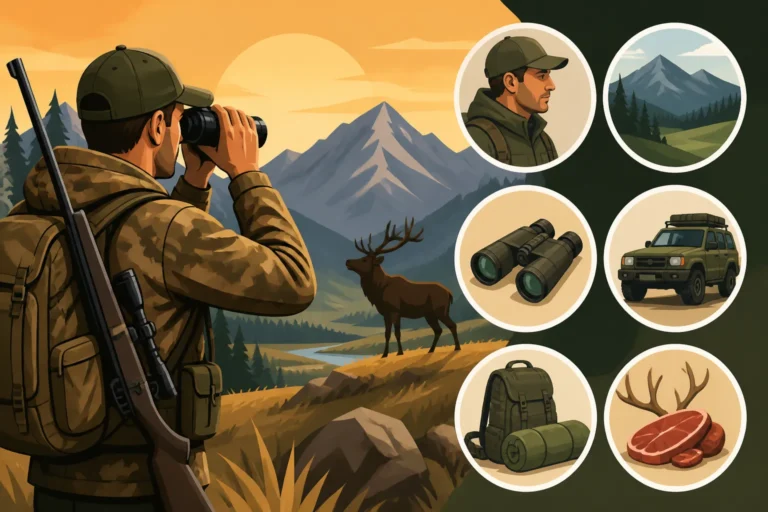
When you hear "guided hunt" in Montana, it's not a one-size-fits-all package. There's a spectrum of services available, each offering a different level of support and immersion. At one end, you have the fully guided, all-inclusive experience. This often means your lodging, meals, field transportation (horses, ATVs, trucks), and the expertise of a professional guide are all provided. You wake up, eat a hot breakfast, and head out with your guide who knows the land like the back of their hand, constantly scouting and looking for elk. When you're successful, they're the ones helping you field dress and pack out that hard-earned meat. This experience is about allowing you to focus almost entirely on the hunt itself, minimizing the logistical burdens.
Then there are semi-guided options, which might include lodging and some meals, but you're largely responsible for your own transportation and may only meet your guide for a few hours each day to get pointed in the right direction or for advice. And finally, there are drop camps. This is where an outfitter packs you and your gear into a remote location, sets up a rudimentary camp, and leaves you to hunt independently, returning at a pre-arranged time to pack you and any game out. Each of these options serves a different kind of hunter and comes with varying levels of service and, consequently, cost. They all, however, aim to enhance your hunting experience by providing some form of support or access.
The Core Financial Considerations
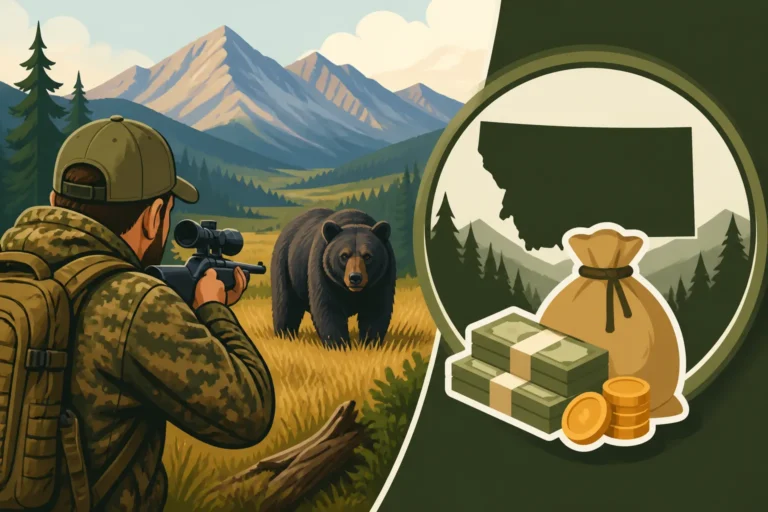
Let's not beat around the bush: a guided elk hunt in Montana is a significant investment. The cost isn't fixed; it varies wildly depending on several factors. Is it a wilderness pack-in hunt requiring horses and multiple wranglers? Is it a private ranch hunt with comfortable lodging and a gourmet chef? How many days will you be hunting? Is it a one-on-one guide-to-hunter ratio, or will you be sharing a guide with another hunter? All these elements contribute to the final price tag.
You'll also need to factor in your license and tag costs, which for nonresidents can be substantial on their own, often drawing into special combination packages. Beyond the base hunt price, consider travel to Montana, meat processing, taxidermy if you're going for a trophy, and, importantly, a gratuity for your hard-working guide and camp staff. It's crucial to get a detailed breakdown from any outfitter you're considering to understand exactly what's included and what additional expenses you'll incur. Platforms like BookYourHunt can be a great starting point for seeing the range of options and pricing structures out there. For a deeper dive into the numbers, you might want to read up on Montana Guided Elk Hunt Cost.
The Advantages of Venturing with a Montana Outfitter
Now that we understand the basics, let's explore why so many hunters, year after year, decide that a guided hunt is indeed worth it for them. The benefits often boil down to leveraging expertise, increasing efficiency, and gaining access that would be difficult or impossible to secure on your own.
Expertise and Local Knowledge at Your Fingertips
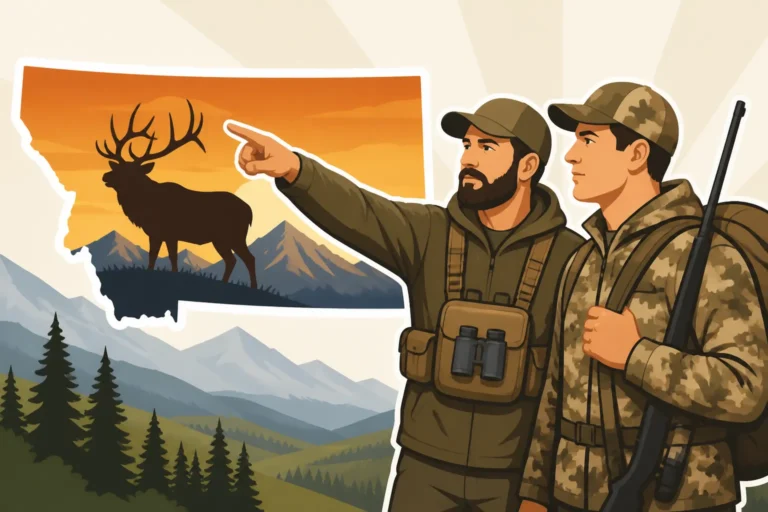
Imagine trying to navigate tens of thousands of acres of unfamiliar mountain terrain, trying to pinpoint where the elk might be on any given day. It's an overwhelming prospect for anyone, especially a first-time Montana hunter. This is where an outfitter truly shines. Guides spend countless days, weeks, and even months in the field, year-round, scouting and learning the nuances of their hunting areas. They know the summer feeding grounds, the fall migration routes, the bedding areas, and where elk go when hunter pressure increases or when the weather changes drastically. This isn't just theory; it's practical, boots-on-the-ground knowledge gained over years, often generations.
They understand elk behavior in that specific drainage or that particular timber patch. They know which wallows are active, which ridges provide the best vantage points for glassing, and how the thermals behave in different parts of the day. This intimate understanding of the landscape and the animals' habits is incredibly valuable. It’s like having a living, breathing Montana Hunt Planner Maps Explained and a seasoned wildlife biologist rolled into one, guiding your every step. They can adapt on the fly, reacting to fresh tracks, shifting winds, or even just a gut feeling, which dramatically increases your chances of encountering elk.
Maximizing Your Chances and Minimizing Your Stress
One of the biggest draws of a guided hunt is the promise of a higher success rate, or at least a significantly improved chance of seeing elk and having a shot opportunity. Outfitters are professionals whose business depends on client satisfaction, so they are highly motivated to put you on animals. They have the equipment, the manpower, and the experience to make the most of your hunting days. Think about it: instead of spending your precious hunting time setting up camp, cooking meals, or struggling with a GPS, you're focused on the hunt itself.
Beyond just finding elk, a guide is instrumental in the entire process. From setting up the perfect calling sequence using How to Call Elk in Montana techniques to helping you plan a stalk on a bedded bull, their presence can be a game-changer. And, crucially, once an animal is down, the guide and their team are there to help with the heavy lifting—field dressing, quartering, and packing out the meat. This isn't just about convenience; packing out an elk can be one of the most physically demanding parts of the hunt, especially in rugged backcountry. Having experienced help means the difference between a successful, manageable pack-out and a potentially dangerous, exhausting ordeal. This support minimizes the stress and maximizes your enjoyment of the hunt, allowing you to truly savor the experience of being in Montana's wilderness.
Access to Prime Hunting Grounds
For many nonresident hunters, or even residents unfamiliar with vast swaths of the state, gaining access to prime hunting land can be a significant hurdle. Montana has an incredible amount of public land, but it's not all created equal, and some areas receive heavy pressure. Outfitters often have the advantage of holding leases on private ranches, which can offer exclusive access to prime elk habitat. These private lands might border wilderness areas, provide critical winter range, or simply hold healthy populations of elk that see less hunting pressure than animals on public land. This can dramatically increase the quality of the hunting experience and the potential for encountering mature animals.
Even on public land, outfitters have an edge. They frequently operate under special use permits for National Forests or BLM lands, allowing them to establish base camps in areas that might be difficult for the average DIY hunter to access or sustain a multi-day hunt from. They know the hidden trailheads, the best spots for How to Find Elk in Montana Dark Timber, and the specific areas where elk seek refuge from pressure. This "insider" access, whether through private land agreements or intimate knowledge of public land honey holes, is a huge benefit that can be nearly impossible for a solo or small group DIY hunter to replicate. It's not about being handed an animal, but about being consistently put in situations where opportunities arise, which is often the biggest battle in elk hunting.
Weighing the Trade-offs: When DIY Might Still Be Your Path
While a guided hunt offers undeniable advantages, it's not the right fit for everyone. There are significant trade-offs to consider, particularly concerning the financial commitment and the desire for a completely self-reliant experience.
The Significant Financial Commitment
Let's address the elephant in the room again: the cost. A guided Montana elk hunt can range from several thousand dollars to well over ten thousand, depending on the outfitter, the type of hunt, and the level of luxury involved. When you factor in the license and tag fees, travel expenses, gear, and tips, you're looking at a substantial sum. This financial outlay is often the primary reason hunters choose the DIY route, even with its inherent challenges.
For many, a guided hunt might be a once-in-a-lifetime trip, something they save for years to experience. For others, particularly those who hunt frequently, the cost simply makes it unsustainable for regular outings. A DIY hunt, while still requiring an investment in licenses, gear, and travel, allows for a much more flexible budget. You can choose to rough it in a spike camp, cook your own meals, and drive your own vehicle, significantly reducing expenses. This allows hunters to prioritize more frequent trips or to spread their budget across different hunting opportunities. It’s a matter of weighing the value of the services provided against the direct financial impact on your wallet and future hunting plans.
Sacrificing Full Independence and Control
For a certain breed of hunter, the true essence of the hunt lies in the complete independence of a do-it-yourself adventure. The satisfaction comes not just from harvesting an animal, but from the entire process of planning, scouting, navigating, strategizing, and ultimately, relying solely on your own skills and decisions. A guided hunt, by its very nature, means relinquishing a degree of that control. You're following the guide's lead, adhering to their schedule, and often hunting their preferred spots using their methods.
While the guide's expertise is a huge asset, some hunters find that it takes away from the personal challenge and the feeling of having earned the experience entirely on their own terms. There's a profound sense of accomplishment that comes from studying maps like those from How to E-Scout Montana Hunting Units, packing your own gear into the backcountry, making a crucial decision based on your own judgment, and ultimately, being successful through sheer grit and self-reliance. If the journey of self-discovery and the raw, independent spirit of the hunt are paramount to you, then a guided trip, while successful, might leave you feeling like a passenger rather than the captain of your own adventure. This is where Montana DIY Elk Hunting Guide resources become invaluable.
Potential for Disappointment
It's a harsh truth that even with the best outfitter and an experienced guide, there are no guarantees in hunting. Elk are wild animals, and they don't always cooperate. Weather can turn foul, making hunting impossible or pushing elk into inaccessible areas. Hunter pressure can shift animals unexpectedly. And sometimes, despite everyone's best efforts, opportunities just don't present themselves. Investing a significant amount of money and time into a guided hunt only to come home empty-handed can be a tough pill to swallow.
While outfitters strive for high success rates, it's important to approach a guided hunt with realistic expectations. A good outfitter will be transparent about their typical success rates, but it's crucial to remember that "opportunity rate" (seeing huntable animals) is different from "kill rate." Your shooting proficiency, physical conditioning (it's still a physically demanding hunt!), and even a bit of luck will still play a role. It’s vital to vet your outfitter thoroughly, ask for references, and understand what happens if the hunt doesn't go as planned. Reading guides like Red Flags When Booking a Montana Outfitter can help temper expectations and avoid common pitfalls.
Making the Decision: Is a Guided Hunt Right for You?
Ultimately, the question of whether a guided Montana elk hunt is "worth it" comes down to your personal circumstances, preferences, and priorities. There's no universal right or wrong answer, just the best choice for you.
Factors to Consider Before Booking
Before you even start looking at outfitters, take a moment to honestly assess your own situation.
- Experience Level: Are you a seasoned elk hunter familiar with Western terrain, or is this your first foray into big game hunting in the mountains? Beginners often benefit immensely from the structured learning environment and immediate assistance a guide provides. For those new to the game, a guided hunt can be a fantastic way to learn the ropes of Montana Elk Hunting Methods Explained without getting completely overwhelmed.
- Budget: How much are you realistically prepared to spend? As we've discussed, guided hunts are a considerable financial commitment. Be honest about what you can afford comfortably.
- Time Constraints: Do you have the time to dedicate to extensive E-scouting, physical conditioning, and learning a new hunting area for a DIY hunt? Many busy professionals find that a guided hunt, with its pre-arranged logistics, is the only way they can fit a quality hunt into their schedule.
- Physical Fitness: While guides provide support, Montana elk hunting is inherently physically demanding. You'll still be hiking, climbing, and potentially dealing with extreme weather. How prepared are you for that? Even with a guide, you'll benefit from reviewing a How to Physically Prepare for a Montana Elk Hunt plan.
- Hunting Goals: Are you chasing a trophy bull, or is filling the freezer your primary objective? Some outfitters specialize in trophy hunts, while others focus on providing a solid meat hunt opportunity.
- Desire for Comfort: Do you prefer a warm lodge and hearty meals after a long day, or are you perfectly content with freeze-dried food and a sleeping bag under the stars? Guided options cater to both, but the level of comfort often correlates with price.
Use these questions as a personal checklist. Platforms like GoHunt or BookYourHunt allow you to filter outfitters by these very criteria, helping you narrow down choices that align with your answers.
Researching and Vetting Outfitters
Once you've decided a guided hunt might be for you, the next critical step is thorough research. This isn't just booking a hotel; you're entrusting your precious hunting time and significant investment to these professionals.
Start by looking at outfitters operating in the regions of Montana you're interested in. Pay close attention to their experience, how long they've been in business, and their specific hunting areas. A great resource for this initial phase is to read up on How to Choose a Montana Hunting Outfitter. Don't be afraid to dig deep and ask plenty of questions:
- What's their philosophy on hunting? Do they prioritize fair chase and ethical hunting practices?
- What are their typical guide-to-hunter ratios?
- What's included in the price, and what are the hidden costs?
- Can they provide references from past clients? Contact these references and ask candid questions about their experience.
- What are their success rates, and how do they define "success"? (Opportunity vs. Harvest)
- What kind of terrain will you be hunting? What level of physical fitness is required?
- How do they handle game retrieval and meat care in the field? This is a crucial detail for ensuring your meat makes it home safely.
- Are they properly licensed and insured in Montana? This is non-negotiable.
A reputable outfitter will be transparent and happy to answer all your questions. Be wary of anyone who seems evasive or promises guaranteed success. You can also gain valuable insights by checking out resources like What to Expect on a Guided Montana Elk Hunt to better prepare your questions.
Maximizing the Value of Your Guided Experience
Even if you've booked a fully guided trip, your personal effort will significantly impact your experience and success. A guided hunt isn't a passive activity; it's a partnership between you and your guide.
First and foremost, arrive in the best physical shape possible. Elk hunting in Montana, whether guided or DIY, is physically demanding. The fitter you are, the more ground you can cover, the better you can recover from long days, and the more opportunities you'll have. Secondly, practice your shooting extensively. Know your rifle or bow inside and out, and be confident in your ability to make an ethical shot at various distances and angles you might encounter in the mountains. Thirdly, communicate openly and honestly with your guide. Tell them your goals, your physical limitations, and your preferences. The more information they have, the better they can tailor the hunt to you. Finally, come with a positive attitude and realistic expectations. The mountains are wild, and a hunt is an adventure. Sometimes it's the challenges and the camaraderie, rather than just the harvest, that make the experience truly unforgettable. Ultimately, reading How to Book a Montana Hunting Guide can provide even more perspective on this journey.
Comparison: DIY vs. Guided Montana Elk Hunt
| Feature | DIY Hunt | Guided Hunt |
|---|---|---|
| Cost | Generally Lower (Licenses, Gear, Travel) | Significantly Higher (Includes Outfitter Fees) |
| Effort/Planning | High (Scouting, Logistics, Navigation) | Low to Moderate (Outfitter Handles Most) |
| Local Knowledge | Acquired through personal research/experience | Provided by Expert Guides |
| Access | Limited to Public Land/Permission You Secure | Often Includes Private Land/Remote Camps |
| Physical Demand | High (Packing own gear/meat) | Still High (Guide assists with packing) |
| Independence | Complete Control and Self-Reliance | Follows Guide's Lead and Schedule |
| Success Rate | Varies widely, often lower for beginners | Generally higher due to expertise/access |
| Logistics | All aspects (camp, food, transport) are yours | Handled by Outfitter |
| Learning Curve | Steep, trial-and-error | Faster, learning from experienced pros |
Disclaimer
This article is for general informational purposes only and does not constitute professional advice. Laws, prices and regulations vary by location and change over time. Consult a qualified professional for guidance on your specific situation.