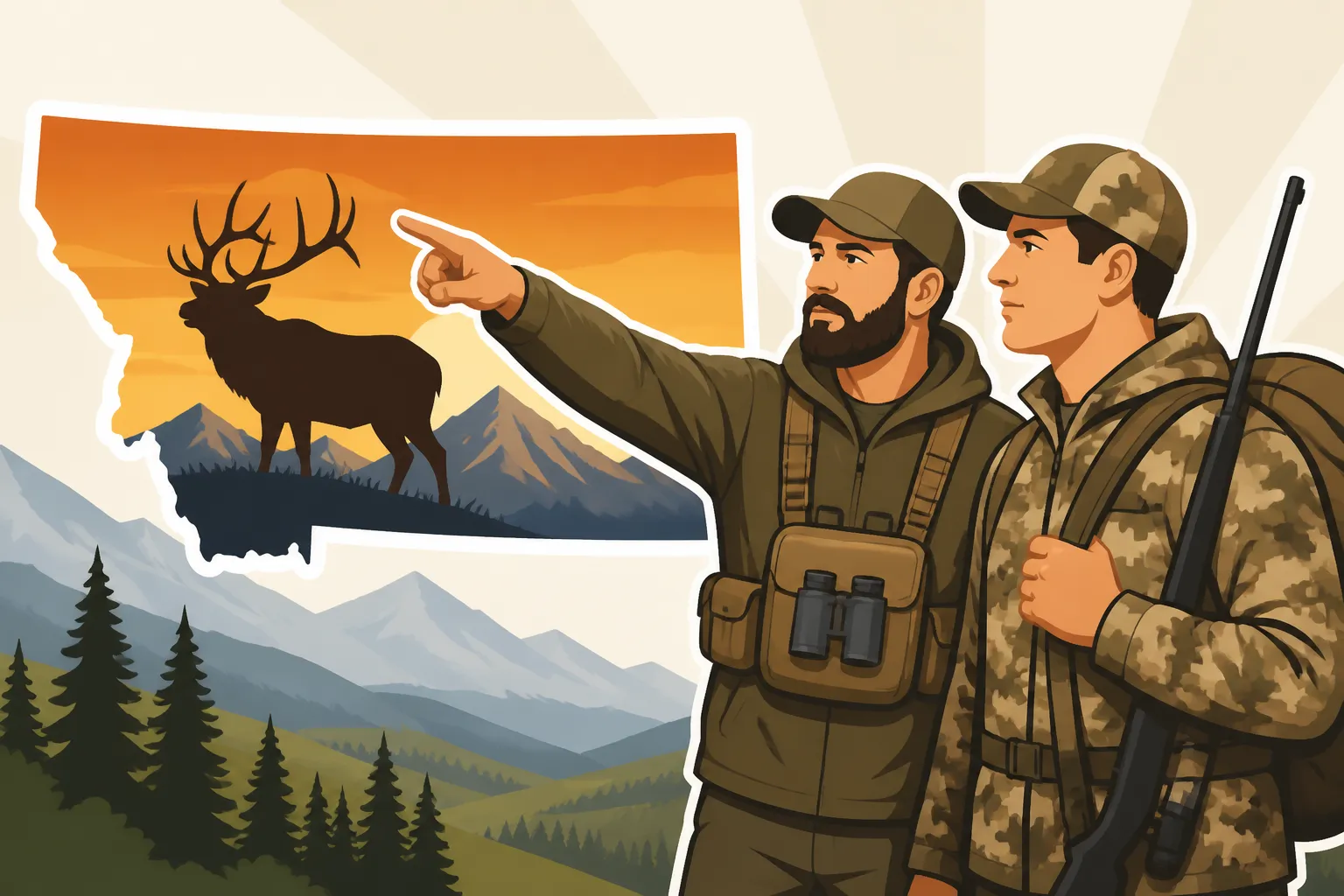
How to Find a Reputable Montana Guide
Planning a hunt in the vast, wild landscapes of Montana is an absolute dream for many, but the excitement can quickly turn to apprehension when you start to consider all the moving parts. One of the biggest hurdles, especially for those new to the state or hunting specific species, is finding a reputable guide who can truly deliver an unforgettable, safe, and successful experience. It's not just about spending money; it's about investing your precious time and hopes into what could be a once-in-a-lifetime adventure. This guide is here to walk you through the process of sifting through the options and finding a Montana guide you can trust.
Why Finding a Reputable Guide Matters for Your Montana Hunt
Let's be honest, the thought of dropping a significant amount of money on a guided hunt, only for it to fall flat, is enough to make anyone anxious. Montana offers some incredible hunting opportunities, from towering bull elk in the mountains to swift antelope on the plains, but navigating this immense terrain and animal behavior often requires local expertise. A reputable guide is more than just someone who knows the land; they are your partner, your mentor, and ultimately, a huge factor in the success and enjoyment of your trip.
The Investment Isn't Just Financial
When you book a guided hunt, you're not just paying for a few days in the field. You're investing your valuable vacation time, the effort you put into physical preparation, and the mental energy spent dreaming and planning. Imagine taking time off work, traveling across the country, and then discovering your guide is unorganized, unfamiliar with the area, or worse, unethical. That's a heartache no hunter wants to experience. A good guide understands this investment and works tirelessly to ensure your experience is rewarding, regardless of whether you punch a tag or not. They provide the peace of mind that comes from knowing you're in capable hands, allowing you to focus on the thrill of the hunt.
Maximizing Your Hunting Experience
Montana is known for its challenging terrain and wily game. A reputable guide brings years of experience to the table, possessing an intimate knowledge of game patterns, local habitat, and effective hunting strategies. They know how to call elk in Montana, where to spot-and-stalk mule deer, and when to expect animals to be moving based on weather and time of year. This expertise translates into a vastly improved hunting experience. They can put you in positions you'd never find on your own, teach you invaluable skills, and increase your odds of success. They also have the gear, the logistics, and the backup plans covered, freeing you from a huge mental load. For example, knowing how to plan a Montana backpack elk hunt takes specific knowledge that a good outfitter will have down to a science.
Safety and Ethical Practices
Beyond success, safety is paramount. Montana's backcountry can be unforgiving, with unpredictable weather, rough terrain, and large, powerful animals. A reputable guide prioritizes your safety above all else. They are trained in first aid, carry appropriate safety equipment, and know how to navigate challenging situations. Furthermore, they operate within the bounds of all hunting regulations, upholding ethical hunting practices that respect the animals and the land. They won't cut corners or engage in questionable activities just to get an animal. This commitment to safety and ethics is a non-negotiable aspect of a truly professional operation, and it's a huge reason why finding someone reputable is so important.
Initial Steps to Researching Montana Guides
So, where do you even begin looking for a guide? The sheer number of options can feel overwhelming. It's like trying to find a needle in a haystack, especially when everyone online claims to be the best. But don't fret; there are tried-and-true methods to narrow down your choices and start building a list of strong contenders.
Start with Online Directories and Platforms
In our digital age, online platforms are a natural starting point. Websites like BookYourHunt and GoHunt have become popular resources for connecting hunters with outfitters. These platforms often feature searchable databases, allowing you to filter by species, region, hunt style (e.g., archery or rifle), and even price range. You can usually find profiles for each outfitter, often including photos, descriptions of their services, and testimonials from past clients.
While these sites are convenient for initial discovery, remember to treat them as a launching pad, not the final word. Don't simply pick the first outfitter you see with a pretty website. Dig deeper into their listed details. For instance, if you're looking for a Montana archery elk hunt, these platforms can help you find outfitters specializing in that. However, the next step is always to verify and validate everything you find there. Use these platforms to generate a list of potential candidates, then move on to more in-depth research.
Leveraging State Resources and Associations
One of the most reliable sources of information is directly from the state itself or its professional organizations. The Montana Fish, Wildlife & Parks (FWP) website is a treasure trove of information, though it might not list individual outfitters directly, it provides regulations and context for Montana hunting districts explained. More importantly, the Montana Outfitters and Guides Association (MOGA) is the official organization for licensed outfitters and guides in the state. Membership in MOGA indicates a commitment to professional standards and ethical practices, as members must adhere to a code of conduct.
Checking if a guide is a member of MOGA is an excellent first step in verifying their legitimacy. While not all good guides are members, many of the best are. The association often has a directory that can help you find licensed operations. This approach lends a layer of credibility that online-only searches sometimes lack, giving you confidence that the guide has met certain benchmarks for legal operation in Montana.
Harnessing the Power of Word-of-Mouth
In the hunting world, word-of-mouth recommendations carry immense weight. Talk to fellow hunters, visit online forums, or join hunting groups on social media. People love to share their good (and bad) experiences. A personal recommendation from someone you trust who has hunted with a particular guide can be invaluable. This informal network often provides candid insights that you won't find on a polished website or official directory.
When gathering word-of-mouth information, don't just ask "Was it good?" Probe deeper. Ask about the guide's personality, their knowledge of the area, their camp setup, the quality of the food, how they handled unexpected challenges, and even how they manage expectations. Listen for consistency in positive feedback from multiple sources, as this helps validate the guide's reputation. This kind of authentic feedback often paints the clearest picture of what to truly expect on a guided hunt.
Digging Deeper: Vetting Potential Guides
Once you have a shortlist of potential guides, it's time to put on your detective hat. This is the stage where you move beyond surface-level information and start asking the tough questions. Don't be afraid to be thorough; a reputable guide will welcome your inquiries and be transparent with their answers.
Essential Questions to Ask Every Outfitter
When you get an outfitter on the phone or through email, have a list of questions ready. This ensures you cover all your bases and compare apples to apples when evaluating different operations. Here's a table of crucial questions to ask:
| Category | Key Questions to Ask | Why It Matters |
|---|---|---|
| Experience | How long have you been guiding in this specific area? | Indicates their familiarity with local game, terrain, and weather patterns. |
| What species do you primarily guide for? | Ensures their expertise aligns with your target animal, e.g., Montana Elk Hunting. | |
| Logistics | What is included in the hunt package? (Food, lodging, transportation, field care) | Clarifies costs and helps avoid hidden fees or unmet expectations. |
| What's a typical daily schedule like? | Gives insight into their hunting style and intensity. | |
| What's your success rate (opportunities vs. harvest)? | Provides a realistic expectation of tagging an animal. | |
| Ethical & Legal | Are you licensed and insured in Montana? Can I see proof? | Crucial for legal operation and your protection. |
| What's your philosophy on ethical hunting? | Ensures alignment with your values and responsible practices. | |
| How do you handle wounded animals? | Shows their commitment to ethical recovery and animal welfare. | |
| Client Support | Can you provide references from recent clients (last 1-2 years)? | Allows you to hear firsthand experiences from others. |
| What happens if I need to cancel or if there's an emergency? | Clarifies cancellation policies and safety protocols. | |
| Expectations | What physical conditioning is required for this hunt? | Helps you prepare adequately and manage your own expectations. |
| What gear should I bring, and what do you provide? | Essential for packing and ensuring you have the right equipment. |
Go through each question carefully. Pay attention not just to what they say, but how they say it. Do they sound confident, transparent, and patient? Or do they seem evasive or rushed? A good outfitter will take the time to answer all your questions thoroughly.
Understanding Licenses, Insurance, and Permits
This might sound like boring paperwork, but it's critically important. In Montana, all outfitters and guides are required to be licensed by the Board of Outfitters. This license ensures they meet certain professional and safety standards. Ask for their Montana Outfitter and Guide license number and verify it with the state. You can often do this through the Montana Department of Labor & Industry website. A legitimate outfitter will have no problem providing this information.
Beyond licensing, ask about their insurance. Reputable outfitters carry liability insurance to protect both themselves and their clients in case of accidents or unforeseen events. While you hope you'll never need it, knowing they're properly insured offers peace of mind. Lastly, clarify what permits are needed for the specific area and species you're hunting. Are you hunting in a general unit or one that requires a special Montana limited entry permits explained? A good guide will be well-versed in the specific Montana hunting seasons explained and tag requirements for the areas they operate in, and they will help you navigate this complex landscape.
Scrutinizing References and Online Reviews
This is perhaps one of the most vital steps. A good outfitter will readily provide a list of recent references. When you call these references, don't just ask, "Did you have fun?" Dig deeper. Ask about the guide's professionalism, their knowledge, the quality of their gear, the food, the accommodations, and how they handled the hunting pressure or any unexpected challenges. Ask if they would hunt with that guide again, and why or why not. Listen for specific details and genuine enthusiasm, or any hesitation.
Beyond provided references, actively seek out unbiased online reviews. Look at Google Reviews, Facebook pages, and hunting forums. Websites like GoHunt might have community forums where hunters discuss their experiences. Be wary of an outfitter with no online presence or exclusively five-star reviews, as that can sometimes be a red flag. A few honest, constructive criticisms or minor issues resolved professionally can actually speak volumes about an outfitter's integrity. Remember, everyone has an off day, but consistent patterns of negative feedback should give you pause.
Red Flags and How to Avoid Them
As much as we hope every outfitter is honest and professional, the reality is that some less-than-reputable operators exist. Knowing what to look out for can save you a lot of heartache, disappointment, and money. Trust your gut feeling throughout this process.
Unrealistic Promises and Guaranteed Kills
This is probably the biggest red flag in the hunting world. A truly reputable Montana guide will never guarantee a kill. Hunting is called hunting for a reason – there are no guarantees. Wildlife is unpredictable, weather changes, and skill levels vary. An outfitter who promises "100% success rates" or "guaranteed Boone & Crockett bulls" is making an unrealistic claim. What they can promise is a 100% effort, a great experience, and putting you in the best possible position to succeed.
Focus instead on an outfitter's "opportunity rate." An opportunity rate tells you how often clients get a shot at their target animal, which is a much more realistic metric. If an outfitter tries to lure you in with grandiose promises that sound too good to be true, they almost certainly are. It’s better to go into a hunt with realistic expectations and be pleasantly surprised than to be promised the world and left utterly disappointed. This ties into Montana guided hunt success rates — understanding the reality behind the numbers is key.
Lack of Transparency and Poor Communication
If an outfitter is vague about their services, unwilling to provide detailed answers to your questions, or takes an unusually long time to respond to inquiries, consider it a warning. Clear, consistent, and prompt communication is a hallmark of professionalism. They should be transparent about pricing, what's included (and what's not), their license status, and their hunting philosophy. If you feel like you're pulling teeth to get basic information, imagine how difficult communication might be when you're actually on the hunt and facing a real-time challenge.
Furthermore, if they seem unwilling to provide references or deflect your requests for them, that's a serious red flag. An outfitter with nothing to hide will be open and honest throughout your vetting process. Trust your instinct if something feels off about their communication style or level of transparency.
Pricing That Seems Too Good to Be True
Everyone loves a good deal, but extremely low prices in the guided hunting world can often signal compromised quality, cut corners, or even illegal operations. A high-quality guided hunt in Montana involves significant costs for the outfitter: guide wages, insurance, food, fuel, gear maintenance, horse care, permits, and more. If an outfitter is drastically undercutting the market rate for a similar type of hunt, it's wise to be suspicious.
While I can't provide specific costs, you can research the general range of Montana guided elk hunt cost from various reputable sources to get an idea of what a fair price looks like. Be realistic about what a quality experience entails, and recognize that paying a bit more upfront for a reputable guide often saves you from a much larger disappointment and wasted trip down the line. Balance cost with perceived value and reputation, rather than just chasing the cheapest option.
The Booking Process and What to Expect
Once you've done your due diligence and identified a guide you feel confident in, the next step is to formalize the arrangements. This usually involves a contract and understanding payment terms.
Reviewing Contracts and Payment Schedules
A professional outfitter will provide a written contract outlining all the details of your hunt. This contract should clearly state:
- The dates of your hunt
- The species you'll be pursuing
- What's included in the price (e.g., meals, lodging, guide services, field care of game, transportation from a specific meeting point)
- What's not included (e.g., licenses, tags, meat processing, taxidermy, personal gear)
- The total cost and the payment schedule (typically a deposit upfront and the remainder due before or upon arrival)
- Cancellation and refund policies
- Liability waivers and safety protocols
Read this contract carefully, and don't hesitate to ask for clarification on any points you don't understand before you sign. Pay particular attention to the cancellation policy. Life happens, and you want to know what your options are if you have to postpone or cancel your trip. Ensure the payment schedule is clear and reasonable. Most outfitters require a deposit to hold your spot, with the balance due closer to the hunt date. This protects both parties.
Preparing for Your Guided Hunt
Once booked, your guide should provide you with a comprehensive packing list and details on how to prepare for your hunt. This might include recommendations for specific gear, physical conditioning requirements, and information about the hunting area. For instance, if you're hunting high-country elk, they might suggest specific boots, layering systems, and a strenuous fitness regimen, possibly referencing How to physically prepare for a Montana elk hunt.
Take their advice seriously. Your guide knows the terrain, the weather, and the demands of the hunt better than anyone. If they recommend certain boots or a specific caliber rifle, it's based on experience. Start your physical conditioning well in advance, especially for physically demanding hunts like a Montana backcountry hunting guide experience. The more prepared you are, the more you'll enjoy the hunt, and the better your chances of success will be. Communication remains key here; if you have questions about preparation or gear, reach out to your guide.
Making the Most of Your Guided Montana Hunt
You've found your guide, you've done your prep, and now the adventure is here! But the guide's job isn't the only one; you have a role to play in making your hunt a success and fostering a great relationship.
Communication During the Hunt
Once you're in the field, open and honest communication with your guide is paramount. Don't be afraid to ask questions, voice concerns (politely, of course), or share your observations. If you're physically struggling, let them know. If you're unclear on a strategy or what to do in a specific situation, speak up. A good guide appreciates this input and can adjust plans as needed.
Remember, your guide is there to help you, but they aren't mind readers. Discuss your preferences – for example, if you want to push hard for a trophy bull or are content with a meat animal, make that clear early on. The more you communicate your expectations and capabilities, the better your guide can tailor the hunt to you, even if that means adjusting tactics from typical Montana rifle elk hunting guide strategies to something more suited to your abilities.
Post-Hunt Follow-Up and Feedback
After the hunt concludes, whether successful or not, take the time to provide feedback to your guide. A simple thank you goes a long way. If you had an exceptional experience, consider writing a positive review, sending photos, and becoming a reference for future clients. This helps the guide's business and supports the hunting community.
If you had constructive criticism, offer it respectfully and directly to the outfitter. Reputable outfitters value feedback as it helps them improve their services. Tipping your guide is also customary and a great way to show your appreciation for their hard work and dedication. It's an industry standard that acknowledges the long hours, tough conditions, and commitment they bring to your experience. Your feedback, whether positive or constructive, contributes to the overall quality and integrity of the Montana guiding industry.
Disclaimer
This article is for general informational purposes only and does not constitute professional advice. Laws, prices and regulations vary by location and change over time. Consult a qualified professional for guidance on your specific situation.