Best Montana Drop Camp Outfitters
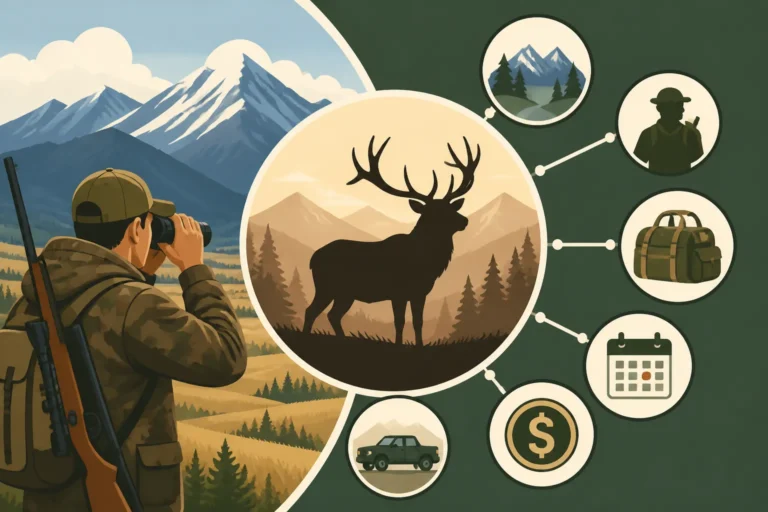
Hunting in Montana's vast wilderness is a dream for many, but the sheer logistics of a full DIY backcountry trip can feel completely overwhelming. From packing in all your gear for miles to setting up a comfortable camp, it's a huge undertaking that not everyone has the time, experience, or physical ability to tackle solo. That's where a Montana drop camp comes in, offering a fantastic middle-ground solution, and this guide will help you understand what they are, why they're so popular, and how to pick the best outfitter for your adventure.
What Exactly is a Montana Drop Camp Hunt?
A drop camp hunt in Montana is an experience designed to give you the independence of a do-it-yourself hunt with the crucial support of an outfitter. Essentially, the outfitter handles the heavy lifting of getting you and your gear into a remote, pre-scouted location in the backcountry, setting up a camp for you, and then picking you up at a predetermined time. You're left to hunt on your own, making your own decisions, experiencing the wilderness on your terms, but without the monumental effort of hauling everything in and out yourself.
Think of it as a wilderness Airbnb for hunters. The outfitter often uses horses, mules, or sometimes even ATVs (where permitted and practical) to transport you, your food, your hunting gear, and their camp equipment to a designated spot deep in an elk or deer rich area. They set up a sturdy wall tent, complete with a stove for heat, cots for sleeping, and sometimes even a cooking area. They might cache water or provide a filtration system, and often have bear-resistant food storage options. Once the camp is established and you're settled in, they leave you to your hunt, returning at a scheduled time to pack you, your camp, and hopefully your game out.
This model contrasts sharply with a fully guided hunt, where a guide is with you every step of the way, leading the hunt, calling animals, and assisting with every aspect of the experience. It also differs significantly from a true DIY hunt, where you are responsible for every single detail, from carrying your pack and tent to planning all your logistics and finding your own hunting grounds. A drop camp is perfect for hunters who have confidence in their hunting skills, their navigation abilities, and their backcountry survival knowledge, but want to shave off the intense physical labor and logistical headache of a full pack-in. It's often a more budget-friendly option than a fully guided hunt, too.
The Services an Outfitter Typically Provides
When you book a Montana drop camp, you’re primarily paying for access and infrastructure. The outfitter’s main role is to get you into a remote area and ensure you have a comfortable, well-equipped base camp. This usually includes animal transportation, whether it's horses or mules carrying your gear to the site, or even riding animals for you if the terrain demands it. They’ll usually set up a wall tent or similar robust shelter, which is crucial for staying warm and dry in unpredictable mountain weather. Inside, you can expect cots for sleeping, a wood stove for heat and cooking, and sometimes basic cooking utensils.
Beyond the camp itself, many outfitters provide assistance with game retrieval. This is a huge benefit, as packing out a whole elk or even a mule deer can be one of the most physically demanding parts of a backcountry hunt. They might provide pack animals specifically for this purpose, or at least help coordinate the logistics for getting your hard-earned meat back to civilization. Water sources or filtration, bear-resistant food lockers, and even a satellite communication device for emergencies might also be part of the package. It's truly about getting you established and equipped to hunt independently, while minimizing the "roughing it" aspect that can deter some hunters from deep backcountry expeditions.
What You're Still Responsible For
Even with a drop camp, a significant portion of the hunt remains your responsibility. Foremost, you are the hunter, meaning you're in charge of your own scouting, tracking, and game pursuits. The outfitter won't be with you to point out elk or help you make decisions in the field. You'll need to know how to navigate the terrain, understand animal behavior, and execute your hunting strategy. This requires solid backcountry skills, including map reading, GPS proficiency, and a good understanding of wilderness safety. You might find our Montana Backcountry Hunting Guide helpful for this aspect.
Furthermore, you're responsible for all your personal gear, food, and hunting equipment. While the outfitter provides the main camp, you'll need your sleeping bag, personal clothing, rifle or bow, ammunition, optics, and anything else you rely on for a successful and safe hunt. Food is a big one – planning and packing nutritious meals for the duration of your trip is entirely on you. You'll also be responsible for field dressing your animal and getting it back to camp, even if the outfitter assists with the final pack-out. This demands physical fitness and a readiness to handle the realities of big game retrieval in rugged country. Remember, a drop camp provides the logistical foundation, but the success of the hunt ultimately rests on your shoulders and your skills.
Why Choose a Drop Camp for Your Montana Hunt?
The allure of a Montana drop camp is powerful for many hunters, hitting that sweet spot between a fully self-reliant wilderness trek and a hand-held guided experience. It grants an unparalleled sense of independence and adventure, allowing you to immerse yourself in the vastness of Montana's landscapes without being tethered to a guide's schedule or strategy. You get to make all the tactical decisions, from where to hunt each day to how long to sit on a ridge glassing, giving you a truly personalized hunting experience.
Moreover, drop camps often allow access to more remote, less pressured areas than those easily reachable by foot or road. Outfitters know these hidden gems, having established routes and camps in prime habitat that would be incredibly difficult for an individual hunter to access and set up independently. This increased remoteness can often translate to better hunting opportunities, as animals in these areas might be less wary of human presence. It’s also a fantastic way to experience the challenge of a backcountry hunt without the sheer physical exhaustion of packing a heavy camp on your back for days. For many, it's the pinnacle of a challenging yet supported wilderness hunt.
The Freedom of Independence
One of the biggest draws of a drop camp is the incredible freedom it offers. Unlike a guided hunt where you often follow the guide's lead and schedule, a drop camp puts you in the driver's seat. You decide when to wake up, where to hunt, and when to return to camp. This autonomy allows you to adapt your strategy to weather conditions, animal movement, and your own energy levels. If you want to spend an entire day still-hunting a dark timber ridge, you can. If you want to sit on a high point and glass all day, that's your call too. This level of control over your hunt is deeply satisfying for experienced hunters who cherish their personal methods and instincts.
This independence also extends to your hunting party. If you're hunting with a group of friends or family, a drop camp fosters a communal and self-sufficient atmosphere. You're all relying on each other, sharing responsibilities, and celebrating successes together. It builds camaraderie in a way that can be harder to achieve when a third-party guide is dictating the pace. It's an opportunity to truly test your skills and bond with your hunting partners in a raw, untamed environment. Check out our advice on Montana DIY Elk Hunting Guide for more on building those self-reliant skills.
Cost-Effectiveness Compared to Fully Guided Hunts
Let's be real, a hunting trip to Montana, especially for big game, can be a significant investment. Fully guided hunts, while offering a fantastic experience, often come with a substantial price tag due to the personalized attention, expertise, and services of a professional guide. Drop camps, on the other hand, typically represent a more cost-effective option. You're essentially paying for transportation and camp setup, not for daily guiding services.
While still an investment, the reduced cost can make a dream backcountry hunt more accessible for many hunters. This savings can then be allocated to other crucial aspects of your trip, such as higher-quality gear, better optics, or even allowing for a longer stay in the field. It allows you to experience the solitude and challenge of hunting deep in Montana’s wilderness without breaking the bank that a full-service guide might command. Understanding the difference in pricing models can be a game-changer for budgeting your trip; you can find more details in our Montana Guided Elk Hunt Cost article.
Access to Remote, Less Pressured Areas
Montana is vast, but accessible hunting grounds, especially those holding significant numbers of trophy animals, can see a lot of pressure during hunting season. One of the prime advantages of using a drop camp outfitter is their ability to get you into genuinely remote and less-pressured areas. These outfitters have permits to operate in specific wilderness areas, national forests, and other roadless territories that would be nearly impossible for the average hunter to reach with a full camp on their back.
By utilizing pack strings, outfitters can traverse miles of rugged terrain, crossing rivers, climbing steep passes, and reaching hidden basins where elk and deer feel secure. Animals in these areas are often less wary, offering a more natural hunting experience and potentially better success rates for patient and skilled hunters. The investment in a drop camp isn't just for convenience; it's an investment in accessing prime, undisturbed habitat that few others can reach, giving you a distinct advantage in the field. This can be especially valuable when you are scouting for trophy animals.
Key Considerations When Selecting a Drop Camp Outfitter
Choosing the right drop camp outfitter is paramount to the success and enjoyment of your Montana hunting trip. It's not just about who can get you into the woods; it's about finding a reputable professional who prioritizes safety, operates ethically, and delivers on their promises. There are so many variables at play when you're committing to a backcountry experience, from the reliability of their equipment to the honesty of their communication, that doing your homework thoroughly is non-negotiable.
You're placing a lot of trust in this individual or company to get you in, set you up, and, most importantly, get you out (and your game with you). An outfitter's reputation, their experience in specific hunting districts, and the clarity of their service agreement will all be critical factors. Don't rush this decision; ask tough questions, seek references, and ensure you feel comfortable with every aspect of their operation before you sign on the dotted line. A great outfitter can make your hunt unforgettable; a poor one can make it a nightmare.
Outfitter Reputation and Experience
The outfitter's reputation is your best friend when making this critical decision. You want someone with a proven track record, not just of getting hunters into camp, but also of providing reliable service, maintaining safe operations, and communicating clearly. Start by looking for outfitters who have been in business for a considerable time and specialize in drop camps in the areas you're interested in. An outfitter who has operated for decades in a particular national forest, for instance, will have an intimate knowledge of the terrain, weather patterns, and animal behavior in that specific area.
Don't hesitate to ask for references from past drop camp clients – and actually call them! Ask these references about their overall experience, the quality of the camp setup, the condition of the pack animals, and how responsive the outfitter was to any issues that arose. Were they picked up on time? Was the game retrieval process smooth? A reputable outfitter will be proud to share testimonials from satisfied clients. You can also check various hunting forums and online communities for unbiased reviews, though always take online opinions with a grain of salt and cross-reference.
Camp Amenities and Logistics
Details matter, especially when you're isolated in the backcountry. It's crucial to get a clear understanding of exactly what the drop camp includes. Will you have a sturdy, weather-proof wall tent, or something more basic? Are cots, sleeping pads, and a wood stove provided, or do you need to pack your own? What about cooking supplies, water filtration, and bear-resistant food storage? These amenities directly impact your comfort, safety, and ability to hunt effectively. A primitive camp means more gear for you to bring, which directly impacts your weight limits on the pack string.
Logistics are equally important. Discuss the exact ingress and egress points, the schedule for drop-off and pick-up, and contingency plans for emergencies or early game retrieval. What happens if you get an animal down on day one and need it packed out quickly to preserve the meat? What is the outfitter's plan if bad weather prevents them from reaching you on the scheduled pick-up day? These are not hypothetical questions but real-world scenarios that can arise in Montana's mountains. Ensure there's a clear communication plan, perhaps a satellite device, and a well-defined process for any unexpected situations. You might find our How to Set Up a Montana Spike Camp guide useful for comparing against what an outfitter provides.
Hunting District and Game Opportunities
Before you even start looking at outfitters, you should have a general idea of which Montana Hunting Districts (HDs) you're interested in. Outfitters typically operate under permits in specific areas, so matching your desired hunting grounds with an outfitter's operating zones is critical. Research potential districts for the species you're targeting – elk, mule deer, or both – and understand the draw odds and general success rates for those areas. Our Montana Hunting Districts Explained guide can be a great starting point for this research.
Once you've identified districts, ask the outfitter about their specific experience and success in those areas. Do they scout the locations for their drop camps thoroughly before the season? What kind of game sign have they been seeing? While no ethical outfitter can guarantee a kill, they should be able to provide realistic expectations based on the district's history, current conditions, and the time of year you plan to hunt. A good outfitter places their drop camps in areas known for consistent game presence, water sources, and strategic hunting advantages.
Finding and Vetting Montana Drop Camp Outfitters
The process of finding a reputable Montana drop camp outfitter can feel a bit like searching for a needle in a haystack, especially if you're new to the state or this type of hunt. The key is to leverage multiple resources and meticulously vet each potential candidate. Don't just pick the first name you see; invest the time now to ensure your hard-earned money and precious hunting time are well spent. This isn't just about booking a trip; it's about entrusting your wilderness experience to someone, and that deserves a thorough approach.
Begin your search broadly, using online platforms and professional associations, then narrow it down by focusing on direct communication, detailed questioning, and diligent reference checking. Remember, a good outfitter is a partner in your adventure, even if they aren't physically hunting with you. Their professionalism, reliability, and commitment to your safety and satisfaction are paramount. Take the process seriously, and you'll greatly increase your chances of a memorable and successful hunt.
Online Directories and Forums
A great place to begin your search for Montana drop camp outfitters is through online directories that specialize in connecting hunters with reputable operations. Websites like BookYourHunt often list numerous outfitters and allow you to filter by species, location, and type of hunt, including drop camps. These platforms often include reviews and contact information, making it easier to compare options initially. While convenient, remember to use these as a starting point and always conduct your own in-depth vetting beyond what's presented on the site.
Hunting forums and online communities dedicated to Montana hunting are also invaluable resources. Here, you can ask for recommendations, read firsthand accounts from other hunters, and sometimes even get direct contact information for outfitters that come highly recommended. Just be mindful that online discussions can be subjective; try to look for consistent themes and multiple positive (or negative) mentions about a particular outfitter. These digital spaces can provide a wealth of informal information that you might not find elsewhere.
Questions to Ask Potential Outfitters
Once you've compiled a list of potential outfitters, it's time to get on the phone and ask some detailed questions. Don't be shy – this is your hunt, and you deserve clear answers. Here's a table of essential questions to guide your conversations:
| Category | Key Questions to Ask |
|---|---|
| Experience & Licensing | How long have you been operating drop camps? Are you licensed and insured in Montana? Can you provide references from recent drop camp clients? |
| Camp Details | What type of tent and amenities are provided (stove, cots, cooking gear, water)? What are the weight limits for personal gear? Are bear-resistant food storage and game bags included? |
| Location & Access | Which hunting districts do you operate in for drop camps? How far is the camp packed in? What is the terrain like around the camp? How are spike camps handled if we want to move? |
| Logistics & Safety | What is the exact schedule for drop-off and pick-up? What's the protocol for emergency communication or early game retrieval? What safety measures are in place (first aid, satellite comms)? |
| Game Handling | What is your process for packing out harvested game? Is there an additional charge for this service? How do you ensure meat stays cool in warmer weather? |
| Pricing & Payment | What is the total cost for the drop camp? What's included and what's extra (e.g., permits, taxes, meat handling)? What's your deposit and cancellation policy? |
These questions help you get beyond the marketing pitch and understand the practical realities of hunting with each outfitter. Pay attention not just to the answers, but how the outfitter responds. Are they patient, transparent, and knowledgeable? Do they seem genuinely interested in ensuring you have a good experience? Their demeanor can tell you a lot about their operation. For tips on evaluating the areas, our How to E-Scout Montana Hunting Units article can help you prepare questions about specific locations.
References and Booking
After narrowing down your choices based on reputation, services, and clear communication, the absolute next step is to contact the references provided by the outfitter. This is not optional. Speak to at least two or three past clients who have booked a drop camp specifically. Ask them about their full experience:
- Pre-trip communication: Was the outfitter responsive and clear?
- The drop-off: Was it smooth and on time? Was the camp as described?
- The hunt itself: Did they feel well-situated for hunting?
- The pick-up: Was the outfitter punctual for pick-up? How was the game retrieval process?
- Overall satisfaction: Would they book with this outfitter again?
Their honest feedback is crucial. Once you feel confident and have chosen an outfitter, ensure you get everything in writing. A clear, detailed contract outlining all services, costs, dates, and cancellation policies is essential. Review it thoroughly before signing and making any deposits. This protects both you and the outfitter and sets clear expectations for your Montana drop camp adventure. Finally, consider what you need to bring. Our Montana Backcountry Hunting Gear List can help you pack wisely.
Disclaimer
This article is for general informational purposes only and does not constitute professional advice. Laws, prices and regulations vary by location and change over time. Consult a qualified professional for guidance on your specific situation.