How to Pack Into the Montana Backcountry
The call of the Montana backcountry is undeniably strong, pulling countless hunters each year into its rugged, untamed beauty. But let's be honest, the thought of strapping everything you need for days or even weeks onto your back and heading deep into the wilderness can feel incredibly overwhelming. From making sure you haven't forgotten a critical piece of gear to figuring out how to distribute weight so you don't feel like a pack mule after the first mile, the packing process itself can be a major source of stress. This comprehensive guide is here to demystify the art and science of packing into the Montana backcountry, ensuring you're prepared, comfortable, and, most importantly, safe for your next adventure.
The Allure and Logistics of Montana Backcountry Exploration
Montana's vast wilderness areas offer a hunting experience unlike any other, promising solitude, breathtaking scenery, and the chance to pursue game in truly wild settings. But this incredible opportunity comes with its own unique set of challenges that demand thorough preparation, starting long before you even load your pack.
Why Venture Deep into Montana's Backcountry?
The appeal of Montana's backcountry hunting isn't just a romantic notion; it's rooted in very real, tangible advantages for the dedicated hunter. When you commit to packing in, you're choosing to leave the road-weary crowds behind, bypassing the easily accessible areas that often see significant hunter pressure. This greatly increases your chances of finding unpressured animals, those elusive bulls and bucks that have learned to avoid human contact closer to roads. Imagine stepping into the Montana Backcountry Hunting Guide, where the only sounds are the rustle of leaves and the distant bugle of an elk, rather than the drone of ATVs or the chatter of other hunters.
Hunting deep within areas like the Bob Marshall Wilderness Complex or the vast expanses of the Beaverhead-Deerlodge National Forest allows for an immersive experience, a profound connection with nature that's hard to replicate anywhere else. It’s about more than just harvesting an animal; it’s about testing your resolve, honing your wilderness skills, and truly earning your success. This type of hunting offers a unique challenge and a reward that runs deeper than any antler score. The opportunity to witness the raw, untamed beauty of Montana, far from the conveniences of modern life, provides stories and memories that last a lifetime, regardless of what you bring back.
Understanding the Commitment and Inherent Risks
While the rewards are immense, the commitment to a Montana backcountry hunt is equally substantial. This isn't just a long day hike; it's an extended venture into an environment that demands self-reliance and resilience. The physical demands are rigorous. You'll be navigating steep, uneven terrain, often at high altitudes, all while carrying a heavy pack. Training and physical conditioning, such as outlined in a Montana Elk Hunt Fitness Plan, are absolutely non-negotiable. Without adequate preparation, you risk injury, exhaustion, and ultimately, a compromised hunt.
Beyond the physical, there are significant risks associated with the backcountry. Montana's weather is notoriously unpredictable, capable of shifting from warm sunshine to freezing rain or heavy snow in a matter of hours, even during what's typically considered mild seasons. Being miles from the nearest road means any emergency, whether it's a sprained ankle, severe weather, or an unexpected encounter with wildlife, becomes significantly more serious. Solitude, while appealing, also means you are primarily responsible for your own safety and well-being. It's not uncommon to go days without seeing another human, highlighting the critical importance of a robust emergency plan and the right gear. And of course, there’s the immense challenge of How to Pack Out an Elk in Montana if you are successful, an undertaking that can push even the most seasoned hunters to their limits.
Essential Gear for Your Montana Backcountry Hunt
When you're literally carrying your entire existence on your back for days on end, every item in your pack needs to earn its place. The choices you make regarding your gear are paramount for comfort, safety, and overall success in the rugged Montana landscape.
The Big Three: Shelter, Sleep, and Pack
These three categories form the foundation of your backcountry system, directly impacting your ability to rest, recover, and stay protected from the elements. Skimping here is not an option.
Choosing Your Backcountry Shelter
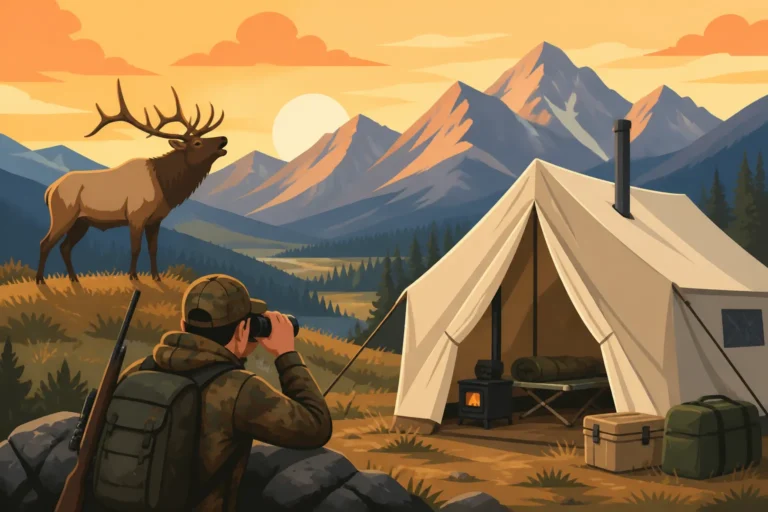
Your shelter is your primary defense against Montana's notoriously fickle weather. For backcountry hunting, weight and durability are key. You'll generally be choosing between a lightweight tent or a tarp system. Tents offer more protection from bugs and blowing rain/snow, with options ranging from ultralight single-wall tents to more robust double-wall versions. A single-wall tent, while lighter, can suffer from condensation issues, especially in humid conditions or extreme temperature swings. Double-wall tents, though heavier, offer better ventilation and condensation management. Look for tents designed for 3-4 season use to handle unexpected snow or high winds.
When selecting a tent, consider its packed size and weight, but also its vestibule space for gear storage and cooking in bad weather. A quality footprint is also essential to protect the tent floor from abrasion and add an extra layer of moisture barrier. If you're going super minimalist or are very experienced, a sturdy tarp and bivy sack can save significant weight, but they offer less protection from bugs and require more skill to pitch effectively in varied conditions.
Optimizing Your Sleep System
A good night's sleep is crucial for recovery and maintaining mental fortitude in the backcountry. Your sleep system comprises your sleeping bag and sleeping pad. For sleeping bags, the temperature rating is critical – always err on the side of warmer than you think you'll need for Montana's mountain nights, which can drop significantly even in early fall. Down bags offer the best warmth-to-weight ratio and compressibility, but lose their insulating properties when wet. Synthetic bags are bulkier and heavier but retain warmth even when damp. Consider hydrophobic down options for a good compromise.
Sleeping pads are often overlooked but are vital for insulation from the cold ground and comfort. Look for a pad with a high R-value (a measure of thermal resistance); an R-value of 3-5 is a good starting point for shoulder season hunting. Inflatable pads offer superior comfort and pack down small, while closed-cell foam pads are cheaper and more durable but bulkier. Many hunters combine a lightweight foam pad with an inflatable one for maximum insulation and puncture protection.
Selecting Your Workhorse Backpack
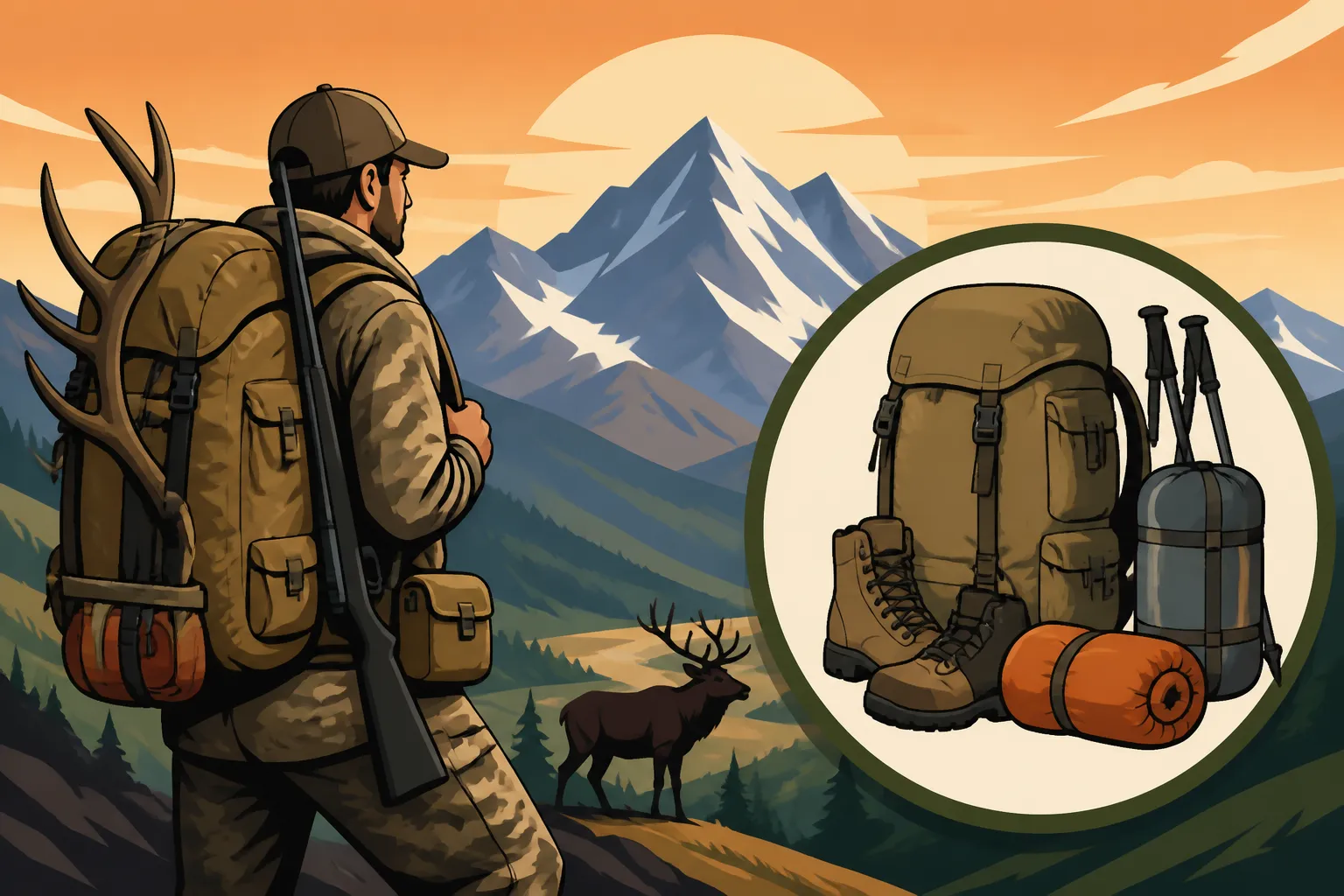
Your backpack isn't just a container; it's the engine of your backcountry hunt. It needs to be comfortable, durable, and capable of carrying significant weight, especially if you're successful. For multi-day backcountry hunts, a pack with a capacity of 65 liters or more is generally recommended. You'll typically choose between internal and external frame packs. Internal frame packs are more common, conforming closer to your body for better balance on technical terrain. External frame packs often excel at hauling extremely heavy, awkward loads like game quarters, making them a popular choice for those anticipating a successful How to Pack Out Elk Meat Solo in Montana scenario.
Beyond the frame, look for robust construction, comfortable hip belts, and adjustable shoulder straps. Compression straps are essential for cinching down loads and preventing shifting. Pockets and organization features can be a huge bonus for quick access to essentials. Investing in a high-quality pack from brands like Mystery Ranch or Kuiu is a game-changer, as they're built to withstand the abuse of backcountry hunting. You can find more detailed information on selecting the right one in our guide to the Best Backpack for a Montana Elk Hunt.
Clothing and Layering Systems
Montana's weather is notoriously unpredictable. One moment it's sunny and warm, the next a storm rolls in, bringing driving rain or even snow. The key to staying comfortable and safe is a versatile layering system.
The Indispensable Layering Approach
Forget bulky, single-piece garments. The backcountry demands a system of layers that can be added or removed as conditions change. This generally consists of three main components:
- Base Layers: These are worn next to your skin and are designed to wick moisture away, keeping you dry. Merino wool is often considered the gold standard due to its excellent moisture management, odor resistance, and warmth even when wet. Synthetic options are also good, often drying faster.
- Mid-Layers: These provide insulation and warmth. Fleece jackets, puffy vests, or lightweight down sweaters fall into this category. You might carry several mid-layers of varying thickness to adapt to different temperatures.
- Outer Shell: This is your protection from wind and precipitation. A good waterproof and windproof jacket and pants are non-negotiable. Look for breathable fabrics like Gore-Tex or similar membranes to prevent you from sweating out inside your shell. This layer needs to be durable enough to withstand brush and abrasive rock.
Footwear and Accessories
Your feet are your vehicle in the backcountry, so treat them well. Invest in high-quality, waterproof, and well-broken-in hiking boots with excellent ankle support. Brands like Kenetrek or Crispi are popular among Montana hunters for their durability and comfort in rugged terrain. Pair these with moisture-wicking wool blend socks (bring several pairs!) to prevent blisters. Gaiters are also highly recommended to keep snow, mud, and debris out of your boots and protect your lower pant legs. Don't forget a sturdy hunting hat or beanie for warmth and sun protection, and a reliable pair of gloves that offer dexterity while keeping your hands warm and dry. Our guide on Best Boots for Montana Elk Hunting has even more specific recommendations.
Navigation and Communication
Getting lost in the Montana backcountry is no joke, and communication can be a literal lifesaver. Never rely solely on your phone, as service is virtually nonexistent in most wilderness areas.
Mastering Your Maps and GPS
A reliable GPS device is essential. Modern units like the Garmin InReach series or robust smartwatches with GPS capabilities (like Garmin Fenix) offer excellent mapping features, track recording, and waypoint marking. However, electronic devices can fail, so always carry a physical map (waterproofed!) of your hunting district and a compass, and know how to use them together. Tools like GoHunt provide invaluable mapping layers for detailed e-scouting before your trip, allowing you to pre-load waypoints, mark water sources, and identify potential game corridors. This is critical for understanding How to E-Scout Montana Hunting Units effectively.
Satellite Messengers for Peace of Mind
A satellite messenger, like a Garmin InReach or Zoleo, is a non-negotiable safety item. These devices allow for two-way text communication even without cell service, and more importantly, feature an SOS button that can summon emergency services in a dire situation. Being able to check in with loved ones and provide your exact location can offer immense peace of mind for both you and those back home. Always ensure your satellite messenger is charged and has an active subscription.
Headlamps and Power Sources
A reliable headlamp with extra batteries (or a portable power bank for rechargeable units) is essential for navigating camp in the dark, performing field dressing tasks, or making those pre-dawn hikes. Consider a red light setting to preserve night vision.
Optics and Hunting-Specific Tools
These items are directly tied to your success in locating and pursuing game in the vast Montana landscape.
High-Quality Optics
Montana is a country of wide-open spaces and thick timber, often requiring diligent glassing. Good binoculars (10×42 or 12×50) are essential for spotting game. If you're hunting expansive basins or ridgelines for mule deer or elk, a spotting scope on a lightweight tripod can greatly enhance your ability to evaluate animals from a distance without expending precious energy. Rangefinders are also critical for ethical shooting, especially in variable mountain terrain where distances can be deceiving.
Field Processing Essentials
A sharp, sturdy hunting knife (and a sharpener to keep it keen) is fundamental for field dressing your animal. Add a bone saw or a good fixed-blade knife for breaking down larger game. Don't forget high-quality, breathable game bags to protect the meat from flies, dirt, and debris while allowing it to cool. Paracord or lightweight rope is useful for hanging meat or various camp tasks. Your weapon of choice—be it a rifle, bow, or muzzleloader—needs to be packed securely with appropriate ammunition or arrows. A small cleaning kit for your firearm is also a good idea.
Food, Water, and Sustenance Strategy
Fueling your body effectively in the backcountry is as important as your gear choices. Underestimating your caloric needs or neglecting water purification can quickly turn an incredible hunt into a miserable, and potentially dangerous, experience.
Planning Your Backcountry Menu
The goal of your backcountry food strategy is simple: maximum calories, minimal weight, and enough variety to keep you motivated.
Calorie-Dense and Lightweight Options
Focus on foods that are high in calories, easy to prepare, and don't weigh much. Dehydrated or freeze-dried meals from brands like Mountain House, Backpacker's Pantry, or Peak Refuel are staples for a reason—they're lightweight, require only hot water, and offer a decent array of flavors. Supplement these with snacks like jerky, summer sausage, hard cheeses, nuts (almonds, cashews), dried fruit, granola bars, and protein bars. Instant oatmeal, instant coffee, and electrolyte drink mixes are also excellent additions for breakfast and hydration throughout the day.
Variety is truly the spice of life, especially when you're eating the same basic categories of food for days. Try to pack a mix of sweet and savory, and don't forget some "comfort" items like a few pieces of hard candy or some hot chocolate to boost morale during a tough day. Plan your meals meticulously for each day you'll be out, plus an extra day or two's worth of emergency rations, just in case.
Water Sourcing and Purification
Water is heavy, so carrying enough for an entire trip is often impractical in the backcountry. Your strategy will revolve around finding water sources and purifying them.
Reliable Purification Methods
Always assume any natural water source needs purification in the backcountry. Your primary method should be a lightweight water filter like the Sawyer Squeeze or Katadyn BeFree, which are excellent for filtering on the go. Carry a backup method too, such as purification tablets (AquaMira or iodine) or a small bottle of chemical treatment. Boiling water is also an effective purification method but consumes fuel and time.
Before your trip, study your hunting district maps and scout for potential water sources, especially during dry years. Identifying reliable streams, springs, or high-country lakes is crucial. GoHunt's mapping tools can often overlay water features, helping you plan your route to resupply efficiently. Knowing your water sources is part of developing a robust Montana Public Land Hunting Strategy. You might carry 2-4 liters of water while moving, refilling and filtering whenever you find a reliable source. Don't forget to stay hydrated constantly; dehydration can lead to fatigue, headaches, and impaired judgment.
Cooking and Camp Essentials
Even with simple meals, you'll need a basic cooking setup and other camp necessities.
Minimalist Cooking Kit
A lightweight backpacking stove, like a Jetboil or an MSR PocketRocket, is standard for heating water for meals and drinks. Bring enough fuel canisters for the duration of your trip, plus a small spare. A single lightweight pot or cup, and a spork, are typically all you need. A small lighter and waterproof matches provide redundant fire-starting capabilities.
Bear-Resistant Food Storage
In Montana's bear country (which is most of it, especially in the mountains), proper food storage is critical to protect yourself and the bears. A bear canister (like from BearVault) or a bear-resistant Ursack are excellent choices for preventing bears from accessing your food while you're away from camp or sleeping. If hanging food, ensure it's at least 10-12 feet off the ground and 4 feet horizontally from the tree trunk. Always cook, eat, and store food a significant distance (at least 100 yards) from your sleeping area to minimize scent attraction to your tent.
The Art of Packing: Weight, Organization, and Strategy
It's not just what you pack, but how you pack it. A poorly packed bag can lead to discomfort, inefficiency, and even injury. Mastering the art of the load-out is a skill every backcountry hunter needs to develop.
Weight Management and Prioritization
The mantra of backcountry packing is simple: "Every ounce counts." This isn't just a catchy phrase; it's a fundamental truth that will dictate your comfort and endurance on the trail.
The Ounce Challenge
Before you put anything in your pack, lay it all out. Scrutinize every item. Can you get a lighter version? Do you truly need it? For instance, do you need that heavy multi-tool, or will a lightweight folding knife and a small pair of pliers suffice? Could you swap your heavy full-size towel for a small, quick-drying microfiber cloth? This meticulous review is part of creating a comprehensive Montana Backcountry Hunting Gear List.
There's a constant, often frustrating, balance between shedding weight and maintaining functionality, durability, and safety. Going ultralight for the sake of it can compromise crucial gear needed for harsh Montana conditions. Instead, aim for "lightweight and durable." Many seasoned hunters aim for a "base weight" (the weight of your pack without consumables like food, water, and fuel) of around 25-35 pounds for a multi-day trip. This requires smart choices, like using a lightweight shelter system or multi-purpose items that serve more than one function. For example, your puffy jacket doubles as a pillow.
Effective Pack Loading Techniques
Once you've decided what goes, the next challenge is where it goes. Proper pack loading is crucial for comfort and stability.
Strategic Placement for Comfort and Balance
The general rule of thumb is to place heavy items close to your back, roughly between your shoulder blades and your hips. This keeps the center of gravity high and tight, allowing the weight to transfer efficiently to your hips, which should be carrying about 70-80% of the load. Lighter, bulkier items (like your sleeping bag or extra clothing) can go in the bottom of the pack to fill space and act as a cushion.
Items you need frequent access to—like rain gear, snacks, your water filter, or a small first-aid kit—should be placed at the top or in accessible outer pockets. Use dry bags or sturdy stuff sacks to organize your gear within the main compartment. This not only makes it easier to find things but also protects your essential items from moisture. For instance, putting your sleeping bag and all your dry clothes into a waterproof stuff sack means you'll always have a dry place to retreat to, even if your pack takes a tumble into a creek. Take the time to compress everything tightly, eliminating empty spaces that can cause your load to shift and throw you off balance.
Pre-Trip Shakedown and Practice Hikes
You wouldn't run a marathon without training, and you shouldn't embark on a backcountry hunt without testing your gear and your body with a loaded pack.
The Crucial Test Run
Before you head to Montana, load your pack with everything you intend to take. Then, go for several demanding hikes on local trails that mimic the terrain you expect to encounter. This "shakedown" period is invaluable. It allows you to:
- Identify hot spots: Are your boots causing blisters after a few miles? Is your pack rubbing in an uncomfortable spot? Better to find out now than when you're 10 miles deep in the How to Hunt Elk in Montana's Wilderness and have a week left.
- Assess comfort: Does the weight distribution feel right? Can you comfortably hike, climb, and descend with the load? This also contributes to your overall How to Physically Prepare for a Montana Elk Hunt.
- Test gear functionality: Does your water filter clog easily? Is your stove reliable? Can you quickly access your rain gear?
- Refine your packing list: You might discover items you don't actually use or realize you're missing something critical. This is your chance to shed unnecessary weight or add a forgotten essential.
These practice hikes will not only condition your body but also instill confidence in your gear and your ability to carry it. They are a non-negotiable step for anyone serious about backcountry hunting.
Safety, First Aid, and Emergency Preparedness
Venturing into the Montana backcountry means being prepared for anything. From minor scrapes to major medical emergencies, having the right tools and knowledge is paramount for your safety and that of your hunting partners.
Comprehensive First Aid Kit
A well-stocked and intelligently organized first aid kit is a non-negotiable item for any backcountry excursion. This isn't just about band-aids; it's about being able to manage a serious injury hours or days away from professional medical help.
Beyond the Basics: What to Pack
Your kit should go beyond simple cuts and scrapes. Consider the common injuries associated with backcountry hunting:
- Trauma: Include compression bandages, gauze pads, medical tape, and a tourniquet for severe bleeding. Trauma shears can be invaluable.
- Pain and Inflammation: Pack ibuprofen or naproxen for aches, pains, and swelling. Prescription pain medication might be warranted depending on personal health.
- Blister Care: Moleskin, athletic tape, and hydrocolloid dressings are your best friends for preventing and treating blisters, which can quickly derail a hunt.
- Antiseptics: Antiseptic wipes, alcohol prep pads, and a small bottle of topical antiseptic like Betadine for cleaning wounds.
- Personal Medications: Ensure you have ample supplies of any daily prescription medications, plus an extra day or two's worth.
- Allergy Relief: Antihistamines for insect bites or allergic reactions.
- Other: Tweezers, safety pins, duct tape (can fix almost anything), and a small mirror.
Crucially, knowing how to use every item in your first aid kit is just as important as having it. Consider taking a wilderness first aid course before your trip. This proactive approach is a core component of Montana Backcountry Hunting Safety Tips.
Signaling and Self-Rescue Tools
If things go sideways, you need ways to signal for help and, ideally, perform self-rescue.
Audible and Visual Signals
A loud, reliable whistle is an excellent, low-tech way to signal for help. Three short blasts repeated are a universal distress signal. A small signal mirror can be used to flash sunlight at distant aircraft or search parties. For extreme scenarios, a personal locator beacon (PLB) can transmit a distress signal to search and rescue, but remember these are for life-threatening emergencies only.
Essential Repair and Self-Sufficiency
A small repair kit can save your trip. Pack a few feet of tenacious tape or duct tape (wrapped around a pen or water bottle to save space), strong thread and a needle, safety pins, and small zip ties. These can fix a torn tent, a broken backpack strap, or a ripped jacket. Always carry multiple fire-starting methods: a reliable lighter, waterproof matches, and a ferro rod with tinder. Knowing how to build a shelter or start a fire in adverse conditions are fundamental wilderness skills.
Bear Spray: Your Last Line of Defense
In Montana, you are in bear country. Bear spray should be easily accessible, ideally on your hip belt or chest strap, not buried in your pack. Know how to deploy it quickly and effectively. It's designed to deter aggressive bears and can be a life-saver in a close encounter. Always check the expiration date.
Communicating Your Plan
Perhaps the simplest, yet most overlooked, safety measure is leaving a detailed itinerary with a trusted person back home.
The Lifeline to Civilization
Before you leave for your hunt, share a comprehensive plan with a responsible family member or friend. This plan should include:
- Your exact hunting district and intended travel route. Mark trailheads, planned camp locations, and exit points.
- Your start and end dates.
- Expected check-in times and methods (e.g., "I will text via satellite messenger every other evening").
- What to do if you don't check in. Clearly state the timeline for when they should initiate an emergency contact with local authorities (e.g., "If you haven't heard from me by 8 PM on Tuesday, call the local sheriff's department in X county").
- Names and contact information of all members in your party.
This plan acts as a critical safety net. If an emergency prevents you from checking in, this information provides search and rescue with a precise starting point, significantly improving response times and increasing your chances of a positive outcome.
Specialized Considerations for Montana Hunting
Montana's diverse landscapes and abundant wildlife present unique challenges and requirements that go beyond general backcountry preparedness. Hunters need to be especially mindful of packing out game, navigating bear country, and adapting to extreme weather shifts.
Mastering the Art of Packing Out Game
Success in the Montana backcountry often means facing the monumental task of How to Pack Out an Elk in Montana. This isn't just a physical challenge; it requires specific gear and a well-thought-out strategy.
Essential Game Packing Gear
If you're hunting elk, deer, or moose, you must be prepared to pack out heavy loads. This starts with high-quality game bags. Opt for synthetic, breathable game bags that protect the meat from flies, dirt, and debris while allowing it to cool quickly. You'll need at least four large game bags for an elk, possibly more for smaller pieces or a second trip. A sturdy bone saw or a heavy-duty knife (like a Havalon with replaceable blades) is essential for quartering an animal in the field.
Additionally, consider an external frame pack or a pack that has a dedicated load shelf, designed to carry heavy, awkward loads like bone-in quarters. An internal frame pack can work, but some are better suited than others for carrying extreme weight. Having extra space in your pack, or a separate haul bag, for meat after your kill is absolutely critical. You can't just throw a quarter on top of your sleeping bag.
Keeping Meat Cool in the Field
Especially during early archery seasons or warmer general rifle seasons, keeping your meat cool is a major concern. After quartering, spread the meat out in the shade or on snow if available to facilitate cooling. Get it off the ground. If temperatures are warm, you might need to make multiple trips to get the meat out quickly, or use a method to keep the meat cool, as detailed in How to Keep Elk Meat Cool in Montana's Early Season. This might involve placing it near a cold stream or covering it with breathable material to protect it while still allowing airflow. Failure to properly cool game meat can lead to spoilage and a wasted animal.
Bear Country Protocols
Most of Montana's prime hunting ground is also prime grizzly and black bear country. Respecting these apex predators and knowing how to act responsibly is essential for your safety.
Safe Food Storage and Camp Hygiene
Beyond carrying bear spray, meticulous food storage and camp hygiene are your best defenses against unwanted bear encounters. All food, scented items (toothpaste, deodorant, cook pots), and garbage must be stored in bear-resistant containers (like a bear canister or Ursack) or properly hung from a tree, away from your sleeping area. Cook at least 100 yards downwind from your tent. Avoid sleeping in clothes you cooked or ate in. Pack out all garbage. By minimizing attractive odors in your camp, you significantly reduce the likelihood of a bear becoming curious and wandering through.
Situational Awareness and Vigilance
Always be aware of your surroundings. Make noise while hiking through thick brush to avoid surprising a bear. Look for fresh bear sign like tracks, scat, or torn-up ground. If you encounter a bear, stay calm, identify the species (black bear vs. grizzly), and know how to react appropriately. This proactive approach is a hallmark of Montana Backcountry Hunting Safety Tips. Bear spray should be readily accessible and you should know how to deploy it rapidly.
Weather Volatility and Contingency Planning
Montana's weather is infamous for its rapid and dramatic changes. A sunny morning can turn into a whiteout blizzard by afternoon, even in September.
Always Pack for the Worst-Case Scenario
Never trust a single weather forecast for a multi-day backcountry hunt in Montana. Always pack for conditions that are colder and wetter than predicted. This means having appropriate insulated layers, a bomb-proof rain shell, and a sleeping bag rated for colder temperatures than you anticipate. Hypothermia is a real and present danger, and proper clothing is your best defense.
Developing Contingency Plans
What will you do if a major snowstorm dumps two feet of fresh powder and makes your planned exit route impassable? What if a sustained downpour makes starting a fire impossible and your stove runs out of fuel? Think through these scenarios before your trip. This might involve identifying alternate routes, having extra food rations, carrying a small shovel for clearing snow, or knowing how to hunker down in your shelter for an extended period. Understanding How to Hunt Elk in Montana Snow also means understanding how to live and survive in it. Being mentally prepared for adversity and having practical solutions can be the difference between a minor setback and a full-blown emergency.
Disclaimer
Please remember that hunting and backcountry travel carry inherent risks. The information provided in this guide is for informational purposes only and should not replace professional training or expert advice. Always prioritize safety, respect wildlife, and adhere to all local, state, and federal hunting regulations. Conditions in the backcountry can change rapidly; always be prepared for the unexpected.