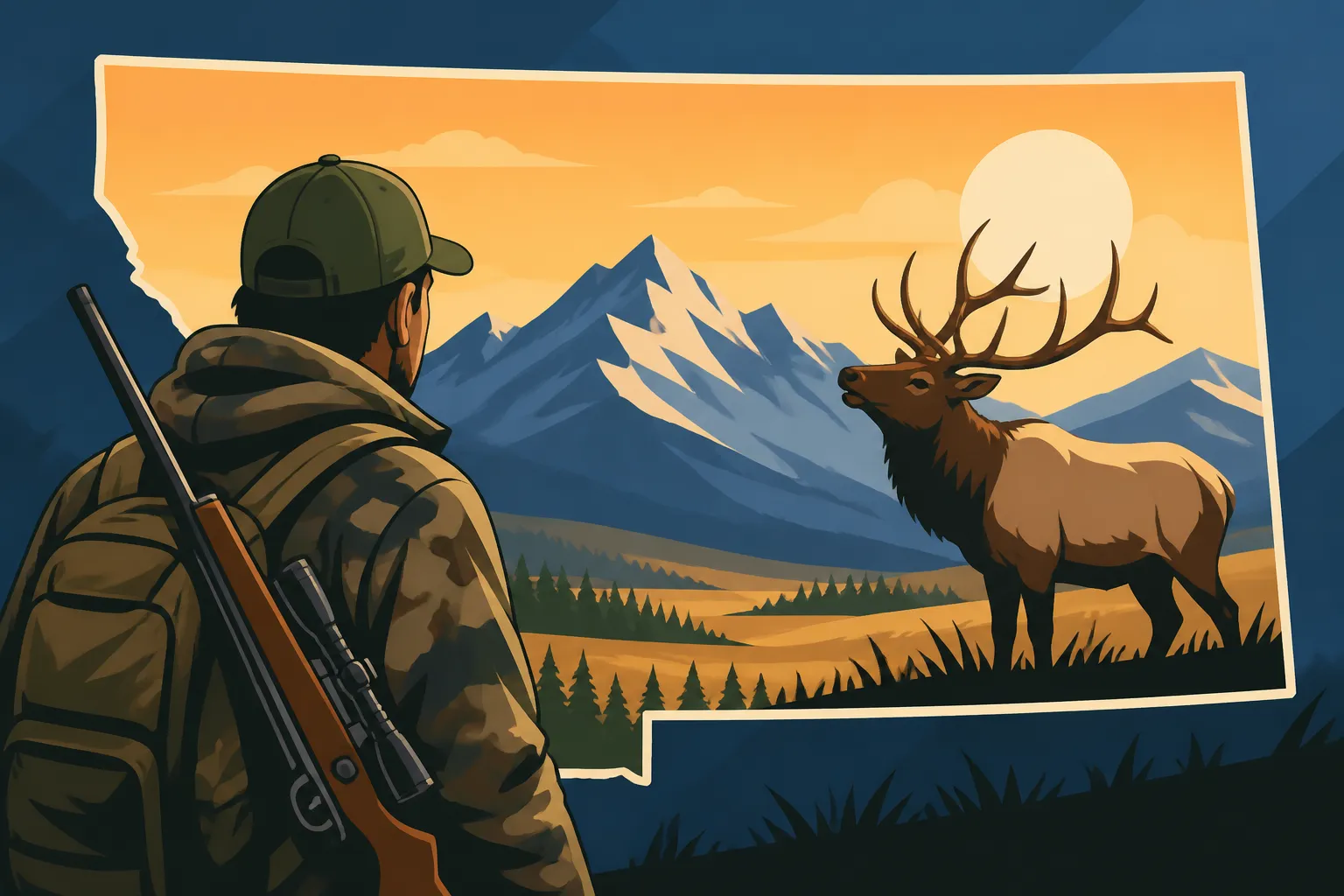
Best Montana Outfitters for Nonresidents
Trying to navigate the complex world of Montana hunting as a nonresident can feel like an uphill battle, often leaving you confused about licenses, units, and where to even begin looking for game. The dream of chasing elk or big mule deer in the vast landscapes of Big Sky Country is real, but the reality of drawing a tag, finding reliable access, and knowing the best strategies can be a huge hurdle. This comprehensive guide is designed to cut through that confusion, helping nonresidents understand how a quality outfitter can be your best asset for a successful and memorable Montana hunt.
Why Nonresidents Need to Understand Guided Hunts in Montana
For those of us coming from out of state, the appeal of Montana is undeniable. The rugged mountains, the expansive plains, and the sheer number of big game animals are legendary. But let's be honest, getting your foot in the door can be incredibly daunting. It's not just about showing up with a rifle; it's about navigating a system designed to manage a finite resource, and that system often favors residents or those with years of accumulated preference points. This is where understanding guided hunt options becomes absolutely critical.
The Montana Draw Challenge for Nonresidents
One of the biggest frustrations for nonresidents is the Montana draw system. Unlike some states where over-the-counter tags are readily available, Montana operates on a limited draw for many coveted species, especially elk and deer. You're competing with thousands of other hopeful hunters for a finite number of tags, and without a significant number of preference points, your odds can feel incredibly slim year after year. It's disheartening to invest in application fees and wait with bated breath only to receive the dreaded "unsuccessful" notification.
The reality is that securing a general elk or deer combination license as a nonresident often requires building up preference points over several years. You're playing a long game, and for many, that's time and money they'd rather spend hunting. This is precisely why researching Montana Nonresident License Draw Explained is step one for many, and then realizing the odds can be a shock. An outfitter can sometimes offer a way to bypass some of these draw challenges, opening doors that might otherwise remain closed for years. They often secure a certain allocation of tags, or they operate on private lands where tags might be more accessible or even guaranteed through landowner programs.
Accessing Private and Public Land
Montana boasts an incredible amount of public land, from sprawling national forests to vast BLM acreage. The problem? Everyone knows about it. Popular areas, especially those easily accessible by road, can see immense hunting pressure, turning what should be a peaceful pursuit into a frustrating game of bumper cars with other hunters. Finding secluded spots on public land often means packing deep into the backcountry, requiring specialized knowledge, gear, and physical stamina that many nonresidents might not possess or have time to develop.
Then there's the equally challenging aspect of private land. Much of Montana is privately owned, and gaining access can be incredibly difficult without connections. Ranchers are often inundated with requests, and many simply don't allow public hunting or require significant fees. This is where outfitters truly shine. Many reputable Montana outfitters have long-standing relationships with private landowners, securing exclusive hunting leases that offer unparalleled access to prime habitat. They also hold special use permits for vast tracts of public land, allowing them to operate in areas that might be difficult for an unguided nonresident to navigate effectively. They understand the nuances of Montana Block Management Areas Explained and other access programs, ensuring you're hunting legally and effectively.
Navigating Complex Regulations and Logistics
Montana's hunting regulations are thorough, and for good reason—they protect the wildlife populations we all cherish. However, for an outsider, interpreting the nuances of hunt codes, district boundaries, weapon restrictions, and season dates can be a full-time job. What's legal in one hunting district might be completely different just a few miles away. Factor in changes year to year, and it's enough to make your head spin. Imagine traveling thousands of miles, only to realize you misunderstood a crucial regulation or missed a vital deadline.
A skilled outfitter lives and breathes these regulations. They understand every line of the Montana FWP rule book and handle all the logistical headaches. From knowing the precise season dates for specific units to understanding antler point restrictions or whether a particular weapon is legal, they are the experts. They can guide you through the application process, advise on specific hunt codes, and ensure you're compliant every step of the way. This expertise extends beyond just legalities; they also understand the intricate details of game behavior, migration patterns, and terrain, which are invaluable for successful hunting. Having an expert who intimately knows Montana Hunt Planner Maps Explained and the specific rules of your chosen district allows you to focus solely on the hunt itself, not the administrative burden.
Types of Guided Hunts Available for Nonresidents
When you decide a guided hunt is the right path for your Montana adventure, you'll quickly realize there isn't a one-size-fits-all solution. Outfitters offer a spectrum of services, each catering to different budgets, skill levels, and desired experiences. Understanding these options is key to finding the perfect fit for your nonresident hunt.
Fully Guided Hunts: The All-Inclusive Experience
For many nonresidents, particularly those embarking on their first western big game hunt or those who simply want a completely immersive and worry-free experience, a fully guided hunt is the gold standard. This is the "come as you are" option, where almost every detail is handled for you from start to finish.
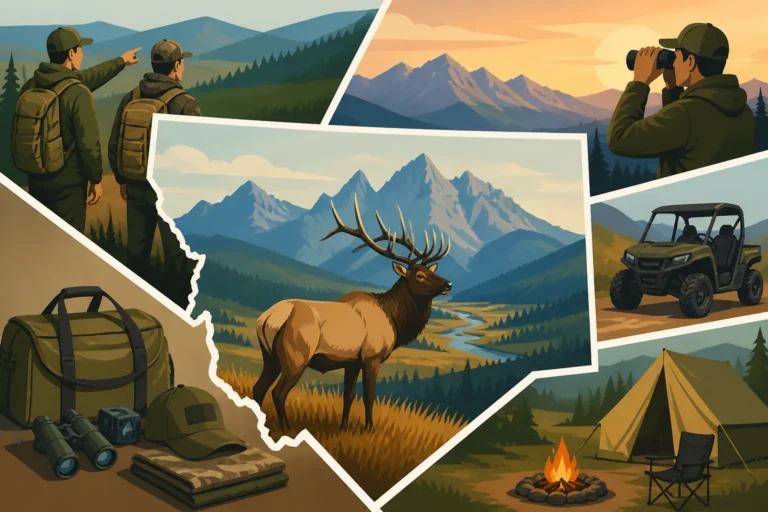
Imagine arriving in Montana, being met by your outfitter, and from that moment on, your focus is entirely on the hunt. These hunts typically include comfortable lodging, whether it's a cozy cabin, a well-appointed lodge, or even a backcountry wall tent camp. All your meals are prepared, from hearty breakfasts to fuel your morning to delicious dinners after a long day in the field. Your experienced guide will accompany you every day, often one-on-one or with a small group, leading you to prime hunting areas they've scouted extensively. They'll help you spot game, plan your stalks, and recover your animal. Once an animal is down, the guide will assist with field dressing, quartering, and packing it out, often using horses or ATVs. They'll also handle the transportation within the hunting area and assist with getting your meat and trophy to a local processor or taxidermist.
The primary benefit here is maximum support and often higher success rates. The outfitter's deep local knowledge, years of experience, and resources dramatically increase your chances of tagging an animal. It's ideal for first-time western hunters who are unfamiliar with the terrain, hunting methods, or the physical demands. It's also perfect for hunters who prioritize comfort and want to focus purely on the hunting experience without any logistical worries. The main drawback, as you might expect, is the cost. Fully guided hunts are the most expensive option, but for many, the investment in a seamless, high-opportunity hunt is well worth it. If you want to know more about what to expect, check out What to Expect on a Guided Montana Elk Hunt.
Semi-Guided Hunts: A Balance of Support and Independence
If the fully guided price tag gives you pause, or if you're an experienced hunter who prefers a bit more autonomy but still wants critical support, a semi-guided hunt might be the perfect compromise. This option bridges the gap between a completely DIY hunt and a full-service experience.
In a semi-guided scenario, the outfitter typically provides a base camp, which could be a cabin, a comfortable tent camp, or even a basic lodge. They might offer meals, or at least kitchen facilities for you to prepare your own. The crucial difference is that while the outfitter provides the infrastructure and often initial scouting information or maps of productive areas, you are largely responsible for your own day-to-day hunting. This means you'll be doing your own scouting, stalking, and animal recovery within the designated areas. However, an outfitter might be available for consultation, offer advice on where to hunt, or provide assistance with game retrieval once an animal is on the ground.
The pros of a semi-guided hunt are clear: it's significantly more affordable than a fully guided option, yet you still benefit from the outfitter's established camp, access to prime hunting grounds, and some level of logistical support. This is a great choice for hunters who have some western hunting experience, are confident in their abilities to navigate and hunt independently, but appreciate having a comfortable base camp and a safety net of local knowledge. The "con" is that it requires more effort and self-reliance on your part. You need to be prepared to do the legwork yourself, and success will depend more heavily on your own hunting skills.
Drop Camp Hunts: Backcountry Logistics Made Easier
For the truly adventurous nonresident hunter who craves a deep backcountry experience but lacks the specialized gear, pack animals, or physical ability to pack in a full camp, a drop camp is an excellent solution. This option offers a genuine DIY feel with crucial logistical support.
With a drop camp, the outfitter essentially acts as a highly specialized shuttle service. They will pack you and your gear, often via horses or mules, deep into a designated wilderness or roadless area. They'll typically set up a basic, but functional, camp for you, complete with a wall tent, cots, a wood stove, and cooking equipment. Once the camp is established, the outfitter leaves you to hunt entirely on your own for a predetermined number of days. Your responsibility includes all hunting, cooking, and ensuring your own safety and success. At the end of your hunt, or once you've harvested an animal, the outfitter will return to pack you and your game back out.
The appeal of a drop camp is immense for those who want to immerse themselves in true wilderness hunting without the enormous burden of packing in a full camp, including horses. It provides access to remote areas that are often less pressured, offering an authentic backcountry experience at a more affordable price point than a fully guided hunt. It’s also a fantastic way to experience Montana Backcountry Hunting Guide without owning a string of horses. However, this option demands a high level of hunting skill, self-sufficiency, physical fitness, and wilderness survival knowledge. You are truly on your own once the outfitter drops you off, so you must be prepared for all eventualities, from navigation challenges to adverse weather and proper game care in the field. You can read more in-depth about these experiences at Montana Drop Camp Hunts Explained.
Key Considerations When Choosing a Montana Outfitter
Selecting the right Montana outfitter as a nonresident is arguably as important as drawing the tag itself. A great outfitter can make your hunt, while a poor choice can lead to a costly and disappointing experience. It's crucial to do your homework and ask the right questions to ensure you're making an informed decision.
Reputation and References
This is your first and most critical filter. A reputable outfitter will have a strong track record of satisfied clients and ethical hunting practices. Don't just rely on pretty websites or glossy brochures; dig deeper.
Start by looking for reviews and testimonials online. Websites like BookYourHunt often feature verified reviews from past clients, providing a transparent look into other hunters' experiences. However, don't stop there. Always ask the outfitter for a list of recent references, preferably clients from the past 1-3 years. When you contact these references, ask very specific questions:
- What was the actual success rate on their hunt (not just the outfitter's advertised rate, which can be misleading)?
- How accurately did the outfitter's description match the actual hunt experience?
- How were the guides? Were they knowledgeable, personable, and hardworking?
- How was the food and lodging?
- Were there any unexpected costs or issues?
- Would they hunt with this outfitter again?
- Did they feel safe and well-cared for?
Pay attention to both the positive feedback and any consistent concerns. A consistently good reputation built on transparency and client satisfaction is a huge green light.
Licensing and Insurance
This is non-negotiable for your safety and legal protection. In Montana, all outfitters and guides are required to be licensed by the Montana Board of Outfitters. This isn't just a bureaucratic formality; it ensures that the outfitter meets certain standards of experience, financial responsibility, and ethical conduct.
Before you put down any deposit, verify that the outfitter holds a current, valid Montana Outfitter license. You can usually do this by checking the Montana Board of Outfitters website directly. Don't take their word for it; verify it yourself. This simple step protects you from illegal operations that could jeopardize your hunt or even land you in legal trouble.
Beyond licensing, inquire about the outfitter's insurance. A professional outfitter will carry adequate liability insurance to cover accidents or unforeseen incidents that might occur during your hunt. While you should also have your own travel and medical insurance, knowing your outfitter is properly insured provides an extra layer of protection and demonstrates their professionalism. A reputable outfitter will be transparent about their licensing and insurance status.
Hunt Area and Species Focus
Montana is a vast state, and different regions offer different hunting experiences and species concentrations. An outfitter specializing in high-country elk in the Bob Marshall Wilderness might not be the best choice if your dream is a plains mule deer hunt in Eastern Montana.
First, determine what species you are most interested in pursuing. Are you set on Montana Elk Hunting Guide, or perhaps a big mule deer buck (Montana Mule Deer Hunting Guide)? Maybe you're after the speed demon, Montana Antelope Hunting Guide? Once you've decided on your primary species, look for outfitters who have proven success and extensive experience with that particular animal.
Next, consider the geographical area. Some outfitters operate exclusively in specific hunting districts or regions like the Missouri Breaks Hunting Guide, the Rocky Mountain Front, or the Beaverhead-Deerlodge National Forest. Each area has its own terrain, access challenges, and game populations. An outfitter with deep, intimate knowledge of a particular area will be far more effective than one who tries to hunt all over the state. Inquire about their specific hunting units and ask why they choose to hunt there. A good outfitter will be able to articulate the advantages of their specific hunting grounds for the species you are targeting. This specialization often translates to higher success rates and a more tailored hunting experience. You can also explore the broader Montana Big Game Species Guide to see what other options might pique your interest.
Price, Inclusions, and Hidden Costs
The cost of a guided hunt in Montana can vary wildly, from a few thousand dollars for a drop camp to upwards of $10,000-$15,000+ for a high-end, fully guided trophy elk hunt. It's essential to understand exactly what you're getting for your money and to ensure there are no unpleasant financial surprises down the road. You can get a general idea from Montana Guided Elk Hunt Cost.
Always get a detailed written contract that clearly outlines the total price, the payment schedule, and exactly what is included in the hunt package. Common inclusions are guiding services, lodging, meals, field transportation, and initial game care. Things that are often not included, and thus potential "hidden costs," can be:
- Hunting licenses and tags: These are almost always your responsibility and can add hundreds or even thousands of dollars for nonresidents.
- Travel to and from the outfitter's base: Flights, rental cars, fuel.
- Meat processing and taxidermy: These services can be substantial, especially for an elk.
- Gratuities for guides and camp staff: Tipping is customary and expected, usually 10-20% of the hunt cost.
- Personal gear: Weapons, ammunition, optics, clothing.
- Alcoholic beverages: Sometimes excluded from meal plans.
- Unexpected delays: Costs associated with bad weather or travel disruptions.
Be upfront and ask about every potential additional expense. A transparent outfitter will appreciate your thoroughness and provide clear answers. Don't be shy about comparing prices and inclusions from several outfitters before making your final decision.
Here's a generalized table to help you compare typical costs and inclusions for different types of Montana guided hunts for nonresidents:
| Hunt Type | Typical Price Range (Nonresident) | Inclusions | Key Features & Considerations |
|---|---|---|---|
| Fully Guided | $6,000 – $15,000+ | Professional 1:1 or 2:1 guide ratio, lodging (lodge/cabin/wall tent), all meals, field transportation (horses/trucks), game retrieval, field dressing, caping, assistance with meat/trophy transport to processor/taxidermist. | Highest success rates, ideal for beginners, less physically demanding for hunter, all logistics handled. Premium experience. Book well in advance. |
| Semi-Guided | $3,000 – $7,000 | Base camp (tent/cabin), some meals or cooking facilities, general hunting area advice/maps, possible initial transport to hunting areas, consultation with outfitter, occasional game retrieval assistance. | More affordable, more independence for hunter, good for experienced hunters who want a base camp. Hunter responsible for daily hunting strategy, stalking, most game recovery. |
| Drop Camp | $2,000 – $5,000 (per person) | Pack-in/pack-out services (horses/mules) to remote location, pre-set camp (wall tent, stove, cots, basic cooking gear), pick-up at end of hunt. | Access to deep backcountry, true DIY experience without packing burden, most affordable guided option. Requires significant hunting skill, self-sufficiency, physical fitness, and game care. |
| Outfitter-Sponsored Tag | Additional cost on top of hunt price | Specific tag allocation for nonresidents, usually tied to a fully guided or semi-guided hunt with that outfitter. (Cost varies by species and outfitter, often included in higher-end packages.) | Bypasses public draw odds, higher chance of drawing a tag, but requires hunting with the sponsoring outfitter. Often a significant upfront commitment. |
Note: Prices are estimates and can vary widely based on species, hunt duration, accommodations, trophy potential, and outfitter reputation. Always confirm exact pricing and inclusions with the specific outfitter.
The Unique Advantage of Outfitter-Sponsored Tags
For many nonresidents, the very first hurdle to hunting Montana is simply drawing a license. The nonresident combination licenses for elk and deer are highly sought after, and without years of preference points, your odds can feel like hitting the lottery. This is where outfitter-sponsored tags become a game-changer, offering a distinct pathway to securing that coveted Montana tag.
How Outfitter-Sponsored Tags Work
Montana Fish, Wildlife & Parks (FWP) has a special provision within its licensing structure: a certain percentage of nonresident big game licenses are set aside for hunters who book their trip with a licensed Montana outfitter. These are often referred to as "outfitter-sponsored tags" or "outfitter preference" tags. Essentially, when a nonresident applies for a general elk or deer combination license and designates a licensed outfitter on their application, they are entered into a separate drawing pool. While not a guaranteed tag, being in this pool can significantly increase your draw odds compared to the general nonresident pool.
This system was put in place to support Montana's outfitting industry, which contributes significantly to the state's economy, and to provide nonresidents with an alternative route to hunting the state's incredible big game. It acknowledges the investment and commitment a nonresident makes when booking a guided hunt. It's a way for outfitters to offer a more reliable chance at a tag, especially for high-demand species like elk. You can delve deeper into this by reading Montana Outfitter-Sponsored Tags Explained.
Maximizing Your Chances with Sponsored Tags
If your primary goal is to secure a Montana tag in the near future and you're open to a guided hunt, pursuing an outfitter-sponsored tag is a smart strategy. Here's how to maximize your chances:
First and foremost, apply early and commit to an outfitter well in advance of the draw deadline. Outfitters often have a limited number of "sponsored" slots they can offer, and these fill up quickly. Many nonresidents book their guided hunts a year or more out, specifically to take advantage of this draw option. The earlier you secure your spot and get your application submitted with the outfitter's code, the better.
Secondly, understand that it's still a draw, not a guarantee. While the odds are often much better than the general nonresident draw, you are still subject to a lottery. Some years, demand might outstrip supply, and not everyone who applies for an outfitter-sponsored tag will draw. However, the odds are often substantially better, making it a highly attractive option. Reputable outfitters will be transparent about their historical draw success rates for these tags, and you can even check resources like GoHunt, which compiles draw odds data, to get a sense of how these sponsored tags perform.
Lastly, choose your outfitter wisely. The tags are tied to the outfitter. If you draw through their sponsorship, you are committed to hunting with them. Ensure they are a reputable operation with a good track record and that their hunt offerings align with your expectations.
Drawbacks and Commitments
While outfitter-sponsored tags offer a fantastic opportunity, there are definite commitments and potential drawbacks to consider:
The most significant commitment is that if you draw a tag through an outfitter's sponsorship, you are contractually obligated to hunt with that specific outfitter. This means you cannot simply take the tag and go hunt elsewhere, even if your plans change. This commitment is usually legally binding and outlined in your outfitter contract.
Secondly, financial commitment is often required upfront. Outfitters typically require a significant deposit, if not the full cost of the hunt, to be paid before the draw results are announced. This is because they are allocating a valuable resource (their sponsored tag quota) to you and need to ensure your commitment. If you fail to draw the tag, most reputable outfitters will have a clear refund policy, often allowing you to defer your hunt to the following year or offering a refund minus a non-refundable deposit. Always read the cancellation and refund policy very carefully before signing any contract or making any payments. You need to be comfortable with this financial risk, however small it might be for a particular outfitter, before proceeding.
Despite these commitments, for many nonresidents eager to experience Montana's incredible hunting sooner rather than later, the outfitter-sponsored tag system is an invaluable pathway to fulfilling their dreams.
Preparing for Your Montana Guided Hunt as a Nonresident
You've done the research, chosen your outfitter, and perhaps even drawn that coveted tag through an outfitter sponsorship – congratulations! Now the real preparation begins. A guided hunt in Montana, while alleviating many logistical burdens, is still a serious undertaking that requires personal readiness. Your physical condition, gear choices, and understanding of hunter ethics will significantly impact your experience and success.
Physical and Mental Fitness
Let's be real: hunting in Montana is not a leisurely stroll in the park, even with a guide. The terrain can be brutally steep, the air thin at high altitudes, and the weather notoriously unpredictable. Even on private land hunts, you'll be doing a lot of walking, often through varied and challenging landscapes. For backcountry or wilderness hunts, the physical demands escalate dramatically. Your guide can't carry you up a mountain, and if you're out of shape, you'll not only struggle but also potentially hinder your guide's ability to put you on game effectively.
A dedicated fitness plan is not just recommended; it's essential. Start months in advance. Focus on cardiovascular endurance (hiking, running, stair climbing), strength training (especially legs and core), and flexibility. If possible, train with your hunting pack, gradually increasing the weight. Hiking steep hills or using a stair climber for extended periods is excellent preparation. Mentally, prepare for long days, early mornings, and potential discomfort. Resilience, patience, and a positive attitude are just as important as physical strength when the going gets tough. Remember, you're not just preparing for the kill, but for the entire journey, which could include multiple days of strenuous activity. Read more on How to Physically Prepare for a Montana Elk Hunt to get started.
Essential Gear and Equipment
While your outfitter will handle many aspects of the camp and hunt logistics, your personal gear is your responsibility, and it needs to be up to the task of Montana's varied conditions. Your outfitter will typically provide a detailed packing list, and you should adhere to it strictly. However, some categories deserve special attention.
- Layered Clothing: Montana weather can change on a dime, from warm sunshine to driving snow in a matter of hours. The key is layering. Think merino wool or synthetics for your base layers, insulating mid-layers (fleece or puff jacket), and a waterproof/windproof outer shell. Avoid cotton at all costs, as it retains moisture and loses insulation when wet. Brands like Sitka, Kuiu, and First Lite are popular among serious hunters for their performance.
- Boots: Your feet are your most important asset. Invest in high-quality, broken-in hunting boots that offer excellent ankle support, waterproofing, and traction. Bring at least two pairs if possible, so you have a dry backup.
- Optics: Good binoculars (10×42 or 12×50) and a spotting scope (if hunting open country or glassing long distances) are crucial. Your guide will have their own, but having your own quality optics allows you to participate actively in spotting game and familiarizing yourself with the terrain.
- Weapon: Whether rifle, bow, or muzzleloader, ensure your weapon is sighted in and you are proficient with it. Practice shooting from various positions you might encounter in the field, not just from a bench. Know your effective range.
- Backpack: Even on a fully guided hunt, a quality daypack is essential for carrying water, snacks, extra layers, first-aid, and other essentials. For drop camps or semi-guided hunts, a larger pack capable of hauling meat is vital. Consider reviewing a Montana Backcountry Hunting Gear List for more ideas.
Communicate with your outfitter about any specific gear requirements or recommendations. They know their terrain and conditions best.
Understanding Hunter Expectations and Ethics
Before your hunt begins, have an open and honest conversation with your outfitter about expectations. What are your goals for the hunt? Are you focused on a trophy animal, or is simply harvesting an animal for meat the priority? What are the realistic success rates for their specific hunt area and species? Misaligned expectations are a common source of disappointment. A good outfitter will be transparent and help manage what's realistic.
Beyond expectations, remember that you are a guest in Montana's wild places, and ethical hunting practices are paramount. Your guide is there to assist you, but ultimately, you are responsible for your own actions. This means:
- Respecting Wildlife: Follow all regulations, ensure clean kills, and never shoot at game beyond your ethical range.
- Respecting Your Guide: Listen to their instructions, follow their lead, and be considerate. They are working hard to make your hunt successful.
- Respecting the Land: Pack out everything you pack in, leave no trace, and minimize your impact on the environment.
- Game Care: Understand the importance of proper field dressing and meat care, especially in warmer temperatures. Your outfitter will assist, but knowing the basics is helpful.
Montana's hunting tradition is built on a foundation of respect for wildlife and fair chase. By embracing these principles, you not only ensure a positive experience for yourself but also uphold the integrity of hunting for future generations. For nonresidents, it's also important to understand the overall Montana Nonresident Combination License Guide rules and regulations that govern your hunt to ensure compliance.
Top-Rated Montana Outfitters for Nonresidents (General Advice)
Finding that truly "best" outfitter for a nonresident hunt in Montana can feel like searching for a needle in a haystack. There are so many options, so many promises, and so much at stake. Rather than trying to point you to a single, specific outfitter (because "best" is subjective and can change quickly), let's talk about how to identify the top-tier operations that consistently deliver exceptional experiences for their nonresident clients.
Researching Specific Outfitters
The key to finding a great outfitter is relentless, focused research. Don't settle for the first one you find or the one with the flashiest website.
- Official Directories: Start with the official source: the Montana Outfitter and Guides Association (MOGA) website. This directory lists licensed outfitters and can be filtered by region, species, and services offered. It's a great place to generate a list of potential candidates. While MOGA membership doesn't guarantee quality, it's a good starting point for finding legitimate operations.
- Online Hunting Platforms: Platforms like BookYourHunt have emerged as valuable resources. These sites often feature extensive profiles of outfitters, including detailed descriptions of their hunts, photos, and, critically, client reviews. The ability to read unbiased accounts from hunters who have actually used their services is invaluable.
- Hunting Forums and Social Media Groups: Engage with online hunting communities. Search for discussions about Montana outfitters for nonresidents. Pay attention to consistent recommendations or warnings. Take individual opinions with a grain of salt, but recurring themes can be highly informative.
- Ask Direct Questions: Once you've narrowed down your list, engage directly with the outfitters. Don't be afraid to ask detailed questions about their experience, success rates (and how they calculate them), guide-to-hunter ratios, specific hunt areas, accommodations, food, and what happens if you don't tag an animal. A professional outfitter will welcome your questions and provide clear, honest answers.
Remember to prioritize recent references (last 1-3 years) and speak to those individuals directly. Their firsthand accounts are gold.
What Makes an Outfitter "Best" for Nonresidents
The "best" outfitter isn't just about bagging a monster animal, especially for a nonresident who might be experiencing Montana for the first time. It's about the entire experience. Here are the qualities that truly set top-rated outfitters apart for nonresidents:
- Clear Communication and Transparency: This is foundational. A great outfitter communicates clearly and promptly, from the initial inquiry to post-hunt follow-up. They are transparent about costs, draw odds, success rates, and what the hunt truly entails. No hidden fees, no vague promises.
- Strong Safety Record and Protocols: Your safety is paramount. The best outfitters have rigorous safety protocols, experienced guides trained in first aid, and contingency plans for emergencies in remote areas.
- High Client Satisfaction and Repeat Business: Satisfied clients are the backbone of any successful outfitting business. High rates of repeat clients and positive testimonials are strong indicators of a quality operation.
- Ethical Hunting Practices and Fair Chase: A top-tier outfitter operates with the highest ethical standards, respecting wildlife, habitat, and fair chase principles. They will prioritize an ethical hunt over merely filling a tag.
- Deep Local Knowledge and Experience: Their guides are not just experienced hunters; they are experts in their specific hunt area. They understand the terrain, game movements, weather patterns, and access points intimately. This localized expertise is invaluable for putting you on game.
- Experience with Nonresident Draw Process: The best outfitters understand the nonresident draw intricacies, including outfitter-sponsored tags, and can guide you through the application process effectively. They know the deadlines and requirements to secure your Montana Elk Hunting Guide or other tags.
- Exceptional Game Care: Once an animal is down, proper field dressing, cooling, and transport of meat and trophy are crucial. A quality outfitter ensures your hard-earned harvest is handled with the utmost care to prevent spoilage and damage.
- Comfortable Camp Amenities: While a backcountry camp is rustic, a good outfitter ensures it's comfortable, clean, and well-maintained. Good food, warm sleeping arrangements, and a friendly camp atmosphere contribute significantly to the overall experience.
Geographical Considerations for Different Species
Montana's diverse geography means different regions excel for different species. Tailoring your outfitter search to these geographical strengths can refine your options and increase your odds.
- Elk Hunting: For trophy elk and a classic mountain hunting experience, focus on outfitters operating in the western and central mountain ranges. Areas like the Bob Marshall Wilderness, Absaroka-Beartooth Wilderness, and the Greater Yellowstone Ecosystem regions are renowned for elk. These hunts often involve rugged terrain, high altitudes, and can be physically demanding.
- Mule Deer Hunting: While mule deer can be found throughout the state, the eastern plains and broken badlands of central Montana (like the Missouri Breaks) are particularly strong for large mule deer bucks. These hunts might involve extensive glassing from afar and long stalks in open, rolling country.
- Antelope Hunting: The vast, open plains of Eastern Montana are the undisputed king for pronghorn antelope. These hunts often involve spot-and-stalk tactics in wide-open spaces or hunting near water sources. Outfitters in areas like the eastern two-thirds of the state specialize in Montana Antelope Hunting Guide.
- Whitetail Deer Hunting: Whitetail deer are prevalent along river bottoms and agricultural lands throughout the state, particularly in central and eastern Montana. These hunts often involve hunting from blinds or stands near agricultural fields or dense riparian cover.
By considering both the outfitter's core strengths and the geographical advantages for your desired species, you can significantly narrow your search and find an outfitter that's truly "best" for your unique nonresident Montana hunting adventure.
Disclaimer
Please note that hunting regulations, draw odds, and outfitter availability and pricing can change frequently. This guide provides general information and recommendations. Always consult the official Montana Fish, Wildlife & Parks (FWP) regulations for the most current information, and verify all details directly with any outfitter you consider booking. This content is for informational purposes only and does not constitute professional advice or endorsement of specific outfitters or services.