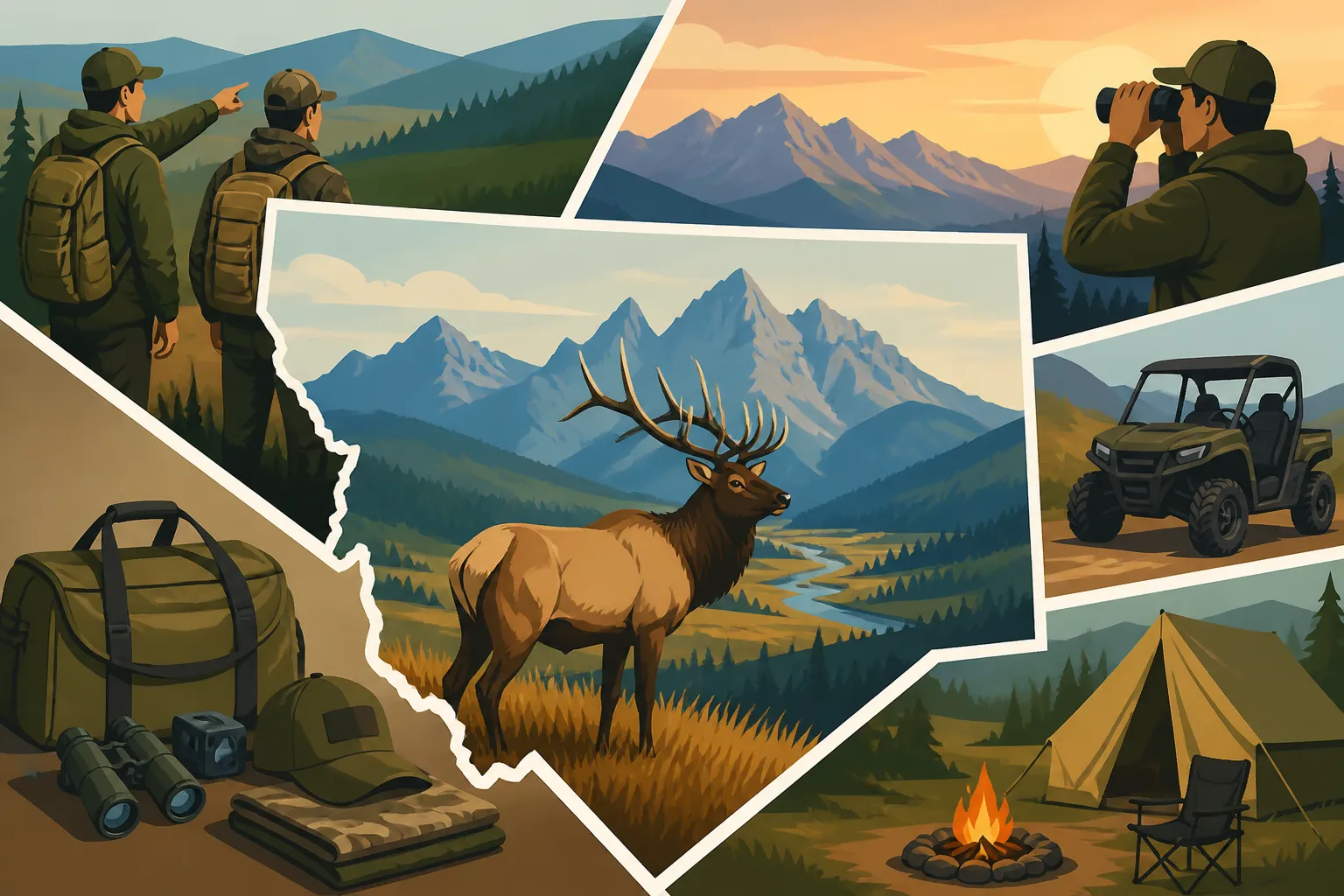
What a Fully Guided Montana Hunt Includes
The dream of hunting in Montana calls to so many of us, but the sheer amount of planning involved—from understanding regulations and drawing tags to scouting vast public lands and managing logistics—can quickly turn that dream into a stressful nightmare. Many hunters, especially non-residents or those new to Western hunting, find themselves asking: "What exactly does a fully guided hunt in Montana include, and is it truly the solution to all this complexity?" This guide is here to unravel that mystery, detailing every aspect of what you can expect when you invest in a fully guided Montana hunting adventure.
Defining the "Fully Guided" Experience in Montana
When you hear "fully guided hunt" in Montana, it's easy to conjure images of a luxurious, worry-free trip where all you do is pull the trigger. While that's a bit of an oversimplification, the core promise of a fully guided hunt is precisely that: peace of mind and comprehensive support from start to finish. It’s about leveraging the local expertise, experience, and logistical backbone of a professional outfitter to maximize your chances of success and enjoyment in Montana's rugged and expansive wilderness.
Unlike a semi-guided trip where the outfitter might provide a camp and general area advice but leaves the day-to-day hunting strategy to you, or a drop camp where they simply pack you into a remote location and leave you to your own devices, a fully guided hunt means you have a dedicated professional by your side. This isn't just someone to point you in the right direction; it's a partner who has meticulously scouted the area, understands animal behavior, handles the camp, meals, and logistics, and puts in the hard work to get you into a position for a shot. For many, this level of support is invaluable, transforming a potentially overwhelming experience into an unforgettable adventure. It frees you up to focus on the hunt itself, the incredible landscapes, and the camaraderie, rather than getting bogged down in the minute details of Montana DIY Elk Hunting Guide.
Pre-Hunt Preparation and Logistical Support
One of the biggest unsung benefits of a fully guided Montana hunt actually begins long before you ever set foot in the field. The planning phase for a Western hunt can be daunting, but a good outfitter acts as your first line of defense against bureaucratic headaches and logistical puzzles.
Navigating Licenses and Applications
The thought of navigating Montana's complex draw system, understanding preference points, and deciphering hunt codes can be enough to make your head spin, especially for non-residents. This is where an outfitter truly shines. While you are always responsible for purchasing your own licenses and tags, many outfitters provide invaluable assistance and advice on the application process. They can explain Montana Nonresident License Draw Explained, guide you through How to Apply for a Montana Hunting License, recommend specific hunting districts that align with your goals and the outfitter's permits, and help you understand draw odds. They often have a deep understanding of the local regulations and can ensure your application is submitted correctly and on time, which is crucial for securing those coveted tags.
Extensive Pre-Scouting and Area Knowledge
Reputable outfitters don't just show up to hunt; they live and breathe the land. They spend countless hours throughout the year scouting, monitoring game movements, locating water sources, identifying bedding and feeding areas, and understanding migration patterns. This isn't just casual observation; it's intensive, dedicated work that often involves trail cameras, glassing, and exploring vast tracts of land. When you arrive, you're not just hoping to stumble upon an animal; you're stepping into an area where the outfitter has already done the heavy lifting, knowing where to focus your efforts based on current conditions and historical data. Many outfitters utilize tools like GoHunt to supplement their personal knowledge, helping them stay on top of the latest information and trends in specific hunting districts.
Gear Consultation and Recommendations
Montana's weather can be notoriously unpredictable, and the terrain can be brutal on gear. A fully guided hunt often includes pre-hunt consultations where your outfitter will provide a detailed packing list and recommendations on essential gear. This can range from the best boots for climbing steep inclines to appropriate layering systems for fluctuating temperatures, and even advice on optics or rifle calibers. Their experience is invaluable in helping you avoid bringing unnecessary items or, worse, leaving behind something crucial. They know what works (and what doesn't) in their specific hunting area, helping you to How to Physically Prepare for a Montana Elk Hunt and pack wisely.
Travel and Logistics Coordination
While your flight or drive to Montana typically isn't included in the hunt package, outfitters often provide excellent guidance on how to get to their base camp or designated meeting point. This might involve advising on the nearest airports, suggesting ground transportation options, or even arranging pickups from a local town. They help smooth out the journey, so you arrive ready to hunt, not stressed about directions or forgotten details.
In-Field Services: Your Home Away From Home and Hunting Partner
This is where the true value of a fully guided hunt becomes most apparent – the immersive experience in the field, supported by your guide every step of the way.
Comfortable Accommodations
Forget roughing it (unless that’s specifically what you booked!). Fully guided hunts typically include comfortable lodging designed to help you rest and recharge after long days. This could mean a cozy lodge with private rooms, rustic cabins, or well-appointed wall tents in a backcountry camp. These aren't just places to sleep; they're often central hubs where stories are shared, strategies are planned, and hot meals are served. The quality and type of accommodation will vary greatly between outfitters, but the goal is always to provide a secure and comfortable base. For those dreaming of a remote adventure, a well-established wall tent camp provides an incredible experience in the wilderness, allowing you to focus on the hunt without the hassle of setting up and maintaining your own shelter, akin to understanding How to Set Up a Montana Elk Camp.
Hearty Meals and Sustenance
Hunting, especially in Montana, is physically demanding work. A fully guided hunt ensures you are well-fed with delicious, energizing meals. This usually includes a hot, substantial breakfast to start your day, a packed lunch or field snacks to keep you fueled on the mountain, and a hearty dinner awaiting your return to camp. Many outfitters pride themselves on their camp cooking, offering everything from classic comfort food to gourmet wilderness fare. Staying properly nourished is critical for maintaining stamina and focus throughout your hunt.
Professional Guiding and Expertise
This is the cornerstone of the fully guided experience. You'll have a seasoned professional guide by your side, providing invaluable support and knowledge. This includes:
- Local Knowledge: Guides know their hunting areas like the back of their hand – the hidden springs, the darkest timber patches, the subtle benches where elk might feed.
- Tracking and Scouting: They'll interpret tracks, droppings, and rubs, helping you understand animal movements and patterns. They can pinpoint recent activity and predict where animals might be headed.
- Calling Expertise: For species like elk, guides often possess exceptional calling skills (How to Call Elk in Montana), using bugles, cow calls, and chirps to locate animals and draw them into range.
- Strategic Planning: Each morning, your guide will develop a strategy based on weather, wind, and current game activity, ensuring you're hunting smart, not just hard. They understand various Montana Elk Hunting Methods Explained and can adapt to conditions.
- Safety: Your guide is also your safety officer. They are trained in wilderness first aid, carry essential emergency gear, and know the terrain. They will prioritize your well-being, especially when navigating challenging landscapes or encountering dangerous wildlife. Understanding Montana Backcountry Hunting Safety Tips is paramount, and your guide is there to ensure adherence.
In-Field Transportation
Montana's hunting districts can be vast and rugged, making efficient transportation crucial. Fully guided hunts often include transportation methods appropriate for the terrain and the species you're pursuing. This could mean:
- Horseback: For deep backcountry hunts, horses are often the most effective way to cover ground, access remote areas, and pack out game.
- 4×4 Vehicles/ATVs: Used to get you closer to trailheads, access rough forest service roads, or cover ground in flatter, more open country, saving your legs for the actual stalking.
- Foot: Ultimately, a lot of hunting in Montana is done on foot, and your guide will lead the way, ensuring you move quietly and efficiently through the landscape.
All of these transportation options are designed to get you to prime hunting locations with less physical exertion, allowing you to conserve your energy for the hunt itself.
Post-Harvest Care and Departures
The hunt doesn't end when the animal is on the ground. The post-harvest process is critical, physically demanding, and often complicated, and a fully guided hunt takes the burden off your shoulders.
Field Dressing and Quartering
Taking down a big game animal like an elk is only half the battle. Field dressing and quartering are physically intensive and time-sensitive tasks. Your guide will either handle these crucial steps entirely or provide expert assistance, ensuring the meat is properly cared for to prevent spoilage. They know how to efficiently and cleanly break down an animal in the field, whether it’s an elk in the high country or a mule deer in the breaks. Knowing How to Quarter an Elk in the Montana Backcountry correctly is vital, and your guide has done it countless times.
Meat Packing and Initial Care
Once the animal is field dressed and quartered, it needs to be packed out of the field. This can be one of the most physically demanding parts of the entire hunt. Your guide will manage this process, whether it's loading quarters onto horses, utilizing ATVs, or coordinating a human pack-out. They will also ensure the meat is kept cool and clean, advising on methods for How to Keep Elk Meat Cool in Montana's Early Season until it reaches a processor. The goal is to get your hard-earned protein off the mountain and into proper storage as quickly and safely as possible.
Trophy Care and Preparation
If you've harvested a trophy animal, your guide will expertly cape and prepare the hide and antlers for transport to a taxidermist. They understand the intricacies of proper caping to ensure your trophy can be mounted beautifully. This meticulous care is crucial for preserving your memory of the hunt.
Transportation to Departure Point
After a successful hunt, your guide will transport you, your gear, and your harvested game (or packaged meat/trophy) back to the base camp or your designated departure point, whether that's your vehicle or a local airport. They ensure a smooth transition from the wilderness back to civilization.
What's Typically Not Included in the Price
While a fully guided hunt is comprehensive, it's essential to understand what expenses you are still responsible for. This allows for proper budgeting and avoids any surprises. Platforms like BookYourHunt and GoHunt clearly list what is and isn't included in an outfitter's package, making research much simpler.
Here’s a table summarizing the typical inclusions and exclusions:
| Feature | Typically Included | Typically Not Included |
|---|---|---|
| Hunting Services | Professional guide, in-field strategy, tracking, calling | |
| Pre-Hunt Support | Application advice, pre-scouting, gear consultation | License & tag fees, travel to Montana |
| Accommodations | Lodge, cabin, or wall tent camp lodging | Personal sleeping bags (sometimes), extra amenities |
| Meals | Breakfast, lunch (packed), dinner, non-alcoholic drinks | Alcoholic beverages, personal snacks/specialty items |
| In-Field Transport | Horses, 4×4 vehicles, ATVs (as appropriate) | |
| Post-Harvest Care | Field dressing, quartering, initial meat packing, trophy prep | Meat processing, taxidermy, shipping of meat/trophy |
| Safety | First aid, emergency communication | Personal travel insurance |
| Gratuities | Guide tips (highly expected) | |
| Personal Gear | Rifle, ammunition, optics, clothing, boots |
As you can see, key elements like your Montana Hunting License Costs and tags, your travel to and from Montana, and personal gear are generally your responsibility. Perhaps one of the most important unlisted items to budget for is a tip for your guide. Tipping is customary and expected for good service, reflecting a significant portion of a guide's income. You'll want to plan for this when calculating the overall cost of your trip.
Final Thoughts on Your Montana Guided Hunt
A fully guided hunt in Montana is an investment in a meticulously planned, expertly executed, and generally more successful hunting experience. It removes the immense logistical burden from your shoulders, allowing you to immerse yourself fully in the hunt and the breathtaking Montana landscape. From assisting with complex tag applications to providing delicious meals, comfortable lodging, and unparalleled in-field expertise, an outfitter handles the details so you can focus on making memories. While it comes with a higher price tag than a DIY trip, the value in knowledge, effort, safety, and the increased likelihood of a successful harvest is often well worth it for those looking for an authentic and supported Western hunting adventure.
Disclaimer
This article is for general informational purposes only and does not constitute professional advice. Laws, prices and regulations vary by location and change over time. Consult a qualified professional for guidance on your specific situation.