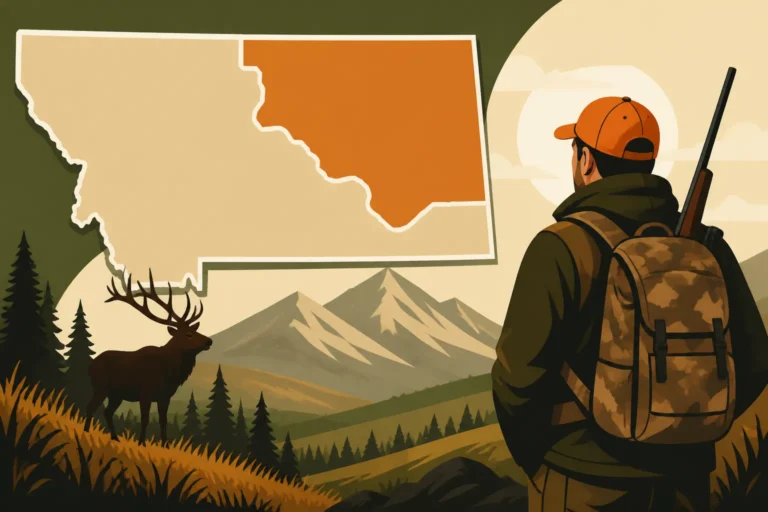
Montana Hunting District 680 Overview
Trying to figure out a specific hunting district in Montana can feel like staring at a giant, complex puzzle without the picture on the box. It’s not just about finding a place on a map; it's about understanding the unique challenges, opportunities, and nuances of that particular area. If you're looking into Montana Hunting District 680, you’re in the right place. This comprehensive guide will break down everything you need to know to confidently plan your hunt in this fascinating corner of Big Sky Country.
Understanding Montana Hunting District 680
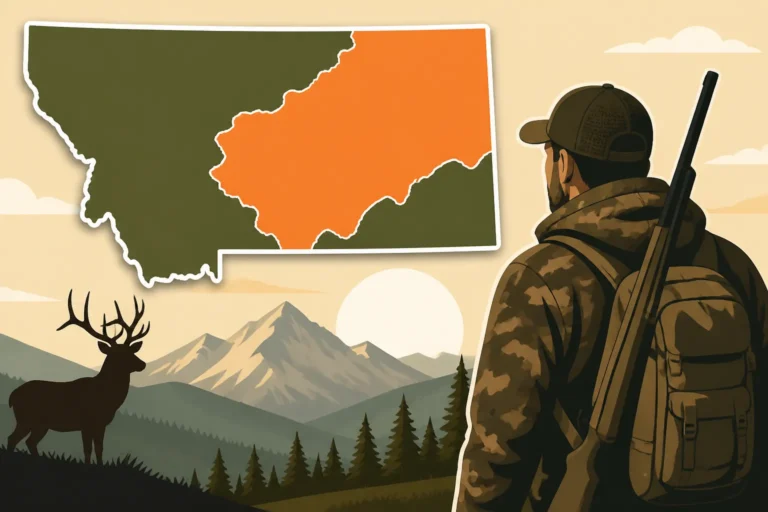
Hunting District 680, often simply referred to as HD 680, is located in southeastern Montana, an area known for its diverse landscape that transitions from rolling plains to more rugged, broken country. It's a district that presents a unique blend of hunting experiences, often requiring different tactics than the mountainous western regions. Many hunters are drawn here for the potential of multi-species opportunities, which makes it a compelling choice for those looking to experience the breadth of Montana hunting.
Geographic Location and Landscape
HD 680 is situated primarily within Custer County, stretching across an area that blends expansive plains, Ponderosa pine breaks, and river bottomlands. It’s part of what's often called the "breaks country" or the "pine hills," characterized by rolling hills cut by numerous drainages and coulees, interspersed with timbered draws and open grasslands. The Yellowstone River forms part of its northern boundary, bringing with it classic riparian habitat that’s a magnet for certain game species. Elevations are generally lower than western Montana, ranging from about 2,500 to 4,000 feet, which means less extreme high-country hunting but still plenty of steep, challenging terrain within the coulees and badlands.
The landscape is a tapestry of open sagebrush flats, agricultural fields, and the distinctive Ponderosa pine stringers that cling to the more rugged slopes. This diverse habitat is crucial for supporting a variety of wildlife. You'll find areas that feel incredibly remote and vast, where you can glass for miles, alongside pockets of dense cover that require methodical still-hunting. Understanding the contours and cover types is paramount here, and an aerial mapping tool like onX Hunt can be an absolute game-changer for deciphering the terrain before you even set foot on it.
Primary Game Species
Hunting District 680 is a strong contender for hunters interested in multiple species. While elk are certainly present, it’s often more recognized for its deer populations and solid antelope opportunities.
- Mule Deer: This district is home to a healthy population of mule deer. You'll find them using the broken country, the Ponderosa pine breaks, and the more rugged draws for cover and forage. Trophy potential can be good, especially for patient hunters willing to cover ground and glass effectively. Mule deer here are typically spread out, often in smaller groups, and tend to stick to the more remote pockets where human pressure is less.
- Whitetail Deer: Alongside mule deer, whitetail deer thrive, particularly in the river bottom habitats along the Yellowstone and other smaller creek systems, as well as in the agricultural areas. These whitetails can grow quite large and provide excellent hunting, often requiring different tactics such as setting up near pinch points or travel corridors. Many hunters specifically target these river bottom giants.
- Elk: While not traditionally considered a premier elk district like some areas further west, HD 680 does hold elk. These are typically smaller, more transient herds that can be challenging to locate. They often inhabit the more remote, rugged breaks or areas with significant cover. Success rates for elk can be lower than in core elk country, but persistent hunters can find opportunities, particularly for cow elk tags or during archery season when bulls are more vocal.
- Antelope: The more open, eastern portions of the district, transitioning into the plains, offer excellent antelope hunting. These swift creatures are a common sight, and with the right tag, provide a fast-paced, exciting hunt. Hunters often employ spot-and-stalk tactics across the open terrain, using natural folds in the landscape for cover.
- Black Bear: Black bears are also found here, though less commonly pursued than deer or antelope. Opportunities exist, particularly in the timbered areas and draws, often coinciding with spring bear seasons.
The mix of species means you might be looking at a true multi-species hunt if you're lucky enough to draw the right tags. For more general information on the big game species you can pursue in the state, consider reading our Montana Big Game Species Guide.
Access and Public Land Opportunities
Access in HD 680 is a crucial factor to understand, as it's a mix of public and private land. Like much of eastern Montana, private land ownership is extensive, often surrounding or intermingling with public parcels.
- Bureau of Land Management (BLM) and State Trust Lands: Significant portions of the public land in HD 680 consist of BLM and State Trust lands. These lands are often checkerboarded or scattered, making mapping tools indispensable. Knowing how to differentiate between these public parcels and surrounding private land is critical to avoid trespassing. Detailed maps from services like
onX Huntshow property boundaries clearly, which is a lifesaver here. - Block Management Areas (BMAs): Montana's Block Management Program is a fantastic resource for public hunting access on private lands, and HD 680 often has several BMAs available. These vary year to year, so it's essential to check the Montana Fish, Wildlife & Parks (FWP) website annually for current enrollments and regulations. BMAs can provide access to otherwise inaccessible private land, often with specific sign-in procedures or restrictions. To learn more about this valuable program, check out our guide on Montana Block Management Areas Explained.
- Yellowstone River Access: The Yellowstone River, forming a significant boundary, offers public access points that can open up hunting opportunities in adjacent public lands or for waterfowl. However, hunting directly from river access points requires careful consideration of local regulations and proximity to private property.
- Road Access: While some areas have good road access, many of the more rugged breaks and coulees require significant foot travel. Expect to park your vehicle and hike, often extensively, to get into less pressured areas. This district is not typically known for vast expanses of roadless wilderness, but you can certainly find challenging, remote-feeling hunting on foot.
Always confirm land ownership and access rules before heading out. Overlooking a private land boundary can quickly turn a great hunt into a frustrating, or even legally problematic, situation. For a broader understanding of accessing public land, refer to our Montana Public Land Hunting Guide.
Hunting Opportunities and Strategies in HD 680
Hunting HD 680 successfully means adapting your strategies to its unique landscape and game behavior. It's not a one-size-fits-all district, and versatility will be your best friend.
Elk Hunting Specifics
Elk hunting in HD 680 is generally considered more challenging than in the state's prime western elk units. It is often a "general" unit for elk, meaning a general elk license (or a nonresident combination license) is valid without needing a special permit. However, this can change, so always check the current Montana FWP regulations.
- Season Dates: Archery season typically runs from early September to mid-October, followed by the general rifle season which usually runs from late October through late November. Always confirm the exact Montana Elk Season Dates Guide as these can vary slightly each year.
- Habitat and Behavior: Elk here are often found in smaller, more elusive herds. They tend to stick to the Ponderosa pine breaks, areas with good water sources, and heavy cover where they feel secure. Their movements are highly dependent on pressure and weather. In the early season, they might be found grazing in more open areas at dawn and dusk, retreating to the timber during the day. As pressure increases, they become incredibly adept at disappearing into the densest cover.
- Tactics: Spot-and-stalk can be effective in the more open, broken country, especially if you can get eyes on a herd from a distance. However, in the thicker Ponderosa draws, still-hunting through the timber or focusing on travel corridors becomes crucial. Calling can work during the archery rut, but don't expect the same level of response you might find in heavily timbered, higher-elevation areas. Focusing on water sources, especially during dry periods, can also be productive. For a deeper dive into methods, check out Montana Elk Hunting Methods Explained.
Deer Hunting Strategies
Deer hunting in HD 680 offers more consistent opportunities, with both mule deer and whitetail providing excellent experiences.
- Mule Deer: When hunting mule deer in this district, focus on the rugged breaks, steep coulees, and the Ponderosa pine forests. Mule deer love the mixed cover and elevation changes these areas provide. Glassing from a high point at first light and last light is a highly effective tactic. Once you spot a buck, planning a careful How to Spot-and-Stalk Montana Mule Deer approach using the terrain to your advantage is key. They often bed on south-facing slopes in the sun during colder weather, or in the shade of north-facing timber when it’s warmer.
- Whitetail Deer: For whitetail, the Yellowstone River bottom and other riparian zones are prime habitat. Look for dense brush, cottonwood groves, and agricultural fields adjacent to cover. Tree stands or ground blinds can be very effective here, especially near established trails, feeding areas, or natural funnels. During the rut, typically in mid-November, whitetail bucks will be on the move, making still-hunting or stand hunting more productive. Understanding Montana Whitetail Deer Season Dates and Tags is vital for timing your hunt.
- General Deer Hunting: Often, a general deer license is valid for both species in HD 680, allowing for a choice between the two based on habitat and preference. Look for sign: tracks, rubs, scrapes, and bedding areas. The district can hold impressive bucks for both species, but it takes patience and dedicated scouting.
Other Species and Considerations
Beyond elk and deer, HD 680 offers opportunities for other game, though these often require specific tags or strategies.
- Antelope: The open grasslands and sagebrush flats are prime antelope habitat. Spot-and-stalk is the name of the game, often involving long crawls and utilizing the minimal cover available. Decoying can also be an effective strategy for bringing curious bucks into range. Check out Montana Antelope Hunting Guide for more insights.
- Upland Birds: While not a primary focus, you might find opportunities for pheasants, sharp-tailed grouse, or Hungarian partridge in various parts of the district, particularly in agricultural areas or brushy draws. This can be a great way to fill some time and add to your harvest if you have the appropriate licenses.
- Black Bear: Bear hunting requires careful planning and knowledge of their behavior. Spring hunts often focus on areas with emerging green-up, while fall hunts might be around berry patches or areas with acorns. Always be bear aware, especially when in areas with dense cover.
Navigating Regulations and Drawing Odds for HD 680
Understanding Montana's complex hunting regulations and draw systems is often the most daunting part of planning a hunt. HD 680 is no exception, and diligent research is essential.
License and Tag Requirements
For most hunters, especially nonresidents, the primary means to hunt in HD 680 will involve a combination license.
- Nonresident Combination Licenses: The Montana Nonresident Big Game Combination License (which includes deer and elk) or the Nonresident Elk Combination License are the most common ways nonresidents secure tags for HD 680. These licenses are highly sought after and allocated through a lottery draw system. You can learn more about this by reading our Montana Nonresident License Draw Explained.
- General Unit Status: HD 680 is frequently a general unit for elk and deer, meaning if you draw a general combination license, your deer and elk tags are valid here during the general seasons. However, FWP can issue antlerless B-tags or other special permits for specific areas within the district, which would require a separate application. Always consult the current year's FWP hunting regulations for HD 680 to confirm its status and any specific permit requirements or restrictions, such as antler point rules or private land designations for certain tags.
- Antelope Tags: Antelope tags in HD 680 are typically obtained through a separate draw application and are usually unit-specific. These can be competitive, especially for rifle tags.
Understanding Draw Odds and Point Systems
If special permits (like B-tags for antlerless deer or elk, or specific antelope tags) are required for HD 680, understanding Montana's point system is crucial.
- Preference Points (for Combination Licenses): Nonresidents accumulate preference points for the deer and elk combination licenses. The more points you have, the better your odds of drawing the general combo. These points are typically purchased annually if you didn't draw the previous year.
- Bonus Points (for Permits): For specific permits (like those for antlerless tags or limited entry permits), Montana uses a bonus point system. Each year you apply and don't draw, you gain a bonus point, and your chances are increased exponentially (points are squared). This system is designed to eventually reward persistent applicants.
- Researching Odds: Websites like
GoHuntoffer detailed draw odds analyses, allowing you to see historical success rates for various tags in specific districts, including HD 680. This kind of data is invaluable for making informed application decisions and setting realistic expectations. Knowing how many points it historically takes to draw a specific tag for HD 680 can heavily influence your application strategy. - Permit Strategy: Even if HD 680 is a general unit for your main species, there might be specific permit opportunities that could enhance your hunt, such as a second elk B license for antlerless elk. Researching these opportunities and their draw odds is a smart move.
Key Dates and Application Details
Missing a deadline in Montana's draw system is a common, and frustrating, pitfall.
- General Application Period: The primary application period for nonresident combination licenses and many permits typically runs from early January through April 1st.
- Point Purchase Period: If you're building preference points without applying for a full license, there's usually a separate period later in the year to purchase points only.
- Regulation Changes: Montana FWP regularly reviews and adjusts season dates, bag limits, and unit regulations. It is absolutely essential to download and thoroughly read the current year's regulations every single time you plan a hunt. Don't rely on last year's rules!
Here's a simplified overview of typical application stages (always verify current year FWP dates):
| Application Type | Typical Application Period | Draw Results Announced |
|---|---|---|
| Nonresident Big Game/Elk Combination | Early Jan – April 1st | Mid-April |
| Deer & Elk B-Licenses / Limited Permits | Early Jan – April 1st | Mid-April |
| Antelope Licenses | Early June – July 1st | Late July |
| Preference Point Only Purchase | July 1st – Sept 30th (approx.) | N/A |
Practical Considerations for Your HD 680 Hunt
Beyond licenses and maps, planning a successful hunt in HD 680 requires practical preparation for the conditions and logistics of hunting this unique district.
Essential Gear and Scouting
The gear you bring and how you scout will directly impact your success and comfort.
- Optics: Given the mix of open country and timber, high-quality binoculars (10x or 12x) are non-negotiable for glassing the vast landscapes. A spotting scope can be invaluable for evaluating distant animals without having to cover unnecessary ground. Consider investing in Best Optics for Montana Big Game.
- Mapping Tools: As mentioned, a reliable GPS or smartphone app like
onX Huntis crucial for navigating property boundaries, marking waypoints, and understanding terrain. Download offline maps, as cell service can be spotty to non-existent in many remote areas. Using such tools for How to E-Scout Montana Hunting Units before you even leave home will give you a significant advantage. - Footwear: Rugged, comfortable, and broken-in hiking boots are essential. You'll be covering varied terrain, from slick grass to rocky coulees, and good ankle support is paramount.
- Layered Clothing: Montana weather can be highly unpredictable, with warm days quickly turning into cold, windy, or even snowy conditions. Dress in layers that can be easily added or removed to adapt to changing temperatures and activity levels.
- Water and Food: Always carry more water and food than you think you'll need, especially if planning long walks into remote areas. Hydration packs are excellent for hands-free access.
- Physical Preparation: While HD 680 might not have the extreme elevations of the high country, the constant ups and downs of the breaks and the long distances involved for spot-and-stalk require good physical fitness. Don't underestimate the physical demands, especially if you plan to How to Pack Out an Elk in Montana.
Local Resources and Accommodations
Understanding what’s available in the vicinity of HD 680 can make your trip much smoother.
- Nearby Towns: Miles City is the largest hub closest to the heart of HD 680. It offers full services including hotels, restaurants, grocery stores, fuel, and some sporting goods. Smaller towns like Terry or Fallon might offer basic services but don't count on extensive options.
- Lodging: You'll find motels and limited vacation rentals in Miles City. Camping opportunities exist on some public lands, particularly BLM, but these are often dispersed camping without developed facilities. Be prepared to be self-sufficient if you choose to camp.
- Meat Processing: Several meat processors are located in and around Miles City. It’s always a good idea to research and call ahead to confirm their operating hours and capacity, especially during peak hunting season. Getting your game processed quickly and professionally is key to preserving the meat quality.
- Emergency Services: Know where the nearest hospital or urgent care facility is located. Have a reliable communication device (satellite communicator for remote areas, cell phone for areas with service) and inform someone of your hunting plans and expected return. Check out our Montana Backcountry Hunting Safety Tips for more details.
Hunter Pressure and Success Rates
HD 680 is generally considered a lower-pressure district compared to some of the more popular elk units in western Montana, particularly for elk. However, deer and antelope hunting can still attract a fair number of hunters, especially during the general rifle season.
- Hunter Numbers: While you might not encounter hunters on every ridge, expect to see other vehicles and possibly other hunters, especially on easily accessible public lands or popular Block Management Areas. Weekends tend to be busier than weekdays.
- Success Rates: Elk success rates in HD 680 are typically lower than the state average, reflecting the challenge of hunting these scattered herds. However, persistent hunters who put in the effort can still find success. Deer (both mule and whitetail) and antelope success rates are generally higher and offer more consistent opportunities for a harvest. Always remember that "success" isn't just about punching a tag, but about the experience of the hunt itself in Montana's incredible wild spaces.
Hunting District 680 offers a rewarding challenge for those willing to adapt their tactics to its unique landscape. It’s a district that embodies the rugged beauty and diverse hunting opportunities of southeastern Montana, providing a memorable experience for the well-prepared hunter.
Disclaimer
Hunting in Montana involves inherent risks. Always consult the latest Montana Fish, Wildlife & Parks regulations and local authorities before planning any hunt. This guide is for informational purposes only and does not supersede official regulations or professional guidance. Responsible and ethical hunting practices are paramount.