Montana Private Land Elk Hunting
Hunting elk in Montana is a dream for many, but the reality for many hunters, especially those from out of state, often involves scratching their heads over how to access prime elk country. While public land offers incredible opportunities, the allure of private land, with potentially less pressure and more consistent elk populations, is undeniable. However, simply showing up with a tag and a smile isn't enough. Navigating Montana's private land landscape requires strategy, respect, and a deep understanding of how to build trust. This guide will walk you through the nuances of private land elk hunting in Montana, helping you understand access points, ethical considerations, and practical tips to turn that dream into a successful hunt.
Understanding Montana's Private Land Landscape for Elk Hunters
Montana is a vast state, and while it boasts an impressive amount of public land, a significant portion of its elk habitat, particularly in valleys and agricultural areas, lies within private property boundaries. This creates both challenges and unique opportunities for hunters willing to put in the effort.
The Reality of Elk Distribution on Private Land
Elk are adaptable creatures, and while they thrive in the rugged mountains and dense timber of public lands, they are often drawn to private land for specific reasons. Picture rolling hills with prime grazing, interspersed with thickets of timber, riparian areas along rivers, and even irrigated croplands. These areas provide excellent forage, water, and thermal cover, especially during the colder months when high country forage might be buried under snow. During the general rifle season, when hunter pressure on public lands increases exponentially, many elk seek refuge on large private ranches where they face less disturbance.
For example, a ranch nestled against the foothills might offer irrigated alfalfa fields that are an irresistible magnet for elk during the late summer and fall. Or consider the timbered river bottoms that run through private parcels – these can be critical travel corridors and bedding areas. While public land hunters might be grinding it out in the high country, enduring difficult terrain and competition, often the elk have moved down into these private havens. Understanding these patterns, and the specific needs of elk that cause them to use private land, is the first step toward figuring out how to gain access. You can learn more about general elk behavior in our comprehensive Montana Elk Hunting Guide.
Legal Frameworks and Landowner Rights
The bedrock principle of hunting on private land in Montana is simple: you absolutely must have permission from the landowner. Trespassing is not only illegal but also severely damages the reputation of all hunters, making it harder for others to gain access in the future. It’s a bad look, and it carries real legal consequences.
Montana law is clear about landowner rights. A landowner controls access to their property, and without explicit permission, you are trespassing. This isn't just about fences; it applies to unfenced, unposted land too. The best practice is always to assume land is private unless it's clearly marked public on a reliable map or known to be a designated public area. It's not uncommon to find large blocks of private land adjacent to or intermingled with public lands, making it crucial to know exactly where you stand. While some private lands participate in programs like Block Management, which we'll touch on later, these are specific programs, not a blanket rule for all private property. Always verify the rules for any given piece of land. Understanding the distinction between Montana General vs Permit Tags Explained can also impact where and how you can hunt, as some permits might be unit-specific, regardless of land ownership.
Strategies for Gaining Private Land Access
So, how do you get that golden ticket – permission to hunt elk on private land in Montana? It's often less about luck and more about strategic effort and good old-fashioned human connection.
The Art of Networking and Building Relationships
This is where the rubber meets the road. Simply knocking on a door might work occasionally, but a more sustained effort is usually required. Start by thinking locally. If you have friends, family, or acquaintances in Montana, especially those who live in rural areas or have connections to agriculture, leverage those relationships. A warm introduction from a trusted mutual contact can open doors that would otherwise remain firmly shut.
When approaching landowners, whether cold-calling or through a referral, remember this: you are asking for a privilege, not a right. Be polite, respectful, and genuine. Dress presentably, speak clearly, and come prepared to explain who you are, what you're looking for (e.g., "I'm hoping to hunt for an antlerless elk to fill my freezer, if you have a need to reduce numbers"), and what measures you'll take to be a responsible guest. Offer to help them out with chores, fixing fences, or other tasks around the property – it shows you're not just there to take. Many landowners are wary of hunters due to past negative experiences, so demonstrating that you're different is paramount. This long-term relationship building is covered in more detail in our article on How to Get Landowner Permission in Montana.
Utilizing Digital Tools and Resources
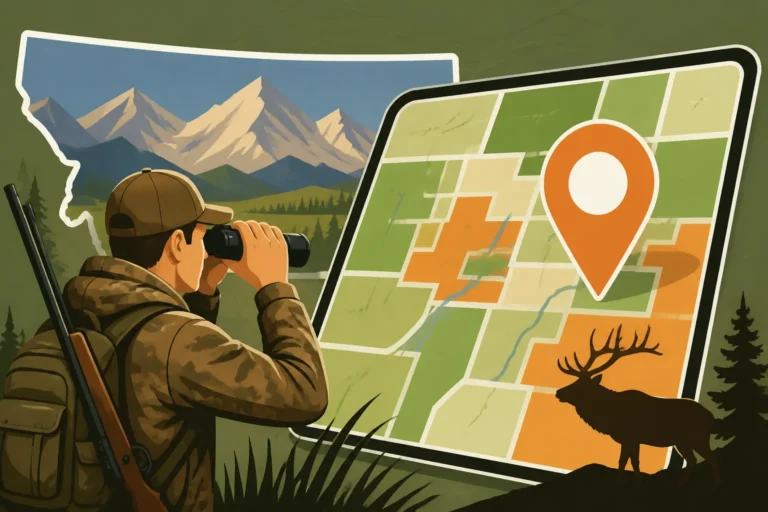
In the modern age, technology has become an indispensable aid for hunters seeking private land access. Mapping applications like onX Hunt are game-changers. With onX Hunt, you can overlay property boundaries directly onto satellite imagery, identifying land ownership details with incredible precision. This means you can pinpoint exactly whose land you're looking at, get their names and often contact information, and use that knowledge to make targeted requests. Instead of randomly knocking on doors, you can identify specific properties that hold elk (perhaps after extensive e-scouting from public land vantage points) and then research the landowner.
Another valuable resource is GoHunt, which provides detailed draw odds, application strategies, and unit breakdowns that can indirectly help inform your private land search by identifying high-potential areas. While GoHunt primarily focuses on draw data, knowing which units have higher elk densities or a reputation for quality animals can guide your private land inquiries. Before you even set foot in Montana, you can use these tools to identify potential properties, cross-reference them with aerial photography to spot likely elk habitat like dark timber or creek bottoms, and then begin the process of contacting landowners from afar. This level of preparation is key, and you can learn more about it in How to E-Scout Montana Hunting Units.
Commercial Avenues: Outfitter-Sponsored Tags and Leases
For non-residents, another common path to private land access, especially for elk, is through booking a guided hunt with an outfitter who has established private land leases or exclusive access agreements. Many reputable Montana outfitters have long-standing relationships with landowners, securing hunting rights on vast tracts of private ground. This often provides a higher likelihood of success and a more comfortable hunting experience, albeit at a significant financial cost.
These guided hunts often come with what are known as "outfitter-sponsored tags." Montana Fish, Wildlife & Parks (FWP) allocates a certain number of tags to licensed outfitters, which non-resident clients can apply for. This bypasses the general draw for the highly competitive nonresident combination licenses, making it a more reliable way to secure an elk tag. Understanding Montana Outfitter-Sponsored Tags Explained is crucial if you're considering this route. You can find excellent resources on choosing an outfitter in our How to Choose a Montana Hunting Outfitter guide.
Another option is a private land lease, where a hunter or group pays a landowner directly for hunting rights for a season or longer. These leases can be expensive and are often competitive, but they offer guaranteed access. This is more common for deer and antelope but exists for elk as well.
Here’s a quick comparison of the two primary private land access methods:
| Feature | Direct Landowner Contact (DIY) | Outfitter-Sponsored Tags/Leases (Commercial) |
|---|---|---|
| Cost | Low (time, effort, travel, potentially small gifts/services) | High (thousands to tens of thousands of dollars) |
| Tag Access | Requires drawing a general tag (non-resident combination) | Outfitter provides tag opportunity, bypassing general draw |
| Effort | High (research, networking, relationship building) | Moderate (vetting outfitter, booking, planning travel) |
| Success Rate | Varies wildly; depends on skill, effort, landowner goodwill | Generally higher due to exclusive access, professional guidance |
| Flexibility | High (can hunt independently, set own schedule) | Limited by outfitter's schedule, rules, and property |
| Timeframe | Can take years to build relationships | Can be booked relatively quickly (often 1-2 years in advance) |
| Hunter Type | Patient, persistent, resourceful, independent | Willing to invest, values convenience and higher probability |
Ethical Considerations and Best Practices
Once you've secured that coveted permission, your job isn't over. In fact, it's just beginning. How you conduct yourself on private land is paramount to maintaining that access for yourself and for other hunters in the future.
Respecting Landowners and Their Property
This is non-negotiable. The Golden Rule applies here tenfold. Always adhere strictly to any rules or restrictions the landowner sets, no matter how minor they seem. If they say no driving in a certain pasture, don't do it. If they ask you to only hunt a specific portion of their property, respect that boundary. Leaving gates as you found them (closed if closed, open if open), driving slowly on their roads, and parking where requested are basic courtesies that go a long way.
Never leave trash, spent casings, or any indication you were ever there, other than possibly a successful elk track or blood trail. Be mindful of livestock – cows, horses, sheep, etc. – and give them a wide berth. Remember, this is their livelihood. Avoid disturbing them or their fences. If you damage anything, report it immediately and offer to fix it or pay for repairs. A small gesture of appreciation, like a thank-you note, a gift basket, or even offering some processed elk meat, can solidify the relationship for future seasons. Your behavior directly reflects on every other hunter, so be an ambassador for our sport.
Wildlife Management and Landowner Goals
Often, landowners grant hunting access because they have specific wildlife management goals in mind. Perhaps they have too many antlerless elk depleting forage, or they're experiencing crop damage. By being clear about your hunting objectives and being willing to help them achieve theirs, you can become a valuable asset. For example, if a landowner needs to reduce cow numbers, being willing to target cow elk instead of just looking for a trophy bull might secure you access when others are turned away.
Understanding the specific dynamics of Montana Elk Herd Size and Population in a given area can help you have an informed conversation with landowners about their needs. Demonstrating that you understand the local wildlife patterns and are committed to ethical hunting practices, including proper field dressing and meat care, can build trust. Many landowners appreciate hunters who are knowledgeable and responsible, not just eager to pull a trigger. Being flexible and adaptable to their needs makes you a preferred guest.
Planning Your Private Land Elk Hunt
Securing permission is a huge hurdle, but it's just the start of planning a successful private land elk hunt. The next steps involve thorough preparation and understanding the unique dynamics of hunting on someone else's property.
Scouting and Preparation with Permission
Once you have explicit permission, respectful scouting is critical. Unlike public land where you might e-scout extensively and then hit the ground running, private land requires a more sensitive approach. Ask the landowner when and how you can scout. Some might allow you on foot, others might prefer you stay off the property until just before the season, or only allow driving certain roads. Always abide by their wishes.
During your permitted scouting trips, pay close attention to signs of elk: fresh tracks, droppings, rubs, and bedding areas. Identify pinch points, natural travel corridors, water sources, and feeding areas. If you're using onX Hunt, mark these waypoints on your map. Observe wind patterns and thermals, especially if the property has varied topography. Look for vantage points that allow you to glass large areas without disturbing elk. Even though it's private land, elk can still be pressured, so understanding their movements, especially during different times of the day or in response to weather, is key. You'll want to apply the same detailed observation skills you would for Montana Public Land Hunting Strategy, just within the confines of private property rules.
Gear Considerations for Private Land
While core hunting gear remains essential (good boots, appropriate clothing, quality optics), private land hunting can sometimes allow for slightly different gear considerations than a full-blown backcountry public land hunt. If vehicle access is close, you might not need to pack as light, allowing for a few more comforts at a base camp. However, don't mistake private land for easy hunting. Elk are still wild animals.
You'll still want excellent binoculars for glassing and a reliable rangefinder. If the property has open areas, a spotting scope can be incredibly useful. Pay particular attention to quiet clothing – stalking on private land, especially near agricultural fields, often requires extreme stealth. Consider portable ground blinds or tree stands if the landowner permits, as these can be effective ambush points, particularly in river bottom areas or near water holes. Always pack a first-aid kit, signaling devices, and all the essentials for field dressing and packing out your elk, no matter how close you are to a road. Even on private land, accidents happen, and a downed elk is heavy work. Consider durable game bags like those from Argali or KUIU to keep meat clean and cool, especially if you have a bit of a haul back to the truck. If you're thinking about a multi-day effort, make sure your Montana Backcountry Hunting Gear List is still well-rounded, even if you’re not as far from a road.
Remember, a successful private land elk hunt in Montana is a testament to perseverance, respect, and meticulous preparation. Good luck out there!
Disclaimer
Hunting is an inherently dangerous activity. This guide provides general information and recommendations, but it is not a substitute for professional instruction, landowner consultation, or strict adherence to all Montana Fish, Wildlife & Parks regulations. Always prioritize safety, understand and follow all hunting laws, and respect private property. The information on hunting districts and regulations can change, so always consult the latest FWP regulations.