Powder River Country Hunting Guide
Hunting the vast and often unforgiving Powder River Country in Montana can feel like stepping back in time, a place where the landscape demands respect and the game demands your best efforts. Many hunters find themselves overwhelmed by the sheer scale, the checkerboard of land ownership, and the sometimes-elusive nature of its famous big game. This comprehensive guide will peel back the layers of this iconic region, helping you understand its unique challenges and unlock the incredible hunting opportunities it offers.
Understanding Powder River Country's Unique Landscape for Hunting
The Powder River Country is a beast all its own, distinct from the high peaks of Western Montana or even the rolling prairies further north. If you've never hunted this part of the state, be prepared for an experience that blends wide-open spaces with surprisingly rugged pockets of cover. It's a land of subtle undulations and dramatic hidden features, where the savvy hunter can find solitude and success.
Geographic and Ecological Characteristics
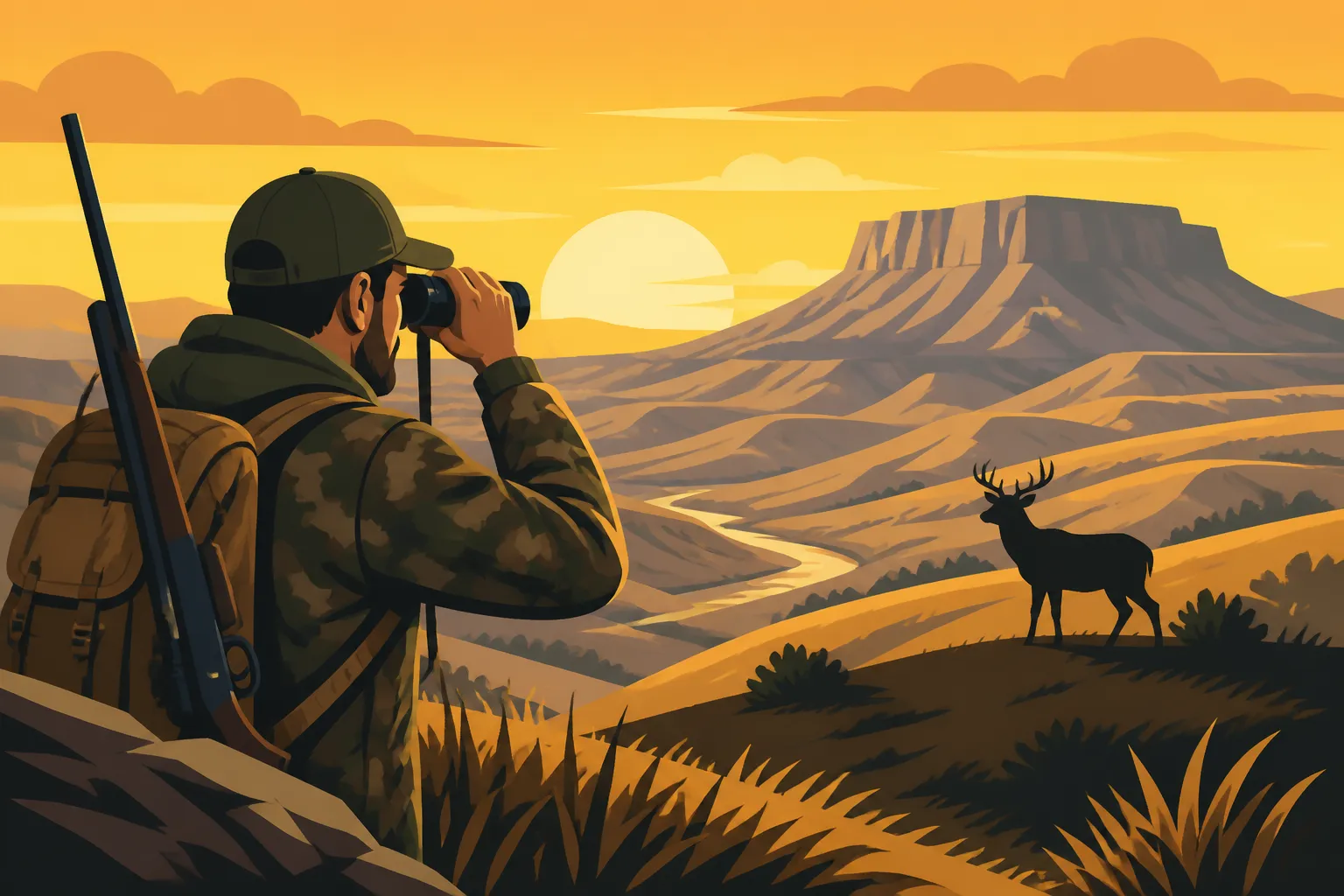
When you picture the Powder River Country, don't just think of endless flat grasslands. While open plains certainly dominate much of the area, especially in the eastern stretches, the topography is far more complex and varied. Closer to the Powder River itself and its numerous tributaries like the Tongue River or Little Powder River, you'll encounter a fascinating network of deeply eroded badlands, steep coulees, and river breaks. These areas are often characterized by exposed clay and sandstone formations, creating a moon-like landscape in places, broken by pockets of hardy sagebrush, greasewood, and scattered ponderosa pine on north-facing slopes.
The river bottoms themselves are ribbons of life, lined with dense stands of cottonwood trees, willow thickets, and various shrubs. These riparian zones are absolutely critical for wildlife, providing food, water, and essential thermal and security cover, especially during harsh winters or hot summers. Away from the rivers and breaks, the uplands consist of expansive sagebrush-grassland ecosystems. Water sources, beyond the main rivers, include stock ponds (tanks), intermittent creeks, and isolated springs, all of which act as magnets for game, particularly during dry periods. Understanding this diverse mosaic of habitats is the first step to figuring out where the animals live and how they move through this formidable terrain.
Accessing Public and Private Lands
One of the biggest hurdles and sources of frustration for hunters in Powder River Country is navigating the intricate patchwork of land ownership. You'll find a mix of public lands, including Bureau of Land Management (BLM) acreage, State Trust Lands, and even sections of the Custer Gallatin National Forest, alongside vast tracts of private ranch land. This checkerboard pattern means that what looks like wide-open country on a map can often be landlocked public parcels or private property you cannot access without permission. It's a common mistake for new hunters to assume all open ground is public, leading to trespassing issues.
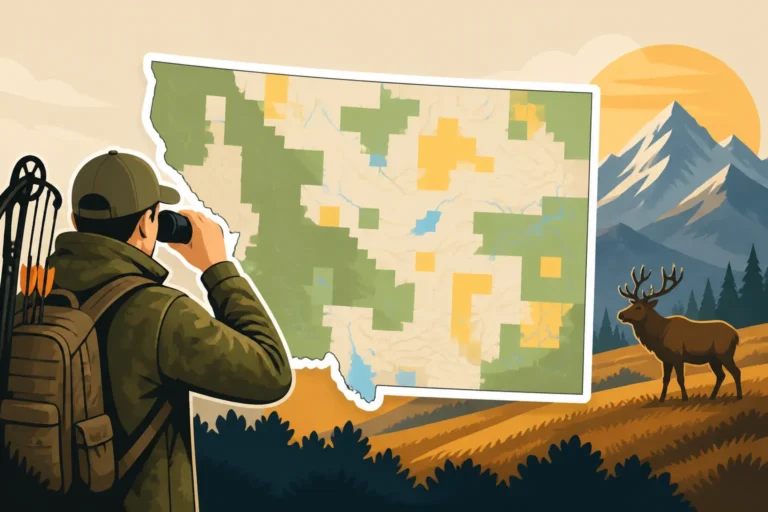
This is where tools like onX Hunt become an absolute necessity. With its detailed property ownership overlays, you can clearly distinguish public from private land, identify access roads, and avoid unintentional trespass. Many productive hunting areas are found within Montana's Block Management Areas (BMAs), which are private lands enrolled in a state program to provide public hunting access. These can be gold mines for accessing otherwise inaccessible areas, but they require careful research of specific rules, sign-in procedures, and often have quotas or specific hunting dates. Don't forget that building relationships with private landowners is still a highly effective way to gain access, though it takes time and courtesy. Knowing how to hunt Block Management Areas is key to success here.
Primary Game Species in Powder River Country
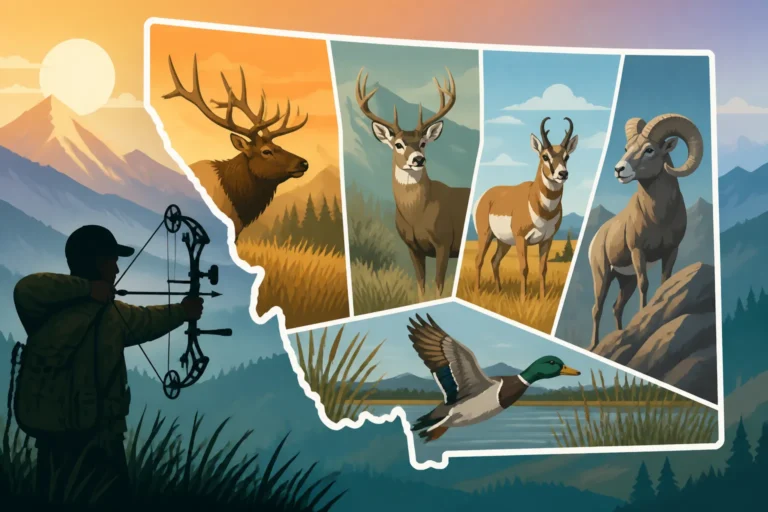
While elk might draw the most attention statewide, Powder River Country truly shines for its deer and antelope hunting. The vast, diverse landscape provides ideal habitat for several species, offering hunters different challenges and experiences depending on their target.
Mule Deer and Whitetail Deer Hunting
This region is a fantastic place to pursue both mule deer and whitetail deer, often within the same general area, though in distinct habitats. Mule deer are the kings of the breaks and badlands. You'll find them using the rugged, broken terrain for cover, bedding down on benches overlooking draws, and feeding in sagebrush flats adjacent to these features. Their camouflage blends seamlessly with the rocky, arid environment, making them incredibly challenging to spot. Effective mule deer hunting here often involves extensive glassing from elevated positions, followed by careful How to Spot-and-Stalk Montana Mule Deer. Early mornings and late evenings are prime times to catch them moving between bedding and feeding areas.
Whitetail deer, on the other hand, are almost exclusively found in the lush riparian corridors along the Powder River and its tributaries. These thick, brushy river bottoms provide everything they need: dense cover, reliable water, and abundant forage. Hunting whitetails here can be akin to hunting the Midwest, with tree stands, ground blinds, and still-hunting through the dense timber being common tactics. However, these river bottoms can be incredibly tough to navigate, with tangles of brush, old growth, and often deep snow later in the season. Keep an eye out for signs of Epizootic Hemorrhagic Disease (EHD), which can occasionally impact whitetail populations in certain drainages, though the populations generally remain robust. If you're looking for more general information on these species, our Montana Mule Deer Hunting Guide and Montana Whitetail Deer Hunting Guide offer deeper insights.
Antelope Hunting
For many, Powder River Country is synonymous with antelope hunting. The wide-open sagebrush flats and rolling grasslands are prime habitat for these speed demons, which are the fastest land animals in North America. Antelope are typically found in herds, often grazing in pastures or moving across vast expanses. Spotting them is rarely the problem; it's getting within range that proves challenging due to their keen eyesight and incredible speed.
The most common and often most effective method for antelope here is spot-and-stalk. This involves using high-quality optics to locate a herd or a particular buck, then planning an approach using topography and vegetation to stay hidden. This can mean crawling for hundreds of yards or using distant coulees for cover. Decoying is another popular and exciting method, especially during the rut. A buck decoy can sometimes draw in an aggressive rival, leading to a close-range shot opportunity. Water holes are also key, particularly during dry, warm early seasons. Setting up a ground blind over an active water source can be a highly productive way to harvest an antelope. Learn more about these tactics in our How to Decoy Antelope in Montana and Montana Antelope Hunting Guide.
Elk and Other Opportunities
While Powder River Country isn't traditionally known as a prime elk destination compared to the western mountains, there are indeed scattered herds present. These elk often utilize the most rugged breaks and larger pockets of timber, particularly where they can find sanctuary on private ranches or in less accessible public lands within the Custer Gallatin National Forest. Hunting elk here requires a different mindset; it's less about calling in the rut (though that can happen) and more about methodical scouting, understanding their often isolated pockets, and being prepared for a tough stalk in challenging terrain. Don't go in expecting huge herds, but don't count them out entirely. Our Montana Elk Hunting Guide provides a broader overview of hunting these animals across the state.
Beyond the big game, Powder River Country offers fantastic opportunities for other species. Spring black bear hunting can be productive in areas with decent timber cover, particularly in the breaks and along drainages where bears emerge from hibernation and seek fresh forage. Upland bird hunting is also very popular, with sharp-tailed grouse abundant in the grasslands and pheasants thriving in agricultural areas and river bottoms. Waterfowl hunting along the Powder River and its associated wetlands can also be excellent during migration periods.
License, Regulations, and Planning Your Hunt
Embarking on a hunting adventure in Montana's Powder River Country requires a thorough understanding of the state's licensing system, regulations, and diligent planning. It's a complex system, especially for non-residents, and a lack of preparation can quickly derail your trip.
Navigating Montana's License System
Montana's hunting license system can be confusing, with different licenses, permits, and points. For big game, most hunters will need a base hunting license, conservation license, and an appropriate deer or elk tag. Non-residents typically apply for a combination license, such as the Nonresident Big Game Combination (elk and deer) or the Nonresident Deer Combination. These combination licenses are highly sought after and allocated through a lottery draw system. Understanding the draw odds and the role of preference points (which increase your odds of drawing a combination license) and bonus points (which increase your odds for limited-entry permits) is crucial. Resources like GoHunt can be invaluable for analyzing draw odds and strategizing your applications.
Applications for most big game draws close in April, so planning well in advance is essential. It's not uncommon for non-residents to take several years to draw a coveted elk or deer combination license, though some units, particularly those in Eastern Montana, might have better odds. Always consult the current Montana FWP regulations for specific season dates, hunt codes, and tag requirements for the hunting districts you're interested in. Our Montana Hunting Seasons Explained article provides a comprehensive overview, and for non-residents, understanding the Montana Nonresident License Draw Explained is paramount. Be aware that some districts, especially for elk, might require a specific limited-entry permit drawn through the bonus point system, separate from your general combination license.
Key Considerations for Powder River Hunter Success
Success in Powder River Country is rarely accidental; it's the result of meticulous planning and adapting to the region's unique conditions. E-scouting is your first line of defense. Utilizing mapping software like onX Hunt to identify public land, potential access points, water sources, and terrain features is critical before you even leave home. Look for roadless areas or those with limited access, as these often hold less pressured animals. However, nothing beats boots-on-the-ground scouting if possible, as photos and maps can't fully convey the scale and ruggedness of the terrain. For more details, check out How to E-Scout Montana Hunting Units.
Weather can be a major factor. Early season hunts (archery, early rifle) can be surprisingly hot, requiring careful planning for meat care immediately after a harvest. Later in the season, snow and extreme cold can drastically change animal movement patterns and make travel challenging. Always be prepared for drastic temperature swings. Physical conditioning is also important. While much of Powder River Country appears flat, navigating the steep, broken terrain of the breaks or dragging an animal out of a deep coulee is physically demanding. Finally, respect for the land and landowners is non-negotiable. Always know your boundaries, pack out everything you pack in, and if you're on a Block Management Area, adhere to all rules strictly. This ensures these valuable public access programs continue for future hunters. Even if you're not in the "backcountry" of the mountains, a successful hunt here can be a true Montana Backcountry Hunting Guide experience in terms of self-reliance and grit.
| Game Species | Primary Habitat | Common Tactics | License/Tag Notes |
|---|---|---|---|
| Mule Deer | Breaks, Badlands, Sagebrush Hills | Spot-and-Stalk, Glassing | General Deer Tag (often on combo) |
| Whitetail Deer | River Bottoms, Riparian Areas | Tree Stands, Ground Blinds, Still-Hunting | General Deer Tag (often on combo) |
| Antelope | Open Plains, Sagebrush Flats | Spot-and-Stalk, Decoying, Water Hole Blinds | Specific Antelope Tag (separate draw) |
| Elk | Rugged Breaks, Private Land Pockets, Timber Patches | Spot-and-Stalk, Glassing, Limited Calling | General Elk Tag or Special Permit |
| Black Bear | Timbered Breaks, Riparian Areas | Spot-and-Stalk, Baiting (where allowed) | Spring Bear Tag (draw or OTC depending on unit) |
| Upland Birds | Grasslands, Riparian, Agricultural | Flushing, Dog Hunting | Upland Bird License |
Disclaimer
Please remember that hunting regulations, season dates, and access policies in Montana can change annually. Always consult the current year's Montana Fish, Wildlife & Parks (FWP) regulations and maps before planning and executing your hunt. The information provided here is for general guidance only.