Pryor Mountains Hunting Guide
Hunting in the Pryor Mountains can feel like stepping back in time, a rugged and often unforgiving landscape that promises immense challenge alongside unparalleled reward. Many hunters find themselves daunted by the complex landownership, the steep canyons, and the sheer scale of this unique range, making it tough to even know where to begin planning a trip. This guide aims to demystify the Pryor Mountains, offering practical advice on everything from understanding the diverse terrain and target species to navigating access points and crafting effective hunting strategies for a truly memorable Montana experience.
Overview of the Pryor Mountains Hunting Experience
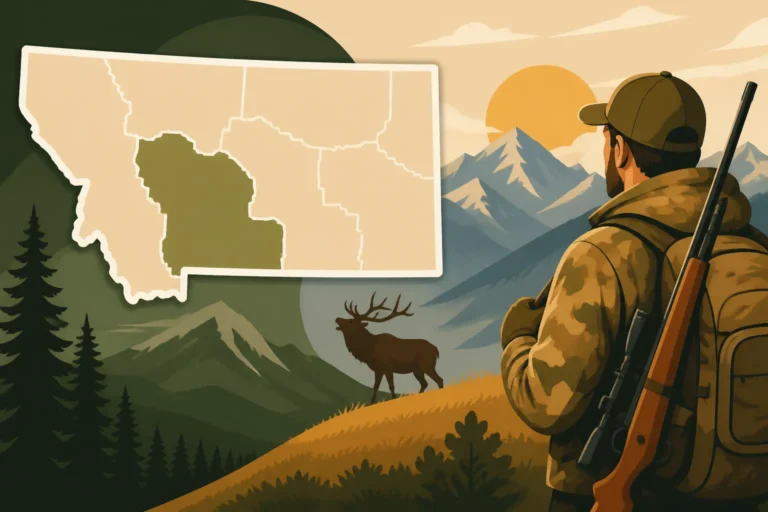
The Pryor Mountains, often called the "Pryor Pocket," are a truly singular hunting destination in south-central Montana, stretching down into northern Wyoming. This is not your typical vast, contiguous national forest or open prairie. Instead, it’s a distinct mountain range that rises dramatically from the surrounding plains, offering an incredible diversity of ecosystems packed into a relatively small area. Hunters who come here are looking for an adventure, not just a hunt, because the Pryors demand a lot but can also give back in spades.
Unique Landscape and Ecosystem
What makes the Pryor Mountains so special from a hunting perspective is their incredible ecological diversity and geological features. You'll find everything from arid sagebrush flats at the lower elevations, similar to those found in much of Eastern Montana for antelope, to dense Douglas fir forests, aspen groves, and even subalpine meadows at higher elevations. The geology itself is fascinating, with dramatic limestone cliffs, deep canyons carved by ancient rivers, and unique rock formations that provide endless nooks and crannies for game to hide. Water sources can be sparse in some areas, especially during dry years, which can concentrate game around springs or seasonal seeps. This varied landscape means that successful hunting here often requires adaptability and a willingness to move through dramatically different cover types, often within the same day. Understanding these ecological zones is crucial for anticipating game movement and patterns. For instance, mule deer might be found browsing in the aspen groves in the morning and bedded in the shade of dense timber as the day progresses. The sheer ruggedness of the terrain also means that while you might find a decent road to start on, you'll likely be hiking through steep, uneven ground very quickly, making a physical fitness plan critical for a successful hunt.
Understanding Land Ownership and Regulations
One of the biggest hurdles for new and even experienced hunters in the Pryor Mountains is the patchwork of land ownership. The range is managed by a combination of the Bureau of Land Management (BLM), the U.S. Forest Service (specifically the Custer Gallatin National Forest), state lands, and significant portions that are part of the Crow Indian Reservation. On top of that, there are private land holdings scattered throughout. Navigating these boundaries is paramount to hunting legally and ethically. Before you even set foot in the Pryors, investing in a high-quality mapping app like onX Hunt is almost non-negotiable. This tool will clearly show you public land, private land, and tribal land boundaries, helping you avoid accidental trespassing.
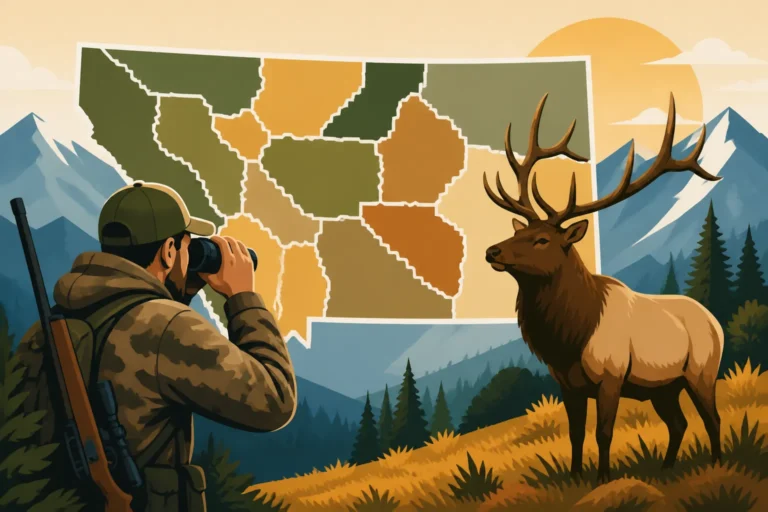
It's absolutely essential to remember that hunting on Crow Tribal Lands requires separate tribal permits and adherence to their specific regulations, which are entirely different from Montana Fish, Wildlife & Parks (FWP) regulations. You cannot hunt tribal lands with a standard Montana state license. Furthermore, some areas within the Pryors are designated as wilderness study areas or special management areas, which might have additional restrictions on vehicle access or even camping. Always cross-reference your maps with the latest FWP regulations for the specific hunting districts you plan to target. Knowing the intricacies of Montana Hunting Districts Explained will be a huge advantage when planning your trip.
Key Game Species and Seasons in the Pryors
The Pryor Mountains are home to a remarkable array of big game, offering diverse opportunities for hunters willing to put in the effort. The most sought-after species are elk and mule deer, but the range also supports populations of other exciting game. Understanding the typical seasons and the unique behavior of these animals in this specific environment is key to planning a successful hunt.
Elk and Mule Deer Opportunities
Elk hunting in the Pryor Mountains can be incredibly rewarding, but it's rarely easy. The elk here are often pressured, particularly during the Montana General Rifle Season Dates, and they are masters at utilizing the rugged terrain, especially the thick timber and deep canyons, to evade hunters. During archery season, however, the deep cuts and varied terrain can provide excellent cover for hunters employing calling tactics or spot-and-stalk methods. Bulls will often bugle from the timbered slopes, echoing off the canyon walls, and understanding Montana Elk Hunting: Calling Tactics can be a game-changer. These elk move between different elevations depending on pressure and forage, often retreating to higher, thicker timber during the day and descending to more open parks or benches to feed in the early mornings and late evenings.
Mule deer are another cornerstone species in the Pryors. The mix of open sagebrush, rimrock, and timber provides ideal habitat for them. You'll find mule deer often congregating in the draws and breaks at lower elevations in the early season, then moving higher as the season progresses or hunting pressure increases. Spot-and-stalk hunting is a very effective strategy for mule deer in the more open sections of the Pryors, especially if you know How to Glass Montana's Big Country effectively. The broken country with its numerous small pockets of cover allows mule deer to disappear quickly, making patience and thorough glassing critical. Both elk and mule deer hunting in the Pryors often means covering significant ground on foot, traversing steep slopes and navigating dense cover, so preparing for a Montana Backcountry Hunting Guide type of experience is wise.
Other Huntable Species and Special Draws
Beyond elk and mule deer, the Pryor Mountains offer a few other intriguing hunting prospects. Black bear populations are healthy in the timbered areas, particularly in the spring when bears are emerging and foraging, and again in the fall as they prepare for hibernation. A bear tag can be a great addition to an elk or deer hunt, offering a bonus opportunity if you encounter one. Mountain lions also roam the Pryors, though hunting them is often done with hounds and requires specific permits.
For those seeking truly coveted tags, the Pryor Mountains are home to a small, isolated herd of Bighorn Sheep. Drawing a Bighorn Sheep permit here is incredibly difficult, often requiring many years of applying and building How Montana Bonus Points Work. These hunts are typically for seasoned mountain hunters and require extensive physical conditioning and preparation. While these special permits are exceptionally rare, it adds to the allure and mystique of the Pryor Mountains for many. For general hunters, understanding the broader Montana Hunting Seasons Explained will help you plan for all potential opportunities.
| Species | Typical Season (General) | Key Challenges |
|---|---|---|
| Elk | Archery, General Rifle | Rugged terrain, heavy timber, high pressure |
| Mule Deer | Archery, General Rifle | Broken country, quick disappearances, elevation |
| Black Bear | Spring, Fall | Dense cover, unpredictable movement |
| Bighorn Sheep | Fall (Permit Only) | Extreme terrain, rare permits, physical demand |
| Mountain Lion | Fall/Winter (Permit/Quota) | Hounds often used, specific regulations |
Accessing the Pryor Mountains
Reaching and navigating the hunting grounds within the Pryor Mountains presents its own set of challenges. Unlike some more developed hunting areas, infrastructure here is minimal, and road conditions can vary dramatically. Understanding your access options and preparing for potentially primitive travel is crucial for a successful and safe hunt.
Common Entry Points and Road Conditions
The primary access points into the Pryor Mountains generally come from the north, particularly near Bridger, Montana, or from the west via the Dry Fork/Warren area, southeast of Edgar. From the north, you might use roads like the Pryor Mountain Road (often called the Sykes Ridge Road), which winds up into the range. From the west, roads like Big Pryor Road or Crooked Creek Road can lead into various segments. These are mostly gravel and dirt roads, and their condition can range from well-maintained to severely rutted and impassable, especially after heavy rains or snow. A high-clearance 4×4 vehicle is strongly recommended, if not essential, for reaching many of the more remote trailheads or popular hunting spots.
During the late archery or general rifle seasons, snow can become a significant factor at higher elevations, making roads treacherous or completely closing them off. Always check local road reports, weather forecasts, and consult with the BLM or Forest Service offices in nearby Billings or Lovell, Wyoming, before heading out. Many prime hunting areas require foot travel beyond these primitive roads, meaning you'll need to be prepared for How to Pack Into the Montana Backcountry and have sturdy boots. Don't underestimate the time it takes to cover ground, even with a vehicle, as the roads can be slow-going.
Navigating Public, Private, and Tribal Boundaries
As mentioned earlier, the land ownership mosaic in the Pryor Mountains is complex. Once you're off the main access roads and deeper into the hunting areas, you'll constantly be crossing between BLM, Forest Service, state, private, and Crow Tribal lands. This is where tools like How to Use onX for Montana Hunting become invaluable. These mapping apps use GPS to show your exact location relative to land boundaries, ensuring you always know where you stand. Without such a tool, you risk inadvertently trespassing, which can lead to serious legal trouble and a ruined hunt.
It is critical to carry physical maps as a backup, especially in areas where cell service is non-existent, which is common throughout much of the Pryors. Pay close attention to fencing, signage, and natural boundaries. Always assume private land is not open to hunting unless you have explicit permission from the landowner, and never cross tribal lands without the appropriate permits. Some small parcels of public land can be "landlocked" by private or tribal holdings, making them inaccessible without permission. Identifying these ahead of time with tools like How to E-Scout Montana Hunting Units can save you significant frustration and wasted time on your hunt.
Effective Hunting Strategies for the Pryors
Hunting in the Pryor Mountains requires a blend of preparation, persistence, and adaptable tactics. This isn't a place for casual hunting; it's a destination for hunters who relish a challenge and are willing to work for their success. Developing a solid strategy, both before and during your hunt, is absolutely essential.
Scouting and E-Scouting Essentials
Pre-season scouting, whether physical or virtual, is the foundation of a successful Pryor Mountains hunt. Begin your planning by thoroughly E-scouting using satellite imagery and topographic maps. Look for key terrain features: north-facing slopes with dark timber that hold elk, south-facing slopes for early season mule deer, saddles and benches that serve as travel corridors, and perennial water sources. Identify potential bedding areas, feeding zones, and escape routes. Pay close attention to areas that look difficult to access, as these often hold less pressured animals. Websites like GoHunt provide valuable insights into draw odds and unit information that can help you narrow down your focus.
If possible, a physical scouting trip before the season can provide invaluable on-the-ground intelligence that maps simply can't. You'll get a feel for the terrain, verify water sources, and potentially find fresh sign. Even a hike into your chosen area can confirm access roads, identify potential campsite locations, and help you mentally prepare for the physical demands. Look for areas with diverse habitat, where timber meets open parks, or where broken country offers cover and visibility. Think about how animals will use the landscape based on time of day, weather, and hunting pressure. The more you know before you arrive, the more efficient and effective your actual hunt will be.
On-the-Ground Tactics and Gear Considerations
Once you're in the Pryors, your hunting tactics will largely depend on your target species and the specific conditions. For elk, a combination of still-hunting through timber, using thermals to your advantage in the mornings and evenings, and strategic calling can be effective. Elk often bed in the dark timber during the day, so slow, quiet movement and keen observation are crucial. During the rut, knowing How to Bugle-Locate a Montana Bull Elk can be exhilarating and effective. For mule deer, spot-and-stalk is often the most productive method, especially in the more open, broken country. Position yourself on a high point at first light, glass thoroughly, and once you locate an animal, plan your approach carefully, always using the wind and terrain to your advantage.
Gear-wise, durability and reliability are paramount. Sturdy hiking boots that are well broken-in are a must for the rocky, steep terrain. A quality backpack, like those recommended in a Montana Backcountry Hunting Gear List, is essential for carrying water, food, emergency supplies, and potentially packing out meat. Good optics, including binoculars and a spotting scope, are indispensable for covering vast amounts of ground and identifying game from a distance, as detailed in Best Optics for Montana Big Game. Don't forget layers of clothing to adapt to rapidly changing mountain weather, from warm sunny days to cold, windy conditions and even snow. Carry ample water, a first-aid kit, a headlamp, and navigation tools (GPS, compass, physical map) at all times. Being prepared for anything will allow you to focus on the hunt itself, rather than worrying about discomfort or emergencies.
Disclaimer
Please remember that hunting regulations and season dates can change frequently. Always consult the official Montana Fish, Wildlife & Parks (FWP) regulations for the current year before planning any hunting trip. This guide provides general information and recommendations but should not be considered a substitute for official FWP documentation or direct communication with game wardens or local authorities. Ethical hunting practices and adherence to all laws are the responsibility of the individual hunter.