Montana Elk Summer vs Fall Range
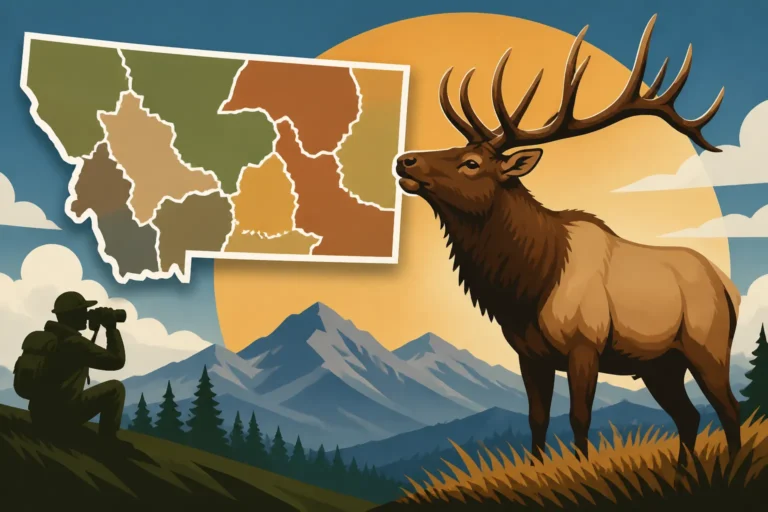
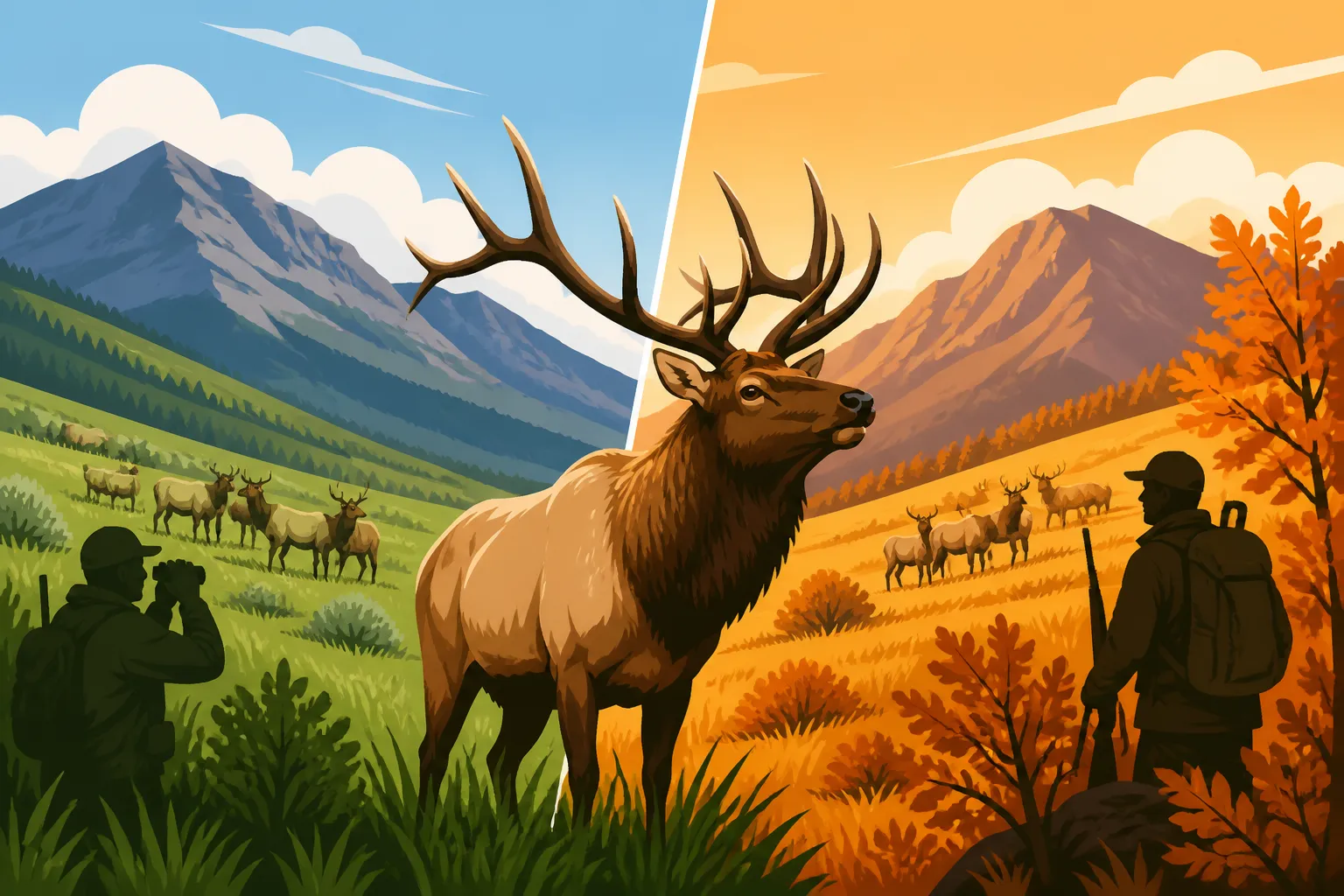
One of the biggest puzzles for any hunter in Big Sky Country is figuring out where the elk are going to be. It’s not like they stay put in one spot all year; these magnificent animals are constantly on the move, shifting their locations dramatically with the changing seasons. This guide is all about breaking down the mysteries of Montana elk summer vs. fall range, helping you understand their seasonal movements so you can be a more effective and successful hunter.
Understanding Montana Elk Summer Range
When the snow finally melts off the high peaks and the green-up begins, Montana's elk herds head for their summer pastures. It's a time of plenty, where they can pack on calories and recover from the long, lean winter months. Thinking of it like a grand summer vacation, they disperse into areas that offer specific benefits for growth and survival.
Characteristics of High-Country Summer Habitat
During the summer, you'll find elk primarily in higher elevations, often well above 7,000 feet, sometimes even pushing 10,000 feet in the Absaroka-Beartooth Wilderness or parts of the Beaverhead-Deerlodge National Forest. These areas are characterized by vast, open alpine meadows interspersed with dense pockets of dark timber, typically spruce and fir. The timber provides crucial thermal cover, protecting them from the intense summer sun and shielding them from bothersome insects like flies and mosquitoes. The meadows are a smorgasbord of nutrient-rich forbs and grasses, essential for cows to nurse calves and bulls to grow their impressive antlers. Think about the lush basins you see in July, brimming with wildflowers and vibrant green growth – that's prime summer elk country. Water sources are also abundant, with countless small streams, seeps, and wallows scattered throughout the high country, providing both hydration and a way to cool off.
Behavioral Patterns in Summer
In their summer range, elk generally exhibit more relaxed and dispersed behavior compared to other seasons. Bulls are usually in bachelor groups, focused intently on feeding to fuel their antler growth. You might see groups of 5-15 bulls, often in areas with plenty of feed and protective timber nearby. Cows, on the other hand, are busy raising their calves. Cow-calf groups tend to be smaller and more spread out, sticking close to secure calving grounds and areas with good forage and escape cover. They are incredibly wary during this time, and a cow's primary instinct is to keep her young safe. Because hunting pressure is virtually nonexistent in most general units during summer, elk can be found in more open areas, sometimes even feeding into meadows during broad daylight, though they'll still retreat to timber for their mid-day bedding. Understanding these patterns is key when planning your preseason scouting, as their summer habits directly influence where they'll start their fall movements.
Transitioning to Fall: The Migration Begins
As the days shorten and the crisp bite of autumn enters the air, a fundamental shift occurs in the elk world. This transition from their high-elevation summer havens to their more accessible fall and winter ranges is a critical period for hunters to understand. It's not a sudden, overnight exodus but often a gradual, responsive movement dictated by several factors.
Factors Triggering Fall Movement
The primary triggers for elk migration from summer to fall range are usually declining forage quality, increasing hunting pressure, and, perhaps most significantly, changing weather patterns. As summer forbs mature and dry out, their nutritional value plummets. Elk are constantly seeking the most palatable and nutritious food sources, so they'll start to move to lower elevations where grasses and browse might stay green longer or where specific mast crops become available. The opening of archery season, typically in early September, immediately introduces human pressure into their high-country sanctuaries. This can cause them to become more nocturnal or to shift into thicker cover.
However, the most dramatic catalyst for movement is often the weather. Early season snowstorms, especially those that accumulate several inches or more in the high country, are a powerful signal. These storms push elk off the highest ridges and into more sheltered, often lower-elevation areas where feed is still accessible and energy expenditure is lower. Without significant snow, some elk might linger in their summer ranges well into the general rifle season, especially if the feed is good and pressure is low. This variability is why Montana Elk Migration Patterns are never an exact science.
Key Features of Fall Range
The fall range for elk can vary immensely depending on the specific hunting district and local geography. Generally, it's at lower to mid-elevations, often characterized by a mix of timbered slopes, aspen groves, and open parks. These areas provide a critical balance of cover and forage. During the early part of fall, leading into the peak rut, elk will often congregate in thicker timber patches, using the cover for security as bulls become more vocal and competitive. As the rut progresses and hunting pressure mounts, they become incredibly adept at using even small pockets of cover to avoid detection. You'll find them in drainages, on north-facing slopes that hold snow longer, or seeking refuge in dense stands of Lodgepole pine or Douglas fir. Often, these areas are closer to winter range, providing an easier transition as colder weather sets in. Think of the brushy draws and timbered ridges you hike through in October; these are classic fall elk haunts. Understanding How to Find Elk in Montana Dark Timber becomes paramount during this time.
Deciphering the "Why": Drivers of Elk Movement
Understanding where elk go is only half the battle. To truly get into their heads and predict their movements, you need to understand why they move. It’s a complex interplay of instinct, survival, and environmental factors that constantly shapes their decisions.
The Influence of Food, Water, and Cover
At its core, elk movement is driven by their fundamental needs: food, water, and cover. During the summer, the high country offers an abundance of nutrient-rich forage and cool, shaded bedding areas, so they spread out to take advantage of it. As temperatures drop and forage quality declines in the high country, elk are forced to seek out new food sources at lower elevations. This might be a shift to south-facing slopes that get more sun and green up earlier or hold less snow, allowing access to dormant grasses. They also need reliable water sources. While streams and springs are plentiful up high in summer, some dry up in the fall, forcing elk to move to perennial water sources like larger creeks or rivers. Cover is equally vital. Whether it's thermal cover to protect them from extreme temperatures, security cover to hide from predators (including hunters), or bedding cover for rest, dense timber is a non-negotiable part of their habitat. They'll often move between feeding areas and bedding areas, sometimes covering significant distances in a single day or night, always seeking that ideal combination of resources.
Pressure and Weather Systems
Human pressure is an immense driver of elk movement during hunting season. Even light pressure can push elk into areas they might not otherwise choose, opting for security over prime forage. Hunters pushing into high-traffic areas during early archery season can cause elk to move deeper into roadless areas or onto private land if available. Later in the season, during rifle hunts, constant disturbance can turn day-active elk into almost entirely nocturnal animals, forcing them to feed at night and bed down in the thickest, darkest timber during the day.
Weather, as mentioned earlier, is a profound influence. The first significant snowfalls often act as a strong migratory trigger, pushing elk from the highest elevations down to more sheltered areas. But it's not just snow; prolonged cold snaps, high winds, and even changes in barometric pressure can impact their behavior. A sudden cold front can cause elk to move off exposed ridges and into dense timber, seeking thermal protection. Conversely, a warm spell can scatter them, making them harder to pinpoint. This is where tools like GoHunt can be incredibly helpful, allowing you to monitor weather patterns and snowfall in specific hunting districts, giving you a predictive edge on where elk might be moving. Understanding these atmospheric shifts is a critical component of Montana Elk Hunting Strategy.
Applying Knowledge: Hunting Strategies for Each Season
Knowing the difference between summer and fall ranges for elk is more than just trivia; it's the foundation for developing effective hunting strategies. Each season presents unique challenges and opportunities that demand a tailored approach.
E-Scouting and Summer Reconnaissance
Before you even set foot in the field, robust e-scouting is non-negotiable for understanding Montana Elk Summer vs Fall Range. Tools like OnX Hunt or GoHunt provide satellite imagery and topographic maps that allow you to identify potential summer and fall ranges from your couch. Look for high-elevation basins with a mix of open meadows and dark timber for summer range. Pay attention to north-facing slopes, prominent drainages, and areas with dense canopy cover that might serve as security cover. For potential fall range, identify lower-elevation timbered ridges, saddles, and bench systems that connect summer grounds to traditional wintering areas. Look for pinch points, old logging roads, and natural funnels that elk might use during migration.
Beyond e-scouting, summer reconnaissance is invaluable. A hike or two into potential summer range in July or August, not necessarily with a bow or rifle, can confirm your e-scouting observations. Look for fresh tracks, droppings, rubs (if early enough for bulls), and wallows. This helps you confirm elk presence and understand their preferred summer travel corridors and bedding areas. Knowing where elk are in the summer gives you a starting point for predicting where they will be when the hunting seasons open. This kind of firsthand knowledge can make all the difference, especially in challenging terrain like the Montana Backcountry Hunting Guide areas.
Adapting Tactics for Fall Hunting
Once fall arrives and hunting season is underway, your tactics must shift based on the elk's migratory patterns. Early in the archery season, especially before significant weather hits, some elk might still be in their high-country summer ranges. This can present opportunities for a strenuous but rewarding spot-and-stalk hunt, especially for bachelor bull groups. However, as the rut kicks in, typically late September into early October, elk will begin to congregate, often moving to slightly lower elevations but still preferring good timbered cover. This is prime time for calling, employing techniques like cow calls, bugles, and even raking to draw in bulls.
As rifle season opens and pressure increases, elk will become much warier. They'll often retreat to the thickest timber, often referred to as "dark timber," moving primarily at dawn and dusk, or even just at night. Your focus should shift to still-hunting through dense cover, ambushing them along travel corridors, and hunting transition areas between bedding and feeding. Learning How to Hunt Montana's General Rifle Season means being patient, moving slowly, and paying close attention to wind and thermals. Late-season hunts, often coinciding with colder temperatures and deep snow, will find elk pushed into their winter ranges, typically lower elevations with readily available forage. This is when How to Hunt Montana's Late-Season Migration becomes key, focusing on south-facing slopes and areas where snow depth is manageable for elk.
Here's a quick comparison of general characteristics for Montana elk summer vs. fall range:
| Feature | Summer Range (High Country) | Fall Range (Transition/Lower) |
|---|---|---|
| Elevation | High (7,000-10,000+ feet) | Mid to lower (4,000-7,000 feet, depending on region) |
| Forage | Abundant, nutrient-rich forbs, grasses, browse | Declining forage quality, reliance on specific browse/grasses |
| Cover | Dark timber (spruce/fir) for thermal and security | Dense timber (lodgepole, Douglas fir) for security/bedding |
| Water | Numerous small streams, seeps, wallows | Larger perennial streams, rivers, springs |
| Elk Density | Dispersed (bachelor groups, small cow/calf groups) | Can be concentrated (rutting grounds, post-pressure) |
| Behavior | Relaxed, visible, focus on feeding/antler growth/calf rearing | Wary, nocturnal, rutting activity, evasion from pressure |
| Triggers for Move | Green-up, warm weather | Declining forage, hunting pressure, snow/cold weather |
| Hunting Strategy | Preseason scouting, glassing high basins | Calling, still-hunting, ambushing travel corridors |
| Scouting Tips | Look for lush meadows, old wallows, higher trail systems | Focus on saddles, drainages, dark timber, access routes |
Disclaimer
Hunting is an inherently dangerous activity. This guide provides informational content only and does not guarantee success or safety. Always consult the latest Montana Fish, Wildlife & Parks regulations, ensure you have the proper licenses and tags, and prioritize safety in the field. Conditions can change rapidly, and personal responsibility is paramount.