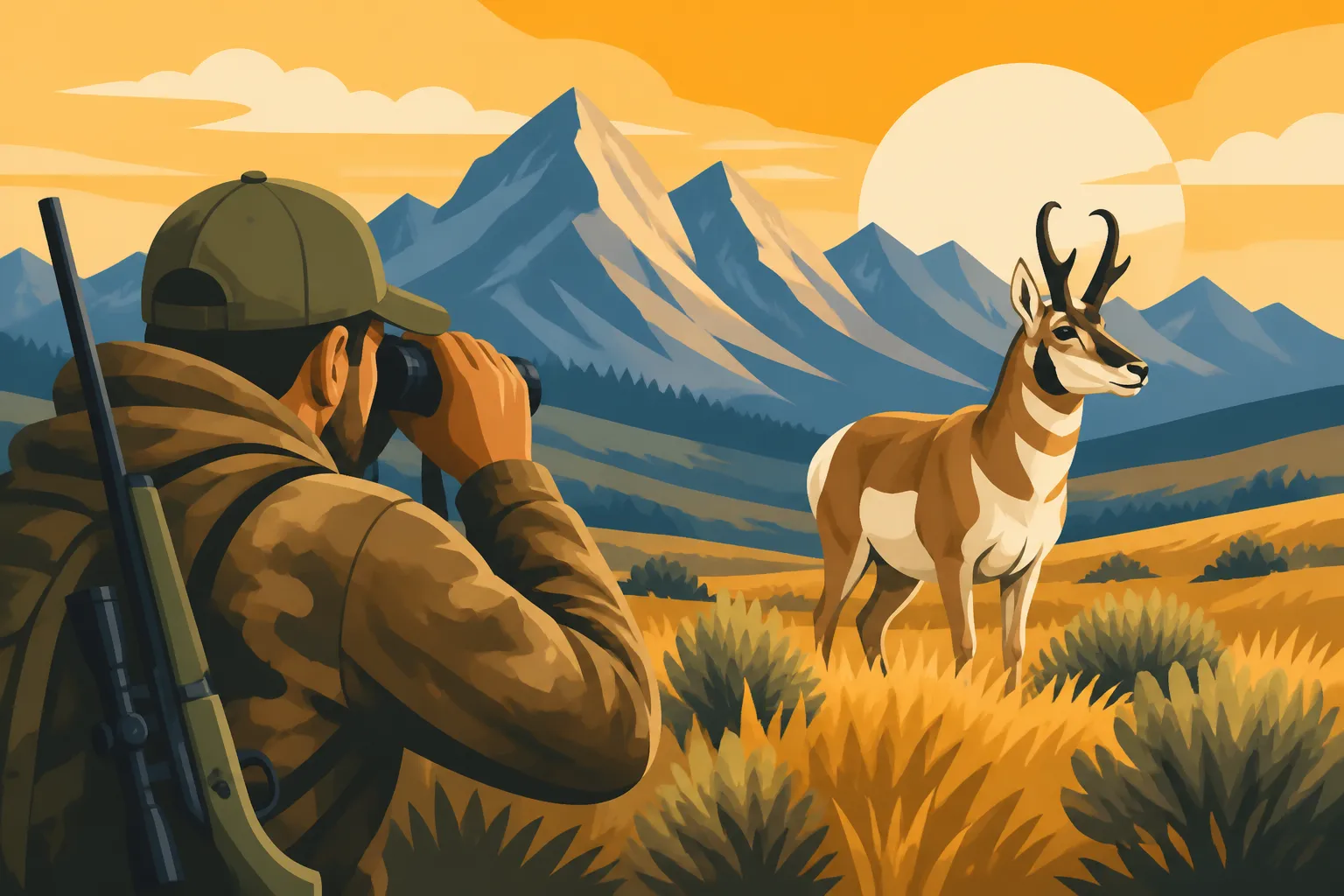
Montana Guided Antelope Hunts
The vast, open landscapes of Montana, with their stunning vistas and healthy antelope populations, call to many hunters. However, the sheer scale of the terrain, combined with the nuances of public versus private land access and the competitive tag draw process, can feel incredibly overwhelming, especially for those new to hunting "speed goats" in Big Sky Country. This comprehensive guide is designed to demystify the world of guided antelope hunts in Montana, walking you through everything from what to expect to how to choose the perfect outfitter.
Why Consider a Guided Antelope Hunt in Montana?
Many hunters dream of a do-it-yourself (DIY) adventure, and Montana certainly offers that opportunity. Yet, for an animal as unique and challenging as the pronghorn, a guided hunt often provides a significant advantage, transforming potential frustration into a higher likelihood of success and a truly memorable experience.
Overcoming DIY Challenges and Maximizing Access
Let's be honest, trying to find good antelope habitat, secure access, and effectively hunt these keen-eyed animals on your own can be a steep learning curve. Montana has millions of acres of public land, but much of it can be fragmented, landlocked, or simply devoid of significant antelope numbers. The best antelope often frequent agricultural areas or vast private ranches. For many DIY hunters, securing permission on private land is a monumental, often impossible, task. This is where a guided hunt shines. Outfitters frequently have established relationships with landowners, securing exclusive access to prime private ground where antelope thrive, often unpressured by the general public. This alone can dramatically increase your chances of not just seeing antelope, but encountering mature bucks.
Beyond access, the sheer challenge of effectively hunting antelope cannot be overstated. These animals possess incredible eyesight, capable of spotting danger from miles away in their wide-open habitat. They're also incredibly fast. Without intimate knowledge of the local terrain, antelope travel patterns, and their escape routes, a DIY hunt can quickly turn into a disheartening game of cat and mouse. An outfitter eliminates many of these headaches, providing a path to access that would otherwise be unavailable, and reducing the stress of navigating unfamiliar regulations and hunting pressure.
Advantages of Professional Expertise and Logistics
A seasoned Montana outfitter doesn't just provide land access; they offer a wealth of experience and expertise that is invaluable. They live and breathe the local hunting scene, understanding the nuances of how antelope behave in specific areas, how they react to different weather conditions, and what tactics are most effective. Think of the hours they've spent glassing, scouting, and observing these animals year after year. That collective knowledge is suddenly at your disposal.
Guides are adept at reading the terrain, knowing where antelope prefer to bed, feed, and water. They understand the art of the stalk in open country – how to use subtle terrain features to get within shooting range of an animal that has eyes like a hawk. Their ability to judge trophy quality on the hoof is also a huge asset, helping you decide whether to pursue a particular buck or hold out for a larger one. Furthermore, a guided hunt handles most of the logistics. From getting you to and from prime hunting spots to field dressing your animal and often coordinating meat processing, guides take care of the heavy lifting. This allows you to focus solely on the hunt itself, absorbing the beauty of Montana's landscape and enjoying the pursuit without worrying about the myriad details that can detract from a DIY experience.
What to Expect on a Montana Guided Antelope Hunt
Understanding the typical flow of a guided antelope hunt in Montana can help set realistic expectations and ensure you're mentally prepared for the adventure. It's often a fast-paced, optics-intensive experience that demands patience and quick decision-making.
Typical Hunt Structure and Daily Activities
Most guided antelope hunts in Montana are based out of a comfortable lodge, ranch house, or even a local motel, depending on the outfitter and the region. Days typically start early, well before sunrise, with a hearty breakfast. Your guide will then drive you to a prime hunting area, which could be anything from vast private ranch lands on the Eastern Plains to block management areas. The primary tactic for antelope is almost always some form of "spot and stalk." You'll spend a significant amount of time glassing vast expanses with high-quality binoculars and spotting scopes, searching for antelope herds and, more importantly, a mature buck.
Once a desirable animal is spotted, the real work begins. Your guide will assess the terrain, wind direction, and antelope behavior to formulate a plan for a stalk. This can involve long walks, crawling through sagebrush, using vehicle screens, or utilizing natural contours to get within shooting range. It's a game of chess played on a grand scale. Expect multiple stalks in a day; antelope are notoriously wary, and many stalks won't end in a shot opportunity. Patience is key. If you're interested in refining your stalking skills, consider learning more about how to Spot-and-Stalk Antelope in Montana, which covers some of the critical elements you'll encounter. Lunch is often a packed affair eaten in the field, maximizing hunting time. The day typically concludes at sunset, heading back to camp for dinner and sharing stories of the day's adventures.
Realistic Success Rates and Trophy Potential
Montana generally boasts high success rates for guided antelope hunts, often in the 80-100% range, especially on private land. This isn't to say it's easy; success still requires hunter effort, good shooting, and a bit of luck. However, the access to prime habitat and the guide's expertise significantly tip the odds in your favor compared to a DIY public land hunt. It's crucial to discuss success rates with your prospective outfitter, and more importantly, what "success" means to them and what it means to you. Are you after a specific horn size, or are you primarily looking for a freezer full of delicious antelope meat?
Trophy potential varies by region and outfitter. While Montana isn't typically known for the colossal record-book antelope bucks that states like Wyoming might produce, it consistently offers very respectable animals. Many outfitters operate in areas known for good herd health and mature bucks, with 13-15 inch bucks being common and 16+ inch bucks certainly possible. Some outfitters specialize in finding those larger, more mature bucks, often commanding a higher price or requiring more flexibility in your schedule. Always communicate your trophy expectations clearly with your guide beforehand. They can help manage expectations and steer you towards a hunt that aligns with your goals.
Choosing the Right Montana Antelope Outfitter
Selecting the right outfitter is arguably the most critical decision you'll make for your guided antelope hunt. A good outfitter can make or break your experience, so it pays to do your homework.
Vetting Outfitters for Quality and Ethics
The first step in choosing an outfitter is thorough vetting. Start by looking for outfitters who are properly licensed and insured in Montana. A reputable outfitter will proudly display their license number or readily provide it. Websites like BookYourHunt are excellent resources for finding licensed outfitters, often providing reviews and detailed package information, streamlining your search process. Don't stop there, though. Ask for references from past clients, specifically those who hunted antelope recently. A good outfitter will happily provide contact information for several references. When you call these references, ask detailed questions:
- What was the guide's communication like before, during, and after the hunt?
- Were the facilities and meals as described?
- How hard did the guide work?
- Was the hunt well-organized?
- Were there any hidden costs?
- Would they hunt with this outfitter again?
Also, check online reviews on various platforms, but take them with a grain of salt – look for patterns rather than isolated incidents. Pay attention to how an outfitter communicates with you during the inquiry phase. Are they responsive, clear, and willing to answer all your questions? This is a good indicator of how they'll communicate during your actual hunt. Ethical considerations are paramount; ensure the outfitter adheres to fair chase principles and promotes responsible hunting practices.
Public vs. Private Land Access and Focus
Montana offers both public and private land hunting opportunities for antelope, and outfitters often specialize in one or the other, or a combination. Understanding the differences is crucial for your expectations.
- Private Land Outfitters: Many of the best antelope outfitters have exclusive leases on large private ranches. These hunts often boast higher success rates, larger average trophy size, and significantly less hunter pressure. The downside is typically a higher cost. If maximizing your chances at a quality buck with minimal competition is your priority, a private land outfitter is likely the way to go. They've invested in securing that access, and you're paying for it.
- Public Land Outfitters: Some outfitters specialize in guiding on Montana's extensive public lands, including Bureau of Land Management (BLM) and National Forest lands. These hunts can be more physically demanding, involve more glassing to locate animals, and might have higher hunter pressure, especially during the general rifle season. However, they tend to be more budget-friendly and offer a truer "western wilderness" experience. While antelope densities might be lower on some public lands, there are still excellent opportunities, particularly in designated zones. If you're interested in exploring how to maximize your opportunities on public land, our comprehensive Montana Public Land Hunting Guide provides a wealth of information.
Some outfitters will combine both, using private land for consistent access to antelope and public land for varied terrain or specific hunt districts. Make sure to clarify with your outfitter exactly what kind of land you'll be hunting on.
Archery Versus Rifle Hunts
Antelope can be hunted with both archery equipment and rifles in Montana, and some outfitters cater specifically to one discipline.
- Archery Antelope Hunts: These are incredibly challenging but immensely rewarding. Antelope are constantly on alert, making it difficult to get within bow range (typically 20-60 yards). Outfitters often employ blinds over water holes, run-and-gun decoying tactics, or highly skilled spot-and-stalk maneuvers. If you're a bowhunter, be prepared for a tough hunt, but the satisfaction of success is immense. You'll want to read up on How to Hunt Montana Antelope with a Bow for more specific tactics.
- Rifle Antelope Hunts: Rifle hunts typically offer higher success rates due to the extended range of modern firearms. Shots can range from 100 to 400+ yards in the open country, so proficiency with your rifle at varying distances is paramount. Outfitters will still guide you on spot-and-stalk approaches, but the window for a shot opportunity is generally larger. The most common hunting season for rifles coincides with the general antelope season.
Be sure to specify your weapon choice when inquiring with an outfitter, as it affects tactics, locations, and potentially even the timing of your hunt.
Understanding Costs and What's Included
One of the biggest questions for any guided hunt is, "How much does it cost?" Montana guided antelope hunts can vary significantly in price, depending on several factors. It's crucial to understand what you're paying for and what expenses you'll still be responsible for.
Price Ranges and What Influences Them
The cost of a guided antelope hunt in Montana typically ranges from $2,500 to $5,000+ per hunter for a 3-5 day hunt. Several factors influence this price:
- Duration of the Hunt: Shorter 2-3 day hunts are usually at the lower end, while longer 5-7 day hunts, especially those targeting larger trophies, will be more expensive.
- Guide-to-Hunter Ratio: A 1-on-1 guide-to-hunter ratio (one guide for one client) offers the most personalized experience and is generally the most expensive. A 2-on-1 ratio (one guide for two clients) is more common and slightly less costly. Some outfitters might offer 3-on-1 or 4-on-1, which can be the most budget-friendly but offers less individual attention.
- Location and Access: Hunts on exclusive private lands in prime antelope country will almost always be more expensive than hunts on public land. Proximity to major airports or towns can also play a minor role.
- Accommodations and Services: Luxury lodge accommodations with gourmet meals will naturally cost more than a rustic bunkhouse or staying in a local motel.
- Trophy Focus: Outfitters that consistently produce larger, older bucks often command a premium due to their specialized knowledge, exclusive access, and dedication to trophy management.
- Time of Year: Early archery season or late-season hunts might have different pricing structures.
When you're comparing prices, remember that the cheapest option isn't always the best value. Sometimes, paying a bit more for a reputable outfitter with proven access and experience can save you frustration and increase your odds of success.
Common Inclusions and Exclusions
Understanding what your outfitter package includes is paramount to avoiding unexpected costs. Most guided antelope hunts typically include:
- Guide Services: The professional guide(s) for the duration of your hunt.
- Accommodations: Lodging for the specified number of nights.
- Meals: Usually three meals a day, often packed lunches for the field.
- Field Dressing and Caping: Initial processing of your animal in the field.
- Transportation During Hunt: Travel to and from hunting areas.
However, there are many common exclusions that you MUST budget for separately:
- Hunting Licenses and Tags: This is almost universally NOT included. You are responsible for applying for and purchasing your Montana Antelope Season Dates and Tags as a non-resident, this means participating in the draw.
- Travel to Base Camp: Airfare, fuel, and lodging before and after the hunt are your responsibility.
- Meat Processing and Taxidermy: While guides will field dress and cape, the cost of professional butchering and taxidermy is extra. Many outfitters can recommend local services.
- Alcoholic Beverages: Usually not included.
- Personal Gear: Your rifle/bow, ammunition, clothing, optics, and other personal items. See our discussion below on a packing list.
- Gratuities (Tips): A significant exclusion, which we'll cover next.
- Montana's Conservation License and AIS Prevention Pass: These are state-mandated fees required for all hunters.
Always ask for a detailed list of inclusions and exclusions in writing before booking. This transparency is key to a smooth financial experience.
The Tipping Etiquette
Tipping your guide and camp staff is customary in the hunting industry, and it's an important part of their income. It's often overlooked by first-time guided hunters, leading to awkward situations. A good rule of thumb for a guide is 15-20% of the hunt cost. For example, on a $3,500 hunt, a tip of $525 to $700 would be appropriate for an outstanding guide.
This percentage can be adjusted based on your experience. Did the guide work tirelessly, put you on animals, show great patience, and go above and beyond? Tip generously. If the experience was subpar due to their lack of effort or professionalism, you can adjust accordingly, but remember that weather and animal behavior are out of a guide's control.
Don't forget other camp staff, such as cooks or housekeepers, if applicable. A general tip of $50-$100 for the cook for the duration of the hunt, or a smaller amount for daily cleaning staff, is appreciated. Always bring cash for tips, as outfitters cannot process these with your hunt payment. Hand the tip directly to your guide at the end of the hunt, and if there are other staff, ask the outfitter or head guide how best to distribute tips among them.
The Application and Booking Process
Securing a spot on a Montana guided antelope hunt involves more than just picking an outfitter; you'll also need to navigate the state's license and tag application system, which can be particularly complex for non-residents.
Navigating Montana Antelope Licenses and Draws
For non-residents, drawing a Montana antelope tag is not guaranteed and requires careful planning. Montana uses a preference point system for its combination licenses, but a bonus point system for specific limited entry permits like those for antelope.
Here’s a quick rundown:
- Base Hunting License: You'll need to purchase a non-resident base hunting license, which is a prerequisite for any other tags.
- Antelope Tag Application: Non-residents typically apply for the limited antelope license through a draw. This usually requires a non-refundable application fee.
- Bonus Points: Montana uses a bonus point system for antelope. Each year you apply and are unsuccessful, you accumulate a bonus point. When you apply the following year, your current year's application (1 point) is squared (1×1=1) and added to your accumulated bonus points (which are also squared). This means the more unsuccessful you are, the better your odds become, but it's still a lottery. Many hunters apply for years to draw these tags.
- 900 Series Antelope Tags: Montana has specific "900 series" permits that are often archery-only or have unique restrictions. These can sometimes have different draw odds. Our guide on Montana 900 Series Antelope Tags Explained offers more insight into these specific opportunities.
- Application Deadline: The deadline for antelope applications typically falls in early June. Missing this deadline means you're out for the year. It’s crucial to mark your calendar and apply well in advance. Resources like GoHunt provide excellent state-by-state application services and draw odds information, which can be invaluable for non-residents trying to understand the process. They often have detailed breakdowns of Montana Antelope Draw Odds Explained for different units.
Outfitters often work with clients to ensure their applications are correctly submitted. Some outfitters might even offer "outfitter-sponsored tags," which are tags allocated directly to outfitters, but these are rare for antelope and usually come with a much higher price tag to cover the cost of the tag itself and the premium access. Always confirm your outfitter's stance and assistance regarding license applications.
Booking Timeline and Deposits
Because drawing a non-resident antelope tag can take several years, and good outfitters book up well in advance, planning needs to start early.
- Initial Inquiry: Begin contacting outfitters 1-3 years before you intend to hunt, especially if you're a non-resident needing to build bonus points. This allows you to research, compare options, and understand the draw process.
- Booking Your Spot: Once you've chosen an outfitter, most will require a deposit to secure your hunting dates. This deposit can range from 25% to 50% of the total hunt cost. It's crucial to understand the outfitter's cancellation policy. What happens if you don't draw a tag? Will your deposit be rolled over to the next year, or is it non-refundable? Get this in writing.
- Application & Draw: You'll then apply for your Montana antelope tag, typically in the spring, for a fall hunt. Most outfitters will help guide you through this process to ensure you apply for the correct hunt codes and districts.
- Final Payment: If you successfully draw your tag, the remaining balance of your hunt is usually due a few months before your hunt date, often 60-90 days prior.
| Item | Timeline | Responsibility | Key Action |
|---|---|---|---|
| Research Outfitters | 1-3 years prior | Hunter | Contact, vet, get references, compare prices |
| Book Hunt | 1-2 years prior (or after draw) | Hunter/Outfitter | Sign contract, pay deposit |
| Apply for Tag | Annually (typically by June 1st) | Hunter | Submit application, purchase bonus points |
| Draw Results | Mid-Summer (e.g., July) | FWP | Check FWP website, notify outfitter |
| Final Payment | 60-90 days pre-hunt (if tag drawn) | Hunter | Pay remaining balance |
| Prepare for Hunt | Ongoing after booking, intensifies pre-hunt | Hunter | Physical prep, gear acquisition, comms with guide |
If you plan to hunt in a specific district, ensure your outfitter operates there. Check out Montana Hunt Planner Maps Explained to visualize district boundaries and public access points.
Preparing for Your Guided Antelope Hunt
Even with a top-notch guide, your personal preparation plays a huge role in the success and enjoyment of your Montana antelope hunt. Don't underestimate the demands of hunting these animals in big country.
Physical and Mental Readiness
While antelope hunts are often less physically grueling than a high-country elk hunt, they still demand a good level of fitness. You'll be doing a lot of walking, often quickly, across uneven terrain and sometimes crawling on your hands and knees during stalks. The high plains of Montana can be deceivingly challenging, with steep coulees and long distances between vantage points.
- Cardio: Focus on exercises that build cardiovascular endurance, like hiking, jogging, or cycling. The ability to walk for miles and then quickly get into a shooting position without being winded is crucial.
- Strength and Flexibility: Incorporate exercises that strengthen your core, legs, and back. Flexibility helps with those awkward crawling stalks.
- Shooting Practice: Practice shooting from various field positions, not just off a bench. Practice quickly acquiring targets and shooting within a limited time window, as antelope won't wait for you. Knowing how to judge distance in Montana's wide-open spaces is also vital.
- Mental Toughness: Antelope hunting can be a roller coaster of emotions. You might make many stalks that don't result in a shot. The heat can be intense, the wind relentless. Developing patience, persistence, and a positive attitude will greatly enhance your experience. Consider our guide on How to Physically Prepare for a Montana Elk Hunt for general fitness principles that can be adapted for antelope.
Essential Gear Checklist
Having the right gear is critical for comfort and success on an antelope hunt. Your outfitter will likely provide a detailed list, but here are some general essentials:
- Optics: This is paramount for antelope hunting. A good pair of 10x binoculars, a quality spotting scope (20-60x or higher), and a tripod are non-negotiable. Rangefinding binoculars or a standalone rangefinder are also essential for accurate shot placement in open country. Learn more in our Best Optics for Montana Big Game guide.
- Weapon: Your rifle or bow, sighted in and thoroughly tested. Bring plenty of ammunition.
- Clothing: Layering is key. Montana weather in the fall can swing wildly from warm mornings to cold, windy afternoons. Lightweight, breathable layers are ideal, with a good windproof outer shell. Camouflage or earth-toned clothing is appropriate.
- Footwear: Comfortable, broken-in hiking boots that provide good ankle support are a must for long walks.
- Day Pack: A lightweight pack for carrying water, snacks, extra layers, optics, and field dressing supplies.
- Hydration: Water bottles or a hydration bladder, as you'll be spending long hours away from camp.
- Sun Protection: Sunscreen, a wide-brimmed hat, and sunglasses are vital on the often-exposed plains.
- GPS/Maps (Optional but Recommended): Even with a guide, having your own GPS or a mapping app like onX Hunt on your phone can be useful for understanding your location and the terrain.
- Game Processing Supplies: Knives, game bags, and perhaps a small sharpening stone.
Pre-Hunt Communication with Your Outfitter
The more you communicate with your outfitter before the hunt, the smoother your experience will be. Don't be afraid to ask questions, even if you think they're minor.
- Expectations: Discuss your goals for the hunt – are you strictly after a trophy, or is meat your primary objective? What size buck would make you happy?
- Physical Limitations: Be honest about your physical condition. If you have any limitations, communicate them so the guide can plan accordingly and select appropriate hunting areas.
- Gear: Review your gear list with your outfitter. They might have specific recommendations based on their area or typical weather conditions.
- Travel Arrangements: Coordinate your arrival and departure times and locations. Confirm who will pick you up or where you need to meet.
- Preferences: If you have dietary restrictions, or any strong preferences (e.g., you prefer archery over rifle, or want to focus on a specific type of terrain), let them know in advance.
A good outfitter appreciates informed and prepared clients. Clear communication ensures that everyone is on the same page, leading to a more successful and enjoyable hunt. The vastness of Montana, especially in regions known for great antelope populations like the Eastern Plains, can be intimidating. But with careful planning and the right guide, a Montana Antelope Hunting Guide can lead to one of the most exciting and rewarding hunts you'll ever experience.
Disclaimer
Please remember that hunting regulations, season dates, and draw odds can change annually. Always consult the official Montana Fish, Wildlife & Parks (FWP) regulations for the current year before making any hunting plans or purchases. This guide provides general information and should not be considered a substitute for official FWP resources.