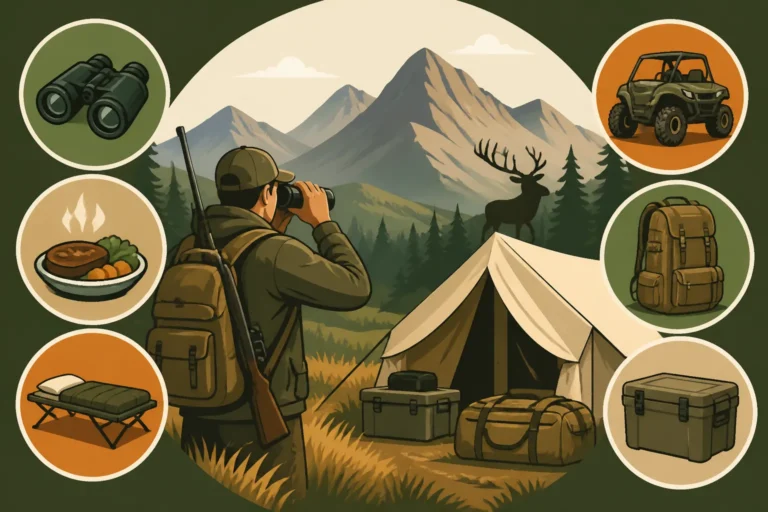
Best Value Montana Guided Hunts
The dream of a Montana guided hunt often conjures images of majestic landscapes, seasoned guides, and successful harvests. But for many, that dream quickly hits a snag when they see the price tag, leading to frustration and the feeling that a quality guided experience is simply out of reach. This guide aims to cut through that sticker shock and show you how to find truly valuable guided hunts in Montana, ensuring you get an incredible experience without completely emptying your wallet.
Understanding "Value" in Montana Guided Hunts
When we talk about "value" in the context of a Montana guided hunt, it's easy to immediately think "cheap" or "budget-friendly." While price is certainly a factor, true value is so much more nuanced than just the lowest number. It's about what you receive for your investment – the quality of the experience, the expertise of your guide, the likelihood of success, and the memories you take home. A hunt that costs less but delivers a subpar experience, leaves you feeling unprepared, or worse, completely unsuccessful, isn't good value at all. Conversely, a hunt that costs a bit more but offers meticulous planning, experienced professionals, and a high-quality experience could be considered excellent value.
What Does "Value" Really Mean for a Hunter?
For a hunter, value boils down to the return on your significant investment of time, money, and effort. Imagine you book a hunt touted as "affordable." You show up, and the camp is disorganized, the guide seems indifferent, and the hunting area feels picked over. You might have saved a few thousand dollars upfront, but the overall feeling of disappointment and the missed opportunity for a truly memorable hunt can far outweigh those savings. That’s a poor value proposition.
On the other hand, a hunt that might seem mid-range or even slightly higher in price could offer experienced guides who know the terrain intimately, comfortable accommodations that allow for rest, nutritious meals, and a genuine commitment to putting you in front of game. If you walk away with not just an animal, but an incredible story, new skills, and a deeper appreciation for Montana's wild places, that's undeniably high value. It’s about assessing what truly matters to you in a hunting experience and finding an outfitter that aligns with those priorities, not just the lowest price tag. It's a balance of cost, quality, and the overall fulfillment of your hunting aspirations.
Breaking Down the Cost Components
Understanding what drives the cost of a guided hunt is crucial to identifying where you might find better value. Guided hunt prices aren't just pulled from thin air; they reflect a complex interplay of expenses. Generally, the biggest factors are the duration of the hunt, the species you're pursuing, the specific geographic area (deep wilderness pack-in versus a ranch hunt with vehicle access), the level of amenities (rustic wall tents versus a comfortable lodge), and the guide-to-hunter ratio. A one-on-one guided hunt for a trophy elk in a remote wilderness area, requiring horses and multiple camp moves, will naturally cost significantly more than a two-on-one general deer hunt from a drive-in base camp.
Beyond the advertised package price, you absolutely must factor in what’s not included. This is where hidden costs can quickly erode perceived value. Common omissions include your hunting license and tag fees (which for nonresidents, can be substantial), travel expenses to and from Montana, meat processing and taxidermy costs, and, crucially, gratuities for your hard-working guides and camp staff. Don't forget personal gear, optics, and ammunition – while you already own most of these, ensuring they're top-notch for a Montana hunt might require additional investment. Always ask for a detailed breakdown of what the package covers and what you're expected to provide or pay for separately. Understanding these components helps you compare apples to apples when evaluating different outfitter offerings and ultimately finding the best Montana Guided Hunt Cost.
Strategies for Finding Value-Oriented Outfitters
Finding a great guided hunt in Montana doesn't mean you have to win the lottery. It requires diligent research and a strategic approach to finding outfitters who provide excellent service and a memorable experience at a reasonable price point. Think of it like investing in a stock – you want maximum return for your capital.
Leveraging Booking Platforms and Resources
The digital age has made researching and booking hunts much more transparent than in years past. Platforms dedicated to connecting hunters with outfitters can be invaluable tools for finding value. Websites like BookYourHunt allow you to browse a wide array of outfitters, filter by species, region, and even price range. You can often see reviews from past clients, compare inclusions and exclusions, and sometimes even find specific deals or last-minute openings that offer better value.
These platforms often vet outfitters, providing a layer of confidence that you're dealing with legitimate operations. Don't stop there though; complement this with detailed research. Resources like GoHunt, for example, offer extensive data on hunting units, draw odds, and success rates, which can help you understand the quality of the hunting opportunity an outfitter is providing in a specific district. Imagine finding a promising outfitter on BookYourHunt; you can then use GoHunt to research the specific hunting district they operate in, looking at factors like game populations, public land access, and success trends for that area. This dual approach empowers you to make a highly informed decision, ensuring the outfitter's claims align with the realities of the hunting unit. How to Read Montana Draw Odds can be a huge asset here.
The Timing and Type of Hunt Matters
One of the most effective ways to find better value is by adjusting when you hunt and how you hunt. Peak season hunts, especially during the archery rut for elk, are almost always the most expensive due to high demand and the intense effort required by guides during those prime times. Consider "shoulder seasons" – the early archery season before the peak rut, or the later rifle season when snow pushes animals down to more accessible elevations. These periods can still offer fantastic hunting opportunities but at a potentially lower price point. For instance, a late-season rifle hunt might involve colder weather but could also present opportunities to intercept migrating herds, often at a reduced cost compared to a bugling-season archery hunt. Late-Season Elk Hunting in Montana can be a real gem for value.
Beyond timing, consider the type of guided hunt. A "fully guided" experience, where your guide is with you every step of the way, is the most expensive. "Semi-guided" or "drop camp" hunts offer significant savings. Semi-guided might include lodging, meals, and advice on areas to hunt, but you do the actual stalking and shooting yourself. Drop camps involve an outfitter packing you and your gear into a remote location, setting up a camp, and then leaving you to hunt independently for a set period, returning to pack you out later. These options require more self-sufficiency but dramatically cut down on the per-person cost. For those comfortable with backcountry skills, a Montana Drop Camp Hunts Explained can provide incredible value.
Asking the Right Questions and Vetting Outfitters
When you're looking for value, clear communication is paramount. Don't be afraid to ask direct, detailed questions to potential outfitters. It's their business to provide clear answers. Start with the basics: What exactly is included in the price? Is transportation from a regional airport provided? What are the accommodations like? What's the typical guide-to-hunter ratio? What are their success rates for the specific species and weapon type you're interested in, and how do they define "success" (harvest, opportunity, or sighting)?
Crucially, ask for references – and call them. Speak to hunters who have been with the outfitter within the last one to two years. Ask about the guide's knowledge, the quality of the camp, the food, and how problems were handled. Inquire about the physical demands of the hunt; you want to make sure your expectations align with the reality of the terrain and effort required. Always verify that the outfitter is properly licensed and insured in Montana. A reputable outfitter will be transparent and proud to share this information. Websites like BookYourHunt often pre-vet licenses, but it never hurts to double-check. Thorough vetting is your best defense against a disappointing "value" hunt. How to Choose a Montana Hunting Outfitter details even more critical questions to ask.
Specific Hunt Types Offering Good Value
While every guided hunt represents an investment, some formats inherently offer more bang for your buck by reducing certain overheads or appealing to a broader range of hunter skill sets. For the value-conscious hunter, understanding these options is key.
Semi-Guided Hunts
A semi-guided hunt often strikes an excellent balance between cost savings and logistical support, making it a strong contender for value. In a semi-guided scenario, the outfitter typically provides essential services like comfortable lodging, hearty meals, and often some level of pre-scouting or intel on where to find game. They might transport you to a general hunting area each day, but then you, the hunter, are responsible for the actual "hunting" – spotting, stalking, and making the shot.
This model is ideal for hunters who have some experience and confidence in their own hunting abilities but want to eliminate the headaches of camp setup, meal preparation, or simply don't have extensive local knowledge of the terrain. You benefit from the outfitter's access and general understanding of game movement without paying for a dedicated guide by your side 24/7. It significantly reduces the per-hunter cost, allowing you to experience Montana's incredible hunting without the premium price tag of a fully guided expedition. Just be sure to clarify the exact level of support provided, as "semi-guided" can mean different things to different outfitters. Montana Semi-Guided Elk Hunts Explained can help set expectations.
Drop Camps
For experienced do-it-yourself (DIY) hunters craving remote wilderness access without the burden of owning horses or hiring a full pack string, a drop camp is arguably the ultimate value proposition. With a drop camp, an outfitter packs you and your gear into a pre-determined, remote backcountry location, often several miles from the nearest road. They'll usually set up a basic camp for you – think wall tent, cots, cooking gear – and then leave you completely self-sufficient for the duration of your hunt. At a pre-arranged time, they return to pack out you and your harvested game.
The value here comes from drastically cutting down on the expensive "guide time." You're paying for transportation, camp setup, and extraction, rather than continuous guiding. This option requires a high level of preparedness, navigation skills, and physical fitness, as you'll be on your own in potentially rugged terrain. However, the cost savings are substantial, and it offers an authentic, unadulterated wilderness hunting experience that many dream of. It's perfect for a group of hunting buddies with strong backcountry skills. Ensure you discuss emergency communication plans and exactly what gear the outfitter provides versus what you need to bring. Montana Backcountry Hunting Guide is a great resource if you're considering this type of hunt.
General Season Hunts
When searching for value, don't overlook general season hunts, particularly for species like deer or even elk outside the peak rut. While many hunters flock to the high-stakes, high-cost archery elk rut, the general rifle season (often in October and November) can offer fantastic opportunities. Outfitters often have more availability during these times, and the hunt logistics might be less demanding than an intense early season backcountry archery pursuit. This can translate directly into more affordable package prices.
General rifle season in Montana covers a wide array of landscapes, from dense timber to open sagebrush. While hunter pressure can be higher in some easily accessible areas, skilled outfitters know how to navigate this and find less pressured pockets of game. The key is to communicate with the outfitter about their specific approach during the general season and their historical success. You might find a well-run general season hunt, focusing on patterns of How to Hunt Elk in Montana Rifle Season Pressure or targeting Montana Mule Deer Hunting: Rifle Tactics, to be an excellent value, allowing you to experience a classic Montana hunt without the peak-season premium.
Table of Guided Hunt Value Propositions
Here's a quick look at how different guided hunt types generally stack up in terms of cost and the value they offer to different hunters:
| Hunt Type | Typical Cost (Relative) | Ideal For | Key Value Proposition | Requires Hunter Experience |
|---|---|---|---|---|
| Fully Guided | Highest | Beginners, those prioritizing comfort, high success odds, specialized hunts | Maximize success, minimize stress, full support | Low |
| Semi-Guided | Mid-High | Experienced hunters needing local knowledge/logistics, budget-conscious | Balance of support & independence, good access without full cost | Moderate |
| Drop Camp | Low-Mid | Experienced DIY hunters, groups, those seeking true wilderness | Remote access & independence at a fraction of fully guided cost | High |
| Ranch Hunts | Variable | Hunters seeking less physical demand, high success rates on private land | Controlled environment, often higher comfort, specific game | Low-Moderate |
| General Season Hunts | Mid | Hunters flexible on timing, willing to hunt outside peak rut for value | Access to quality game, often more available spots | Moderate |
| Shoulder Season Hunts | Mid | Value-focused hunters, those comfortable with potentially tougher conditions | Reduced prices for still-productive periods | Moderate |
Geographic Considerations for Value
Montana is a massive state, and its diverse geography plays a huge role in the cost and type of guided hunt available. Certain regions inherently lend themselves to more value-oriented experiences due to terrain, accessibility, and species populations. Focusing your search on these areas can significantly impact your budget.
Eastern Plains Antelope and Deer
If you're looking for a guided hunt that often provides excellent value, especially for nonresidents, turn your gaze to Montana's vast eastern plains. This region is renowned for its abundant antelope and robust whitetail deer populations. The terrain here is generally much more open and accessible than the steep, rugged mountains of Western Montana. This accessibility translates directly into lower logistical costs for outfitters. There's less need for horses, extensive pack-ins, or specialized mountain equipment, which reduces the overall price of the hunt.
Guided antelope hunts on the plains are particularly known for offering great value. The hunting method, often involving spot-and-stalk or using decoys over vast, open country, is less physically demanding than elk hunting in the high country. Outfitters here often manage access to large tracts of private land or utilize numerous Montana Block Management Areas Explained, ensuring good opportunities. Similarly, guided whitetail hunts along river bottoms and agricultural areas can be very productive and cost-effective. These hunts are fantastic for beginners or those seeking a less strenuous hunting experience with high success rates for quality animals. How to Hunt Antelope on Montana's Plains or Montana Antelope Hunting Guide are great resources if this kind of hunt appeals to you.
Accessible Mountain Fronts and Foothills
While the deep wilderness areas of Montana are undeniably alluring, the logistics and cost associated with accessing them can be prohibitive for many. Instead, consider focusing on guided opportunities in the more accessible mountain fronts and foothills – areas that border national forests or public land but don't require multi-day pack-ins to reach. These areas can still hold significant populations of elk and mule deer, especially during the general rifle season when animals might be moving to lower elevations.
Outfitters operating in these zones can often utilize vehicle access or shorter, one-day pack-ins, significantly reducing their operational costs compared to true wilderness expeditions. This means they can often offer guided hunts at a more competitive price point. You might not be deep in the Bob Marshall Wilderness, but you'll still experience authentic mountain hunting, often with challenging terrain and rewarding opportunities. It’s about finding that sweet spot where good game populations intersect with manageable logistics. Think about areas that offer a mix of timber and open slopes, providing diverse hunting opportunities without the extreme costs of remote wilderness. Hunting the Rocky Mountain Front for Elk or Best Montana Districts for Public Land Elk often present good value options in these types of areas.
Disclaimer
This article is for general informational purposes only and does not constitute professional advice. Laws, prices and regulations vary by location and change over time. Consult a qualified professional for guidance on your specific situation.