Montana Guided Archery Elk Hunts
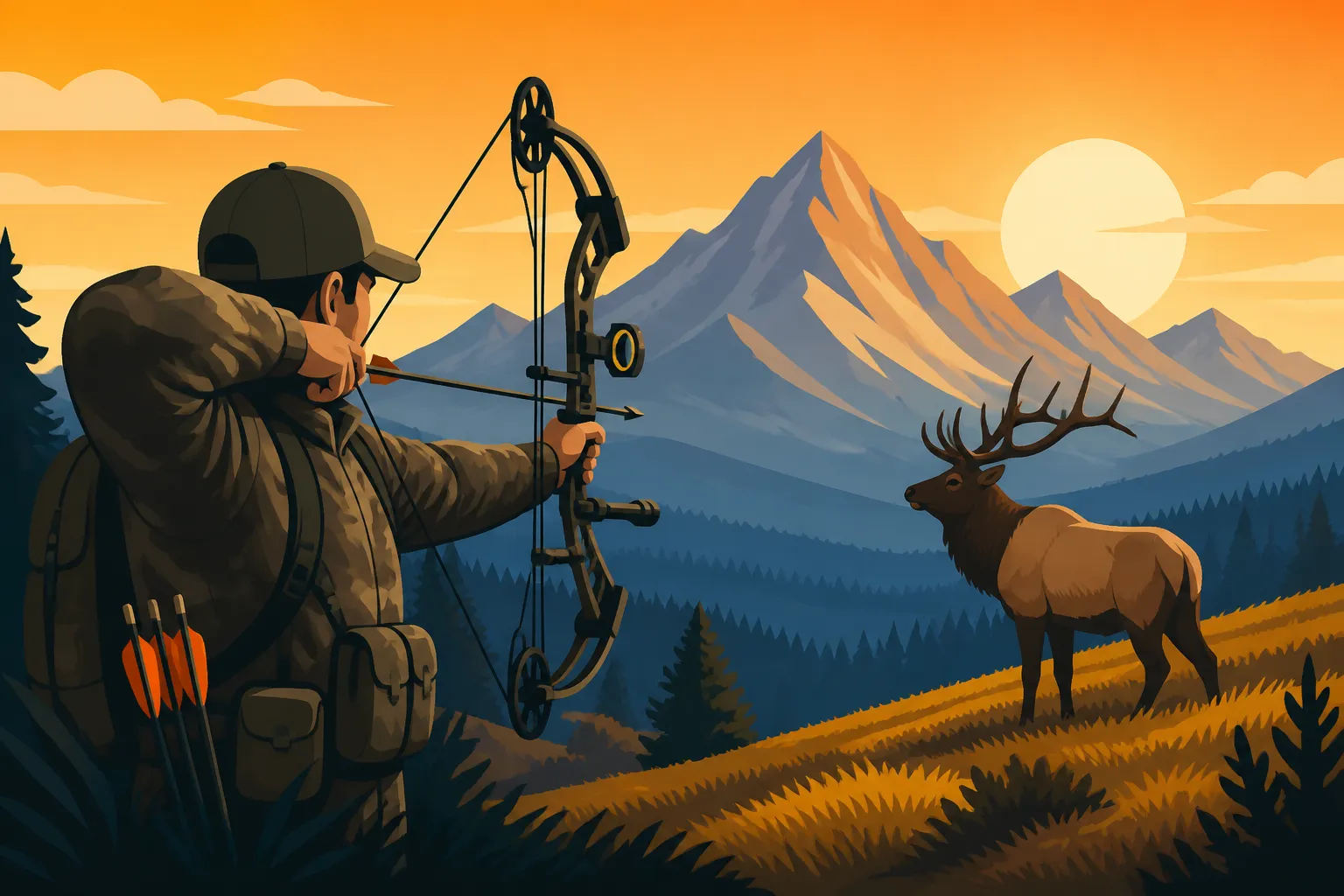
The allure of pursuing a mature bull elk with a bow in the vast, wild landscapes of Montana is a dream for many, but the reality of making it happen can feel incredibly daunting. You're facing a formidable combination of immense public land, dense timber, steep mountains, and an animal known for its keen senses and elusive nature. For many, especially those who can't dedicate weeks to scouting or don't have extensive backcountry experience, a guided archery elk hunt offers a clear path through this wilderness, providing invaluable expertise and significantly increasing the odds of a successful and memorable experience. This comprehensive guide will walk you through everything you need to know about guided archery elk hunts in Big Sky Country, from what to expect to how to pick the right outfitter for your adventure.
The Appeal of Guided Archery Elk Hunts in Montana
Let's be honest, the thought of a do-it-yourself (DIY) archery elk hunt in Montana can be thrilling, but for many, it quickly turns into a logistical nightmare. The sheer scale of the landscape, coupled with the elusive nature of elk and the limited time most people have, makes success incredibly challenging. This is where a guided hunt shines, turning potential frustration into a focused, well-supported pursuit.
Overcoming Montana's Archery Challenges
Montana's diverse terrain, from the rugged Rockies to the timbered foothills, presents unique hurdles for archery hunters. You’re not just hunting an animal; you're often navigating dense forests, steep inclines, and deep canyons, all while trying to remain silent and scent-free. The archery season, particularly during the rut, demands a high level of understanding of elk behavior, calling sequences, and wind currents. Without years of experience, a hunter can feel completely overwhelmed. A skilled Montana Archery Elk Hunting Guide brings a lifetime of local knowledge, understanding the subtle nuances of where elk feed, bed, and travel in specific drainages. They've spent countless hours scouting, learning the patterns of particular herds, and identifying prime ambush points that a newcomer would never find. This expertise cuts down the learning curve dramatically, allowing you to focus on the shot when the opportunity arises, rather than getting lost or wondering if you're even in the right country.
Moreover, the physical demands of Montana elk hunting are no joke. Many areas require significant elevation gain and miles of hiking daily. A guide will know the most efficient routes and how to manage your energy throughout the hunt. They understand how thermals work, how to move quietly through noisy timber, and how to read subtle signs that indicate elk are nearby. It's not just about finding elk; it's about putting you in a position to execute a shot, which is an art form in itself when you're within bow range.
Maximizing Your Chances of Success
The primary reason most hunters opt for a guided archery elk hunt is to maximize their chances of success. Outfitters are professionals whose business depends on putting clients on animals. This means they invest heavily in scouting, equipment, and maintaining good relationships with landowners or having extensive knowledge of public land access points. They often have multiple guides working together, covering more ground and increasing the odds of locating a bugling bull.
Imagine arriving in Montana, perhaps flying into Bozeman or Missoula, and instead of spending your first few precious days trying to figure out where to start, you're immediately headed into known elk country with an experienced professional. Your guide will have scouted the area for weeks, maybe even months, prior to your arrival, identifying current elk patterns, preferred bedding areas, and water sources. They will often have trail cameras out and will have spent time listening for bugles. This pre-hunt effort is something many DIY hunters simply don't have the time or resources for, especially if they’re traveling from out of state. An outfitter essentially handles all the complex logistics and pre-hunt work, allowing you to step into a well-oiled machine designed for success.
A Deeply Immersive Experience
Beyond the practical advantages, a guided hunt offers a deeply immersive experience that allows you to fully engage with the adventure of hunting without the constant stress of logistical planning. Instead of worrying about where to set up camp, what food to cook, or how to navigate unfamiliar terrain, you can concentrate on the hunt itself. You get to learn from seasoned pros, gaining insights into elk behavior, calling techniques, and stalking strategies that would take years to acquire on your own. Many guides are fantastic teachers, eager to share their knowledge and passion for the land and its wildlife.
This experience extends beyond the actual hunt to the camp life. Whether it’s a comfortable wall tent in the backcountry or a rustic lodge, outfitters handle the cooking, camp chores, and often provide lively conversation and camaraderie. It’s a chance to truly disconnect from daily life and immerse yourself in the natural world. For many, the memories made around the campfire, the stories shared, and the bonds forged with guides and fellow hunters are just as valuable as the hunt itself. It's not just about taking an elk; it's about the entire journey, the challenge, the beauty of Montana, and the unparalleled feeling of pursuing one of North America's most iconic big game animals.
What to Expect from a Guided Archery Elk Hunt
So, you've decided a guided hunt is for you. Now, what does that actually look like? Understanding the typical structure, demands, and realistic outcomes will help you arrive prepared and manage your expectations for this incredible adventure.
Typical Hunt Structure and Duration
Most guided archery elk hunts in Montana run for 5 to 7 full hunting days, often with travel days on either side. You'll typically arrive at a designated meeting point, which could be a specific town, a ranch, or a trailhead, where you'll meet your outfitter and guides. From there, you'll head to camp, which can vary wildly in style. Some outfitters run comfortable base camps with cabins or large wall tents, while others specialize in true backcountry pack-in spike camps.
A typical hunting day starts early, often well before dawn. You’ll fuel up with a hearty breakfast, pack a lunch, and be out the door, ready to hit the timber or glass a ridge as legal shooting light breaks. Days are spent actively hunting – that means covering ground, glassing for elk, listening for bugles, and setting up calling sequences. Your guide will interpret the signs, listen for elk, and strategize the approach. Lunches are usually eaten in the field, and you’ll return to camp after dark, sharing stories and enjoying a hot dinner. This routine repeats daily, meaning you'll be spending a significant amount of time in the field, actively pursuing elk, often at higher elevations and on challenging terrain. When you're trying to figure out How to Hunt Elk in Montana's Wilderness, having a guide who knows the flow of a multi-day hunt is invaluable.
Gear and Physical Demands
Let's not sugarcoat it: Montana archery elk hunting is physically demanding. You will be hiking, often uphill, sometimes at elevations where the air is noticeably thinner. Even if you're hunting private land, elk don't often live on flat ground. Most outfitters will provide a list of recommended gear, but generally, you'll be responsible for your archery equipment (bow, arrows, broadheads), personal clothing, optics (binoculars, rangefinder), and a comfortable, capable hunting pack. Layering is crucial, as mountain weather can change dramatically throughout the day. You might start in freezing temperatures and end up sweating in the afternoon sun, or vice versa.
Expect to carry your pack with essentials like water, snacks, extra layers, and possibly a spotting scope and tripod, for several miles a day. If you are doing a Montana Backcountry Hunting Guide type of trip, you might be packing in spike camp gear. This isn't a sedentary activity; it's an active pursuit that requires stamina, strength, and mental fortitude. It's highly recommended to physically prepare for a Montana Elk Hunt well in advance, focusing on cardio, leg strength, and hiking with a weighted pack. Neglecting physical conditioning can quickly turn your dream hunt into a miserable experience.
Success Rates and Realistic Expectations
It’s important to have realistic expectations. Archery elk hunting, especially for a bull, is inherently challenging. While a guided hunt significantly increases your odds compared to a DIY attempt, it is by no means a guarantee. Success rates vary widely among outfitters and depend on numerous factors: weather conditions, elk migration patterns, the specific hunting unit, and, frankly, the hunter's own skills and luck. A general success rate for a guided archery elk hunt might range anywhere from 30% to 70% for opportunity (meaning getting a shot) and a lower percentage for harvest (meaning taking an animal home).
A good outfitter will be transparent about their historical success rates, often differentiating between opportunity and harvest. They cannot control the weather or guarantee an animal will walk into bow range. What they can guarantee is their effort, knowledge, and dedication to putting you in the best possible position. Your role is to be physically ready, proficient with your bow, and willing to follow your guide's instructions. Remember, it’s called hunting, not shopping. The real trophy is often the experience, the challenge, and the adventure, whether or not you tag an animal.
Choosing the Right Montana Archery Elk Outfitter
Selecting the perfect outfitter is arguably the most critical decision you'll make for your guided archery elk hunt. It's a significant investment of time, money, and personal anticipation, so thorough research is paramount.
Key Questions to Ask Potential Outfitters
When you're vetting outfitters, don't be shy about asking detailed questions. This is your hunt, and you deserve clarity. Here’s a table outlining some critical areas to cover:
| Category | Key Questions to Ask |
|---|---|
| Licensing & Experience | Is your outfitting business licensed and bonded by the State of Montana Board of Outfitters? How long have you been outfitting for archery elk? How many guides work for you, and what is their experience level? |
| Hunt Logistics | What is the typical hunt duration (number of hunting days)? What are the camp arrangements (lodge, wall tent, spike camp)? What areas/hunting districts do you operate in? Is the hunt primarily on private or public land? How physically demanding is the typical hunt? |
| Success Rates | What are your success rates (opportunity vs. harvest) for archery elk over the last 3-5 years? Can you provide references from past archery elk clients? |
| Inclusions/Exclusions | What exactly is included in the hunt price (food, lodging, guide service, field care of game, transportation during hunt)? What is not included (license, tag, meat processing, taxidermy, travel to/from Montana, gratuities)? |
| Equipment & Prep | What gear do I need to bring? Do you have a recommended packing list? What physical conditioning do you recommend? What bow/broadhead setup do you suggest? |
| Emergency & Safety | What is your safety protocol for backcountry hunting? What is your plan for medical emergencies? Are your guides first-aid certified? |
| Post-Harvest | How do you handle game retrieval, field dressing, and caping? Do you have recommendations for local meat processors or taxidermists? How is the meat transported from the field? |
| Booking & Payment | What are your deposit requirements and payment schedule? What is your cancellation policy? |
Make sure you get clear, direct answers. A reputable outfitter will appreciate your diligence and be happy to provide all necessary information.
Understanding Outfitter Types and Offerings
Not all guided hunts are created equal. Outfitters offer a spectrum of services, and understanding these differences will help you align your expectations with the right fit:
- Fully Guided Hunts: This is the most comprehensive option. You'll typically have a 1:1 or 2:1 guide-to-hunter ratio. The outfitter handles virtually everything: lodging, meals, transportation in the field, and full guide service from start to finish. This is ideal for first-time elk hunters, those seeking maximum comfort, or hunters who want to focus solely on the hunt without any logistical concerns. Many outfitters specializing in Montana Archery Elk Hunting Guide will offer this.
- Semi-Guided Hunts: These hunts offer a blend of independence and support. The outfitter might provide lodging, meals, and general advice on hunting areas, but you'll do most of the actual hunting (spotting, calling, stalking) yourself or with a hunting partner. This is a good option for experienced hunters who are confident in their abilities but want local knowledge and a comfortable base camp.
- Drop Camps: For the more adventurous, physically capable hunter, a drop camp is an excellent middle ground. The outfitter packs you and your gear into a remote backcountry camp (often with horses or mules) and then leaves you to hunt independently for a set number of days. They return at a pre-arranged time to pack you and any harvested game out. You are responsible for all your food, cooking, and daily hunting decisions. This is often more affordable than a fully guided hunt and offers a true wilderness experience. If you are considering a Montana Backcountry Hunting Guide, a drop camp might be a perfect fit.
- Private Land Hunts: Some outfitters have exclusive access to large private ranches. These hunts often boast higher success rates due to controlled access and minimal hunting pressure. They can also be less physically demanding, as terrain might be more accessible. However, they are typically more expensive.
- Public Land Hunts: The vast majority of Montana is public land, and many outfitters specialize in guiding these challenging areas. These hunts demand more effort but offer the iconic "fair chase" experience that many hunters seek. The opportunities are immense, but so is the potential for competition from other hunters.
Researching and Vetting Outfitters
Once you have a list of potential outfitters, it's time to dig deeper.
- Online Platforms: Websites like BookYourHunt and GoHunt are excellent resources for finding and comparing outfitters. They often list detailed hunt packages, pricing, availability, and, crucially, client reviews. These platforms can streamline your initial search and provide a centralized place to gather information. Just remember to use them as a starting point and still conduct your own independent verification.
- Montana Board of Outfitters: Always verify that any outfitter you consider is properly licensed by the Montana Board of Outfitters. This is a non-negotiable step to ensure you're dealing with a legitimate and regulated business.
- References: Ask for and call client references. Speak to people who have recently hunted with the outfitter, specifically for archery elk. Ask about their overall experience, the guide’s knowledge, the camp conditions, the food, and how the outfitter handled unexpected situations.
- Social Media and Forums: Many outfitters have a strong social media presence where you can see recent photos and videos. Hunting forums and online communities can also offer unfiltered opinions and experiences from other hunters.
Ultimately, trust your gut. A good outfitter will communicate clearly, answer all your questions thoroughly, and instill confidence that they are dedicated to making your hunt a success.
Licensing, Tags, and Application Process for Guided Hunts
Navigating Montana's hunting license and tag system, especially as a nonresident, can feel like trying to solve a complex puzzle. It's often one of the biggest points of frustration for new or visiting hunters. Rest assured, with a guided hunt, your outfitter can often provide guidance, but understanding the basics yourself is essential.
Nonresident Elk Combo License Essentials
For nonresident archery elk hunters in Montana, the primary license you’ll be after is the Montana Nonresident Combination License. This isn't just an elk tag; it's a package deal. It typically includes a conservation license, a state base hunting license, an upland game bird license, a fishing license, and, crucially, an elk tag and a deer tag. The application deadline is usually March 15th each year, so mark your calendars!
The draw for this combo license is highly competitive. Montana uses a preference point system for the nonresident deer and elk combo licenses. Each year you apply and are unsuccessful, you can purchase a preference point for the following year. These points increase your odds in the draw. It’s a long game, often taking several years of accumulating points to draw a general elk tag, especially in the more popular units. Your outfitter can often advise on the number of points typically needed for the units they operate in. Learning about the Montana Combination License Draw Odds can help you strategize your application.
Outfitter Sponsored Tags and Limited Entry Permits
Some outfitters have a limited number of "outfitter-sponsored tags" available, which are essentially tags allocated to them by the state to support the outfitting industry. These tags bypass the regular nonresident draw and can be a fantastic option for hunters who don't have enough preference points or missed the draw deadline. However, these tags are tied to booking a hunt with that specific outfitter and usually come at a premium price, in addition to the hunt cost itself. They are not always available, so inquire early if this is an option you’d like to explore.
Beyond the general elk tag, Montana also has numerous "limited entry permits" for specific hunting districts (HDs). These permits allow hunting in areas that are often managed for trophy potential or to control herd numbers more precisely. Drawing one of these requires accumulating bonus points (a separate system from preference points) and is even more competitive than the general combo license. While less common for archery elk in many guided scenarios, it's good to be aware of the system. Your outfitter will clarify whether your hunt requires a general tag or a specific limited entry permit.
Navigating Montana's FWP Regulations
Montana Fish, Wildlife & Parks (FWP) regulations are extensive, and it's your responsibility to understand and abide by them.
- Hunter Education: All hunters born after January 1, 1985, must complete a hunter education course. Nonresidents can fulfill this requirement by presenting a hunter education card from their home state or by purchasing an apprentice hunter license.
- Conservation License & AIS Pass: In addition to your main hunting license, you'll need to purchase a Conservation License and an Aquatic Invasive Species (AIS) Prevention Pass. These are standard fees added to your total license cost.
- Understanding Hunt Codes: Montana uses specific hunt codes for each district and species, outlining legal weapons, season dates, and sex/age restrictions. Your outfitter will inform you of the relevant hunt codes for your area, but reviewing the Montana Hunting Seasons Explained and Montana Elk Season Dates Guide on the FWP website is highly recommended. It’s crucial to understand what’s legal to harvest in your specific unit. Your outfitter is a wealth of knowledge here, so don't hesitate to ask them to clarify any regulations that seem confusing. They deal with these rules daily and can help you avoid costly mistakes.
Preparing for Your Montana Archery Elk Adventure
Once the outfitter is booked and the tags are secured, the real preparation begins. A successful hunt isn't just about finding elk; it's about being physically, mentally, and skillfully ready when the moment of truth arrives.
Physical and Mental Conditioning
We can't stress this enough: Montana elk hunting is a workout. You need to prepare your body for the rigors of mountain terrain, high altitudes, and long days.
- Cardiovascular Endurance: Focus on activities that build stamina, like hiking, trail running, or stair climbing. Incorporate inclines and, if possible, train at higher elevations. Your goal should be to comfortably cover several miles a day with a weighted pack.
- Strength Training: Emphasize leg strength (squats, lunges, step-ups) and core strength, which are crucial for navigating uneven terrain and packing out an animal.
- Hiking with Weight: Start hiking with the actual pack you intend to use, gradually adding weight until you can comfortably carry 30-40 pounds for several miles. This simulates the weight of extra layers, water, and eventually, meat.
- Mental Toughness: The mountains can be relentless, and elk hunting often involves early mornings, late nights, inclement weather, and long periods without action. Develop a resilient mindset. Practice pushing through discomfort, staying positive, and maintaining focus. Being physically fit directly contributes to mental fortitude. Remember, a successful Montana Elk Hunting: Backcountry Tactics relies heavily on your conditioning.
Archery Equipment Setup and Practice
Your bow is your primary tool, and proficiency with it is non-negotiable.
- Bow Tuning: Ensure your bow is perfectly tuned with your hunting broadheads. Shoot fixed blade broadheads and make sure they fly exactly like your field points. Many outfitters prefer fixed blades for elk due to their penetration characteristics.
- Broadhead Selection: Choose durable, sharp, and reliable broadheads designed for large game like elk. Consider both penetration and cutting diameter.
- Consistent Practice: Practice shooting regularly, not just from a comfortable backyard stand. Shoot from various positions (sitting, kneeling, awkward angles), at different distances (especially out to your maximum ethical range), and simulate hunting scenarios. Practice shooting after a strenuous activity to replicate hunting conditions where your heart rate is elevated. This is critical for Best Archery Setups for Montana Elk.
- Rangefinder Practice: Get proficient with your rangefinder. Judging distance in the mountains can be deceptive, and a precise range is vital for ethical archery shots.
Essential Packing List for a Guided Hunt
While your outfitter will provide a detailed list, here’s a general overview of essential items for a guided archery elk hunt in Montana. This isn't exhaustive, but it covers the critical categories:
- Clothing (Layering System):
- Base Layers (moisture-wicking, synthetic or merino wool)
- Mid Layers (fleece, puffy jacket for warmth)
- Outer Shell (waterproof/windproof jacket and pants)
- Insulated Vest
- Gloves/Hat/Neck Gaiter
- Hunting Boots (broken-in, waterproof, comfortable for miles)
- Camp Shoes/Slippers
- Hunting Gear:
- Bow, Arrows, Quiver, Release Aid
- Broadheads (tuned)
- Bino Harness/Binoculars
- Rangefinder
- Hunting Pack (capable of carrying daily essentials and possibly meat)
- Knife/Small Field Dressing Kit
- Headlamp with extra batteries
- Navigation (GPS, map/compass, downloaded onX maps – though your guide will lead, it's good to have)
- Personal Items:
- Toiletries
- Prescription medications
- Small First-Aid Kit
- Water Bottle/Hydration Bladder and Water Filter
- Snacks/Energy Bars
- Camera (optional, but highly recommended for memories)
- Small dry bag for electronics
- Sleeping bag (check with outfitter if provided)
Remember to check with your specific outfitter for their precise recommendations, as camp setups and hunting styles can vary. Proper preparation ensures you're comfortable, capable, and ready for whatever Montana throws your way.
Disclaimer
Please be aware that hunting regulations, license costs, and draw odds in Montana can change frequently. While this guide provides general information, it is crucial to consult the official Montana Fish, Wildlife & Parks (FWP) website or contact FWP directly for the most current and accurate regulations before planning your hunt. Always confirm details with your chosen outfitter well in advance.