Montana Guided Rifle Elk Hunts
The dream of chasing a majestic bull elk through Montana's breathtaking landscapes with a rifle in hand is a powerful one, but the sheer logistics, daunting terrain, and complex regulations can make it feel utterly out of reach for many. It's a huge undertaking, especially if you're traveling from out of state or simply lack the years of experience necessary to navigate such a challenging hunt successfully. This guide is here to unravel the complexities of Montana guided rifle elk hunts, offering you a realistic, in-depth look at what to expect, how to choose the right outfitter, and how to prepare for an experience that, for many, becomes the hunt of a lifetime.
Understanding the Allure of Guided Rifle Elk Hunts
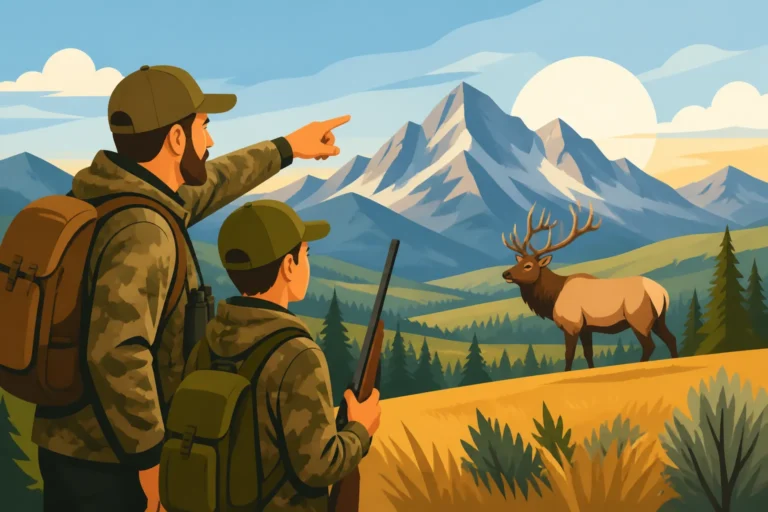
For many hunters, the thought of a DIY elk hunt in Montana, while romantic, is simply not feasible due to time constraints, lack of experience, or the sheer physical demands of the wilderness. A guided rifle elk hunt offers a unique blend of adventure and practicality, providing access to prime hunting areas, expert knowledge, and often, a much higher chance of success. It’s not just about getting an elk; it's about the entire experience—the camaraderie, the stunning sunrises over snow-capped peaks, and the deep satisfaction of truly immersing yourself in the wild.
The Advantages of Hunting with an Outfitter
Let's be honest, trying to go it alone in new elk country, especially with a rifle, can feel like trying to find a needle in a haystack while blindfolded and carrying a piano. Outfitters take away a massive amount of that stress. They possess intimate knowledge of specific hunting districts, understanding elk migration patterns, bedding areas, and feeding grounds that would take a DIY hunter years to discover. This local expertise is invaluable. Beyond finding the game, they also handle the camp logistics, from setting up comfortable base camps, often with wall tents or cabins, to cooking hearty meals. This means you can focus 100% on the hunt itself, saving your energy for hiking those steep ridges and glassing distant hillsides.
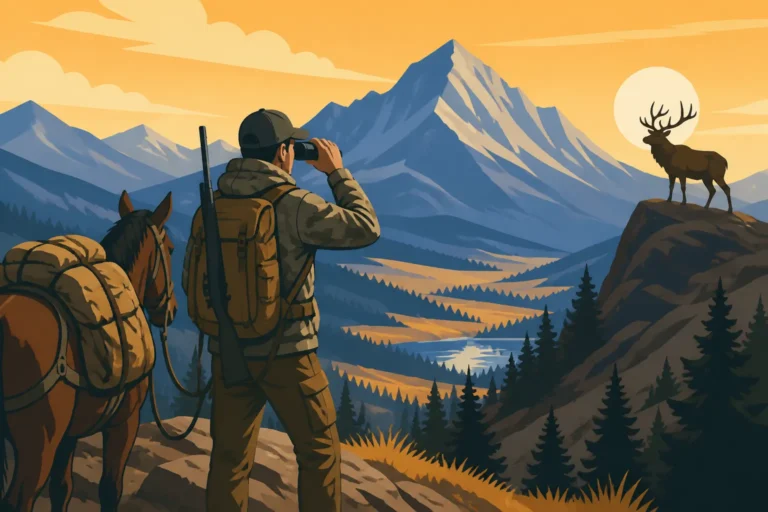
They also provide horses or mules in many backcountry scenarios, which is a game-changer when you're trying to cover vast distances or pack out a bull in tough terrain. Imagine the relief of not having to haul a quartered elk miles back to the truck after a physically exhausting day. Plus, they bring critical safety knowledge, from navigating challenging weather conditions to first aid in remote areas, providing a layer of security that’s hard to replicate on a solo adventure. This guidance is especially crucial when considering the nuances of a Montana Rifle Elk Hunting Guide.
Realistic Expectations for Success
It’s easy to get caught up in the glossy images of giant bulls on outfitters' websites, but it’s crucial to go into a guided hunt with realistic expectations. Montana is wild country, and elk are wild animals. There are no guarantees. While a good outfitter significantly increases your odds compared to a completely DIY approach, success rates can still vary widely. Factors like weather, elk migration, hunter pressure, and your own physical capabilities all play a role. A reputable outfitter will be transparent about their typical success rates and opportunities, distinguishing between "shot opportunity" and "harvest success."
For instance, an outfitter might boast a 70% shot opportunity, meaning 7 out of 10 hunters get a chance to shoot at an elk, but the actual harvest rate might be closer to 40-50% due to missed shots, not getting a clean shot, or hunters passing on smaller animals. It’s also important to understand that public land hunts, even guided ones, can be tougher and have lower success rates than private land hunts where game populations might be more controlled and pressured less. It's not a safari; it's hunting in Montana, and the challenges are part of the reward.
Choosing the Right Montana Rifle Elk Outfitter
Finding the perfect outfitter is arguably the most critical step in planning your Montana guided rifle elk hunt. It’s a significant investment, both financially and emotionally, so you want to ensure you're putting your trust in the right hands. This isn't a decision to rush; thorough research and asking the right questions are key to a successful experience.
Research and Vetting Process
The first step in vetting an outfitter is to gather as much information as possible from various sources. Start by looking at reputable online platforms. Websites like BookYourHunt are excellent resources, compiling listings of numerous outfitters, often with customer reviews and detailed package information. GoHunt is another fantastic platform that provides a wealth of information for planning hunts, including outfitter directories and state-specific regulations. These sites can give you a broad overview and help you narrow down initial choices based on location, price, and species offered.
Next, dive deeper. Check out the outfitter’s own website, social media presence, and any testimonials they feature. But don't stop there. Contact the Montana Outfitters and Guides Association (MOGA) to verify their licensing and ensure they are operating legally and ethically. This is a crucial step that far too many hunters overlook. Finally, and perhaps most importantly, ask for a list of references from previous clients—not just one or two, but at least five, and make sure they are recent (from the last 1-3 years). Speaking directly with past hunters will give you an unfiltered perspective on their experience, their guides, the camp conditions, and the actual hunting opportunities.
Key Questions to Ask Prospective Outfitters
When you connect with an outfitter, be prepared with a comprehensive list of questions. Don't be shy; you're investing a lot of money and time. Start by asking about their experience level and how long they've been operating in the specific hunting district you're interested in. Inquire about their typical hunt styles—do they focus on spot-and-stalk, still-hunting timber, or stand hunting near water sources? Knowing their primary method for Montana Elk Hunting: Rifle Tactics will help align with your preferences.
Another crucial set of questions revolves around logistics: What's the guide-to-hunter ratio? (Ideally, 1:1 or 1:2 for rifle elk). What kind of terrain will you be hunting, and what physical conditioning do they recommend? What is the average shot distance in their area? How do they handle game retrieval and meat processing, especially in remote areas? What's the nearest town with services in case of an emergency? Finally, clarify what's included and not included in the price—things like licenses, meat processing, taxidermy, and gratuities can add up quickly. A good outfitter will be happy to answer all your questions thoroughly and patiently.
Understanding Types of Guided Hunts
Not all guided hunts are created equal, and understanding the differences can help you choose the one that best fits your budget, physical ability, and desired experience.
- Fully Guided Hunts: This is the most comprehensive option. You'll typically have a dedicated guide (often 1:1 or 1:2 ratio) who will scout, locate elk, guide you during the hunt, and assist with field dressing and packing out your animal. Meals, lodging (ranging from comfortable cabins to wall tent camps), and transportation within the hunting area are usually included. This is ideal for first-time elk hunters, those seeking a higher level of service, or hunters who prefer to focus solely on the hunt itself.
- Semi-Guided Hunts: These hunts offer a balance between a fully guided experience and more independence. An outfitter might provide a designated hunting area, map, camp setup (often a drop camp with pre-set tents and cooking gear), and advice on where to hunt, but you and your party will be responsible for your own hunting, cooking, and sometimes even game retrieval. This option is generally more affordable and suits hunters with some elk hunting experience who are comfortable with more autonomy.
- Drop Camps: For the more adventurous and self-reliant hunter, a drop camp is a popular choice. The outfitter transports you and your gear (often via horses or mules) into a remote backcountry location, sets up a basic camp, and then picks you up at a predetermined time. You are entirely responsible for all aspects of the hunt, including finding game, cooking, and packing out your animal. This offers a true wilderness experience at a lower cost than a fully guided hunt, but requires significant self-sufficiency and backcountry experience. It's a great option for those looking into a Montana Backcountry Hunting Guide.
| Type of Guided Hunt | Guide Ratio | Meals & Lodging | Game Retrieval | Price Range (Estimate) | Ideal For |
|---|---|---|---|---|---|
| Fully Guided | 1:1 or 1:2 | Included | Full Assist | $6,000 – $12,000+ | Beginners, high service preference, minimal logistics worry |
| Semi-Guided | Limited/None | Often Basic/DIY | Partial Assist | $3,500 – $7,000 | Experienced hunters seeking some support, budget-conscious |
| Drop Camp | None | DIY | DIY | $2,000 – $4,000 | Self-sufficient, wilderness experience, budget-conscious |
Note: Prices are approximate and can vary widely based on location, outfitter reputation, length of hunt, and inclusions.
Cost and Budgeting for Your Guided Hunt
Let's address the elephant in the room: a guided Montana rifle elk hunt is a significant investment. It's not cheap, and understanding all the potential costs upfront is crucial for proper budgeting and avoiding unwelcome surprises.
Understanding the Price Tag
The sticker price for a guided rifle elk hunt in Montana can range anywhere from $4,000 to over $15,000, depending on the outfitter, the length of the hunt (typically 5-7 days), the type of camp (lodge vs. tent camp), the area (public vs. private land), and whether it's a 1:1 or 2:1 guide ratio. Backcountry wilderness hunts often fall on the higher end due to the logistical challenges and specialized equipment required. These costs usually cover the guide services, lodging, and meals during the hunt.
When looking at options, remember that "value" isn't always tied to the lowest price. A more expensive outfitter might offer better success rates, more comfortable accommodations, or access to exclusive private land, which can be worth the extra investment for a higher quality experience. Conversely, a budget-friendly option might mean a more rustic camp or a hunt in a high-pressure public land area. Be transparent with outfitters about your budget, and they can often help guide you to options that fit your financial comfort zone. For a more detailed breakdown, check out Montana Guided Elk Hunt Cost.
Hidden Costs and Gratuities
It's easy to focus solely on the outfitter's advertised price, but there are several other expenses that can quickly add hundreds, if not thousands, to your overall trip cost.
- Licenses and Tags: As a nonresident, this will be your largest upfront cost outside of the hunt itself. You'll need a base hunting license, a conservation license, an AIS (Aquatic Invasive Species) prevention pass, and then either a general elk license or a limited-entry permit, depending on the hunting district. Applying for a Montana General Elk License Explained is usually done through a draw system, and the application fees alone can be substantial, with the combination license (deer/elk) for nonresidents often costing over $1,200-$1,500. It's vital to understand the Montana Nonresident License Draw Explained process and associated deadlines.
- Travel Expenses: Airfare, rental car, fuel, and pre/post-hunt lodging (e.g., hotels in Bozeman or Missoula) can add up quickly, especially if you're flying from far away.
- Gear: You'll need quality hunting gear, including optics, proper layering clothing, durable boots, and a reliable rifle. While some items might be existing, others might need upgrading. Consider the Best Boots for Montana Elk Hunting for your trip.
- Meat Processing & Taxidermy: If you're successful, you'll need to pay for meat processing and potentially taxidermy. Shipping meat or a cape home can also be a considerable expense. Many outfitters have arrangements with local processors, but the cost is typically yours.
- Gratuities: Tipping your guide is customary and expected. A general rule of thumb is 10-20% of the hunt cost, but it can vary based on the level of service and your satisfaction. Guides work incredibly hard, often from before sunrise until well after dark, dealing with demanding conditions and ensuring your safety and success. Budgeting this in from the start will prevent an awkward situation at the end of the hunt.
Payment Schedules and Deposits
Most outfitters require a significant deposit upfront, often 50% of the total hunt cost, to secure your booking. This deposit is typically non-refundable or only partially refundable, especially if you cancel close to the hunt date. The remaining balance is usually due 60-90 days before your hunt. Always read the outfitter's cancellation policy carefully. Life happens, and unforeseen circumstances can arise. Consider purchasing travel insurance that includes "cancel for any reason" coverage, which can protect your investment if you're unable to go. This is a vital part of planning any Montana DIY Elk Hunting Guide or guided experience.
Preparation for Your Montana Rifle Elk Adventure
A successful guided rifle elk hunt in Montana isn't just about showing up with your rifle; it's about meticulous preparation that starts months, if not a year, in advance. This includes physical conditioning, gear preparation, and mental readiness.
Physical Conditioning Requirements
Montana elk hunting, especially in the mountains, is physically demanding—there's no way around it. You'll be hiking at elevation, often through steep, uneven terrain, and potentially in adverse weather conditions. If you're not in shape, you'll struggle, your enjoyment will diminish, and your chances of success will drop considerably. Most successful hunters train for months beforehand.
Focus on cardiovascular fitness through activities like hiking, running, or stair climbing, especially with a weighted pack. Incorporate strength training for your legs, core, and back, as you'll need to carry your rifle, pack, and potentially quartered meat. If you live at a lower elevation, try to spend time acclimating to higher altitudes before your hunt if possible, or build in an extra day or two in Montana before the hunt begins. Even if your outfitter uses horses, you’ll still be doing a fair amount of walking, climbing, and potentially running on foot for that final stalk. Read up on How to Physically Prepare for a Montana Elk Hunt to get started on the right foot.
Rifle and Gear Essentials
Your rifle is your primary tool, so it must be reliable and accurate. Ensure it's sighted in precisely at your anticipated hunting distances, often 200-300 yards, but be prepared for closer or longer shots depending on the terrain and situation. Practice shooting from various positions—standing, kneeling, prone, and off a pack—as you won't always have a perfect bench rest in the field. Common calibers for Montana elk include .300 Win Mag, .30-06, .7mm Rem Mag, and .308 Winchester, but many others are suitable. Consider Best Rifle Calibers for Montana Elk to match your setup.
Beyond your rifle, your gear is critical. Layering clothing is paramount for Montana's unpredictable weather, as temperatures can swing wildly from morning to afternoon, or even hour to hour. Quality waterproof and windproof outerwear, merino wool or synthetic base layers, and insulating mid-layers are essential. A comfortable, well-fitting backpack (30-50L day pack, or a larger pack if you're in a drop camp) is a must, along with a reliable headlamp, first-aid kit, navigation tools (GPS, map, compass, or a hunting app like onX Maps), and plenty of water or a filtration system. Don't forget high-quality optics, including binoculars and a spotting scope, which are invaluable for glassing vast Montana landscapes.
Mental Readiness and Expectations
Elk hunting can be a roller coaster of emotions, filled with incredible highs and frustrating lows. Mentally preparing for the challenges is just as important as physical training. Understand that there will be long days with no elk sightings, tough climbs, and uncomfortable weather. Patience is a virtue in elk hunting, and persistence often pays off.
Going into the hunt with a positive attitude, an open mind, and a willingness to learn from your guide will greatly enhance your experience. Be prepared to adapt to changing plans, as elk are unpredictable, and conditions can shift rapidly. Embrace the entire journey, not just the potential outcome. Even if you don't harvest an elk, the memories of the mountains, the wildlife encounters, and the camaraderie with your guide will last a lifetime.
Key Considerations for a Successful Guided Rifle Hunt
Beyond the preparations, there are several practical considerations that can make or break your Montana guided rifle elk hunt, from understanding the rules to navigating the wilderness effectively.
Understanding Montana Regulations and Tagging
Montana has some of the most complex hunting regulations in the West, and it's absolutely vital to understand them, even when hunting with a guide. While your guide will know the specifics of the hunting district you're in, you, as the hunter, are ultimately responsible for following all laws. This includes knowing your Montana Hunting Seasons Explained and specific dates, legal shooting hours, antler restrictions (if any), and tagging requirements.
Upon harvesting an elk, it's crucial to immediately validate your tag, as required by Montana FWP. This typically involves notching the date and time of kill directly onto the tag and attaching it to the animal. Your guide will assist you with this, but familiarize yourself with the process beforehand. Always carry your hunting license and tags with you while afield. For nonresidents, applying for your license requires careful attention to deadlines, often in March, so plan well in advance to avoid missing the application period. You can find detailed information on How to Apply for a Montana Hunting License through the Montana Fish, Wildlife & Parks website.
Dealing with Weather and Terrain
Montana's weather is famously unpredictable, especially during the fall rifle seasons. A warm, sunny day can turn into a blizzard overnight, or rain can quickly become freezing sleet. Expect a wide range of conditions and pack for all of them. Layers are your best friend, allowing you to adapt to temperature swings. Waterproof outer shells are non-negotiable.
The terrain can be equally unforgiving. Whether you're hunting the steep, timbered slopes of the western mountains or the rolling breaks of central Montana, you'll encounter challenging footing, dense brush, and potentially significant elevation changes. This is where your physical conditioning truly pays off. Trust your guide's knowledge of the local landscape and heed their advice on safety and navigation. If you're hunting in areas known for their ruggedness, like the Bob Marshall Wilderness or other wilderness areas, consider studying How to Hunt Elk in Montana's Wilderness beforehand.
Ethical Hunting Practices and Safety
Ethical hunting isn't just about following the law; it's about respecting the animal, the land, and the spirit of the hunt. This means taking responsible shots, making every effort to recover wounded game, and properly caring for the meat. Your guide will be a steward of these principles, and it’s important to align with them.
Safety is paramount on any hunt, especially with a rifle in rugged terrain. Always treat your firearm as if it's loaded, keep the muzzle pointed in a safe direction, and be absolutely certain of your target and what's beyond it before squeezing the trigger. Communicate constantly with your guide and hunting partners, especially when moving through dense cover or setting up for a shot. In bear country, carry bear spray and know how to use it. Many outfitters provide safety briefings, and it's essential to pay close attention and ask questions if anything is unclear.
The Guided Hunt Experience: From Camp to Field
Once you've done all the planning and preparing, the actual hunt itself unfolds. A guided rifle elk hunt offers a structured yet dynamic experience, often starting long before dawn and continuing until after dark.
A Typical Day in Camp
Your days on a guided hunt will typically begin early, often an hour or two before sunrise. You'll wake to the smell of coffee and a hearty breakfast prepared by camp staff, providing the fuel you'll need for the day ahead. This is usually a time for strategy discussion with your guide, reviewing maps, and making a plan based on recent elk activity and weather forecasts.
After breakfast, you'll gather your gear, ensuring you have everything you need for the day—water, snacks, extra layers, first-aid, binoculars, and of course, your rifle. Depending on the hunting style and terrain, you might ride horses deep into the backcountry, drive ATVs or trucks to a trailhead, or simply walk out of camp into hunting territory. Evenings are for good food, swapping stories, and planning for the next day, often around a campfire. It's a true immersion into the hunting lifestyle, far removed from the daily grind. Learning How to Set Up a Montana Elk Camp can give you a better appreciation for the logistics involved.
The Dynamics of the Hunt
During the day, you'll likely spend a lot of time glassing hillsides, ridges, and timbered draws with your guide, searching for elk. Rifle hunting often involves covering significant ground, using optics to locate animals from a distance, and then planning an intelligent stalk to get within shooting range. Your guide's ability to read the terrain, understand thermals and wind direction, and interpret elk behavior will be invaluable. They'll also be crucial in identifying legal bulls and ensuring you're within safe shooting parameters.
Communication with your guide is key throughout the hunt. Listen to their instructions, move quietly, and be ready when an opportunity presents itself. The guide will often carry a rangefinder, help you estimate yardage, and advise on shot placement. Moments of high intensity can quickly follow hours of quiet observation, so staying focused and mentally engaged is critical. Whether you're hunting during the peak rut or later in the Montana General Rifle Season Dates, the dynamics change, and your guide will adapt.
Post-Harvest Logistics
Should you be successful and harvest an elk, the hard work truly begins. Your guide will assist with field dressing the animal, quartering it, and getting it ready for transport. This can be a physically demanding process, especially for large bulls in remote locations. Depending on the outfitter's setup, the meat might be packed out on horses, loaded onto ATVs, or carried out on frames. The goal is always to get the meat cooled down quickly and efficiently to ensure its quality.
After the animal is out of the field, your guide will help arrange for professional meat processing and potentially taxidermy services. They'll know the local options and can facilitate the logistics, though the costs typically fall to you. Shipping meat or antlers home requires careful planning and compliance with USDA regulations if crossing state lines. It’s a rewarding but often strenuous conclusion to a successful hunt, truly appreciating the full cycle of How to Pack Out an Elk in Montana.
Disclaimer
Please be aware that hunting regulations, license costs, and draw odds in Montana are subject to change annually by Montana Fish, Wildlife & Parks (FWP). While this guide provides comprehensive information, it is crucial to consult the official Montana FWP website and the most current hunting regulations before planning or undertaking any hunting activity. Always verify specific dates, rules, and application requirements directly with the FWP or a licensed outfitter. This content is for informational purposes only and should not be considered legal or professional advice.