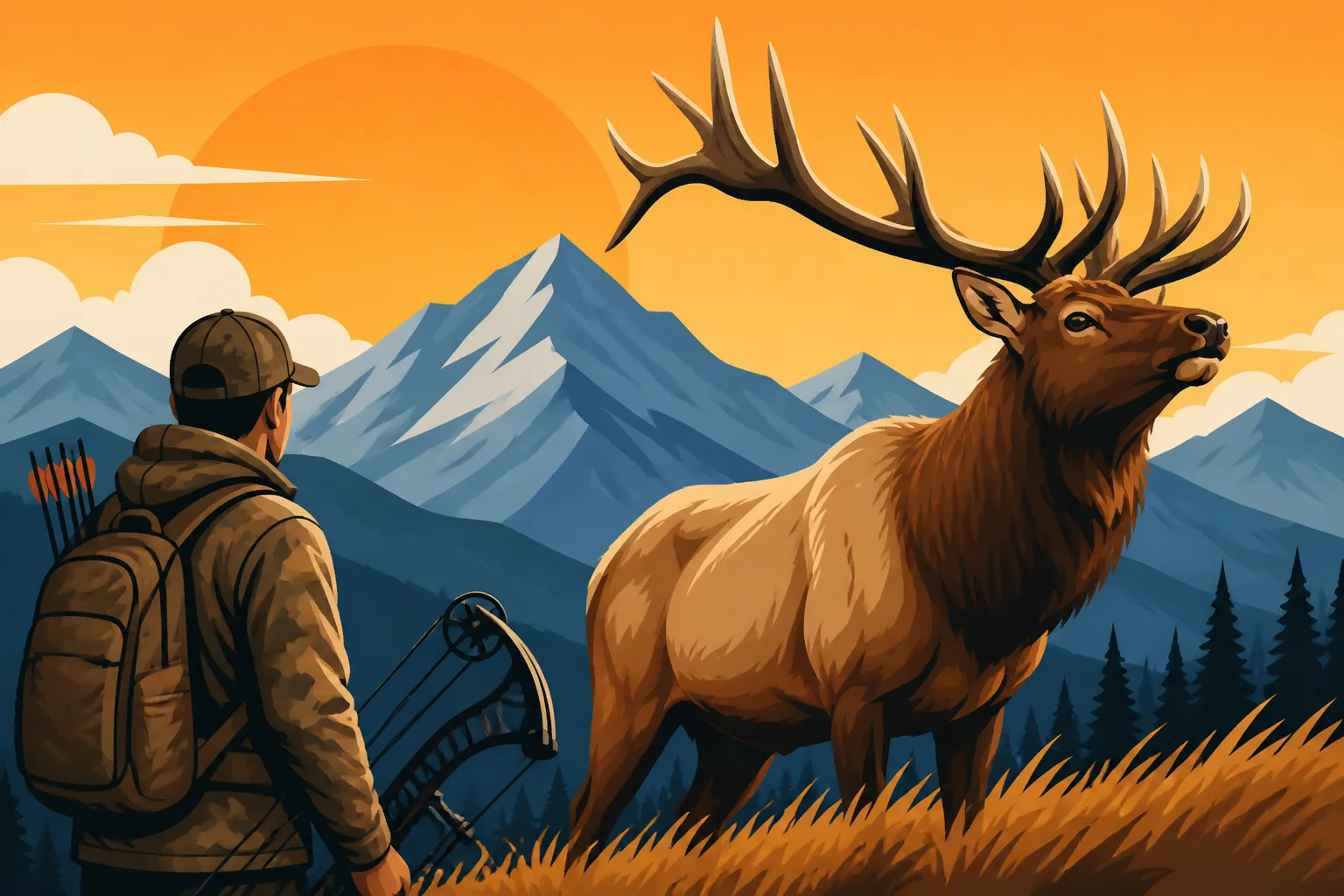
Best Montana Outfitters for Trophy Bulls
Chasing a trophy bull elk in Montana is the dream for many hunters, but finding an outfitter who can genuinely deliver on that dream can feel like navigating a dense, dark timber patch in the wilderness. It's a significant investment of time, money, and hope, and you want to ensure you're putting your trust in the right hands. This guide will walk you through what "trophy bull" truly means in Big Sky Country, how to meticulously vet potential outfitters, and what critical questions to ask to maximize your chances of tagging that bull of a lifetime.
Understanding What "Trophy Bull" Means in Montana
When we talk about "trophy bulls" in Montana, it’s important to align expectations with reality. Many hunters envision a massive 350-inch-plus bull, something straight out of a magazine cover. While these giants certainly roam Montana, they are the exception, not the rule, and require a confluence of factors – genetics, age, habitat, and sheer luck – to even exist, let alone be harvested. For many, a "trophy" might be a respectable 6×6 bull, or perhaps any mature bull that truly challenges them on public land. The definition often depends on your personal goals and experience level.
The term "trophy" is highly subjective, but within the hunting community, it usually refers to an animal of exceptional size, age, or antler quality, often measured by recognized scoring systems. Montana's diverse landscapes, from the rugged Rockies to the rolling plains, produce incredible elk, but consistently finding and harvesting true giants is an endeavor requiring dedication, skill, and often, significant financial investment in guided services. It's crucial to have an honest conversation with yourself and any potential outfitter about what you consider a "trophy" before you ever set foot in the field.
Field Judging and Scoring Expectations
Understanding what constitutes a "trophy" bull in the field means knowing how to quickly assess antler characteristics. This isn't just about the number of points on a side, but also the mass, length of main beams, width, and tine length. For many, a true trophy starts at a 6×6, meaning six points on each antler, with good mass and width. However, a symmetrical 5×5 with heavy, long tines can also be a spectacular bull. Boone and Crockett (B&C) and Pope and Young (P&Y) are the two primary scoring systems that quantify a bull's antler dimensions, with B&C for rifle harvests and P&Y for archery. A B&C score of 300 inches is generally considered a strong bull, while 350 inches and above is truly exceptional and rare.
When an outfitter talks about "trophy bulls," they might have a different benchmark than you. Some consider a 280-300 inch bull a good trophy, especially for areas with heavy hunting pressure or more difficult terrain. Other outfitters, particularly those with exclusive access to large private ranches or less-pressured wilderness areas, might genuinely be hunting for those elusive 350+ class bulls. Always ask for clear, objective data or photographs of actual harvested bulls from previous seasons when discussing "trophy potential." Don't just look at hero shots; ask for multiple angles and details about the hunts. This due diligence is critical for managing your expectations. A good outfitter will be transparent about their typical success and the size of bulls they usually harvest.
Realistic Success Rates for Trophy Bulls
Let's be blunt: harvesting a truly giant bull elk is incredibly difficult, even with the best outfitter. Nature is unpredictable, and elk are masters of evasion. While many outfitters boast high opportunity rates (seeing elk or having a shot opportunity), the success rate for a specific "trophy class" bull is significantly lower. Be wary of any outfitter guaranteeing a 350-inch bull. The best outfitters will be honest about the challenges and the variable nature of hunting.
Factors like weather, elk migration patterns, hunting pressure, and even your own shooting proficiency all play a role. In many general hunting districts, a 300-inch bull is considered a fantastic animal, and anything over that is a bonus. Outfitters operating on private land or in remote wilderness areas often have a higher chance of encountering older, larger bulls dueably to less pressure and better habitat. However, even these hunts don't come with guarantees. It's important to understand the typical success rates for the general elk population in a given area versus the specific success rates for those top-tier, large-antlered bulls. The data can be sobering, but it helps set realistic goals. Montana Elk Hunting Guide can provide a broader context for general success.
Key Factors When Selecting a Trophy Bull Outfitter
Choosing the right outfitter for a trophy bull hunt in Montana is paramount. It’s not just about finding someone with a good reputation; it's about finding someone whose operation aligns with your specific goals for a high-quality animal. You need to scrutinize their experience, the land they operate on, and their hunting philosophy. This is where your research truly begins, going beyond glossy brochures and diving into the details.
Experience and Reputation
When seeking a trophy bull, an outfitter's experience and track record become even more critical. You're not just looking for someone who can find an elk; you're looking for someone who consistently puts hunters on mature, older-age-class bulls. Ask about their guides' experience levels, specifically how long they've been guiding in that particular area and their success with trophy animals. Many excellent guides might be fantastic at getting you a meat animal, but guiding for truly large bulls requires a different set of skills—patience, knowledge of specific elk bedding and feeding patterns for older animals, and often, extensive scouting.
References are non-negotiable. Request a list of clients from the past 2-3 years who hunted for trophy bulls, and make sure you actually call them. Ask about the size of the bulls seen, the size of bulls harvested, the outfitter's honesty, the quality of the guides, and overall hunt experience. Did the outfitter accurately represent the hunting conditions and potential? A reputable outfitter will gladly provide a robust list of references. This is where platforms like BookYourHunt can be a great starting point for finding reputable outfitters, but always follow up with direct conversations and reference checks.
Access to Prime Habitat
The quality of the ground an outfitter hunts is arguably the single most important factor in trophy bull potential. Truly big bulls need space, age, and good nutrition, which means exceptional habitat with minimal pressure. This often translates to large private ranches, remote wilderness areas, or specific hunting districts known for producing older-age-class animals. Don't be shy about asking exactly where the outfitter hunts. Is it primarily on public land, private land, or a combination?
While Montana offers fantastic public land hunting, consistent trophy bull success on heavily pressured public ground can be a tall order. Outfitters with access to vast private land holdings often have a distinct advantage, as they can manage their herds, control pressure, and allow bulls to reach maturity. Wilderness areas, while physically demanding, also offer seclusion and less pressure, which can lead to bigger bulls. Understand that access comes at a premium. Outfitters working with landowners or operating deep in the backcountry are usually more expensive, but the investment often directly correlates with the quality of the animals available. For those considering public land options, understanding Montana National Forest Hunting Guide can be helpful in identifying remote potential. Look into Montana Private Ranch Elk Hunts if private access is your preference.
Hunt Style and Season Timing
The hunting method and time of year significantly impact your chances of encountering a trophy bull. Early archery season during the rut often provides incredible opportunities for calling in a big bull, capitalizing on their vulnerability during breeding. However, archery hunting is inherently more challenging and requires specific skills and equipment. Montana Archery Elk Hunting Guide offers a deep dive into this. Rifle season, particularly late season, can be productive if you catch elk migrating or concentrated due to snow, but these animals are usually warier after weeks of pressure.
Consider what style of hunting you prefer and what an outfitter specializes in. Do they focus on spot-and-stalk, calling, or sitting water holes? For trophy bulls, many outfitters employ aggressive calling tactics during the rut or extensive glassing in high-country basins. Discuss the outfitter's primary hunting methods and how they tailor them to target mature bulls. The season you choose can drastically alter your experience and success potential; for example, the peak rut can be magical for calling in a monster, while a late-season snow hunt might require incredible physical endurance to get to a trophy bull.
Vetting Potential Outfitters for Trophy Opportunities
Once you’ve identified a few promising outfitters, the real work of vetting them begins. This isn't just about comparing prices; it's about asking the right questions, understanding the nuances of Montana's tag system, and performing thorough due diligence to ensure you're making an informed decision for your trophy hunt.
Questions to Ask About Trophy Success
When speaking with an outfitter, go beyond general inquiries. Here are some pointed questions specifically geared toward trophy bull hunting:
- "What is your average bull size harvested over the last three to five years?" Ask for specifics, not just "big bulls."
- "Can you provide photos of bulls taken by clients in the last two years, along with the district, date, and method of harvest?" This helps verify claims and shows actual results.
- "What percentage of your clients pursuing trophy bulls actually harvested one, and what percentage had a legitimate shot opportunity?" Differentiate between seeing an elk and harvesting a trophy.
- "How do you define a 'trophy' bull for your operation?" Make sure their definition aligns with yours.
- "What is your strategy for targeting older-age-class bulls in the area you hunt?" This reveals their specific tactics and knowledge.
- "How much dedicated scouting do you or your guides do before the season, specifically for mature bulls?" Pre-season work is crucial for identifying where big bulls are hanging out.
- "What happens if a hunter passes on a smaller bull, and then doesn't find a larger one? Is there a penalty or a different fee structure?"
These questions will help you gauge an outfitter's honesty and whether they truly specialize in trophy animals versus general elk hunting. Remember, a good outfitter will appreciate your thoroughness. Many outfitters list their services on platforms like GoHunt, which can give you a starting point, but direct conversation is always essential.
Understanding Outfitter-Sponsored Tags and Draw Odds
Montana's licensing system can be complex, especially for nonresidents. Some outfitters may offer "outfitter-sponsored tags." This means a certain percentage of nonresident combination licenses are allocated specifically to licensed outfitters. These tags can sometimes improve your draw odds for the general elk/deer combo license, or in some cases, for specific limited-entry permits in certain districts that might hold higher trophy potential. Montana Outfitter-Sponsored Tags Explained is a good resource to fully grasp this system.
However, even with an outfitter-sponsored tag, success isn't guaranteed, especially for limited-entry permits that require points. You still have to apply through the draw. Always clarify with the outfitter how their sponsored tags work, what the draw odds typically are for their clients in the specific districts they hunt, and what happens if you don't draw. Do they offer a refund, a rollover, or assist with alternative hunt options? Understanding Montana Elk Draw Odds by District and Montana Combination License Draw Odds will give you an idea of the competitive landscape for tags.
Checking Licensing and References
Never skip this step. Verify that the outfitter is properly licensed by the State of Montana. This information is usually publicly available through the state's outfitter and guide licensing board. A legitimate outfitter will have no problem providing their license number. This protects you from potential scams and ensures they operate legally and ethically.
As mentioned earlier, references are vital. When you call past clients, ask open-ended questions and listen carefully to their responses. Did they feel safe? Was the camp clean and comfortable? Was the food good? Did the outfitter and guides work hard? Did they accurately portray the hunt? Even if a client didn't harvest a trophy, their overall experience can tell you a lot about the outfitter's professionalism and dedication. If an outfitter is hesitant to provide references, or only offers a select few, consider that a red flag.
The Financial Commitment of a Trophy Bull Hunt
Let's not beat around the bush: a trophy bull elk hunt in Montana is a significant financial undertaking. It's an investment, and like any investment, you need to understand where your money is going and what kind of return you can realistically expect. The cost varies widely based on many factors, but generally, hunts targeting large, mature bulls will be on the higher end of the spectrum. Montana Guided Elk Hunt Cost provides a general overview, but for true trophy hunts, expect to be at the upper limits or beyond.
What Influences the Cost
Several elements contribute to the price tag of a guided trophy bull hunt. First, exclusive access to large private ranches or outfitters operating in remote wilderness areas often commands a premium. This access means less hunting pressure, often leading to older, larger bulls. Second, the duration and style of the hunt play a role. A 7-10 day backcountry pack-in hunt with horses and multiple guides will cost more than a 5-day lodge-based hunt. High guide-to-hunter ratios, often 1:1 or 2:1, are typical for trophy hunts to maximize individual attention and effort, which increases the price. The reputation and success rate of the outfitter also factor in; those with a proven track record of consistently producing trophy-class animals will naturally charge more.
Moreover, the services included can range from basic camp and guiding to luxurious lodging, gourmet meals, meat processing, and trophy preparation. Always get a detailed breakdown of what's included in the price. Some outfitters might offer different tiers, such as fully guided, semi-guided, or drop camp options. While drop camps are more budget-friendly, they usually don't offer the same level of hands-on guiding required for targeting specific trophy animals.
Beyond the Outfitter Fee
The outfitter fee is just one part of the total cost. You also need to factor in your nonresident hunting licenses and tags, which can be substantial. Don't forget travel expenses to and from Montana, including flights, car rental, and possibly lodging before and after the hunt. You'll also need quality gear—optics, clothing, boots, and weapons—suitable for a challenging Montana elk hunt. Montana Backcountry Hunting Gear List might give you an idea of the items you'll need.
Then there are miscellaneous costs: tipping your guides and camp staff, meat processing, taxidermy, and shipping your meat and/or trophy home. These "hidden" costs can quickly add thousands to your overall budget, so it's critical to account for them upfront. Discuss these potential additional costs with your outfitter to avoid surprises. A helpful approach is to create a comprehensive budget that includes everything from the moment you leave home until you have your meat in the freezer and your trophy on the wall.
| Factor | Impact on Trophy Bull Hunt | Considerations for Hunters |
|---|---|---|
| Outfitter Experience | Deep knowledge of elk behavior, specifically mature bulls; proven track record. | Look for outfitters with 10+ years in the specific area; ask for references. |
| Access to Habitat | Private land or remote public land (wilderness) with less pressure, better genetics. | Inquire about exact hunting locations; public vs. private land percentage. |
| Season Timing | Archery during rut offers calling opportunities; late rifle season for migratory patterns. | Match your preferred weapon and hunting style to the outfitter's specialties and success for big bulls. |
| Hunt Style | Aggressive calling, extensive glassing, patience for older bulls. | Discuss their specific tactics for finding and harvesting trophy animals, not just "any" elk. |
| Draw Odds & Tags | Some outfitters leverage outfitter-sponsored tags; limited-entry permits often yield bigger bulls. | Understand tag requirements; clarify if outfitter assists with draw, or if tags are guaranteed/sponsored. |
| Physical Demands | Trophy hunts often involve rugged terrain, long days, and physical exertion. | Be honest about your fitness level; choose an outfitter whose hunt matches your capabilities. Montana Elk Hunt Fitness Plan is a good guide. |
Ultimately, finding the best Montana outfitter for a trophy bull hunt involves extensive research, clear communication, and a realistic understanding of what it takes. It's about finding a professional who shares your passion for ethical hunting and has the knowledge, access, and dedication to put you in a position to fulfill that once-in-a-lifetime dream. How to Book a Montana Hunting Guide will provide more general steps, but for a trophy, you need to dig deeper. How to E-Scout Montana Hunting Units can even help you identify potential areas the outfitter mentions, so you can do your own preliminary research.
Disclaimer
This article is for general informational purposes only and does not constitute professional advice. Laws, prices and regulations vary by location and change over time. Consult a qualified professional for guidance on your specific situation.