How to Hunt Montana’s Late-Season Migration
Hunting Montana in the late season can feel like you're chasing ghosts, especially when the big game herds start their annual migration. The weather shifts dramatically, the mountains become formidable, and those once-predictable patterns vanish, leaving many hunters frustrated and wondering where the animals have gone. This comprehensive guide will walk you through the nuances of understanding and effectively hunting Montana's late-season migration, helping you adapt your strategies to find success when the temperatures drop and snow blankets the landscape.
Understanding Late-Season Migration Triggers
The late season in Montana is defined by one undeniable force: winter. As the high country becomes inhospitable, elk, mule deer, and other big game animals initiate their downhill exodus, moving from their summer ranges to lower elevation wintering grounds. This isn't just a casual stroll; it's a strategic, often urgent movement driven by survival, and understanding these triggers is paramount to intercepting them.
The Role of Weather and Snowpack
The primary driver for late-season migration is undoubtedly the weather, particularly significant snowfall and sustained cold temperatures. It's not usually the first dusting of snow that moves animals off their summer ranges, but rather successive storms that build up snowpack, especially at higher elevations. When snow accumulates to a depth that makes foraging difficult or travel arduous, deer and elk are compelled to seek lower ground.
Think about it from an animal's perspective: a foot or two of snow might be manageable for a day or two, but when it’s consistently that deep or deeper, and the temperatures plummet, they expend too much energy digging for forage. Their metabolism demands easier access to food. Persistent, heavy snow above a certain elevation pushes them down to areas where snow is shallower, or south-facing slopes melt off faster, revealing critical feed. A sudden, severe cold snap, often accompanying these snow events, further accelerates the migration, making it a race for survival. These large weather events often act like a switch, turning on the migration almost overnight.
Identifying Migration Corridors and Winter Range
Animals don't just wander aimlessly down the mountain; they use established migration corridors. These routes are often centuries old, passed down through generations. They follow natural contours of the land, utilizing drainages, saddles, and benches that offer the easiest travel and sometimes patches of forage or security cover along the way. Think of them as game highways, albeit sometimes subtle ones, connecting summer and winter ranges.
Winter ranges, on the other hand, are the destination. These are typically lower elevation areas, often with south-facing slopes, open timber, or sagebrush flats that either shed snow quickly or offer access to browse that remains palatable even in winter. Often, these ranges are protected from prevailing winds and receive more direct sunlight, making them slightly warmer and melting snow faster. Identifying these corridors and destination winter ranges is crucial. Tools like GoHunt can be incredibly valuable here, allowing you to pour over topographic maps, analyze satellite imagery, and identify likely travel routes and wintering areas based on elevation, aspect, and vegetation types long before you ever set foot in the field. This kind of detailed E-scouting Montana hunting units can save you days of aimless wandering once the snow flies.
Species-Specific Migration Patterns
While general principles apply, there are subtle differences in how elk and mule deer approach their late-season movements.
- Elk Migration: Elk are true high-country dwellers for much of the year, but when winter hits hard, they can move considerable distances. Their migration often involves larger herds, using distinct, well-worn paths. They tend to seek out areas with security cover—dark timber stands—adjacent to open south-facing slopes where they can feed and sun themselves. Their sheer size allows them to push through deeper snow than deer, so they might linger a bit longer in marginal areas or return to higher spots during a mid-winter thaw. Understanding how to find elk in Montana dark timber or predict their movement based on thermal protection is vital.
- Mule Deer Migration: Mule deer also migrate, but often not quite as far as elk, or they may utilize more fragmented, shorter-distance movements. They are highly reliant on browse species like sagebrush and bitterbrush, which are more common at lower elevations. When the snow covers these crucial food sources at higher altitudes, mule deer will quickly descend to brushy river bottoms, agricultural fringes, or lower sage hills. They might be more likely to hold in broken terrain with pockets of cover, unlike elk who might favor larger timber blocks. Being able to anticipate how weather moves Montana mule deer is critical for success in the late season.
Knowing these species-specific tendencies allows you to fine-tune your approach. For instance, if you're targeting elk, you might focus on broad, timbered drainages leading down from vast wilderness areas. If it's mule deer, you might concentrate on the transition zones between high sagebrush benches and agricultural lands, or the breaks country.
Strategic Hunting Approaches for Late Season
Once you understand why and where animals migrate, the next step is developing an effective hunting strategy to intercept them. Late-season hunting demands patience, resilience, and often a different set of tactics than those used in the early archery or general rifle seasons.
Intensive E-Scouting and Boots-on-the-Ground Reconnaissance
E-scouting is your best friend for a successful late-season hunt. Before the snow even flies, spend hours with mapping software like OnX Hunt or GoHunt, analyzing topographical maps, satellite imagery, and land ownership. Look for:
- Elevational Changes: Identify areas where contour lines suggest a natural funnel or saddle from higher elevations to lower, accessible winter range.
- Vegetation Types: Pinpoint areas of heavy timber that offer thermal and security cover, especially adjacent to open, south-facing slopes (prime feeding areas in winter).
- Water Sources: While less critical in deep snow, consistent water sources can still dictate travel routes.
- Access Points: Determine how you can legally and safely access these areas, considering potential snow depths on roads and trails.
Cross-reference these findings with historical weather data, particularly snow depth patterns in previous winters. Where did the snow accumulate the most? Which areas melt out first? Once conditions begin to shift, get boots on the ground if possible, even for short scouting trips. Look for fresh tracks in new snow, rubbed trees, and bedding areas. A fresh set of tracks leading into a drainage, especially after a significant snowfall, is often all the invitation you need to commit to an area. Checking trail cameras in known migration corridors can also provide invaluable, real-time intelligence on animal movement.
Timing Your Hunt with Weather Patterns
Late-season hunting is all about timing. Instead of hunting a specific set of dates, you're often hunting a weather event. Monitor long-range forecasts closely. A major snowstorm or prolonged cold front is often what you're waiting for. The day after a heavy snowfall can be particularly productive. Animals that have been holed up during the storm will be compelled to move and feed aggressively as soon as the weather breaks.
However, don't just jump in haphazardly. Consider the timing of the storm relative to daylight hours. If a storm hits hard overnight, the animals might be pushed down into fresh, undisturbed areas by morning. If it's a multi-day storm, the animals might move during a lull, only to bed down again when it picks up. The key is to be flexible and ready to deploy as soon as conditions trigger a significant movement. This might mean dropping everything to hit the mountains for a few days, so having your gear ready for a Montana backcountry hunting trip is crucial.
Glassing Techniques in Open Country
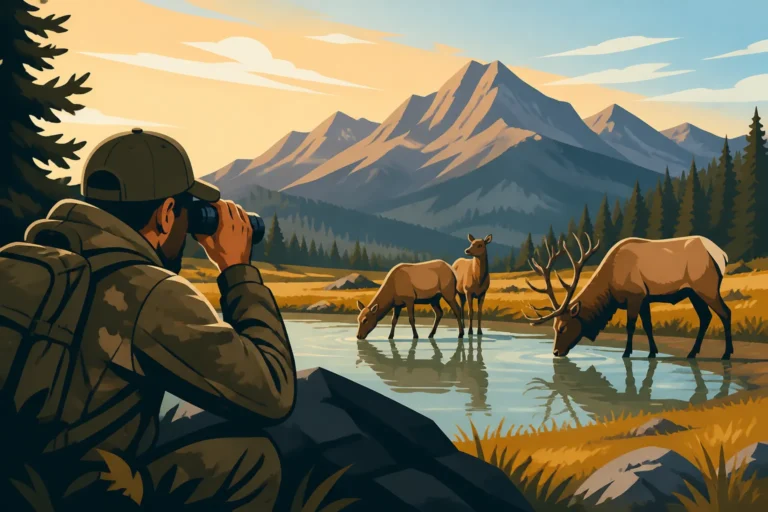
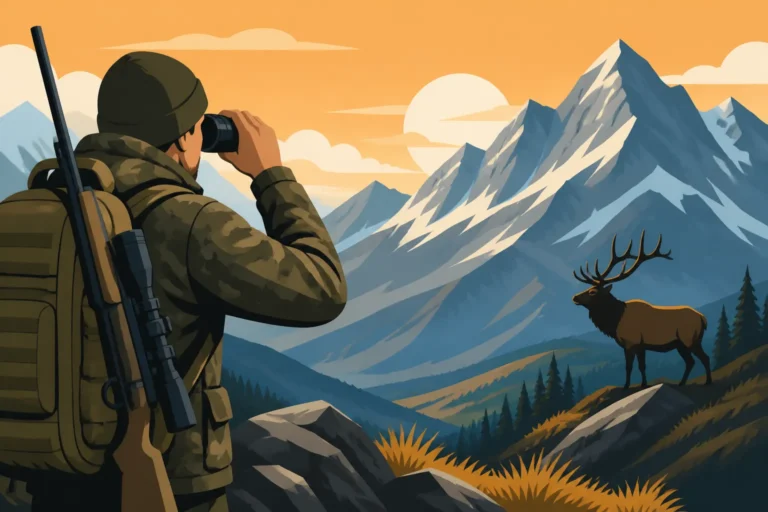
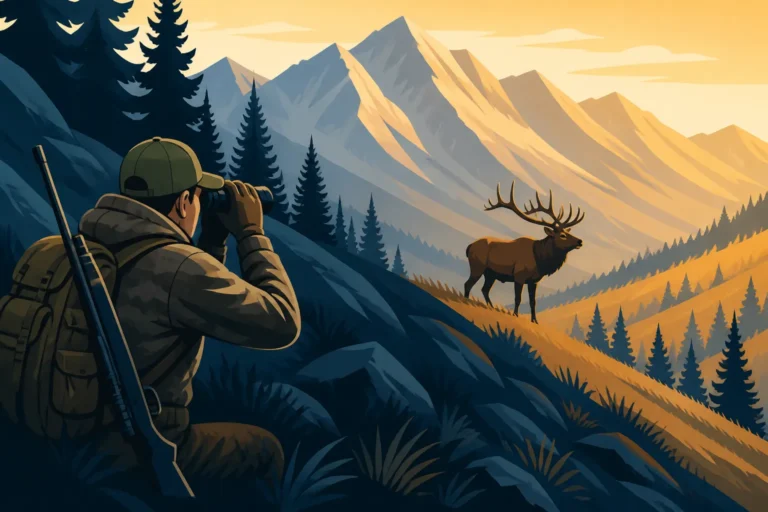
In many parts of Montana, late-season hunting involves vast, open country where animals are pushed down to lower, less timbered areas. This makes glassing an incredibly effective strategy. Instead of still-hunting through thick timber, you'll often be perched on a vantage point, scanning expansive landscapes with high-quality optics.
- Setup: Find a spot with a broad, unobstructed view of likely migration corridors, south-facing slopes, and winter range. Consider areas that offer protection from the wind.
- Grid Search: Systematically grid the landscape. Don't just scan casually. Break the terrain into smaller sections and thoroughly examine each one with your binoculars (10x-15x) and spotting scope (20x-60x). Pay extra attention to the edges of timber, coulees, and any irregularities that might hide an animal.
- Lighting: Early mornings and late evenings are prime times, but in late season, animals might be active and visible for longer periods, especially on cloudy days or after a big storm. Look for movement, subtle color changes, or the glint of an antler against a snowy background.
- Patience: Glassing takes immense patience. Spend hours, not minutes, behind your optics. Sometimes, an animal that was previously hidden will stand up or move, revealing its presence. When you spot an animal, evaluate the approach. Is it a lone animal or part of a herd? Where are they heading? What is the wind doing?
Navigating and Hunting Timbered Migration Corridors
Not all late-season hunting is in the open. Many crucial migration corridors pass through dark timber or mixed forest. Here, a different approach is necessary, often involving slow, deliberate still-hunting or setting up ambushes.
- Still-Hunting: This method requires moving incredibly slowly and silently through the timber, pausing frequently to observe your surroundings. Take a few steps, then stop and glass every shadow, every cluster of trees. Use the wind to your advantage, moving into it or across it to keep your scent from spooking animals. Pay attention to downed logs and branches, as snapping a twig can send a wary animal fleeing. This is particularly effective when trying to find elk in Montana dark timber.
- Ambush Points: If your e-scouting or on-the-ground reconnaissance reveals a consistent travel corridor or bottleneck, consider setting up an ambush. This might be a saddle, a narrow draw, or the edge of a feeding area. Get into position well before first light, conceal yourself effectively, and be prepared to wait for long periods in the cold. The key is to position yourself where you have a clear shot lane and can intercept animals as they move between bedding and feeding areas.
- Using Snow for Tracking: Fresh snow is a tracker's best friend. It not only reveals recent animal activity but also allows for quieter movement. Follow fresh tracks cautiously, always paying attention to the wind and observing ahead. Look for signs of feeding, bedding, and how animals are reacting to the terrain. This can be a highly effective way to hunt elk in Montana snow.
Essential Gear and Preparation for Late-Season Conditions
Montana's late season can be brutal. Temperatures can plummet well below zero, winds can be relentless, and snow depths can range from a few inches to several feet. Being properly prepared isn't just about comfort; it's about safety and survival.
Layered Clothing and Weather Protection
Layering is non-negotiable for late-season hunting. You need to be able to add or shed layers to regulate your body temperature as you exert yourself or sit still.
- Base Layers: Start with moisture-wicking synthetic or merino wool base layers. These are crucial for pulling sweat away from your skin, preventing hypothermia. Brands like Sitka Gear or Kuiu offer excellent options designed for demanding conditions.
- Mid-Layers: Fleece or down/synthetic puffy jackets provide insulation. Consider a heavier mid-layer for stationary periods and a lighter one for active hunting.
- Outer Shell: A waterproof, windproof, and breathable outer shell is your defense against the elements. Look for quality Gore-Tex or similar technology in both your jacket and pants. Good gaiters are also essential to keep snow out of your boots.
- Extremities: Don't skimp on hats, gloves, and socks. Warm, insulated, waterproof boots are paramount. Multiple pairs of wool socks are a must. A heavy pair of insulated mittens or trigger finger gloves for stationary periods, coupled with thinner shooting gloves, is a common setup.
- Accessories: Hand warmers, a neck gaiter or balaclava, and possibly insulated over-booties for glassing can make a huge difference in comfort.
Navigation and Communication Tools
Reliable navigation and communication are critical, especially when hunting in remote, snow-covered terrain where trails can disappear.
- GPS and Mapping App: A dedicated handheld GPS unit or a smartphone with a robust mapping app (like OnX Hunt or Gaia GPS) is essential. Download offline maps of your hunting area before you leave service. Ensure your phone is fully charged and carry a portable power bank. GoHunt’s mapping features also allow for detailed planning and tracking.
- Physical Map and Compass: Always carry a physical topographic map of your area and know how to use it with a compass. Batteries die, screens break, and electronics fail in extreme cold. This analog backup is a lifesaver.
- Satellite Communicator: For truly remote backcountry hunts, a satellite communicator (e.g., Garmin inReach or Zoleo) is highly recommended. It allows you to send and receive messages, access weather forecasts, and, most importantly, send an SOS in an emergency, even when cell service is nonexistent. These devices are invaluable for Montana backcountry hunting safety tips.
Physical Conditioning and Mental Toughness
Late-season hunting in Montana is physically demanding. You'll likely be hiking through snow, potentially breaking trail, climbing steep, slick slopes, and enduring biting cold.
- Pre-Season Training: Start an intense fitness regimen months before your hunt. Focus on cardiovascular endurance (hiking with a weighted pack, stair climbing), strength training (legs, core, back), and flexibility. A Montana elk hunt fitness plan should include long hikes with the same weight you'll be carrying in the field.
- Cold Acclimation: Spend time outdoors in cold weather before your hunt to get your body used to it. Practice setting up camp, cooking, and performing tasks with cold hands.
- Mental Fortitude: The cold, the vastness, the lack of immediate success—all these can wear on you mentally. Develop strategies for staying positive, breaking down the hunt into manageable segments, and celebrating small victories. Remind yourself why you're out there and embrace the challenge. Knowing how to prepare for high-country Montana hunting extends beyond just physical readiness.
Logistics and Ethical Considerations
Beyond personal preparation and hunting strategy, successful and responsible late-season hunting requires careful attention to logistics and ethical conduct.
Accessing Winter Range and Private Land Boundaries
As animals move to lower elevations, they often push closer to private lands, agricultural fields, and even residential areas. This creates unique access challenges and demands extra vigilance regarding property boundaries.
- Public vs. Private: While Montana offers vast amounts of public land, many prime winter ranges are a patchwork of public and private ownership. Use your mapping apps (like OnX Hunt) to clearly delineate these boundaries. Respect private property at all times; trespassing is illegal and damages the reputation of all hunters.
- Block Management Areas: Montana's Block Management Program can be an incredible resource for accessing private land, but rules and access methods vary greatly. Check the FWP website for current Block Management Area details and specific rules for each area you plan to hunt. Some require sign-in at kiosks, others a phone call, and some have limited access dates or hunter quotas. How to use Block Management for DIY hunts can be a game-changer.
- Road Closures: Be aware that many forest service and BLM roads close in late fall or early winter due to snow or seasonal closures to protect wintering wildlife. Plan your access accordingly, which might involve significant hiking or even snowshoeing/skiing.
Hunter Density and Ethical Conduct
Late-season migrations can sometimes concentrate animals, which, unfortunately, can also concentrate hunters. This means increased pressure and a heightened need for ethical behavior.
- Dealing with Pressure: If you find yourself in a high-pressure area, be prepared to hike further, hunt smarter, and potentially change your plans. Consider venturing into more remote or difficult-to-access areas where other hunters might not go. Think about adopting a Montana public land hunting strategy that focuses on escaping the crowds.
- Ethical Shots: With animals potentially stressed from migration and cold, taking clean, ethical shots is paramount. Ensure you have a clear understanding of shot placement, your rifle's capabilities, and your personal shooting limitations. Wounded animals in deep snow are incredibly difficult to recover.
- Respect for Wildlife: Remember that late season is a critical time for wildlife survival. Avoid unnecessary hazing of animals. If you encounter elk or deer that are clearly stressed or struggling in deep snow, give them space. Your actions reflect on the entire hunting community.
Field Care and Meat Preservation in Cold Conditions
One distinct advantage of late-season hunting is the natural refrigeration. Cold temperatures help preserve meat, but proper field care is still essential.
- Quick Processing: As soon as an animal is down, begin the field dressing process. Get the guts out quickly to allow the carcass to cool down internally. Even in cold weather, the internal heat can spoil meat if not addressed promptly.
- Skinning and Quartering: Skinning the animal allows for faster cooling. Quartering makes the animal easier to pack out and exposes more surface area to the cold. Knowing how to quarter an elk in the Montana backcountry is a crucial skill.
- Keeping it Clean: Use game bags to protect the meat from dirt, leaves, and flies (though flies are less of an issue in deep cold). Elevate the quarters off the snow if possible, or hang them from trees to allow air circulation.
- Packing Out: While the cold helps preserve, the exertion of packing out an animal in snow can heat the meat if not done correctly. Pack your meat strategically, perhaps allowing it to cool completely before the final pack out if conditions allow. If you're a solo hunter, learning how to pack out elk meat solo in Montana is vital.
| Feature | Early Season (Archery/Early Rifle) | Late Season (Migration/General Rifle) |
|---|---|---|
| Primary Trigger | Rutting behavior, food sources, predictable patterns | Heavy snow, extreme cold, lack of high-country forage |
| Animal Location | Higher elevations, timbered basins, summer range | Lower elevations, winter range, migration corridors, south-facing slopes |
| Hunter Tactics | Calling, spot-and-stalk in timber, ambushing | Glassing large areas, still-hunting timber, intercepting migration |
| Weather Impact | Warm days, cool nights, thunderstorms, occasional early snow | Consistent cold, deep snow, strong winds, blizzards |
| Gear Focus | Lightweight, breathable, rain protection, bugling calls | Heavy insulation, extreme cold protection, navigation, survival gear |
| Physical Demands | Steep climbs, heat management, covering ground quickly | Enduring extreme cold, breaking trail in snow, navigating icy terrain |
| Visibility | Often limited by dense foliage | Excellent in open areas, but snow can obscure animals |
| Hunter Pressure | Can be high in accessible areas, especially during the rut | Concentrated in lower-elevation access points and known winter ranges |
| Meat Preservation | Immediate field care, ice, coolers crucial | Natural refrigeration, but proper care still needed to prevent spoilage |
Hunting Montana's late-season migration is not for the faint of heart, but it offers some of the most rewarding and challenging experiences in the wild. By understanding the forces that drive these magnificent animals, adapting your strategies, and meticulously preparing for the elements, you can unlock incredible opportunities and create memories that will last a lifetime. For more detailed information on specific areas, consider looking into guides like how to hunt the Missouri Breaks for mule deer or Best Districts for Elk Hunting in Montana, as these locations often hold crucial migration routes.
Disclaimer
Hunting is an inherently dangerous activity. This guide provides general information and strategies, but it is your responsibility to understand and comply with all Montana hunting regulations, obtain necessary licenses and permits, and prioritize safety above all else. Always check the current Montana Fish, Wildlife & Parks regulations and weather forecasts before embarking on any hunt. Local conditions can vary dramatically, and proper preparation and judgment are essential for a safe and successful experience.