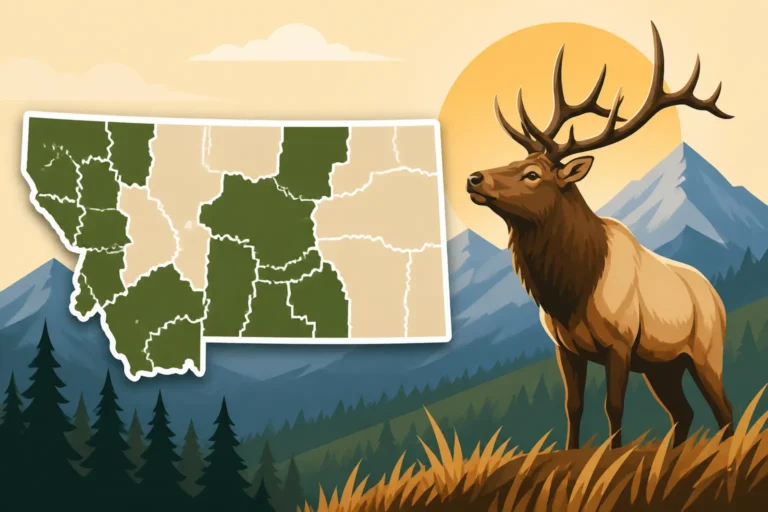
Montana Elk Combo Price for 2026
Planning a Montana elk hunt as a nonresident can feel like navigating a maze, especially when you start trying to pin down exactly what you'll pay for that coveted tag. The sheer complexity of licenses, fees, and application processes can be incredibly frustrating, leaving many hunters scratching their heads about the actual "Montana Elk Combo price for 2026." This guide is here to untangle that knot, offering a clear, realistic breakdown of what you can expect to budget for your dream hunt in the Treasure State.
Decoding the Montana Nonresident Combination License
When people talk about the "Montana Elk Combo," they're almost always referring to the Big Game Combination License. It's a bit of a misnomer to think of it as just an elk tag, especially for nonresidents. Montana's system bundles several opportunities into one comprehensive package, which is often the primary route for out-of-state hunters targeting elk and deer. Understanding this fundamental structure is the first step in budgeting your hunt.
What Exactly is the Big Game Combination License?
The Big Game Combination License is Montana's premier offering for nonresident big game hunters, designed to provide a robust hunting experience across multiple species. It typically includes licenses for both general elk and general deer. This means that when you apply for this combo, you're not just getting a chance at an elk; you're also getting a general deer tag, which can be incredibly valuable if you fill your elk tag early or simply want to pursue more opportunities. This combined approach is what makes it so popular, as it maximizes your potential harvest and time in the field.
Beyond the actual game tags, this combination license also bundles in several mandatory fees. These usually include a Base Hunting License, a Conservation License, a Hunting Access Enhancement Fee, and the Aquatic Invasive Species (AIS) Prevention Pass. Each of these components plays a role in supporting Montana's wildlife management and public access programs. For instance, the AIS pass is crucial for funding efforts to protect Montana's waterways from invasive species, ensuring the health of the aquatic ecosystems that support big game. Knowing these individual components helps you understand the overall value and purpose behind the total price you'll pay.
Why Nonresidents Opt for the Combination License
For many nonresidents, the Big Game Combination License isn't just an option; it's often the most practical and efficient way to hunt elk in Montana. Unlike some other states where you might apply for an elk tag independently, Montana’s system heavily favors the combo license for out-of-state hunters seeking elk opportunities. While a nonresident can apply for a General Elk license on its own, the draw odds for the Big Game Combination License are generally more favorable than drawing a standalone elk tag, due to the way quotas are allocated. This makes the combo a strategic choice for increasing your chances of success in the competitive nonresident draw.
Furthermore, the convenience of having both an elk and deer tag on a single license is a huge draw. Imagine spending weeks planning and traveling for your hunt, only to fill your elk tag on day two. With the combo, you've still got a deer tag in your pocket, allowing you to continue hunting and make the most of your trip. This flexibility provides peace of mind and significantly enhances the overall value of your hunting adventure. It's truly a comprehensive package designed to give you the fullest possible experience of hunting in Montana.
Breaking Down the Costs: What You Actually Pay for Your 2026 Elk Combo
Getting a firm grasp on the total cost of a Montana Big Game Combination License for 2026 requires looking at a few different moving parts. While official 2026 numbers aren't set in stone just yet, we can make very accurate projections based on the 2025 rates and historical trends. Typically, you're not just paying for the tag itself, but also for several mandatory fees and potentially preference points to boost your draw odds.
The Core License and Mandatory Fees
The bulk of the cost for the Montana Big Game Combination License stems from the base price of the combo itself, which usually hovers around the $1,200-$1,300 mark for nonresidents. For 2025, this comprehensive package including the general elk and deer tags, a Conservation License, the Hunting Access Enhancement Fee, and the AIS Prevention Pass, was approximately $1,288. While exact figures for 2026 might see a slight increase due to inflation or administrative adjustments—perhaps a 3-5% bump wouldn't be surprising—this 2025 figure provides a very solid baseline. It's important to remember that these are not separate line items you choose; they are bundled into the overall price of the combination license.
Consider the various components: The Base Hunting License is a fundamental requirement for any hunter in Montana. The Conservation License helps fund various wildlife and habitat initiatives. The Hunting Access Enhancement Fee directly contributes to programs that secure public hunting access, like Block Management Areas, which are vital for DIY hunters. And, as mentioned, the Aquatic Invasive Species Prevention Pass is a critical investment in protecting Montana’s precious waterways. These fees aren't just arbitrary charges; they are integral to maintaining the quality of hunting and conservation efforts across the state.
Preference Points and Their Impact
Montana employs a preference point system for its nonresident Big Game Combination License draw. This system is crucial for nonresidents, as it significantly impacts your draw odds. Each year you apply for the combo license and are unsuccessful, you can purchase a preference point for an additional fee. For 2025, a preference point cost $100. This fee is typically paid in addition to your license application fee. For example, if you apply for the combo and purchase a preference point, your initial outlay will be the license fee plus the preference point fee. You can accumulate up to a certain number of preference points (currently 10 for the Big Game Combination), and these points increase your likelihood of drawing a tag in subsequent years.
The strategic use of preference points cannot be overstated. If you're serious about hunting Montana elk, especially in specific, highly sought-after units, accumulating preference points is almost a necessity. Without them, your draw odds for the combo license can be quite low, particularly in districts known for their trophy potential or robust elk populations. Websites and services like GoHunt offer detailed draw odds analysis, helping you understand how many points you might need to realistically draw a tag in your desired area. This information is invaluable for long-term planning, letting you decide if you want to spend a year or two building points before applying for the actual license.
Here's a simplified breakdown of the potential 2026 costs, based on 2025 figures with a hypothetical 3% increase:
| Cost Component | Estimated 2025 Price | Projected 2026 Price (with 3% increase) | Notes |
|---|---|---|---|
| Nonresident Big Game Combo | $1,288 | $1,326 | Includes general elk & deer, conservation, access, AIS. Main license. |
| Preference Point (Optional) | $100 | $100 | Purchased annually to improve draw odds. Max 10 points. |
| Non-refundable Application Fee | Included | Included | Typically bundled into the Combo price. |
| Total Minimum Cost (without PP) | $1,288 | $1,326 | For first-time applicants not buying a preference point. |
| Total Cost (with 1 PP) | $1,388 | $1,426 | For first-time applicants also buying a preference point for future draws. |
Note: These are projections for 2026. Official prices are determined by Montana Fish, Wildlife & Parks (FWP) and are subject to change.
The 2026 Outlook: Potential Changes and How to Prepare
The world of hunting regulations is constantly evolving, and Montana is no exception. While we've provided solid projections for the Montana Elk Combo price for 2026, it's vital to stay informed about potential regulatory shifts. Changes can come from various sources—legislative actions, FWP commission decisions, or even unforeseen environmental factors—all of which can impact both the cost and availability of licenses.
Anticipating Regulatory Shifts
Montana Fish, Wildlife & Parks (FWP) continuously monitors wildlife populations, habitat conditions, and hunter demand to make informed decisions about seasons, quotas, and licensing structures. While major fee increases often require legislative approval, smaller administrative adjustments can occur more frequently. For instance, the cost of the AIS Prevention Pass might fluctuate slightly based on program needs, or the Hunting Access Enhancement Fee could see minor changes. These incremental shifts, while seemingly small individually, can add up to affect the total price of your Big Game Combination License.
Beyond direct costs, nonresidents should also be aware of potential changes to tag quotas or draw mechanics. The non-resident cap on overall licenses, or changes to how Montana Nonresident Combination License Guide are allocated, can impact your draw odds. For example, if there's a significant shift in elk populations in certain regions due to disease or severe winters, FWP might adjust harvest quotas, which could indirectly affect nonresident opportunities or even lead to changes in tag types (e.g., more antlerless tags in specific areas). Staying attuned to FWP announcements, particularly those made in late fall or early winter preceding the application year, is crucial.
Staying Informed and Planning Ahead
The best defense against unexpected changes is proactive information gathering. Regularly checking the official Montana FWP website is your primary source for the most accurate and up-to-date information on license costs, application deadlines, and regulatory changes. They typically release their full hunting regulations and fee schedules for the upcoming year well in advance of the nonresident application deadlines, which for the Big Game Combination License is usually mid-March.
Beyond the official FWP site, leveraging resources from reputable hunting platforms can provide excellent insights and analyses. Services like GoHunt are known for breaking down complex draw information, analyzing odds, and offering projections that can help you strategize your application. They often track proposed regulation changes and provide commentary on what those might mean for hunters. Subscribing to FWP newsletters or following their social media channels can also give you early alerts. By staying on top of these resources, you can anticipate potential cost adjustments and plan your How to Apply for a Montana Hunting License strategy with greater confidence. This is especially important for nonresidents who are investing significant time and money into their Montana hunting dreams.
Strategies for Budgeting Your Montana Elk Hunt
Securing your Big Game Combination License is just one part of the financial puzzle for a Montana elk hunt. A successful and enjoyable trip requires careful budgeting beyond just the tag itself. From travel and gear to food and processing, a realistic financial plan is essential to avoid unwelcome surprises.
Beyond the License Fee: Hidden Costs to Consider
Many first-time nonresident hunters often underestimate the full scope of expenses involved in a Montana elk hunt. While the Montana Combination License Application Fees Explained is significant, it's just the beginning.
- Travel Expenses: This includes flights or fuel for driving, car rental (especially if you need a high-clearance 4×4 for rough Montana roads), and accommodations before and after your hunt. Many hunters arrive a day early to acclimate and buy groceries, and stay a day late for meat processing or travel contingencies.
- Gear and Equipment: Do you have appropriate backcountry hunting gear, including a quality backpack, sturdy boots, optics, and proper layering systems for Montana's unpredictable weather? If you're going the DIY route for Montana Backcountry Hunting Guide, you might need a tent, sleeping bag, stove, and specialized navigation tools. Even small items like headlamps, first-aid kits, and game bags add up.
- Food and Supplies: Groceries, water, and trail snacks for the duration of your hunt are a must. If you're staying in a town, restaurant meals can quickly inflate your budget.
- Meat Processing and Shipping: After you tag an elk, you'll need to pay for professional meat processing, which can range from $200-$500 or more, depending on the services you choose. If you're flying home, factor in the cost of coolers, dry ice, and shipping the meat. This can easily be another few hundred dollars.
- Taxidermy: If you harvest a trophy and decide on taxidermy, that's a separate, often substantial, expense.
- Gratuities: If you hire a guide or participate in a drop camp, tipping is customary and should be factored into your budget.
Ignoring these "hidden" costs can quickly derail your financial planning and add unnecessary stress to your hunt.
Maximizing Value and Managing Expectations
With the costs laid out, it's time to think strategically about how to get the most out of your investment. One key aspect is understanding Montana Preference Points vs Bonus Points and building points over time. If your budget is tight, consider applying for a preference point for a year or two before committing to the full combination license. This spreads out the cost and significantly improves your odds of drawing a tag when you do apply for the full license.
Another strategy is to focus on general hunting districts rather than highly competitive limited-entry areas, especially if you're new to hunting in the state. Many general units offer excellent elk hunting opportunities with better draw odds, allowing you to gain valuable experience without years of building maximum points. Websites like GoHunt provide draw odds breakdowns for specific hunting districts, helping you identify areas that align with your point totals and hunting goals.
Consider a Montana DIY Elk Hunting Guide approach if you have the skills and physical conditioning. While demanding, a DIY hunt can cut down on outfitter costs, allowing you to allocate more funds to travel or higher-quality gear. Conversely, if you prioritize comfort and a higher chance of success, explore options for Montana Drop Camp Hunts Explained, which can be a middle ground between fully guided and DIY.
Finally, manage your expectations. Montana elk hunting is challenging, and success is never guaranteed. Budgeting for multiple trips over several years, especially if you're building preference points, is a realistic approach. Focus on the experience, the adventure, and the opportunity to immerse yourself in Montana's incredible wilderness. The harvest is a bonus. For more detailed information on specific season dates and tag requirements, you can always check out resources like Montana Elk Season Dates and Tags. Understanding Montana Hunting Districts Explained is also crucial for maximizing your chances.
Final Thoughts on Your Montana Elk Combo Price
Navigating the application process for a Montana nonresident Big Game Combination License and understanding the associated costs for 2026 can feel overwhelming, but it's entirely manageable with a little homework and realistic planning. While the price might seem substantial at first glance, breaking down the components and considering the value of both an elk and a deer tag, along with the investment in conservation, helps put it into perspective.
The core of your budget will be the Big Game Combination License itself, likely projecting to be around $1,326 for 2026 based on current trends. Add to that the strategic cost of preference points, which at $100 per point annually, is a wise investment to boost your draw odds in the competitive nonresident pool. Services like GoHunt are invaluable for understanding these odds and making informed application decisions. Remember, these costs are dynamic, so always cross-reference with the official Montana FWP website for the most current information as 2026 approaches.
Beyond the license, don't forget to budget generously for travel, quality gear, food, and post-harvest expenses like meat processing. A well-planned budget that accounts for these variables will not only prevent financial surprises but also allow you to fully immerse yourself in the unparalleled experience of hunting elk in Montana's breathtaking landscapes. It’s an adventure that requires commitment, but the rewards are truly priceless.
Disclaimer
Please note that hunting regulations, license costs, and application deadlines in Montana are subject to change annually by Montana Fish, Wildlife & Parks (FWP). The information provided in this guide is based on current (2025) regulations and historical trends, with projections for 2026. Always consult the official Montana FWP website or contact them directly for the most up-to-date and accurate information before making any hunting plans or purchases.