How to Hunt Montana Elk from a Base Camp
Montana elk hunting is an experience unlike any other, but the sheer vastness and ruggedness of the landscape, coupled with the challenges of a true backcountry hunt, can feel utterly overwhelming for many. The idea of living out of a backpack for days on end, deep in the wilderness, isn't always feasible or even desirable for every hunter. This guide is all about finding that sweet spot: the strategy of hunting Montana elk from a comfortable, well-supplied base camp, offering a robust approach for those who want to tackle Big Sky Country without sacrificing a good night's sleep or a hot meal.
The Enduring Appeal of Base Camp Elk Hunting in Montana
There's a common misconception that to truly hunt elk in Montana, you have to be miles deep in the nastiest country, sleeping under a tarp, and eating cold dehydrated meals. While that's certainly one powerful way to do it, it's not the only way. For many hunters, myself included, the thought of a solid base camp isn't a sign of weakness; it's a strategic advantage that allows for sustained effort, better recovery, and ultimately, a more enjoyable and successful hunt.
Comfort and Logistics Simplified
Let's be real: after a grueling day of climbing ridges, busting through timber, and glassing distant slopes, the thought of coming back to a warm, dry camp with a comfortable cot and a hearty meal is pure bliss. A well-established base camp provides a level of comfort that a minimalist spike camp simply can't match. You can dry out wet gear around a wood stove, get a full night's rest without condensation dripping on your face, and actually cook real food instead of just rehydrating a pouch. This isn't just about luxury; it's about endurance.
Think about the mental and physical grind of successive days in tough weather. Being able to recharge fully each evening can mean the difference between quitting early and pushing through for that final, successful day. It reduces the daily logistical overhead dramatically. Instead of worrying about every ounce in your pack, you have space for extra clothing, better optics, more robust cooking equipment, and even some creature comforts that boost morale. For instance, having a reliable coffee setup each morning, rather than a quick instant packet, can make all the difference in starting your day energized and focused.
Strategic Advantages for Different Hunter Types
Base camp hunting opens up the Montana elk experience to a much broader range of individuals. It's a fantastic option for families who want to experience hunting together, for those with physical limitations that prevent multi-day backpack trips, or for newcomers who are still building their backcountry skills. You don't need to be an Olympic athlete to hunt from a base camp; you just need to be able to make daily forays into elk country.
For instance, a father-son duo where the son is younger might find a base camp ideal. They can hunt hard during the day, covering reasonable distances, but know they'll have a warm, safe haven to return to. Or consider a seasoned hunter with a nagging knee injury; a base camp allows them to continue pursuing elk by minimizing the stress of packing a heavy camp every day. Moreover, a base camp allows for carrying more specialized gear that might be too heavy or bulky for a spike camp. This could include larger spotting scopes for serious glassing, solar panels for charging electronics, or even a small generator for more consistent power needs. It means you can bring a full first-aid kit, better communication devices, and more robust emergency supplies, enhancing safety for everyone in the group.
Essential Considerations for Setting Up a Montana Elk Base Camp
The success of your base camp elk hunt hinges significantly on proper planning and execution of the camp itself. It’s not just about pitching a tent; it’s about establishing a temporary home that supports your hunting efforts efficiently and safely.
Choosing the Right Location
Selecting the perfect base camp location is a critical first step. You want to strike a balance between accessibility and proximity to elk. A good rule of thumb is to find a spot that offers relatively easy access via a forest service road or a short, manageable pack-in, but is still within reasonable striking distance of areas where elk are known to frequent. This means using your mapping tools, like the excellent resources on GoHunt, to identify promising areas. Look for public land access points that border good habitat, preferably timbered slopes or drainages that lead up to alpine basins.
Consider natural resources when choosing your spot. Proximity to a reliable water source, such as a creek or spring, is paramount. You'll need water for drinking, cooking, and potentially cleaning. Also, if you plan to use a wood stove for heating, ensure there's a sustainable supply of deadfall timber nearby. It’s important to research specific camping regulations for the national forest or BLM land you intend to hunt. Some areas have designated campsites, while others allow dispersed camping with certain restrictions (like distance from water or roads). A great base camp location might be a flat bench with decent cover that allows for a quick morning hike to a vantage point for glassing, giving you a chance to effectively How to Glass Montana's Big Country before you even start your main daily hunt. Remember, you might need to find a spot that offers a balance of open areas for solar charging and sheltered areas for protection from wind and snow.
Necessary Gear and Equipment
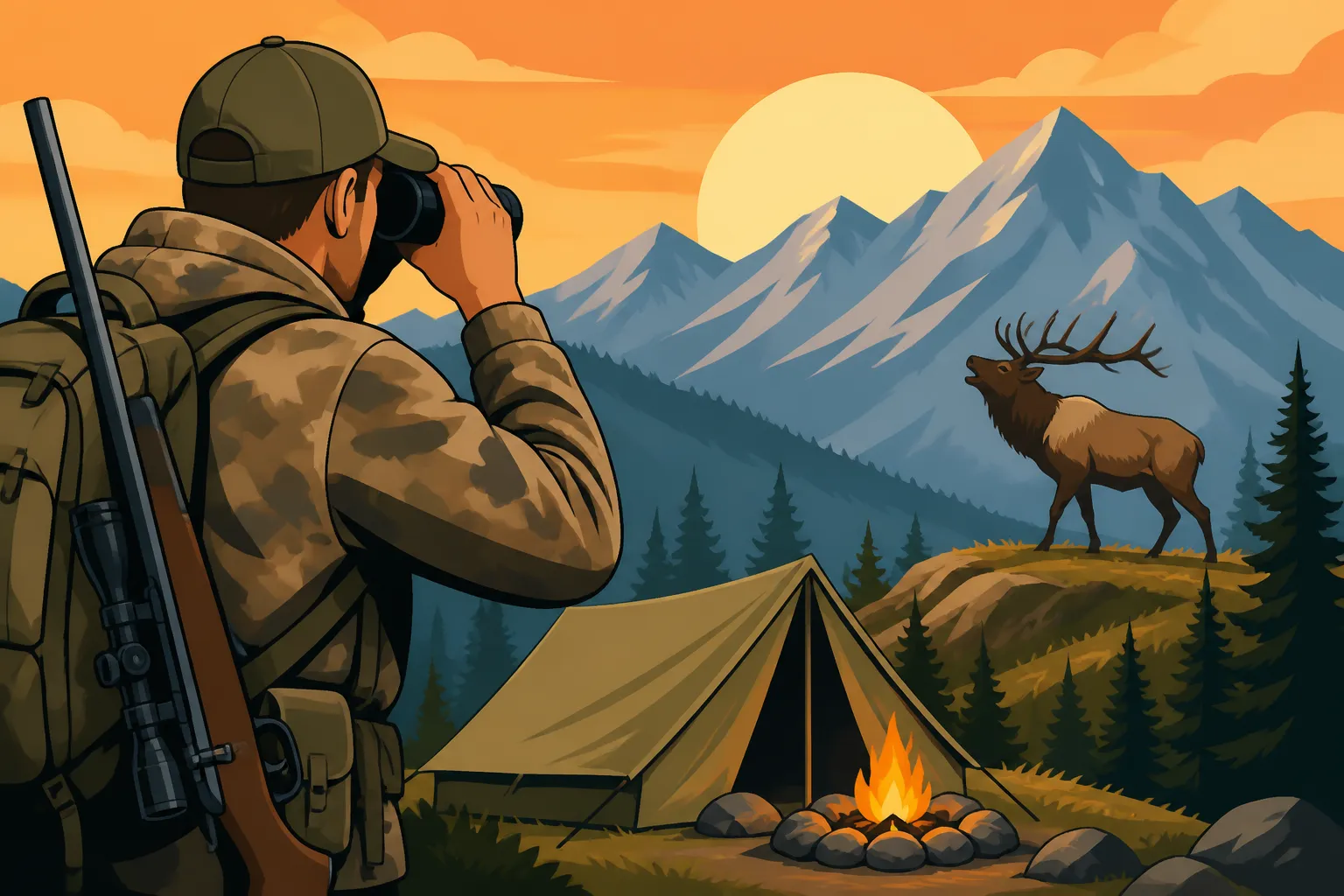
Your gear list for a base camp will be more extensive than a lightweight backcountry trip. Start with a robust shelter: a quality wall tent with a stove jack is a popular choice for its warmth and space, especially if you're hunting during the colder rifle seasons. Alternatively, a large tipi-style tent or a substantial dome tent can work, but a wood stove often makes a huge difference in comfort and drying gear.
Beyond the shelter, prioritize comfortable sleeping systems (cots, thick sleeping pads, and warm sleeping bags appropriate for Montana’s unpredictable weather), a comprehensive cooking setup (propane stove, cast iron, pots, pans, utensils, and a cooler that can truly hold ice for days), and reliable communication devices (satellite messenger or phone, depending on cell service). Power solutions, like a quiet portable generator or a portable solar panel system, are invaluable for charging headlamps, optics, and communication devices. Don’t forget about meat care essentials. If you're fortunate enough to harvest an elk, you'll need heavy-duty game bags, a sturdy hoist or pulley system for hanging quarters, and extra-large coolers or even chest freezers if you plan to drive the meat out immediately. Think about what you'll need for How to Pack Out an Elk in Montana efficiently and preserve the meat.
| Item Category | Base Camp Specifics | Spike Camp Specifics |
|---|---|---|
| Shelter | Wall tent, large dome tent, wood stove | Lightweight backpacking tent, tarp |
| Sleeping System | Cot, thick sleeping pad, zero-degree sleeping bag | Lightweight pad, ultralight sleeping bag |
| Cooking | Large propane stove, full cookware set, large cooler | Small backpacking stove, dehydrated meals, minimal pot |
| Water | Large water jugs, filter system, creek access | Filter bottle, small bladder |
| Power | Generator, solar panel, multiple battery banks | Small power bank, extra batteries |
| Meat Care | Hoist, large game bags, large coolers | Ultralight game bags, minimal hoist, backpack quarters |
| Comfort Items | Camp chairs, folding table, lantern, books | Headlamp only, minimal personal items |
| Food | Fresh produce, canned goods, larger portions | Dehydrated meals, energy bars |
This table highlights the stark difference in what you can bring and utilize when choosing a base camp over a spike camp, emphasizing the added comfort and logistical advantages.
Daily Strategies for Hunting from a Base Camp
Hunting elk effectively from a base camp requires a disciplined approach, integrating the comfort of your camp with the necessity of covering ground and actively pursuing animals. It's about being smart with your daily efforts.
Effective Scouting and Hunt Planning
Even with a comfortable base camp, you still need to put in the work scouting. Each morning should start with intentional glassing from your camp, or from an easily accessible vantage point nearby. Get out before first light and scan the opposite slopes, clearings, and timber edges for elk moving from bedding to feeding areas. Pay close attention to how the thermals are moving early in the morning – elk will often use these air currents to their advantage. Using detailed topographic maps, whether paper or digital like those found on GoHunt, is crucial. Identify potential travel corridors, water sources, and dark timber pockets where elk might bed. Plan your daily forays as "day hunts" from your base camp, targeting specific drainages, ridges, or basins.
Don't be afraid to put miles on your boots. A good base camp allows you to go further and hunt harder during the day because you know you have a solid recovery spot awaiting you. When planning a day hunt, always consider your route to a potential animal and, crucially, your route back to camp if you're successful. Think about elevation gain and loss, natural obstacles, and where you'll be able to get an animal quartered and cooled. It's not just about finding elk; it's about being prepared for what happens after you find them. Understanding Montana Elk Hunting Methods Explained will inform how you plan these day trips from camp, whether it's still-hunting through timber or setting up for a calling sequence.
Adapting to Montana's Challenges
Montana's weather is famously unpredictable. One day can be warm and sunny, the next can bring a foot of snow and plummeting temperatures. A well-stocked base camp allows you to adapt. You'll have extra layers of clothing, a dry place to retreat during a rain or snowstorm, and a warm stove to fend off the cold. This resilience means you can hunt more consistently, rather than being sidelined by inclement weather.
Scent management is another critical factor. While in camp, be mindful of odors from cooking and human activity. Keep camp clean and organized to minimize attracting wildlife, especially bears. When heading out, ensure your hunting clothes are as scent-free as possible. Perhaps the biggest challenge, and often the most rewarding, is dealing with a harvested elk. If you get an animal far from camp, you'll need a solid plan for How to Quarter an Elk in the Montana Backcountry and packing it out. Having a partner is incredibly beneficial for this; not only for safety in rugged terrain but also for sharing the load. Whether it's a multi-trip pack-out or one heroic effort, having a comfortable camp waiting makes the physical toll much more manageable. Especially during early archery season, knowing How to Keep Elk Meat Cool in Montana's Early Season is paramount, and a base camp often offers better cooling solutions with large coolers or shade structures than a basic spike camp.
Maximizing Your Base Camp Experience for Success
A base camp isn't just a place to sleep; it's a strategic hub that, when managed correctly, can significantly enhance your hunting success and overall enjoyment.
Balancing Comfort and Hunting Effort
The biggest trap of a base camp can be getting too comfortable. It's easy to enjoy the warmth and amenities and lose some of the drive to get out there and grind. The key is to find a balance. Set a strict routine for yourself and your hunting partners. This usually means being up well before dawn, having a quick breakfast, and being out the door at first light. Midday breaks can be used for lunch, rehydrating, and maybe some focused glassing from a high point, rather than returning to camp unless absolutely necessary.
Your evenings should be dedicated to planning the next day's hunt, reviewing maps, discussing observations, and preparing gear. This structured approach ensures that the comforts of camp serve to rejuvenate you for the next day's effort, rather than becoming a distraction. Think of your base camp as a pit stop in a long race: you refuel and tune up, but you don't stay there indefinitely. Good nutrition is also critical; a base camp allows for wholesome, calorie-rich meals that fuel sustained effort. Staying hydrated throughout the day, even in cold weather, is often overlooked but crucial for maintaining performance in the mountains.
Responsible Practices and Camp Etiquette
Operating a base camp on public land in Montana means adhering to strict Leave No Trace principles. Pack out everything you pack in, including all trash, food scraps, and even human waste where required (especially in wilderness areas). Minimize your impact on vegetation and water sources. If you're using a fire, ensure it's completely out before leaving it, and be aware of fire restrictions in effect, particularly during dry seasons.
Bear safety is non-negotiable in Montana. Store all food and scented items in bear-resistant containers, hung from a tree, or in a vehicle. Cook away from your sleeping areas if possible. Carry bear spray and know how to use it. Additionally, be respectful of other hunters and outdoor enthusiasts. Montana's public lands are for everyone, and a good base camp setup minimizes its footprint and impact on others' experiences. This includes being mindful of noise, especially early in the morning or late at night. Knowing Montana Public Land Hunting Strategy isn't just about finding elk; it's about being a good steward of the land and a respectful participant in the hunting community. Preparing for your hunt also includes understanding what you need for Montana Backcountry Hunting Safety Tips even if your camp isn't miles from the nearest road.
Hunting elk from a base camp in Montana truly offers the best of both worlds: the thrill and challenge of big game hunting in stunning, rugged landscapes, combined with the comforts and strategic advantages of a well-provisioned temporary home. With careful planning, the right gear, and a commitment to daily effort, it’s an incredibly rewarding way to experience the majesty of Montana elk country.
Disclaimer
Please remember that hunting regulations, seasons, and access can change. Always consult the most current Montana Fish, Wildlife & Parks regulations and local land management agency rules before planning any hunting trip. Safety should always be your top priority.