How to Field Judge a Montana Pronghorn
There's a unique thrill that comes with spotting a herd of pronghorn on the vast Montana plains, their distinctive white patches flashing against the amber grasses. But then comes the moment of truth: Is that buck in the distance a shooter? Deciding quickly and accurately whether a pronghorn is a mature, trophy-worthy animal can be incredibly challenging, especially with their unique horn structure and the often vast distances involved. This guide will walk you through the nuances of field judging a Montana pronghorn, helping you develop the discerning eye needed to make informed decisions in the field and avoid "ground shrinkage."
Understanding Pronghorn Horn Anatomy
Unlike deer or elk antlers that are bony outgrowths and shed annually, a pronghorn's "horns" are fascinating. They're actually made of a bony core that's a permanent part of the skull, covered by a keratinous sheath that is shed each year. This unique structure influences how they grow and how we, as hunters, learn to judge them.
Key Terminology for Pronghorn Horns
When you're peering through your binoculars at a distant buck, using precise terminology will help you break down what you're seeing and communicate with hunting partners. Understanding these terms is the first step to accurately field judging a Montana pronghorn.
The overall length of a pronghorn's horn is measured along the front curve from the base where it meets the skull, all the way to the tip. A truly impressive pronghorn will often have horns pushing or exceeding 14 inches, with exceptional animals reaching 16-18 inches or more. This length contributes significantly to the animal's score and its visual appeal. It’s not just about the absolute length, but how that length relates to the buck’s head size and body mass. A long, slender horn might not score as well as a slightly shorter horn with incredible mass, but visually, it can still look very impressive. When assessing length, try to visualize how far past the ears the horns extend, as this is a common quick reference point.
Perhaps the most iconic feature of a pronghorn's horn is its prong. This forward-projecting growth usually starts around two-thirds of the way up the horn. The length and shape of this prong are crucial. A quality prong will be distinct, pointing forward, and offer substantial length, sometimes 4-6 inches or more on a mature buck. The placement of the prong is also important; ideally, it should be well-defined and not too high or too low on the main beam. A weak, nubby, or barely perceptible prong can significantly detract from the animal's score and visual appeal, even if the main beams are long.
Mass refers to the circumference of the horn, particularly at the base and below the prong. This is often an overlooked but incredibly important scoring component. Imagine holding a heavy, thick horn versus a thin, reedy one – the difference in mass is palpable. A trophy pronghorn will have thick, robust horns with significant mass that carries well up the horn. Look for horns that appear "heavy" or "palm-like" at the base, and don't taper too quickly. Bucks with exceptional mass might appear to have horns that nearly touch at the base, giving them a very solid and imposing look. This mass is usually indicative of a mature buck that has reached his full potential.
Finally, the tip of the horn plays a role. Often, a mature buck will have a pronounced "cutter" or "hook" at the tip, where the horn curves inward and back, sometimes hooking sharply. This distinct curl adds character and length to the horn. Younger bucks often have straighter, more pointed tips without this definitive curl. The degree of tip curl can vary, but a strong, dark, well-defined tip that hooks back is a good indicator of maturity and a potential trophy. The tips are also where the horn sheds its outer sheath, and sometimes the new growth underneath can offer clues to its overall potential.
Growth Patterns and Yearly Changes
Understanding how pronghorn horns grow and change throughout their life cycle is fundamental to effective field judging. Pronghorn bucks typically begin growing their keratinous horn sheaths in late spring or early summer, following the shedding of the previous year's sheaths, which usually happens in October or November after the rut. This means that by the time Montana's archery season begins in early September, most bucks will have fully developed their horn growth for the year, and their horns will appear hard and dark. However, there can be some minor variations, especially in younger animals.
Younger bucks, often referred to as "forkies" or "spikes," will have much shorter, straighter horns with little to no mass, and frequently, their prongs will be absent or barely noticeable, resembling a small bump. A 1.5-year-old buck might have horns just a few inches long, perhaps extending barely past their ears, without any significant curve or mass. As they mature into 2.5 and 3.5-year-olds, their horns will gain length, and the prong will become more distinct, but they usually still lack the impressive mass and tip curl seen in older, more dominant bucks. Their horns might look "pencil-thin" compared to a truly mature animal.
A pronghorn typically reaches its horn growth prime between 4.5 and 7.5 years old. During these years, a buck will display significant horn length, usually exceeding 13-14 inches, with robust mass that carries well up the horn, prominent prongs, and often the characteristic dark, curving tips. These are the bucks that frequently make the record books. Beyond 7.5 years, horn quality can sometimes decline, or the animal may simply maintain its peak growth without further significant increases in size. Genetics, nutrition, and environmental factors like drought also play a substantial role, causing horn development to vary even among bucks of the same age in different regions or years. This annual cycle is why studying Montana Antelope Season Dates is so crucial, as hunting earlier or later in the season can sometimes affect horn appearance, though less so than with antlered species.
Visual Cues for Judging a Trophy Pronghorn
When you're trying to pick out a trophy buck from a herd, especially when they're on the move across the open country typical of Montana Antelope Hunting Guide, you need a system. It's about quickly assessing several key characteristics and putting them together. Don't just focus on one thing; a true trophy is a combination of factors.
Horn Height and Overall Length
One of the most immediate indicators of a quality buck is the sheer height of its horns. When a pronghorn stands alert, its ears are usually a good reference point. On a mature, impressive buck, the horns should extend significantly past the tips of the ears. A good rule of thumb many hunters use is to look for horns that extend at least 4-6 inches beyond the ear tips when viewed from the side. This is often a quick, initial assessment to weed out the smaller bucks.
However, length isn't just about how high they go; it's also about the curve and the overall flow of the horn. Record book scoring measures the length along the outside curve, from the base to the tip. An average mature buck might be in the 12-14 inch range, with exceptional animals pushing 15-16 inches or more. When you're glassing, try to mentally trace that curve. Does it have a graceful, sweeping arc, or does it shoot up straight like a spike? A longer, more pronounced curve often signifies a more mature animal and greater total length. Compare the horns to the length of the buck’s head or even his muzzle. A truly long-horned buck will have horns that look disproportionately long compared to the rest of his head.
The Critical Role of Prongs
The prong is what makes a pronghorn, well, a pronghorn! This forward-facing point is absolutely essential for a high-scoring buck. When you're field judging, don't just look for a prong, look for a good prong. A good prong should be long, distinct, and project boldly forward, sometimes almost parallel to the ground, before subtly curving up.
Visualize the length of the prong against the length of the main beam. On a trophy buck, the prong should look substantial, often at least a third to half the length of the horn above it. Weak prongs are common in younger bucks; they might just be a small, rounded bump or a very short, insignificant point. A strong prong will often be 4 inches or more, and ideally, it will start relatively low on the main beam, giving the horn a balanced appearance. The prong's thickness also matters – a thick, well-defined prong adds to the overall mass score and visual impressiveness. When in doubt, always favor a buck with clearly defined, long, and well-placed prongs.
Mass and Antelope Horn Volume
Mass is the unsung hero of trophy pronghorn scores. It accounts for a significant portion of the total score, yet it's often the hardest to judge from a distance, especially in varying light conditions. Mass refers to the circumference of the horn, and it's measured at four distinct points for official scoring: at the base, at quarter points along the horn, and above the prong.
In the field, you're looking for thickness, not just length. Imagine the horns as robust, solid structures, not thin wires. A good way to assess mass is to compare the horn's thickness to the width of the buck's eye or the base of his ear. A trophy buck will have horns that look thick and heavy, particularly at the base where they meet the skull. They should carry that thickness well up the horn before tapering, rather than looking like pencil points right from the start. Look for a horn base that appears almost "palm-like" or significantly wider than the buck’s eye. The thickness should be apparent right up to and including the prong itself. A buck with truly exceptional mass will often have horns that look "heavy" and dark, contributing to a powerful, imposing silhouette.
Tip Curl and Shape
The tip of a pronghorn's horn can tell you a lot about its age and potential. On a truly mature buck, the tips will often have a distinctive, dark, and often sharp curl or hook that turns inward and sometimes slightly backward. This "cutter" or "hook" is a hallmark of older, prime animals. Younger bucks, by contrast, tend to have straighter, more pointed, or even slightly blunted tips that lack this defined curvature.
Pay attention to the color as well. Mature buck tips often appear darker, almost black, due to their hardness and density. This dark tip, combined with a strong inward curl, adds character and also contributes to the overall length measurement. While not as critical as length, mass, or prong quality, a distinctive tip curl can be the cherry on top, pushing a borderline buck into true trophy territory. It often signifies that the horn has reached its full development and hasn't been broken or worn down by fighting.
Practical Field Judging Techniques and Common Mistakes
Field judging takes practice, and even then, conditions can make it tricky. But with a few solid techniques and an awareness of common pitfalls, you can significantly improve your accuracy.
Using Body Cues and Proportions
While horn characteristics are primary, a pronghorn's body can offer valuable supporting clues about its age and maturity. A truly mature buck will typically have a more robust, heavier body than younger animals. Look for a thick neck that blends smoothly into the shoulders, rather than a thin, deer-like neck. Their chest will appear deep and broad, and they'll carry more overall muscle mass. Younger bucks often look lanky, with thinner necks and more slender bodies, resembling a doe more closely than a mature buck.
Another key body cue is the brisket, the chest area between the front legs. On a mature buck, the brisket will often hang lower and appear heavier, almost like a cow's. This is a sign of age and body development. Their face might also appear more blocky or squared-off, with a thicker muzzle. When viewing them from the front, a mature buck’s shoulders will typically look broader and more developed than their hindquarters. All these physical traits, combined with horn growth, paint a more complete picture of the animal's age and trophy potential. It's often easier to spot these subtle body differences when a group of pronghorn are standing together, allowing for direct comparison.
Glassing Strategies for Accurate Assessment
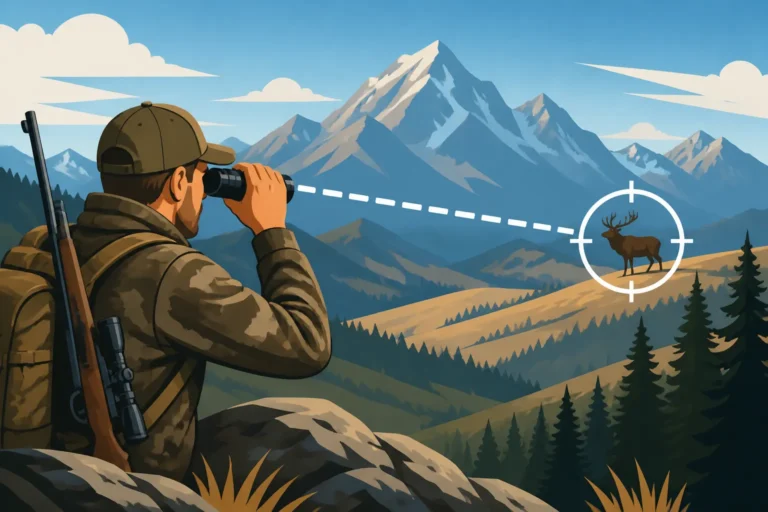
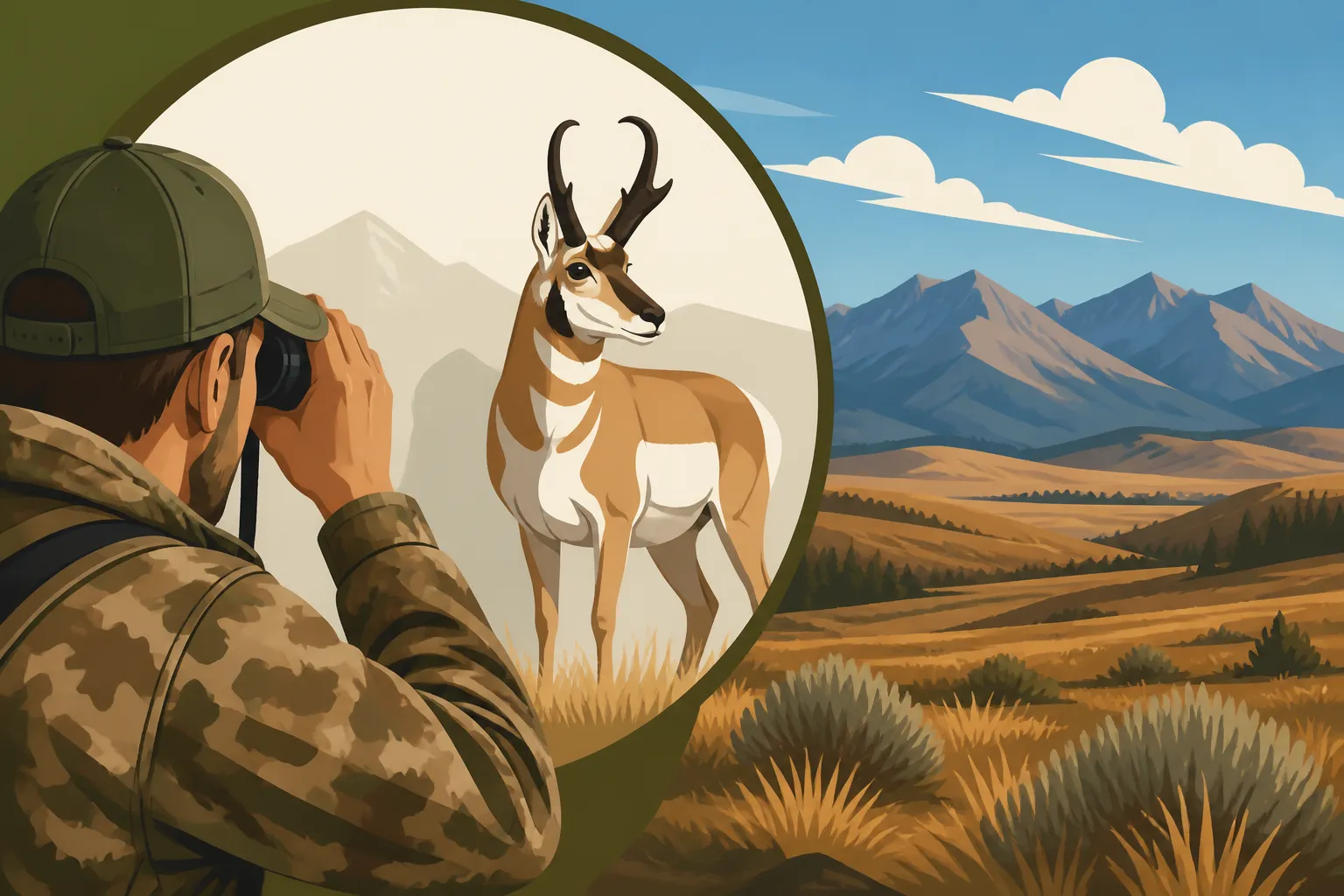
High-quality optics are your best friend when field judging pronghorn, especially in the vast, open spaces of Montana. You need powerful binoculars (10x to 12x are ideal) and, critically, a good spotting scope (20-60x or higher) on a sturdy tripod. Don't skimp on glass; it's how you'll make accurate judgments at distances. When using your optics, resist the urge to just glance. Instead, settle in and meticulously evaluate the buck.
Start by observing the overall shape and how the horns relate to the ears and head size. Then, zoom in and systematically work your way through the criteria: length, prong, mass, and tip. Take your time. Look at the buck from different angles if possible, as lighting and perspective can dramatically alter how horns appear. For instance, a buck walking directly away might make his horns look shorter, while a side profile offers the best view for length and prong assessment. A frontal view can help you judge mass and how wide the horns spread. Always try to see the buck standing still, if possible, for the most accurate assessment. Using a mapping platform like GoHunt can help you identify prime areas for How to Hunt Antelope on Montana's Plains where good glassing opportunities abound.
Overcoming Distance and Environmental Challenges
Field judging at long distances or in adverse conditions is where most mistakes happen. Heat shimmer can distort images, making horns appear wavy or fatter than they are. Low light can make horns look darker and thicker, exaggerating mass. Snow cover can wash out details and make it hard to distinguish horn color and texture. Always be skeptical of a "monster" buck you see briefly in challenging conditions.
To combat these challenges, move to a better vantage point if possible. Wait for the light to improve. Use a rangefinder to know the exact distance; sometimes a buck that looks huge at 300 yards is actually quite small, and a buck that seems average at 600 yards might be a giant. When judging, it's often helpful to compare the buck you're looking at to other, known animals in the herd. Is he significantly taller, thicker, or wider than the other mature bucks? This relative comparison can be more reliable than an absolute judgment in difficult conditions. Remember, it's better to pass on a questionable buck and hunt another day than to shoot a young animal you later regret.
Leveraging Digital Tools and Resources for Pre-Scouting and Learning
The hunt for a trophy pronghorn often begins long before you set foot in the field. Modern technology offers incredible advantages for preparing and sharpening your judging skills.
Utilizing Online Mapping Software for E-Scouting
Online mapping software, such as the GoHunt app or others like onX Hunt, has revolutionized how hunters approach scouting. For pronghorn, these tools are indispensable. Before you even leave home, you can pore over satellite imagery to identify key terrain features where antelope are likely to congregate: vast sagebrush flats, rolling hills with good visibility, water sources, and areas bordering agricultural fields. You can mark potential glassing knobs, travel corridors, and even identify Montana Public Land Hunting Guide access points or Montana Block Management Areas Explained where you might find less pressure.
By studying historical aerial photos, you might even identify subtle changes in vegetation or water availability that influence pronghorn movement. Many hunters use these tools to virtually "scout" an area, understanding the lay of the land, identifying escape routes, and planning their approach well in advance. This pre-season work allows you to optimize your in-field time, focusing on areas with the highest potential and minimizing wasted effort. It also helps in understanding the scale of the landscape, which is crucial when you later try to estimate distances to animals. For more detailed e-scouting, check out our guide on How to E-Scout Montana Hunting Units.
Studying Reference Photos and Videos
One of the best ways to improve your field judging skills without being in the field is to study a wide array of reference photos and videos. Spend time looking at professionally scored pronghorn, both trophy-class and average animals. Pay close attention to how their horns look from different angles and distances. Compare the length, prong definition, and mass of these known animals. Websites like Boone and Crockett Club's record book are fantastic resources for seeing what true trophies look like.
Many hunters also share their success photos and videos online. While not always record-book animals, these can help you build a mental library of what "good" and "average" look like. Try to guess the score or assess the key features of an animal in a photo before looking up its details. This active practice helps train your eye. Additionally, watching hunting films, especially those with real-time field judging scenarios, can provide valuable insights. The more you immerse yourself in visual examples, the better equipped you'll be to make quick, accurate judgments when that buck of a lifetime steps out in front of you. Consider looking into Montana Pronghorn Behavior and Biology to understand how these animals move and react, which can help in getting better angles for judging.
A Systematic Approach to Field Judging Pronghorn
When that moment arrives and you’ve got a buck in your glass, it can be easy to get overwhelmed. Having a systematic approach can help ensure you don't miss any critical details. This isn't just about spotting a big animal; it's about making a confident, informed decision.
The "Four Pillars" of Pronghorn Judgment
I like to break down pronghorn judgment into what I call the "Four Pillars." This is a quick mental checklist to run through every time you look at a buck, even if it's just for a few seconds.
First, Height Beyond Ears. Is the horn height significantly past the ear tips? This is your initial filter. If the horns barely clear the ears, it's likely a younger buck and you can probably move on, unless you're specifically targeting a meat buck or just getting started with How to Hunt Antelope in Montana. Second, Prong Prominence. Does the buck have a clear, distinct prong that projects forward, or is it merely a bump? A strong, long prong is non-negotiable for a trophy. Third, Mass and Base Thickness. Do the horns look "heavy" and thick, particularly at the base and carrying well up? Are they significantly wider than the buck's eye? This is often the hardest to judge but the most rewarding for score. Fourth, Tip Curl and Color. Do the tips show a distinct, dark, inward curl? This indicates maturity and can add significant character.
By running through these four pillars quickly, you can form a comprehensive picture of the buck's potential. If a buck checks all four boxes, it's definitely worth a closer look and more time spent glassing. If it misses one or two, you might consider passing, depending on your goals. This systematic approach ensures you're not just fixating on one impressive aspect while overlooking deficiencies in others.
Comparative Judging and Environmental Context
Sometimes, the best way to judge a single buck is to compare it to others in the herd. If you see multiple mature bucks, which one truly stands out? Is there one that has noticeably more length, a stronger prong, or carries more mass than his peers? Often, a truly exceptional animal will be easily identifiable as the dominant buck in a group, not just by his horns but by his overall presence and body size.
Also, consider the environmental context. Is this an area known for producing large pronghorn, or is it more marginal habitat? Some regions of Montana consistently produce larger bucks due to genetics and nutrition. Knowing the general quality of bucks in a particular hunting district can help set realistic expectations. If you’re in an area with lower trophy potential, a 13-inch buck might be a fantastic trophy, whereas in a prime district, you might hold out for 15+ inches. Utilizing resources like Montana Antelope Draw Odds Explained or regional hunting reports can help inform your expectations before the season even begins.
The Mental Scorecard and Decision Making
As you gain experience, you'll start to develop a mental scorecard for pronghorn. You'll quickly estimate length, gauge prong size, and assess mass. However, don't get analysis paralysis. Sometimes, you only have a brief window to make a decision. The key is to be confident in your assessment. If you've run through your mental checklist and the buck meets your personal trophy criteria, then be prepared to make your move.
Remember, a "trophy" is ultimately in the eye of the beholder. For some, it's all about official score. For others, it's about the challenge of the hunt or the unique character of the animal. If you're hunting for a record book animal, be stringent. If you're hunting for meat or simply a mature representative of the species, your criteria might be different. The most important thing is to understand what you are looking for and to confidently apply your field judging skills to make an ethical and satisfying decision in the heat of the moment. Remember that Montana Antelope Season Dates and Tags varies by district, so always consult current regulations.
Common Field Judging Mistakes and How to Avoid Them
Even seasoned hunters can make mistakes when field judging pronghorn. These animals are masters of optical illusions, and environmental factors often conspire against you. Being aware of these common pitfalls is half the battle.
The "Distance Magnifier" Effect
This is arguably the most common mistake. When you spot a pronghorn at an extreme distance—say, 800-1000 yards—the sheer size of the landscape can make the animal appear much larger than it actually is. Your brain struggles to accurately gauge size without closer reference points. A buck that looks absolutely massive through your spotting scope at 900 yards might shrink considerably once you get within 300 yards.
To combat this, always use a rangefinder. Don't rely on estimations. If a buck looks like a monster at an extreme range, try to close the distance before making a final judgment. As you get closer, other bucks in the herd will come into clearer focus, providing better comparisons. Also, train yourself to compare the horns to known body parts like the ears, head, or even the distance from the brisket to the top of the back. These internal comparisons remain relatively consistent regardless of distance. When planning approaches, consider how you might utilize terrain to get closer, as discussed in Montana Antelope Hunting: Spot-and-Stalk Tactics.
Lighting and Environmental Distortions
The quality of light can drastically alter how a pronghorn's horns appear. Early morning or late evening light, often referred to as "golden hour," can make horns look thicker, darker, and more imposing due to long shadows and subdued contrasts. Midday sun, on the other hand, can wash out details and make horns appear lighter and thinner.
Atmospheric conditions also play a huge role. Heat shimmer or "mirage" on warm days can make horns appear wavy, distorted, or artificially fatter. Rain or fog can obscure details entirely. To avoid these distortions, try to view the buck in different light conditions if time allows. If not, be conservative in your judgment during challenging light. If the buck looks "huge" but you're battling mirage, err on the side of caution. Wait for clearer viewing, or at least acknowledge that the conditions are likely inflating the perceived size. A good pair of optics, like those discussed in Best Optics for Montana Big Game, can mitigate some of these effects.
Focusing Solely on Length
Many hunters, especially those new to pronghorn, fixate purely on horn length. While length is important, it's only one component of a trophy animal. A buck with long, slender horns might look impressive from a distance but could score poorly due to a lack of mass and a weak prong. Conversely, a buck with slightly shorter but incredibly thick horns and prominent prongs can be a higher-scoring animal.
The official Boone and Crockett scoring system gives significant weight to mass measurements, making up four out of the eight circumference measurements on each horn. This means a buck with exceptional mass can easily outscore a longer-horned but thinner buck. When you're field judging, make sure to give equal consideration to all the "Four Pillars" – length, prong, mass, and tip. Don't let one outstanding feature blind you to deficiencies in others. A truly balanced horn with good length, mass, and a strong prong is almost always a better indicator of a trophy than just raw length. Platforms like GoHunt often include scoring calculators or allow you to input dimensions from photos to help you practice this balanced assessment.
Table: Key Pronghorn Field Judging Criteria
| Criteria | What to Look For (Trophy Class) | What to Avoid (Younger/Smaller) |
|---|---|---|
| Horn Length | Significantly past ear tips (4-6+ inches). Long, sweeping curve. | Barely clearing ears. Short, straight, or minimal curve. |
| Prong Length | Distinct, bold, 4+ inches. Projects well forward. | Small, rounded bump. Short, stubby, or ill-defined. |
| Horn Mass | Thick, heavy base. Carries thickness well up horn. Wider than eye. | Thin, pencil-like horns. Tapers quickly from the base. |
| Tip Curl/Shape | Distinct, dark, inward "cutter" or hook. | Straight, pointed, or slightly blunt tips. Lacks pronounced curl. |
| Body Size | Robust, heavy body. Thick neck. Deep chest, heavy brisket. | Lanky, thin body. Slender neck. Shallow chest, light brisket. |
| Color/Texture | Dark, well-defined horn sheath, especially at tips. | Lighter, sometimes duller horn. Less defined features. |
Disclaimer
Hunting is an inherently risky activity. The information provided in this guide is for informational purposes only and is not a substitute for proper hunter education, safety training, or compliance with all local, state, and federal hunting regulations. Always consult the official Montana Fish, Wildlife & Parks regulations before planning any hunt. Conditions in the field can change rapidly, and personal safety should always be your top priority.