Montana Black Bear Color Phases
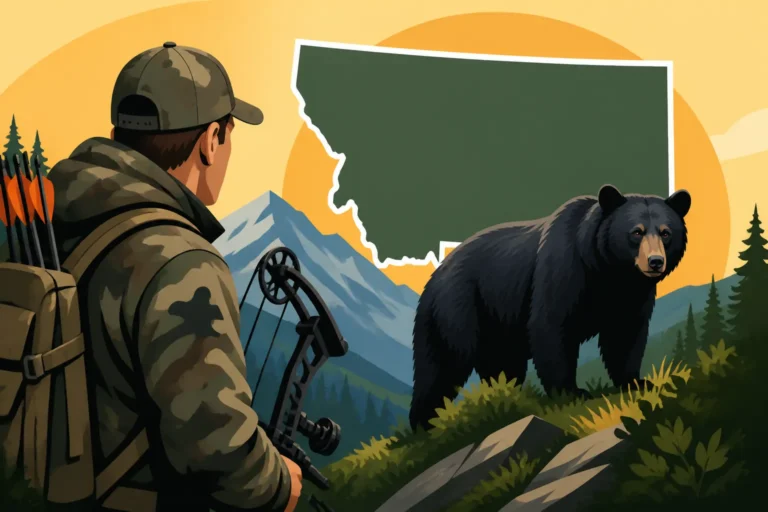
Heading into the vast forests and rugged mountains of Montana, many hunters are surprised to learn that "black bear" isn't just a description of color. In fact, these incredible animals come in a spectrum of hues, making identification a real challenge and, frankly, a source of major anxiety for folks trying to make the right call in the field. This guide will take a deep dive into the fascinating world of Montana black bear color phases, equipping you with the knowledge to confidently identify your quarry and, crucially, avoid any dangerous and illegal misidentification with other bear species.
The Wonderful World of Montana Black Bear Color Phases
When you picture a black bear, you likely envision a glossy, jet-black creature ambling through the timber. While that's certainly a common sight, the reality in Montana is far more diverse. Black bears (Ursus americanus) are a single species, but their fur color can vary wildly due to genetics, adaptation, and even diet. This spectrum of colors is a truly unique aspect of hunting these animals in Big Sky Country, but it's also where the confusion often begins for new and experienced hunters alike.
Why Color Matters for Hunters
Understanding black bear color phases isn't just an academic exercise; it's a critical skill for responsible hunting. The most significant reason is safety and legality. Mistaking a cinnamon-phase black bear for a grizzly bear, for instance, can have severe legal consequences, not to mention the ethical ramifications of harvesting the wrong animal. Montana is home to healthy populations of both black bears and grizzly bears, and their habitats often overlap, especially in western Montana. This overlap demands that every hunter be proficient in identifying both species, regardless of their fur color.
Beyond legal and ethical considerations, knowing the typical color variations can also help you understand local populations. Certain regions might have a higher prevalence of specific color phases, which can be an interesting observation for those of us who spend a lot of time in the woods. When you’re out on a Montana Black Bear Hunting Guide adventure, every detail helps paint a fuller picture of the wilderness around you.
The Genetic Basics of Bear Color
The wide array of colors seen in black bears is primarily due to genetic variations, specifically in the genes that control pigment production. Just like human hair color, bear fur color is inherited. A single gene or a combination of genes can determine if a bear will be black, brown, cinnamon, or even blonde.
These genetic traits can become more prevalent in certain geographic areas. For example, some western populations of black bears exhibit a higher percentage of brown and cinnamon phases compared to their eastern counterparts, where black is overwhelmingly dominant. This isn't just a random occurrence; it's often linked to evolutionary advantages. Lighter colors might offer better camouflage in certain environments, such as dry, open grasslands or rocky terrain, while darker colors could be advantageous in dense, dark timber. However, it's also simply a matter of the gene pool in an isolated population. These fascinating genetic quirks make every bear encounter unique and underscore why relying solely on color for identification is a gamble no responsible hunter should take.
Common Color Phases You'll Encounter
Let's dive into the common color phases you're most likely to see when you're hunting in Montana. Remember, these are general descriptions, and there's always a bit of variation within each category.
Classic Black Bears
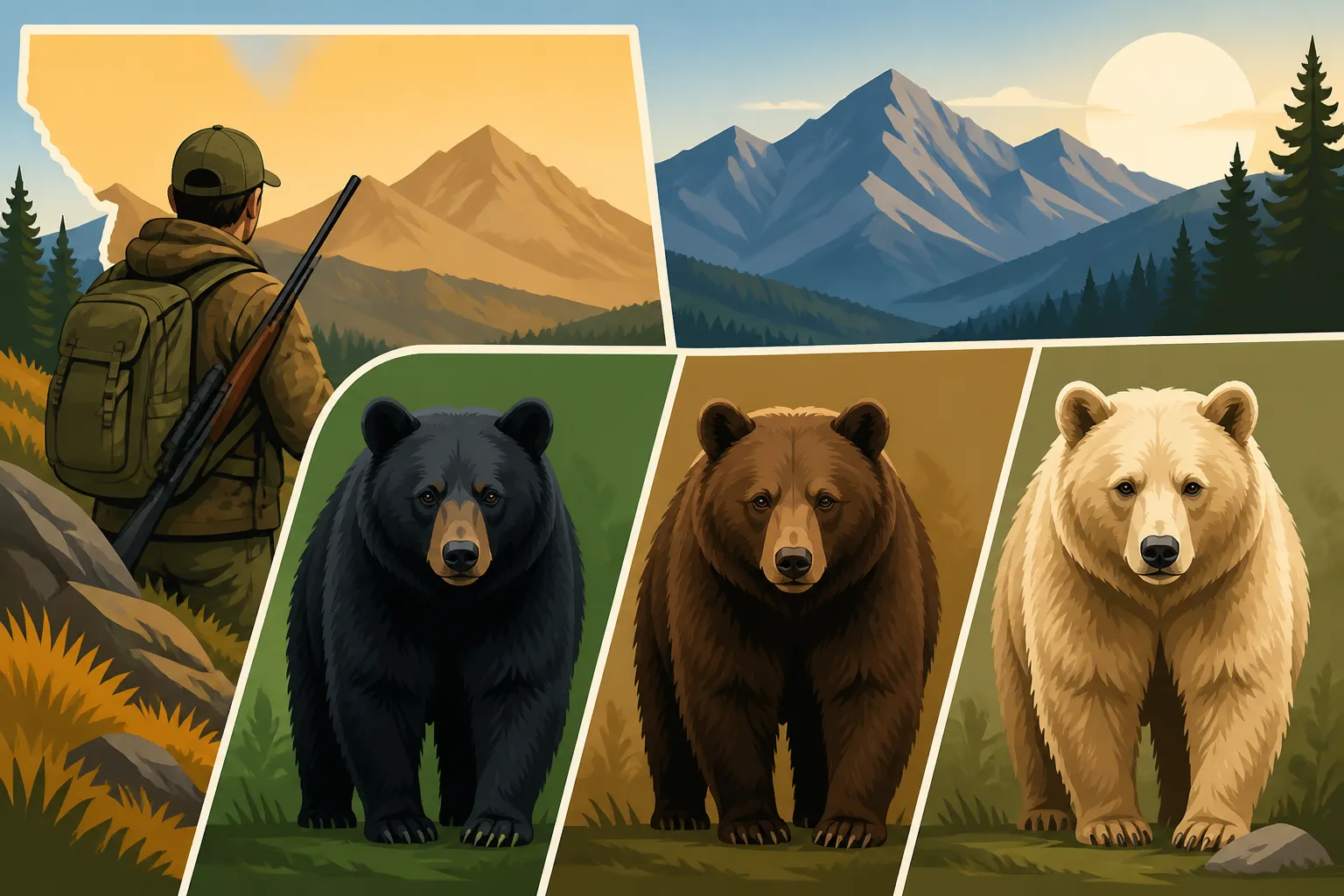
The classic black bear is exactly what it sounds like: deep, dark, and often glossy. Their fur can range from a true charcoal black to a slightly faded, almost dark gray-black, especially if they're older or have spent a lot of time in the sun. This is the most common color phase across North America, and while they are abundant throughout Montana, they are particularly dominant in the dense, dark timbered areas of western Montana.
When you spot a black phase bear, its coat will often appear uniform, without significant banding or lighter tips, although some may have a distinct white chest patch (blaze), which is a common but not universal trait of black bears. This patch can range from a small splotch to a larger, more prominent marking, and it can be a useful, though not foolproof, identifier when trying to differentiate them from other species that rarely exhibit such a feature.
Cinnamon Phase Bears
Ah, the cinnamon phase. This is where things start to get interesting and often lead to initial confusion for hunters. Cinnamon bears are incredibly common in Montana and throughout the western United States. Their fur is a distinct reddish-brown, much like the spice itself. The intensity can vary from a light, reddish-blonde to a richer, deeper red-brown.
Many hunters new to the region are taken aback by how frequently they encounter these beautifully colored animals. It's a color that screams "western bear" and often thrives in areas with more open country or mixed forests. Identifying a cinnamon bear usually isn't about identifying it as a cinnamon bear, but rather confirming it's not a grizzly. The cinnamon color is probably the most commonly confused with a grizzly, particularly from a distance or in challenging light conditions. Always remember to look beyond color when making your final identification, especially on a Montana Spring Bear Season and Tags hunt where bears are just emerging.
Chocolate and Brown Bears
Moving along the spectrum, we find chocolate and various shades of brown. These bears are typically a darker brown than the cinnamon phase, sometimes a deep, rich, almost espresso-like color. The brown can have undertones of red or even a slight grayish tint, creating a nuanced appearance. They're often found in the same areas as cinnamon bears, indicating the shared genetic lineage that allows for these diverse expressions of coat color.
These brown-phase black bears can appear quite robust, and their dark coloring, especially in low light, can sometimes be challenging to distinguish from a true black. Again, the key here is to rely on definitive physical characteristics rather than just the shade of brown you perceive. A good pair of optics, like those discussed in Best Optics for Montana Big Game, is absolutely invaluable for observing these subtle differences from a safe distance before making any decisions.
Blonde and Yellowish Bears
While rarer, blonde or yellowish black bears do exist in Montana. These bears have very light, sometimes almost white, fur. This phase is less commonly encountered than black, cinnamon, or chocolate, making them a unique and sometimes startling sight. Their light coats can be especially prone to fading or staining from dirt and oils, which can make their exact hue appear even more varied.
A blonde bear, particularly in open country, might be easily mistaken for a different species if you're not careful. This color phase perfectly illustrates why color is the least reliable characteristic for bear identification. If you ever encounter such a light-colored bear, your identification skills will be put to the ultimate test. It's a truly memorable experience to see one, but it demands the highest level of scrutiny.
Distinguishing Black Bears from Grizzlies by Color and Other Cues
This is arguably the most crucial section for any hunter in Montana. The consequences of misidentifying a black bear for a grizzly bear are severe, ranging from hefty fines and license revocation to potential jail time. More importantly, it's an ethical failure and a blow to conservation efforts. Remember, while color can be a hint, it should never be your primary identification factor. Grizzlies come in various shades of brown, blonde, and even sometimes nearly black!
Key Differences in Physical Characteristics
Instead of color, focus on a combination of distinct physical features. Think of these as your definitive checklist when you're glassing a bear in the field.
- Shoulder Hump: This is perhaps the most reliable visual cue. Grizzlies possess a prominent muscular hump between their shoulders, which is especially noticeable when they're walking or standing with their head down. Black bears, on the other hand, have a smooth, straight backline. Their shoulders might appear strong, but they lack that distinct hump.
- Facial Profile: Look at the bear's face. Grizzlies typically have a "dished" or concave facial profile, with a dip between their eyes and the tip of their nose. Black bears usually have a straighter, more convex, or "roman-nosed" profile from their forehead to their nose.
- Ear Size and Shape: Black bears generally have larger, more prominent, and more pointed ears in proportion to their head size. Grizzly ears tend to appear smaller, more rounded, and less prominent, often looking almost like small nubs against their larger heads.
- Claws: While difficult to see from a distance, if you ever get a clear view of tracks or the bear's front paws, grizzly claws are long, light-colored, and relatively straight, built for digging. Black bear claws are shorter, darker, and more sharply curved, adapted for climbing trees.
- Size: While adult grizzlies are generally larger than adult black bears, size can be deceiving. A large black bear can be bigger than a young grizzly. Never rely on size alone, especially with lone bears.
- Rump vs. Shoulder Height: A grizzly's rump is typically lower than or even with its shoulder hump. A black bear's rump is usually higher than its shoulder. This can be tricky with a bear on uneven ground, so use it as a supporting observation, not a primary one.
Here’s a quick comparison table to help visualize these differences:
| Feature | Black Bear | Grizzly Bear |
|---|---|---|
| Shoulder | No discernible hump; smooth backline | Distinct, muscular hump present |
| Facial Profile | Straighter, often "roman-nosed" | "Dished" or concave profile |
| Ears | Larger, more pointed, prominent | Smaller, more rounded, less prominent |
| Claws | Shorter, darker, sharply curved (climber) | Longer, lighter, straighter (digger) |
| Rump Height | Generally higher than shoulders | Generally lower than or even with shoulders |
| Primary Diet | Omnivore, more vegetation & insects | Omnivore, often more meat/fish, digging roots |
| Typical Habitat | Forests, often climbs trees | More open country, alpine, dense brush |
Geographic Considerations for Identification
While both bear species inhabit Montana, their distribution and densities vary significantly. This geographical understanding, when combined with physical identification, becomes another layer of your decision-making process.
In western Montana, particularly regions near national parks like Glacier and Yellowstone, and wilderness areas such as the Bob Marshall Wilderness Hunting Guide, grizzly populations are robust and widely distributed. Here, the chance of encountering both species is high, making absolute positive identification paramount. Areas like the Custer Gallatin Hunting Guide or the Beaverhead-Deerlodge Hunting Guide forests are prime examples of this shared habitat.
As you move east into the central and eastern plains regions of Montana, grizzly bear populations become much rarer, if present at all. While there have been sporadic sightings further east, black bears are the predominant bear species. This isn't an excuse to be less vigilant, but it does influence the likelihood of what you're seeing. However, always confirm before you act. Don't rely on "it's probably a black bear because I'm out East." Remember, a single mistake is all it takes.
Tools like the Montana Fish, Wildlife & Parks (FWP) bear distribution maps are essential. Many hunters also find platforms like GoHunt's mapping services incredibly useful for scouting and understanding specific game unit characteristics, including areas with known grizzly presence. Before heading out, always consult the most current FWP regulations and bear distribution maps for your specific hunting district. Understanding the Montana Hunting Districts Explained can truly prepare you for what you might encounter.
Ethical Considerations and Hunter Responsibility
Hunting is a privilege, and with that privilege comes immense responsibility. Nowhere is this more apparent than when hunting bears in a state with both black and grizzly populations.
The Importance of Positive Identification
Every hunter has an ethical and legal obligation to make a 100% positive identification of their target animal before pulling the trigger. This means taking your time, using quality optics, and observing the bear's distinct physical characteristics. Don't let buck fever, excitement, or low light conditions rush your decision. If there's any doubt, even a tiny flicker of uncertainty, you absolutely must not shoot. It's better to pass on a potential black bear than to mistakenly take a grizzly.
This commitment to positive identification extends beyond just the color of a bear. It includes assessing its size relative to its surroundings, observing its gait, and confirming its gender if your tag specifies. For example, some tags might allow for an either-sex black bear, while others might be more restrictive. This is part of the broader education provided in a comprehensive Montana Black Bear Hunting Guide.
Avoiding Mistaken Identity in the Field
Avoiding mistakes starts long before you step foot in the woods. Here are some actionable steps:
- Pre-Season Study: Spend time reviewing resources from Montana FWP, including their bear identification guides. Watch videos that highlight the differences between black bears and grizzlies. GoHunt's Insider platform often provides educational content that can supplement your learning.
- Optics are Key: Invest in and consistently use high-quality binoculars and a spotting scope. These allow you to observe a bear at a distance, scrutinizing every detail without spooking it or putting yourself at risk. For a detailed rundown, check out Best Optics for Montana Big Game.
- Practice Patience: Don't rush. Bears are often active for extended periods. Watch the bear move, observe its head shape, its backline, its ears. If it’s feeding, watch how it uses its front paws. Do its claws seem long for digging, or short for grasping?
- Understand Local Regulations: Know the specific hunting regulations for your chosen Montana Hunting Districts Explained. Some areas might have specific restrictions or higher grizzly densities that require extra caution.
- Hunt with a Partner: Two sets of eyes are always better than one. Discuss what you're seeing, compare notes, and confirm together.
- Know Your Bear Habitat: While both species can overlap, understanding typical habitats can give you a clue. Black bears are generally more comfortable in dense timber and will readily climb trees. Grizzlies might be found in timber but often prefer more open alpine meadows, brushy areas, and riparian zones where they can dig for roots and forage. This might be covered when you learn How to Find Black Bear in Montana.
- Consider a Guided Hunt: If you are truly new to bear hunting in Montana and are nervous about identification, consider booking a guided hunt. A reputable Montana outfitter will have extensive experience with bear identification and can provide invaluable real-time instruction and assurance.
By diligently applying these practices, you not only increase your chances of a successful and ethical hunt but also contribute to the vital conservation efforts that ensure healthy bear populations for generations to come. The goal is to fill your freezer, not regret a mistake.
Disclaimer
Please note that hunting regulations, seasons, and wildlife distribution can change. Always consult the official Montana Fish, Wildlife & Parks (FWP) regulations for the current year before planning any hunting trip. This guide is for informational purposes only and does not supersede official state regulations.