Montana EHD Impact on Whitetail Herds
It’s a heart-sinking moment for any deer hunter: seeing a healthy whitetail herd suddenly dwindle, or worse, finding dead deer with no obvious cause. This scenario has become an unfortunate reality in many parts of Montana, thanks to Epizootic Hemorrhagic Disease (EHD). This guide will dive deep into understanding EHD, its historical and recent impact on our beloved whitetail populations across the state, and what you can do as a responsible hunter to navigate these challenging conditions and adapt your strategies.
Understanding Epizootic Hemorrhagic Disease EHD
Epizootic Hemorrhagic Disease, or EHD, is a viral disease that primarily affects white-tailed deer, though it can also impact mule deer and other ruminants, albeit less severely. It’s not a new phenomenon; EHD has been observed in North America for decades, causing periodic die-offs, especially in the late summer and early fall. For hunters and wildlife enthusiasts alike, understanding the basics of this disease is the first step in dealing with its effects.
What is EHD and How Does It Spread?
At its core, EHD is caused by an orbivirus that is transmitted through the bite of tiny biting midges, often called "no-see-ums" or gnats (specifically, species from the Culicoides genus). These aren't your typical mosquitoes; they breed in muddy areas and shallow water sources, making river bottoms and wet pastures prime hotspots for transmission. The virus itself can't be spread directly from deer to deer; it requires the midge as a vector. This is a critical point because it means the disease outbreaks are heavily tied to environmental conditions that favor midge populations. Warm, wet springs followed by dry, hot summers with dwindling water sources often create ideal conditions for EHD to flourish, concentrating both deer and midges around the remaining water. The disease usually subsides with the first hard frost, which kills off the midges, breaking the transmission cycle.
Recognizing EHD Symptoms in Deer
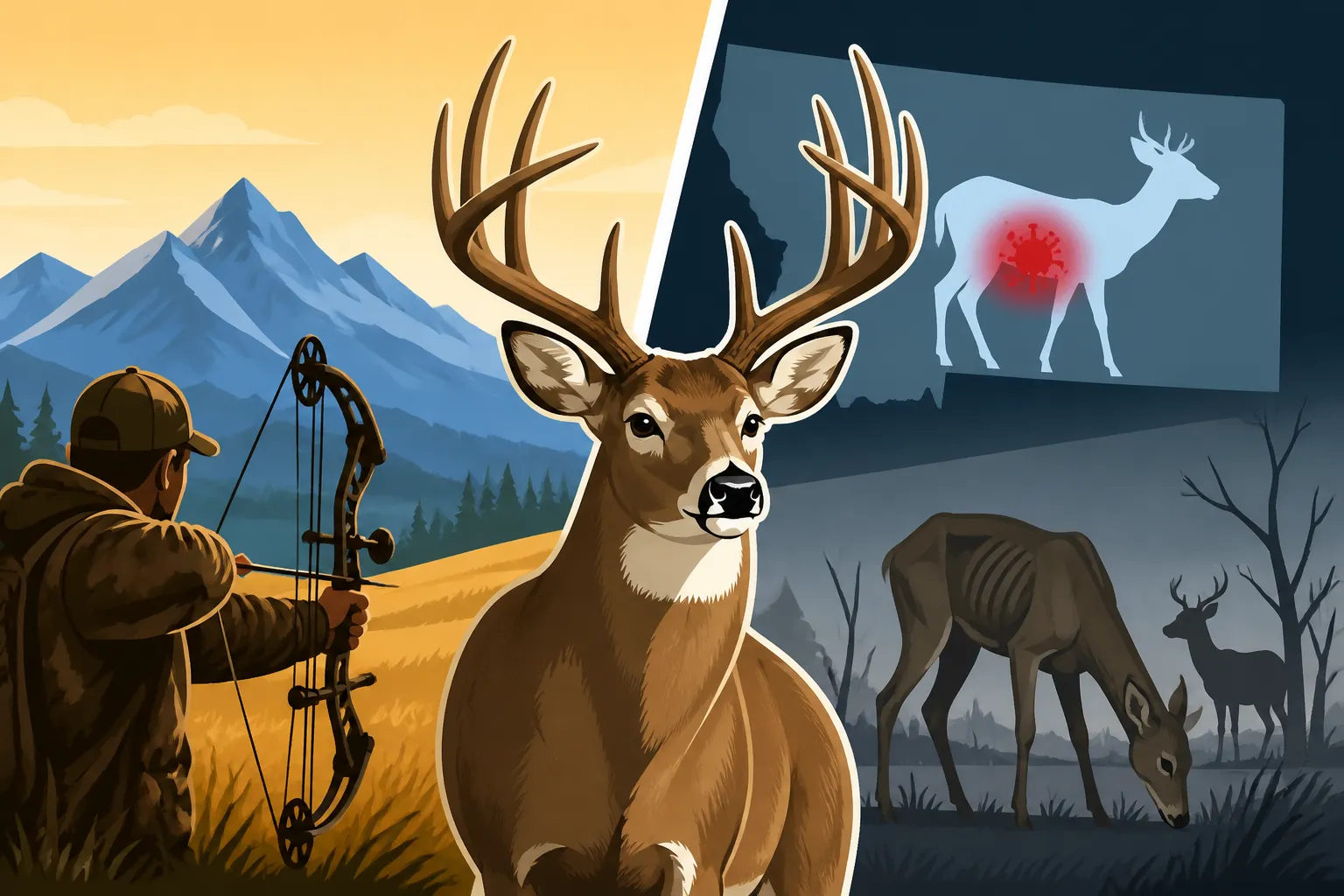
The symptoms of EHD can vary depending on the strain of the virus and the individual deer's immune response, but generally, they are severe and progress rapidly. Affected deer often become lethargic, weak, and disoriented. They might lose their appetite and show excessive salivation, sometimes with foam around the mouth. One of the most common and telltale signs is swelling of the head, neck, tongue, and eyelids. Deer suffering from EHD often develop a high fever, leading them to seek out water sources to cool down. This is why you frequently find deceased deer near creeks, ponds, or rivers. Internally, the virus causes extensive hemorrhages, particularly in the heart, lungs, and gastrointestinal tract, which is where the "hemorrhagic" part of the name comes from. It's a brutal disease, and unfortunately, once symptoms are severe, recovery is rare.
Here’s a quick overview of key EHD symptoms:
| Symptom Category | Specific Observations |
|---|---|
| General Behavior | Lethargy, weakness, disorientation, reduced fear of humans. |
| Physical Appearance | Swelling of head, neck, tongue, eyelids, and sometimes legs/feet. Foaming at the mouth. |
| Temperature | High fever (leading deer to seek water). |
| Internal Damage | Hemorrhages (bleeding) in various organs, especially heart, lungs, and gut. |
| Dehydration | Sunken eyes, dry mucous membranes. |
It’s important to note that EHD does not pose a known threat to humans. The meat from deer that recover from EHD or were harvested before showing severe symptoms is generally safe for consumption, though any deer found already deceased or exhibiting clear signs of illness should not be consumed. Always be cautious and follow proper game handling guidelines.
Historical and Recent EHD Impacts on Montana Whitetail Herds
Montana's whitetail deer populations are incredibly resilient, but EHD outbreaks can deliver a significant blow, especially in specific regions. Understanding the historical context and recent trends helps paint a clearer picture of what hunters might encounter.
Major EHD Outbreaks in Montana's Past
EHD is not a stranger to Montana. While the disease might fly under the radar in some years, there have been several memorable outbreaks that have drastically altered whitetail hunting prospects. Historically, the river bottom environments of eastern and central Montana have been hit hardest. These areas, characterized by cottonwood groves, agricultural fields, and meandering waterways, create ideal habitat for both whitetail deer and the biting midges that transmit the disease. Severe droughts exacerbate the problem, as deer congregate around fewer, more stagnant water sources, increasing their exposure to the midges. Past outbreaks have sometimes reduced local whitetail populations by as much as 50% or more in affected areas, leading to reduced tag allocations and difficult hunting for years afterward. The cycles of these outbreaks are somewhat unpredictable, largely depending on weather patterns that influence midge populations.
Current EHD Activity and Affected Regions
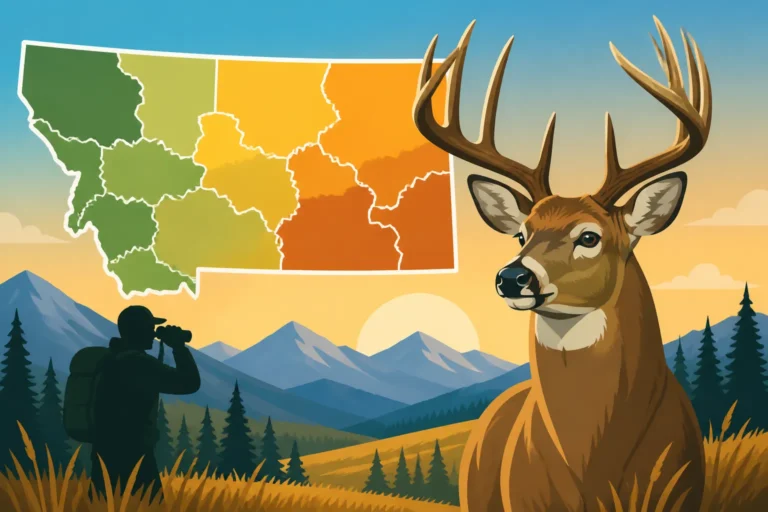
In recent years, Montana has experienced recurring EHD outbreaks, particularly during dry, hot summers. For instance, in 2021 and 2022, there were significant reports of EHD-related deer mortalities across eastern and central Montana, with some localized pockets seeing substantial losses. These outbreaks tend to follow specific geographical patterns, often concentrated along the major river systems like the Yellowstone, Missouri, and Milk Rivers, as well as their tributaries. Hunters who typically focus on areas like the river bottoms in Regions 4, 5, 6, and 7 often report finding dead deer or noticing a severe drop in deer numbers.
Montana Fish, Wildlife & Parks (FWP) closely monitors EHD activity, relying heavily on public reports from landowners and hunters. They track where deer mortalities are occurring and try to assess the severity of localized impacts. If you're planning your hunt for the upcoming season, it's crucial to check FWP's website for the latest updates on specific hunting districts. A tool like GoHunt can also be invaluable for cross-referencing this information with historical data and habitat maps, allowing you to gauge potential impacts on your chosen area. The long-term effects of EHD can mean that even a year or two after a major outbreak, populations are still recovering, and herd dynamics, including buck-to-doe ratios and age class distribution, can be significantly altered. Understanding these regional impacts is vital for anyone planning their trip, whether it's for deer in the farm country or pursuing other species.
Hunting Whitetail After an EHD Outbreak
Discovering that your favorite hunting grounds have been hit by EHD can be incredibly discouraging. The good news is that whitetail populations are resilient, and with careful scouting and adapted strategies, successful hunting is still possible. It just requires a different approach.
Adapting Your Hunting Strategy
When EHD has been confirmed in an area, simply hunting it the way you always have might lead to frustration. The first step is to manage your expectations. A trophy buck might be harder to find, and overall deer numbers will likely be lower. Instead of focusing solely on traditional hotspots that may have been heavily impacted, consider expanding your search.
- Move Beyond River Bottoms: While EHD often devastates river bottom populations, deer in higher elevations or drier uplands may be less affected. Midges thrive in moist environments, so areas further from rivers and low-lying wet spots might offer better prospects. You might need to change your approach from focusing on Montana Whitetail River Bottom Behavior to exploring more varied terrains.
- Focus on Fringe Areas: Look for the edges of traditional whitetail habitat that might have been spared the worst of the outbreak. These could be isolated patches of timber, coulees, or smaller drainages away from major water sources.
- Deep E-Scouting: Before you even step foot in the woods, use aerial imagery and mapping tools (like those found on GoHunt) to identify areas with less obvious water sources or different habitat types that might have provided refuge. Pay attention to vegetation changes and access points that might hold deer that survived the initial wave. Understanding Montana Hunting Districts Explained and how they might differ in terrain can help here.
Finding Healthy Deer and Safe Practices
Even in affected areas, healthy deer can and do exist. The key is to find them and ensure ethical hunting practices.
- Intensive On-the-Ground Scouting: Nothing beats boots on the ground. Look for fresh sign – tracks, droppings, and rubs. Pay close attention to the quality of the sign. Healthy deer produce consistent, well-formed droppings. Be wary of areas with numerous dead deer or deer showing symptoms of illness.
- Observe Deer Behavior: Healthy deer will be alert and exhibit natural behaviors. If you see deer that appear lethargic, emaciated, or otherwise ill, observe them from a distance. It's generally advised not to harvest deer showing clear signs of disease.
- Prioritize Meat Quality: In years with EHD, many hunters shift their focus from trophy hunting to meat hunting. This can mean being less selective about antler size and prioritizing healthy-looking does or smaller bucks. When field dressing, pay attention to the internal organs. Any unusual lesions, discolorations, or abnormal tissue should be cause for concern, and you may want to submit samples to FWP or dispose of the carcass appropriately. Remember, while EHD isn't a human health risk, common sense and good hygiene are always paramount when handling game meat.
- Consider Alternatives: If your primary whitetail unit was severely hit, consider exploring other species or districts that may have less pressure or better populations. You might shift your focus to Montana Mule Deer Hunting Guide or look into other areas known for healthier whitetail populations, perhaps by researching Montana Whitetail Deer: Where to Find Them in less affected regions.
Reporting and Monitoring EHD in Montana
As hunters and conservationists, we play a crucial role in monitoring wildlife health. Your observations in the field are incredibly valuable to state wildlife agencies like Montana Fish, Wildlife & Parks (FWP).
How Hunters Can Help Report EHD
FWP relies heavily on reports from the public to understand the scope and severity of EHD outbreaks. If you encounter sick or dead deer while scouting or hunting, especially near water sources, reporting it is vital.
- Contact FWP: The quickest way to report is usually by calling your local FWP office or using their online wildlife mortality reporting system. Provide as much detail as possible: the exact location (GPS coordinates are best), the number of animals observed, and any visible symptoms. Don't be shy about providing detailed observations; every bit of information helps FWP build a comprehensive picture of the outbreak.
- Take Photos (if safe): If you can safely take photos of the affected deer, especially showing symptoms like swelling or lesions, these can be incredibly helpful for FWP biologists in confirming suspected EHD cases. However, always prioritize your safety and avoid direct contact with sick or dead animals.
- Support Research: Your license fees and conservation efforts indirectly support FWP's disease monitoring programs. Understanding how you can contribute is crucial. Information gathered from your observations aids FWP in determining where and when to implement specific management actions, such as antlerless deer harvest adjustments or special permits like Montana Whitetail Deer Season Dates and Tags changes to help herd recovery.
FWP Resources and Management Strategies
Montana FWP takes EHD seriously, understanding its potential impact on deer populations and hunting opportunities. They have established protocols for monitoring and, where possible, managing the effects of the disease.
- Public Information: FWP regularly updates its website with information regarding EHD activity, affected areas, and recommendations for hunters. Before planning your hunt, especially for Best Time to Hunt Whitetail Deer in Montana, make sure to check these resources. They often provide real-time maps and reports, giving you the most current picture.
- Herd Management Adjustments: In severe outbreak areas, FWP may adjust hunting regulations in subsequent years to allow populations to recover. This could mean reducing antlerless tags, shortening seasons, or implementing other measures to protect the remaining deer. For example, if you typically focus on How to Hunt Montana Whitetail in Farm Country, and that area was hit hard, FWP might adjust the offerings for that specific Montana Hunting Districts Explained.
- Research and Mitigation: FWP also participates in ongoing research into EHD, working with other states and federal agencies to better understand the disease, its ecological triggers, and potential long-term mitigation strategies. While there's no vaccine or direct treatment for EHD in wild populations, understanding its dynamics is key to effective wildlife management. Tools like GoHunt can further assist hunters in dissecting FWP data and formulating informed hunting plans, potentially revealing areas with less EHD impact by cross-referencing past outbreak zones with current population estimates. This allows hunters to better strategize for hunts, whether they involve How to Hunt Montana Whitetail During the Rut or other tactics like How to Rattle for Montana Whitetail. Ultimately, the goal is to maintain healthy and sustainable whitetail populations for generations of Montana hunters.
Disclaimer
Please be advised that hunting regulations, seasons, and disease outbreaks can change rapidly. The information provided in this guide is for general educational purposes and reflects common knowledge and recent trends regarding EHD in Montana. Always consult the most current Montana Fish, Wildlife & Parks (FWP) regulations and official advisories before planning or undertaking any hunting activities. It is your responsibility to ensure compliance with all applicable laws and to make informed decisions regarding wildlife health.