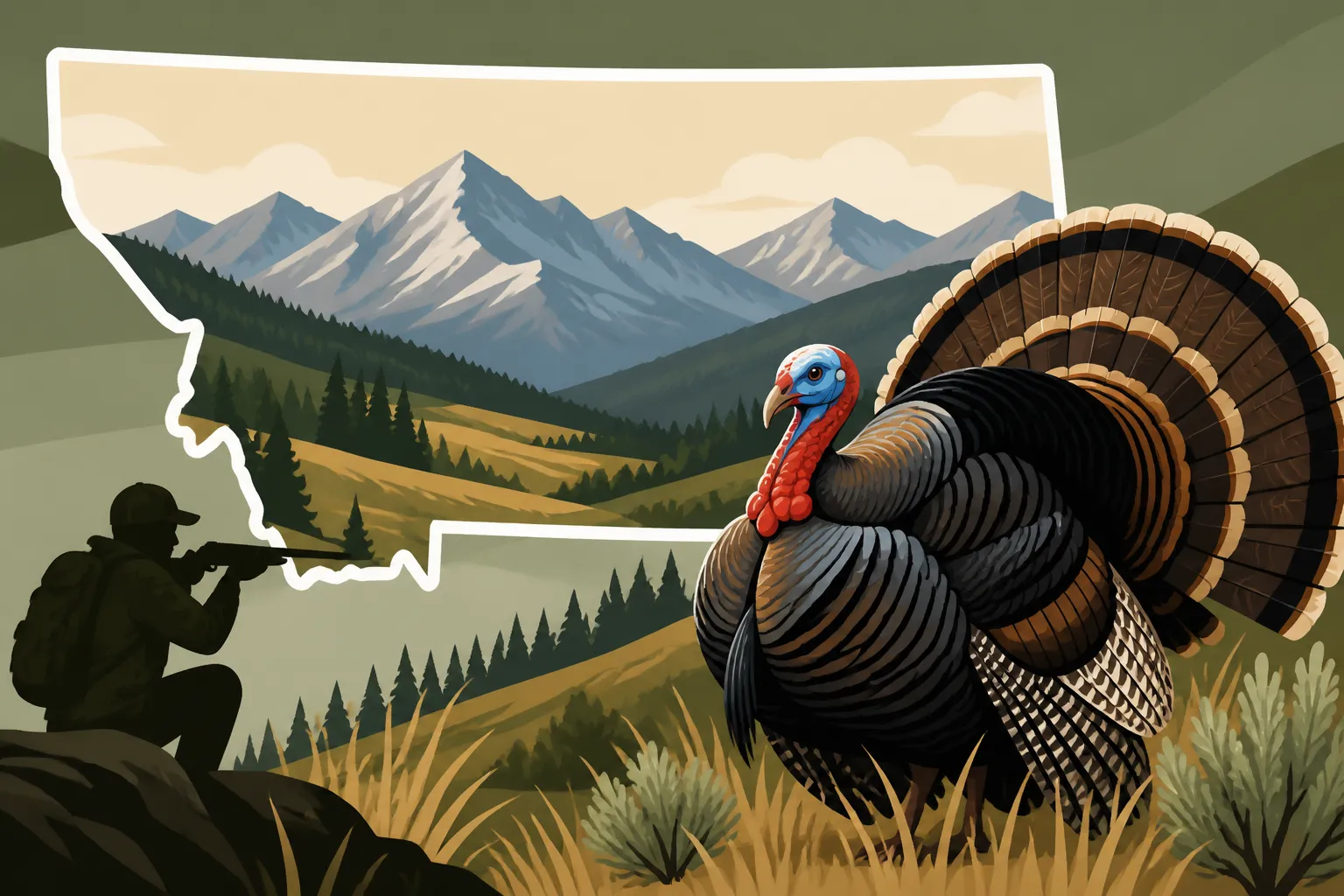
Montana Turkey Range and Habitat
Many hunters dream of chasing turkeys, but finding these elusive birds in a vast state like Montana can feel like searching for a needle in a haystack. Understanding the specific range and preferred habitat of Montana's turkey populations is absolutely crucial for any successful hunt, turning what might be a frustrating search into a fulfilling experience. This comprehensive guide will walk you through the distinct areas where turkeys thrive, what types of terrain they call home, and how to use this invaluable knowledge to your advantage when planning your next adventure.
The Three Faces of Montana Turkey: Subspecies and Their Strongholds
Montana is quite unique in that it hosts all three major subspecies of wild turkey found in North America: Merriam's, Eastern, and Rio Grande. Each of these distinct subspecies has its own preferred stomping grounds and specific habitat requirements, and recognizing these differences is truly your first step to consistently finding birds and filling your tag.
Merriam's Turkeys: The Mountain Dwellers
When most people outside the state, and even many within, envision Montana turkey hunting, they are almost certainly thinking about the majestic Merriam's. These stunning birds, easily identifiable by their light-colored, buff-white tips on their tail fan feathers and distinctive buff-white barring on their wing feathers, are the classic mountain turkey. You'll primarily find Merriam's thriving in the western and central mountainous regions of Montana. They are strongly associated with open ponderosa pine forests, dense fir stands, and occasionally in mixed conifer and deciduous woodlands. These birds absolutely love rugged, broken terrain, which offers them excellent opportunities to roost high in mature trees, forage on a diverse diet of seeds, insects, and berries, and access reliable water sources.
Think about the iconic mountainous areas near vibrant communities like Missoula, Bozeman, Kalispell, and Helena. Hunting districts located within national forests such as the Lolo National Forest, Kootenai National Forest, and significant portions of the Custer Gallatin National Forest are considered prime Merriam's territory. These birds expertly utilize elevation changes to their advantage, often migrating to higher elevations in the spring as the snow melts and descending to lower elevations in the fall to access more abundant forage. Truly understanding their seasonal movements and preferred elevations is one of the most critical keys to a successful spring or fall hunt.
Eastern Turkeys: River Bottoms and Eastern Forests
While not as widespread or numerous as Merriam's, healthy pockets of Eastern turkeys do exist in Montana, predominantly tucked away in the eastern part of the state. These birds exhibit a darker overall plumage compared to Merriam's, featuring distinct chestnut-brown tips on their tail feathers. Their habitat preferences are classic Eastern turkey country: they thrive in dense, mature hardwood river bottom forests, mixed deciduous woodlands, and along the edges of agricultural fields. They have an essential need for tall, sturdy trees for secure roosting and a plentiful, consistent supply of acorns, various mast crops, and agricultural grains for their primary feeding.
The vibrant Yellowstone River corridor and its numerous tributaries, as well as the timbered draws scattered across southeastern Montana, are the most likely places where you will encounter these often more elusive Eastern turkeys. Areas around bustling cities like Billings, historic Miles City, and even specific parts of the vast Missouri Breaks can surprisingly hold huntable populations of these birds. While their numbers might not rival the Merriam's in sheer density, successfully locating a healthy flock of Easterns often translates into a less pressured and more solitary hunting experience in a unique and beautiful landscape. Access to these areas can sometimes be challenging due to land ownership patterns, frequently requiring careful e-scouting using powerful tools like GoHunt or diligently seeking permission on private lands.
Rio Grande Turkeys: The Plains and River Breaks
The Rio Grande subspecies occupies the fascinating transitional zones between the rugged mountains and the expansive prairies, extending well into the eastern plains of Montana, particularly along the state's major river systems. These turkeys are typically found in the central and eastern portions of the state, clearly distinct from the strongholds of the Western Merriam's. They are characterized by their lighter brown or tan tail fan tips and slightly darker brown body feathers when compared to the Merriam's. Their preferred habitat is almost always defined by rich riparian areas – the extensive timbered river bottoms, towering cottonwood galleries, and brushy draws that intricately wind their way through the vast prairie and active agricultural lands.
Stretches along the iconic Missouri River, the Musselshell River, and their numerous drainages are considered prime Rio Grande habitat. You'll observe them expertly utilizing the thick cover provided by riverine forests for secure roosting and crucial thermal protection, while venturing out into adjacent grasslands and agricultural fields to feed. Hunting districts around Lewistown, Glasgow, and specific areas within the Missouri Breaks Hunting Guide are excellent places to target Rio Grandes. They are often perceived as slightly less wary than their mountain-dwelling cousins, but securing reliable access in these regions, which are typically a mosaic of public and private land, is absolutely critical for a successful hunt.
Deciphering Montana's Turkey Habitats
Understanding the specific environmental elements that consistently draw turkeys to certain areas is far more nuanced and complex than simply knowing their broad regional distribution. Turkeys, regardless of their specific subspecies, have fundamental biological needs that absolutely dictate where they choose to establish their ranges and spend their lives. Knowing these needs is key to finding them.
Critical Roosting and Nesting Cover
Wild turkeys universally require mature, sturdy trees for roosting safely at night, which provides them with essential protection from a wide array of ground predators. These vital roosting trees are typically tall conifers such as resilient ponderosa pines or massive cottonwoods, especially those possessing strong, horizontal limbs capable of supporting a flock. In the rugged, mountainous country where Merriam's turkeys thrive, identifying these large pines situated on steep slopes or along prominent ridgelines is paramount for locating birds. For Easterns and Rio Grandes, the towering cottonwoods lining the expansive river drainages are equally essential to their survival.
Nesting cover is an equally, if not more, vital component for successful turkey reproduction and the overall health of the population. Hens meticulously search for dense, thick cover to skillfully conceal their nests and vulnerable poults from predators. This crucial cover could manifest as tall, undisturbed native grasses, impenetrable brushy thickets, areas with abundant downed timber, or dense understory vegetation. Areas that offer a good, balanced mix of mature timber suitable for roosting and dense, low-level cover ideal for nesting are consistently high-percentage spots for finding turkeys. When you're out scouting, make sure to keep a keen eye out for these dual-purpose areas, which are often found within protected draws or along the productive edges of larger timber blocks.
Food and Water Sources
Like all wildlife, wild turkeys have an undeniable need for reliable and accessible food and water sources to sustain themselves. Their diet is remarkably varied and opportunistic, encompassing a wide range of items including various seeds, nutritious nuts, protein-rich acorns, succulent berries, a plethora of insects, and even occasional small reptiles and amphibians. The consistent presence and availability of these diverse food sources directly dictates where turkeys will spend the majority of their day foraging. In the classic ponderosa pine forests, pine nuts and various grass seeds are staple food items. Along fertile river bottoms, abundant mast crops like acorns and a variety of berries are incredibly strong draws for turkeys. Furthermore, proximity to agricultural fields, particularly those planted with corn, wheat, or alfalfa, provides a highly consistent and calorie-rich food source that can dramatically concentrate birds, especially in the central and eastern agricultural regions of the state.
Water is another non-negotiable requirement for turkeys. These birds need to drink daily, especially during warmer months, so close proximity to springs, perennial creeks, rivers, or even accessible livestock tanks is absolutely critical for their survival. In particularly dry years or during extended droughts, readily available water sources become even more important and can effectively act as natural magnets, drawing birds from a wide surrounding area. Utilizing modern e-scouting tools like the Montana Hunt Planner Maps or dedicated hunting apps such as onX Hunt can significantly help you identify potential water sources and pinpoint key food plots or productive agricultural fields within a target area. GoHunt also offers invaluable resources and mapping layers that can highlight land features specifically important for optimal turkey habitat.
Thermal and Escape Cover
Montana's weather patterns can be notoriously extreme and unpredictable, ranging from harsh winter storms to intense summer heat. Turkeys inherently need various forms of cover to protect themselves from these severe environmental conditions. Dense stands of conifers, particularly evergreens, provide excellent thermal cover during the colder months, offering respite from biting winds and snow. Conversely, thick riparian zones and shaded timber offer much-needed shade and cooler temperatures during the sweltering summer months. Escape cover, which consists of areas where turkeys can quickly and effectively disappear to evade predators, is also an absolutely essential component of their habitat. This might include dense, thorny brush, impenetrable thick timber, or even steep, broken terrain that is difficult for predators to navigate.
When you successfully locate areas that exhibit a beneficial combination of these critical elements—secure roosting trees, ample nesting cover, diverse and consistent food sources, reliable water, and both adequate thermal and escape cover—you are almost certainly in prime turkey habitat. Consider how principles such as How to Use the Wind Hunting Montana Elk or How to Use Thermals in Montana Elk Country can also apply to wild turkeys, as they too frequently utilize topography and prevailing weather patterns to their advantage for safety and strategic movement throughout their home range.
Strategies for Locating Montana Turkeys
Finding wild turkeys in Montana's expansive and diverse landscapes demands a well-rounded approach, blending meticulous pre-season scouting, vigilant in-season observation, and a deep understanding of their intricate behavior patterns. Relying on just one strategy often leads to frustration.
Pre-Season E-Scouting and Map Study
Before you even consider setting foot in the field, a significant and highly effective amount of work can be accomplished right from your computer or tablet. Harness the power of satellite imagery available on advanced platforms like GoHunt, onX Hunt, or the official Montana FWP Hunt Planner maps to diligently identify promising turkey-holding areas. Specifically, look for distinct dark timber blocks located strategically on ridgelines, which are prime potential Merriam's roosting sites. Also, scan for expansive river corridors featuring mature, towering trees, often indicative of Easterns or Rio Grandes. Pay close attention to the critical interfaces where timber meets agricultural fields, as these transition zones are often highly productive. Always make sure to highlight all visible water sources and areas with prominent south-facing slopes, as these areas tend to melt out faster and green up earlier in the spring, thereby providing readily accessible food for hungry birds.
When you're trying to figure out How to E-Scout Montana Hunting Units, remember the golden rule: zoom in relentlessly and identify every specific feature that could be beneficial. Mark potential roosting sites with precision, pinpoint likely feeding areas, and map out probable travel corridors that connect these two vital locations. Also, give serious consideration to areas officially designated as Montana Block Management Areas, as these frequently offer excellent public access to both forest and agricultural lands that turkeys are known to frequent. It's also incredibly wise to consult the Montana Turkey Hunting Guide for any specific regulations and highly localized district information relevant to your chosen area.
Boots-on-the-Ground Scouting
Let's be clear: no amount of thorough e-scouting, however detailed, can ever truly replace the invaluable insight gained from actual time spent in the field. During the late winter or very early spring, well before the hunting season officially opens, make it a point to head out to your target areas. Diligently search for fresh turkey sign: look for clear tracks in muddy areas, unmistakable droppings, tell-tale feather sheds, and distinct scratch marks where they've been diligently foraging for food. Crucially, listen intently for the unmistakable sound of gobbles at both dawn and dusk, as this will unequivocally confirm the presence of birds and give you a general, yet crucial, idea of their primary roosting locations.
Focus your scouting efforts on the prime transition areas—places where timber seamlessly meets open fields, or along creek bottoms that flow into larger, more extensive drainages. These productive edges are precisely where turkeys often spend the majority of their mornings and evenings feeding and socializing. Pay close attention to natural travel funnels, such as subtle saddles between hills or narrow strips of timber that connect larger, more isolated blocks of cover. This hands-on, direct scouting will provide you with unparalleled, real-time insight into current turkey activity and their highly specific daily routines within that particular area. This is also a great time to implement strategies that teach you How to Scout a Montana Hunting District more broadly.
In-Season Hunting Tactics Tailored to Habitat
Your actual hunting tactics must always adapt and evolve to the specific habitat you find yourself in. For Merriam's turkeys inhabiting the rugged mountains, a dynamic "run-and-gun" approach, which involves covering significant ground while frequently calling, often proves highly effective, especially during the spring season. You'll want to move as quietly and stealthily as possible through the timber, periodically stopping to make calls from elevated points to try and locate a responsive gobbler. Expertly using the challenging terrain to your advantage, much like applying Montana Spot-and-Stalk Antelope Tactics, is absolutely crucial for success. If you manage to locate a bird, quickly plan an aggressive yet calculated approach to get within ethical shooting range, often involving moving downhill or carefully traversing across ridges.
For Easterns and Rio Grandes found in the rich river bottoms and extensive agricultural areas, a more patient, ambush-style strategy might be considerably more effective. Thoughtfully setting up a ground blind or utilizing natural cover near known turkey travel corridors, prime feeding areas, or reliable water sources can be incredibly productive. Decoys, especially realistic ones, can be very effective in these more open settings, drawing curious birds into range. Understanding How to Call in a Silent Montana Bull applies to turkeys too – sometimes, a subtle, confident hen call is far more effective than an aggressive gobble, particularly when dealing with pressured birds. Always be meticulously mindful of property boundaries, as these areas frequently include a complex mix of public and private land.
Navigating Access and Regulations for Montana Turkeys
Montana offers truly fantastic wild turkey hunting opportunities, rivaling many other states, but thoroughly understanding the regulatory framework and meticulously securing proper access is absolutely paramount to a successful and legal hunt. Don't let enthusiasm override diligence.
Understanding Seasons and License Requirements
Montana thoughtfully offers both vibrant spring and productive fall turkey seasons, catering to different hunting preferences. The spring season, typically spanning from late April through May, is primarily focused on hunting gobblers and usually sees a much higher level of calling activity from territorial males. Fall seasons are generally longer and allow for hunting either-sex birds, but turkeys are commonly less vocal during this time of year. Always make it a priority to check the current Montana Hunting Seasons Explained for the specific and most up-to-date dates for the particular year you plan to hunt, as these can vary slightly by region and even specific hunting district.
To legally hunt turkeys in Montana, you will require a valid Montana conservation license in addition to a turkey license. For nonresidents, a base hunting license is also a mandatory requirement. Fortunately, there are generally no complex drawings for the standard general turkey licenses, making them readily available, although special permits for certain highly sought-after areas might occasionally exist. It's always a good idea, and frankly, a necessity, to consult the official Montana Fish, Wildlife & Parks (FWP) website for the most current regulations, as unforeseen changes can and do occur, such as potential Montana 2026 Hunting Regulation Changes. Knowing these intricate details ensures that you are hunting both legally and ethically.
Public and Private Land Access
Montana proudly boasts extensive tracts of public lands, including vast National Forests, expansive BLM (Bureau of Land Management) lands, and numerous State Trust Lands, all of which offer abundant opportunities for turkey hunting. The Montana National Forest Hunting Guide can provide invaluable insights into hunting specific forest areas, particularly where Merriam's turkeys are known to be abundant. For areas like the rugged Missouri Breaks or the eastern plains, you will encounter a diverse mosaic of BLM land and State Trust Land, often intricately interspersed with private property. Utilizing advanced mapping tools like onX Hunt or even GoHunt's detailed land ownership layers is absolutely crucial for accurately identifying legal access points and, most importantly, for avoiding accidental trespassing onto private property.
The Block Management Program (BMP) is an absolutely fantastic resource for gaining access to private land that generous landowners have voluntarily opened to public hunting. The article Montana Block Management Areas Explained will provide you with a detailed understanding of how this invaluable program operates. Many Block Management Areas (BMAs) can offer genuinely prime turkey hunting, especially in regions characterized by a beneficial mix of timber and productive agricultural fields. Always make sure to pick up an official BMA map for the specific area you intend to hunt, meticulously follow all posted landowner rules and regulations, and diligently sign in and out as required. Building positive and respectful relationships with landowners can also, over time, open additional doors to exclusive private land hunting opportunities. For detailed map analysis, Montana Hunt Planner Maps Explained can assist your preparation.
Ethical Considerations and Conservation
Responsible and ethical hunting practices are unequivocally key to preserving and enhancing Montana's thriving wild turkey populations for current and future generations. This inherently includes strict adherence to ethical hunting guidelines, such as ensuring proper shot placement, never attempting to shoot turkeys on the roost (which is illegal in many areas and highly unethical), and respecting all wildlife. It also means actively participating in broader conservation efforts. Wild turkeys were, at one point in history, unfortunately extirpated from much of their historic range but have since been successfully reintroduced and flourished thanks in large part to robust conservation programs funded directly by hunters. By diligently purchasing licenses and permits, and by actively supporting reputable organizations like the National Wild Turkey Federation, hunters directly contribute to vital habitat improvement projects, ongoing research, and effective population management strategies. Understanding Montana Turkey Range and Habitat and applying careful, respectful hunting pressure helps maintain healthy, vibrant populations for all to enjoy.
| Subspecies | Primary Range | Preferred Habitat | Key Features |
|---|---|---|---|
| Merriam's | Western & Central Montana (Mountains) | Ponderosa pine, fir forests, mixed conifer/deciduous, rugged terrain | Buff-white tail tips, mountain dwellers |
| Eastern | Eastern Montana (Limited, River Bottoms) | Mature hardwood river bottoms, dense mixed deciduous woodlands, agricultural edges | Darker overall, chestnut-brown tail tips |
| Rio Grande | Central & Eastern Montana (Plains/Riverine) | Riparian timber (cottonwood), brushy draws, adjacent grasslands/agriculture | Lighter brown tail tips, plains/river break dwellers |
Disclaimer
Please note that hunting regulations, season dates, and access rules in Montana can change frequently. While this guide provides comprehensive information, it is essential to always consult the official Montana Fish, Wildlife & Parks (FWP) regulations for the current year before planning any hunting trip. This information is for educational purposes only and should not be considered legal advice.